Indus worm
from Greek skōlex, meaning worm
A giant carnivorous river creature from ancient Greek accounts of the Indus
The skōlex was a legendary beast described by ancient Greek writers as a massive white worm living in the Indus River. It was said to have large teeth and to hunt livestock at night.
- Described as a 10-foot-long white worm with large square teeth
- Reported to hunt horses and camels at night in the Indus River
- Its oil was allegedly used as an incendiary weapon by Indian kings
- Scholars debate if it refers to a crocodile, dolphin, or pure myth
What it is
The Indus worm, known in ancient Greek texts as the skōlex, is a legendary creature reported to inhabit the Indus River. Writers such as Ctesias and Philostratus described it as a colossal white worm with a pair of square teeth. These accounts present the animal as a unique inhabitant of that specific waterway, distinct from other known fauna.
Where it comes from
The creature appears in ancient Greek geographical and natural history writings. Scholars have debated the etymology of the name skōlex. Some suggest it relates to Sanskrit words for fish or porpoise, while others link it to terms for serpent kings. The legend may have evolved from reports of local wildlife or served as a cautionary tale about distant lands.
How it is done
Ancient sources claim the worm burrowed in river mud during the day. At night, it would emerge to devour large animals such as horses, cows, and camels. Hunters reportedly used bait to catch the beast. Its body was said to yield a volatile oil used in warfare, though this substance may have been petroleum rather than animal fat.
Tools and materials
The primary tool mentioned is bait, used to lure the creature from its hiding place. The oil extracted from the worm was stored in sealed pots and thrown like grenades to set cities on fire. This incendiary use suggests the oil was highly flammable, possibly resembling naphtha or crude oil found in the region.
Indus worm, drawn and placed
- Living
- Revived
- Fading
- Historical
- Legendary
- Performed
- Lineage
- ancient Greek natural history
- Timing
- night
What it is for
The creature was viewed as a dangerous predator threatening livestock and humans. Its depiction served to emphasize the exotic and perilous nature of the Indus River. The association with incendiary weapons highlights how mythical beasts were sometimes linked to military technology or resources in ancient narratives.
Who does it
Scholars study the textual references to the Indus worm to understand ancient perceptions of geography and biology. Researchers analyze how Greek writers interpreted foreign environments. The creature itself has no living practitioners, as it exists only in historical literature and myth.
Peoples and places
The legend is primarily associated with ancient Greek accounts of India. The creature is tied to the Indus River region. Later traditions may have conflated it with other river monsters, such as the horned odontotyrannus of the Ganges. The Mongolian death worm is occasionally compared in modern discussions due to similar monstrous traits.
At a glance: who, where and when
Peoples
What people believe
Ancient writers treated the skōlex as a real animal, describing its physical features and behavior in detail. The belief in such creatures reflected a worldview where distant lands housed extraordinary beings. The description of teeth and size aligns with literary conventions of marvels found in travel literature of the period.
When it is done
No specific festivals or calendar days are associated with the Indus worm. It is not part of any religious calendar or seasonal ritual. The creature appears in narrative contexts rather than ceremonial ones.
How scholars and sceptics see it
Historians and philologists examine the texts mentioning the skōlex to trace cultural exchanges between Greece and India. Some scholars propose that the worm may be a distorted memory of crocodiles or dolphins. Others suggest the oil story reflects knowledge of natural petroleum seeps misattributed to an animal.
Cautions and what is closed
The Indus worm is a figure of folklore and does not pose any physical danger. Modern readers should view these accounts as examples of ancient storytelling rather than biological fact. There are no risks associated with studying the legend, though one must distinguish between myth and reality.
Compare and confuse
The Indus worm is often compared to other legendary river monsters, such as the Mongolian death worm. Both are cited as examples of mythical beasts attributed to specific geographic regions. The odontotyrannus of the Ganges shares some characteristics, suggesting a pattern of attributing fearsome traits to unknown aquatic life.
Questions people ask about Indus worm
What is the Indus worm?
It is a legendary creature from ancient Greek texts, described as a giant white worm living in the Indus River. It was said to have large teeth and to prey on livestock at night.
Where did the legend come from?
The legend originates in ancient Greek writings about India, particularly the works of Ctesias and Philostratus. It reflects Greek perceptions of exotic foreign lands and their supposed inhabitants.
What was the worm's oil used for?
Ancient sources claim the oil was highly flammable and used in warfare. It was stored in pots and thrown at enemies to start fires, though it may have actually been petroleum.
Good reading and sources
The facts on this page come from the Wikipedia article "Indus worm", written by its contributors and used under the CC BY-SA 4.0 licence, and from its Wikidata record (CC0). EveryJaadu rewrote the text in its own words, with AI assistance, and compares every page with the article to make sure no passage is copied. It may be reused under the same CC BY-SA 4.0 licence with a link back.
It may contain mistakes. Names and customs differ from one community to the next, and some knowledge is closed to outsiders and left out here. This page describes belief and practice. It does not say that any of it works, it is not a how-to, and it is not medical advice. If something is wrong, tell us. Last refreshed 2026-10-06.
More from India
All the entries from India 🇮🇳 India and 5 morePretaप्रेत
A suffering spirit of insatiable hunger found in Asian religious traditionsBeing · Speaking with spirits and the dead Living
🇮🇳 India and 5 morePretaप्रेत
A suffering spirit of insatiable hunger found in Asian religious traditionsBeing · Speaking with spirits and the dead Living
 🇮🇳 India and 1 moreYoginiयोगिनी
A female master of yoga and tantra, or a fierce goddess aspect in Indian temples.Tradition · Power and authority · Protection Historical
🇮🇳 India and 1 moreYoginiयोगिनी
A female master of yoga and tantra, or a fierce goddess aspect in Indian temples.Tradition · Power and authority · Protection Historical
 🇮🇳 IndiaTaraतारा (Sanskrit), তারা (Bengali)
A fierce Hindu goddess of protection and wisdom, central to the Mahavidya tradition.Being · Protection · Power and authority Living
🇮🇳 IndiaAlakshmiदेवी अलक्ष्मी
A Hindu goddess of misfortune and the shadow opposite to LakshmiBeing · Cursing and harm Living
🇮🇳 IndiaTaraतारा (Sanskrit), তারা (Bengali)
A fierce Hindu goddess of protection and wisdom, central to the Mahavidya tradition.Being · Protection · Power and authority Living
🇮🇳 IndiaAlakshmiदेवी अलक्ष्मी
A Hindu goddess of misfortune and the shadow opposite to LakshmiBeing · Cursing and harm Living
Related elsewhere
All being 🇷🇸 Serbia and 5 moreVampire
An undead creature from folklore that feeds on the blood or life force of the livingBeing · Cursing and harm · Luck and prosperity Legendary
🇷🇸 Serbia and 5 moreVampire
An undead creature from folklore that feeds on the blood or life force of the livingBeing · Cursing and harm · Luck and prosperity Legendary
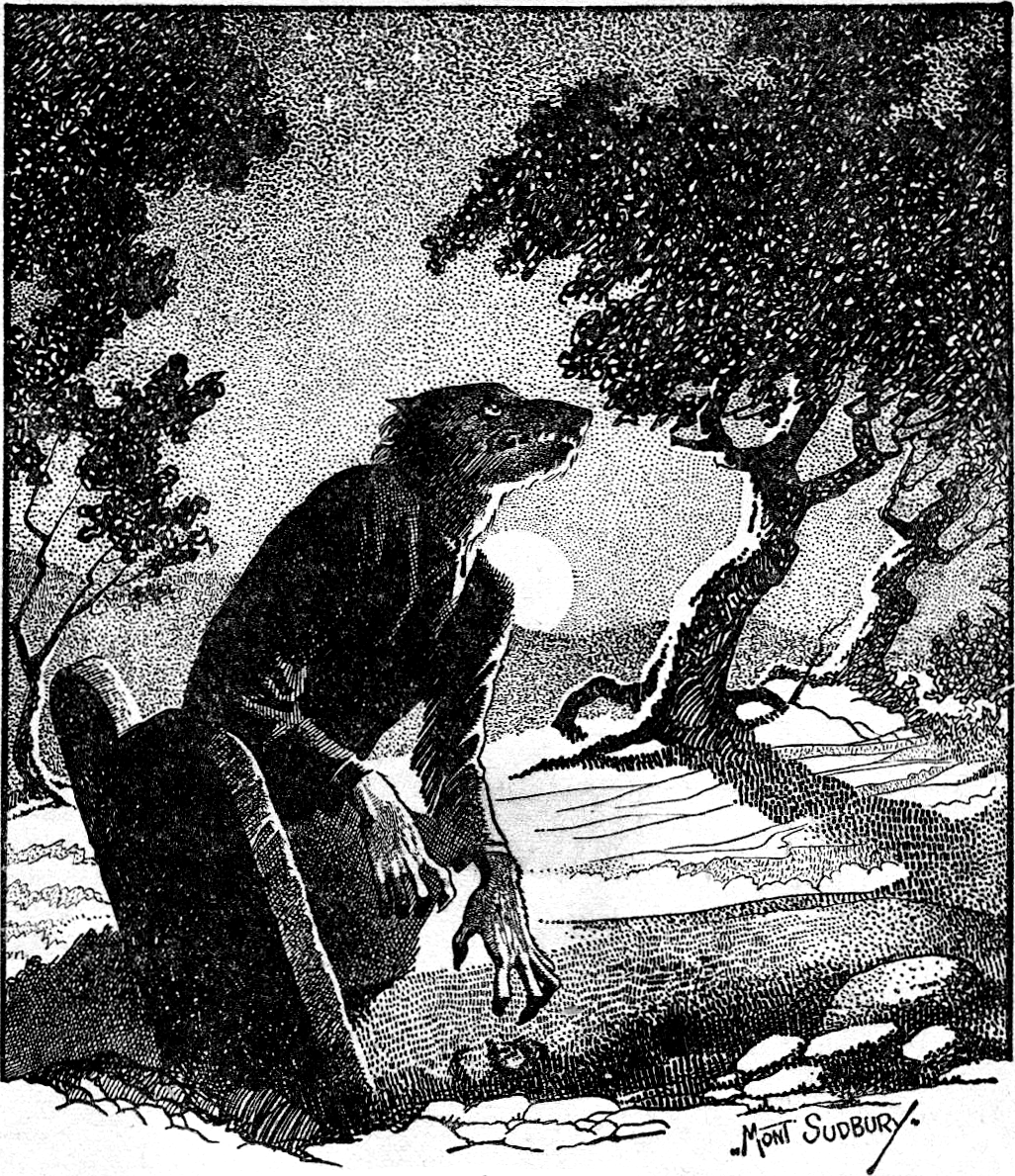 🇫🇷 France and 5 moreWerewolf
A mythical shapeshifter that turns into a wolf, central to European witch-hunts and Gothic horror.Being · Cursing and harm · Wonder and entertainment Legendary
🇫🇷 France and 5 moreWerewolf
A mythical shapeshifter that turns into a wolf, central to European witch-hunts and Gothic horror.Being · Cursing and harm · Wonder and entertainment Legendary
 🇪🇬 Egypt and 1 moreLilithלִילִית
A feminine figure from Mesopotamian and Jewish mythology, often depicted as a night demon or spirit.Being · Cursing and harm Legendary
🇪🇬 Egypt and 1 moreLilithלִילִית
A feminine figure from Mesopotamian and Jewish mythology, often depicted as a night demon or spirit.Being · Cursing and harm Legendary
 🇪🇬 EgyptCurse
A spoken wish for misfortune to befall a person or placeBelief · Cursing and harm · Luck and prosperity Historical
🇪🇬 EgyptCurse
A spoken wish for misfortune to befall a person or placeBelief · Cursing and harm · Luck and prosperity Historical