
Pulimaranja Thondachan
Thondachan means grandfather in the local dialect; Pulimaranja translates to disappearing tiger or leopard.
A theyyam deity of North Malabar, born from a shapeshifter who became a leopard.
Pulimaranja Thondachan is a spirit figure honoured through the theyyam ritual in Kerala, India. The Pulayar community reveres him as a grandfatherly protector linked to a man named Kari who could transform into a leopard.
- Known as Kari Kurikal in local legends
- Worshipped via the theyyam ritual tradition
- Primary devotees belong to the Pulayar community
- Legend involves transforming into a leopard
- Inspired the play and movie Pulijanmam
What it is
Pulimaranja Thondachan stands as a revered spirit within the theyyam performance culture of North Malabar, Kerala. Practitioners view him not merely as a god, but as a powerful ancestor figure. The name Thondachan serves as a respectful term for grandfather in this region. He is primarily honoured by the Pulayar community. His presence is felt during specific ritual performances that blend dance and devotion. The spirit represents a bridge between human history and supernatural power.
Where it comes from
The figure originates from the legend of a man named Madai Kari Kurikkal. Born to parents brought from Tiruvarkat Kav, he faced caste barriers that blocked his entry into traditional martial schools. A local landlord allowed him to study under a false identity. Kari mastered various forms of impersonation and martial arts across eighteen different training centres. This journey from a restricted student to a master of disguise forms the historical core of his mythic status.
How it is done
The deity is enacted through the theyyam ritual, a form of sacred theatre where performers embody spirits. The narrative involves a complex sequence of events where the protagonist transforms into a leopard. Rituals include specific instructions given to a spouse, such as using a broom dipped in dung water. The performance captures the moment of transformation and the subsequent tragic return. These acts are performed to honour the spirit's memory and power.
Tools and materials
Central to the myth is the ability to change shape, specifically into a leopard. The story mentions a broom and dung water as crucial items for recognition. The setting includes mountains where the transformation occurs. The leopard itself serves as the primary tool of the spirit's power and disguise. These elements are symbolic of the transition between human and animal states.
Pulimaranja Thondachan, drawn and placed
- Living
- Revived
- Fading
- Historical
- Legendary
- Performed
- Lineage
- Theyyam tradition of Kerala
What it is for
The community worships Pulimaranja Thondachan to seek protection and acknowledge his strength. He is seen as a guardian who overcame immense social obstacles. The rituals aim to connect with his ancestral energy. People believe his presence brings stability and respect to the community. The worship reinforces the identity and resilience of the Pulayar people.
Who does it
The practice is maintained by the Pulayar community in North Malabar. Performers undergo rigorous training to embody the spirit accurately. The role requires mastering specific movements and understanding the myth's details. Elders pass down the knowledge of how to conduct the rites correctly. The status of the performer rises significantly when they successfully channel the deity.
Peoples and places
The tradition is strongest in the Kannur and Kasargod districts of Kerala. It is deeply tied to the Pulayar community's history and social standing. Other groups in North Malabar may observe the rituals, but the Pulayar connection is central. The legend reflects the specific social dynamics of the region, including caste interactions and local land ownership structures.
At a glance: who, where and when
Who does it
Peoples
Belief worlds
What people believe
Believers hold that Kari possessed genuine magical abilities to shift his body. The story teaches that these powers were used to navigate a rigid social hierarchy. The spirit is believed to retain his protective nature after death. Devotees see his transformation as a metaphor for overcoming oppression. The myth validates the spiritual authority of the community.
When it is done
Specific dates are not fixed in the provided text, but theyyam performances occur throughout the year at various temples and shrines. The rituals are often tied to local festivals and agricultural cycles. Families may invoke the spirit during times of crisis or celebration. The timing depends on the specific temple traditions in North Malabar.
How scholars and sceptics see it
Anthropologists study the figure to understand caste dynamics and social mobility in Kerala. Historians examine the links between the myth and actual land ownership patterns. Scholars note how the story challenges traditional hierarchies through supernatural means. The narrative is also analysed in the context of regional literature and cinema.
Cautions and what is closed
The myth contains violent elements, including the death of a spouse due to a misunderstanding. Such stories serve as moral lessons about trust and communication. There are no known physical dangers associated with the worship itself. The focus remains on spiritual reverence rather than fear.
Compare and confuse
Pulimaranja Thondachan shares themes with other shapeshifting figures in Indian folklore. Unlike generic gods, he is rooted in a specific human biography. Similar deities exist in other regions where local heroes are deified. The theyyam format distinguishes him from mainstream Hindu icons by emphasizing performance and possession.
Questions people ask about Pulimaranja Thondachan
Who is Pulimaranja Thondachan?
He is a spirit figure worshipped in North Malabar, Kerala, India. The Pulayar community honours him as a grandfatherly deity connected to a man who could turn into a leopard.
How is he worshipped?
He is honoured through theyyam, a ritual performance art. Performers embody the spirit to bring blessings and acknowledge his protective power to the community.
What does his name mean?
Thondachan means grandfather in the local dialect. Pulimaranja refers to a disappearing tiger or leopard, reflecting his shapeshifting abilities in the myth.
Is there a famous story about him?
Yes, the legend tells of Kari Kurikkal, who used magic to become a leopard to fulfill a promise. The story highlights his struggle against caste barriers and social injustice.
Where is this tradition found?
The tradition is centered in the North Malabar region, specifically in the Kannur and Kasargod districts of Kerala, India.
Good reading and sources
- Pulimaranja Thondachan on WikipediaEncyclopedia
- More photos on Wikimedia CommonsPhotos and video
- Wikidata recordOpen data
The facts on this page come from the Wikipedia article "Pulimaranja Thondachan", written by its contributors and used under the CC BY-SA 4.0 licence, and from its Wikidata record (CC0). EveryJaadu rewrote the text in its own words, with AI assistance, and compares every page with the article to make sure no passage is copied. It may be reused under the same CC BY-SA 4.0 licence with a link back.
It may contain mistakes. Names and customs differ from one community to the next, and some knowledge is closed to outsiders and left out here. This page describes belief and practice. It does not say that any of it works, it is not a how-to, and it is not medical advice. If something is wrong, tell us. Last refreshed 2026-10-11.
More from India
All the entries from India 🇮🇳 IndiaNaropa
An Indian Buddhist master whose teachings shaped Tibetan Vajrayana practiceFigure · Change and initiation Historical
🇮🇳 IndiaNaropa
An Indian Buddhist master whose teachings shaped Tibetan Vajrayana practiceFigure · Change and initiation Historical
 🇳🇵 Nepal and 1 moreMatsyendranathMacchindranāth, Mīnanātha
A yogi and rain deity revered across Hindu and Buddhist traditions in South Asia.Figure · Speaking with spirits and the dead · Power and authority Living
🇳🇵 Nepal and 1 moreMatsyendranathMacchindranāth, Mīnanātha
A yogi and rain deity revered across Hindu and Buddhist traditions in South Asia.Figure · Speaking with spirits and the dead · Power and authority Living
 🇮🇳 India and 2 moreGorakhnathगोरक्षनाथ
A Hindu yogi and saint who founded the Nath monastic order in India.Figure · Power and authority · Speaking with spirits and the dead Living
🇮🇳 India and 2 moreGorakhnathगोरक्षनाथ
A Hindu yogi and saint who founded the Nath monastic order in India.Figure · Power and authority · Speaking with spirits and the dead Living
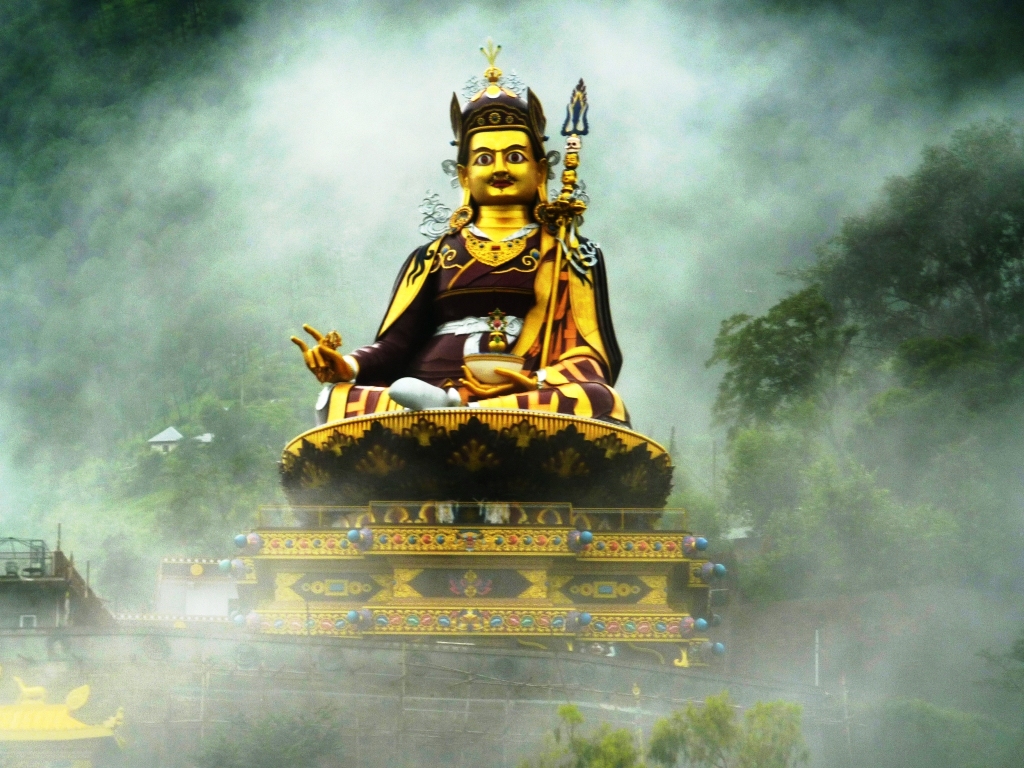 🇮🇳 India and 2 morePadmasambhavaཔདྨ་འབྱུང་གནས།
A tantric master credited with establishing Buddhism in Tibet and founding the Nyingma school.Figure · Protection · Power and authority Living
🇮🇳 India and 2 morePadmasambhavaཔདྨ་འབྱུང་གནས།
A tantric master credited with establishing Buddhism in Tibet and founding the Nyingma school.Figure · Protection · Power and authority Living
Related elsewhere
All figure 🇨🇳 China and 3 moreChinese dragon龍
A legendary water deity and imperial symbol in East Asian cultureBeing · Protection · Luck and prosperity Historical
🇨🇳 China and 3 moreChinese dragon龍
A legendary water deity and imperial symbol in East Asian cultureBeing · Protection · Luck and prosperity Historical
 🇫🇷 France and 5 moreYule log
A large wooden log burned in the hearth during winter festivals across Europe and North America.Tradition · Protection · Luck and prosperity Living
🇫🇷 France and 5 moreYule log
A large wooden log burned in the hearth during winter festivals across Europe and North America.Tradition · Protection · Luck and prosperity Living
 🇮🇶 Iraq and 5 moreGrimoire
A textbook containing instructions for spells, rituals, and the creation of magical objects.Text · Protection · Healing Historical
🇮🇶 Iraq and 5 moreGrimoire
A textbook containing instructions for spells, rituals, and the creation of magical objects.Text · Protection · Healing Historical
 🇨🇿 Czech Republic and 4 moreGolemגּוֹלֶם
An animated clay figure from Jewish folklore created to serve or protectBeing · Protection · Power and authority Legendary
🇨🇿 Czech Republic and 4 moreGolemגּוֹלֶם
An animated clay figure from Jewish folklore created to serve or protectBeing · Protection · Power and authority Legendary