Christian: magic in this belief world
Blessings, saints' relics, exorcism, folk charms and the long Church argument about magic.
Christianity has had a long, tense relationship with magic. The Church blessed objects, honoured saints and relics, performed exorcisms, and also condemned sorcery and witchcraft. Folk Christianity around the world mixes prayer, charms, holy water, saints' medals and healing rites. This page covers how Christian churches have defined, absorbed and punished magic, and how the story differs across continents. Christianity includes Catholic, Orthodox, Protestant, Pentecostal and independent African and Asian churches, each with its own view of magic.
Blessing and the sacramental world
Catholic and Orthodox Christianity have a rich set of blessings and sacramentals: holy water, candles, medals, icons, relics and the sign of the cross. Believers hold that these work through God and the Church, not by themselves. Protestants largely rejected this system as superstition, and Pentecostals have developed their own deliverance and healing practice. The Orthodox churches give the blessing of homes, boats and fields a central place, and Catholic practice includes pilgrimage, processions and prayer to saints for specific needs, such as St Jude for hard cases.
Exorcism, witch trials and the Church
The Church has a formal rite of exorcism, used rarely and by authorised priests. European witch trials, which involved both Catholic and Protestant courts, killed tens of thousands between about 1450 and 1750. Historians such as Brian Levack stress that most trials were run by secular authorities. Modern accusations by some churches against children in parts of Africa have led to abuse. Protestant reformers broke with this system, and from the sixteenth century the burning of witches was supported by many Protestant authorities and many Catholic ones, though other clergy and judges spoke against it.
Missions and renaming
Missionaries often labelled Indigenous religions as devil worship and fetishism, and suppressed rites. In Latin America and Africa, many practices went underground or fused with Christianity: Santeria with Catholic saints, Vodou with Catholic imagery, Andean offerings with saints' days. Independent African churches and the Brazilian Spiritists grew from these meetings. Pentecostal and charismatic churches, which have grown fast in Africa, Latin America and Asia, offer healing, prophecy and deliverance as part of their worship, and are criticised by some for demonising local traditions.
Folk practice and today
Folk Christianity includes St Anthony charms for lost items, the St Christopher medal for travel, the Orthodox Easter fire, and the Mexican cult of Santa Muerte, which the Church rejects. Prosperity preaching sells faith-linked results, and some pastors charge for miracles. Scholars note that the line between religion and magic was drawn largely by Christian writers. Historians, such as Eamon Duffy and Keith Thomas, have shown that medieval Christianity was shot through with practices that later reformers redefined as magic.
Christian on EveryJaadu
The entries written up so far, best known first.
 🇪🇸 SpainDirectorium Inquisitorum
A 14th-century Latin manual for inquisitors on heresy and magicText · Cursing and harm Historical
 🇺🇸 United StatesPunxsutawney Phil
A groundhog who serves as the central figure in an annual American weather prediction festival.Belief · Seeing and foretelling Living
🇩🇪 GermanyChymical Wedding of Christian RosenkreutzChymische Hochzeit Christiani Rosencreutz anno 1459
An allegorical romance describing an alchemical initiation and royal wedding in a miraculous castle.Text · Change and initiation · Wonder and entertainment Historical
 🇮🇱 Israel and 2 moreLeviathanלִוְיָתָן (Livyaṯān)
A primordial sea monster from ancient Near Eastern myth and biblical textBeing · Cursing and harm · Power and authority Historical
 🇺🇸 United StatesCotton Mather
A Puritan minister and writer known for his role in the Salem witch trials and promotion of smallpox inoculationFigure Historical
 🇮🇪 Ireland and 5 moreHoly well
A water source revered for healing and ritual across pagan and Christian traditionsTradition · Healing · Speaking with spirits and the dead Living
 🇫🇷 France and 5 moreKardecist SpiritismSpiritisme
A French spiritualist doctrine based on communication with spirits and reincarnation.Tradition · Speaking with spirits and the dead · Protection Living
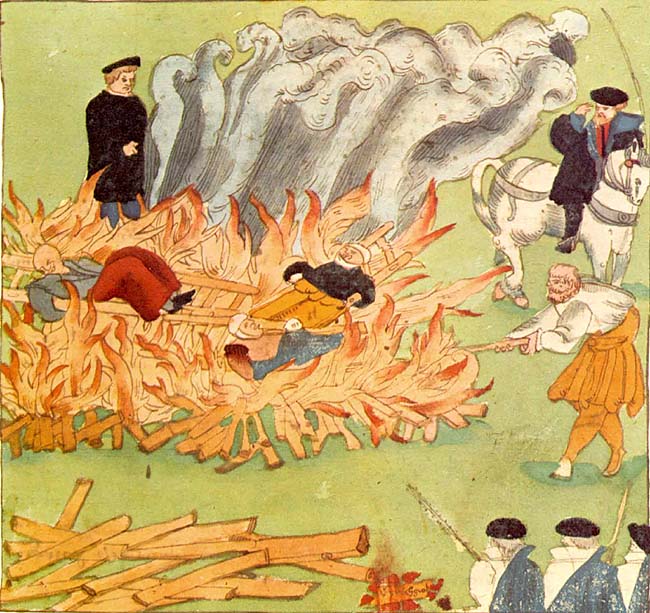 🇩🇪 GermanyMalleus Maleficarum
A 15th-century treatise on witchcraft that shaped European legal persecution.Text · Cursing and harm · Power and authority Historical
 🇪🇸 Spain and 1 moreAlonso de Salazar Frías
An inquisitor who used evidence to stop witch executions in SpainBelief Historical
 🇫🇷 FranceThree Books of Occult PhilosophyDe occulta philosophia libri III
A Renaissance treatise on elemental, celestial, and divine magic by Heinrich Cornelius AgrippaText · Healing · Protection Historical
🇫🇮 Finland and 1 moreWitch trials in Finland
A historical record of sorcery prosecutions in Finland under Swedish rule.Belief · Cursing and harm Historical
 🇫🇷 FranceÉliphas Lévi
A French writer who shaped modern occult thought and ceremonial magic.Figure · Power and authority · Change and initiation Historical
 🇮🇹 Italy and 3 moreRenaissance magic
A 15th and 16th century revival of magical arts blending philosophy, astrology, and hidden knowledge.Tradition · Power and authority · Seeing and foretelling Historical
🇫🇷 France and 3 moreChristian Kabbalah
A Renaissance effort to read Christian theology into Jewish mysticismTradition · Speaking with spirits and the dead · Cursing and harm Historical
 🇩🇪 GermanyWürzburg witch trials
A mass execution of hundreds in a German Catholic principality during the Thirty Years WarBelief · Cursing and harm Historical
 🇪🇬 EgyptLucifer
A Latin name for the planet Venus that became an epithet for the Devil in Christian traditionFigure · Cursing and harm Historical
 🇫🇷 France and 4 moreWitch trials in the early modern period
A wave of prosecutions across Europe and British America from the 1400s to the late 1700s.Tradition · Cursing and harm Historical
🇬🇧 United Kingdom and 1 moreScottish folkloreBeul-aithris na h-Alba
The myths, creatures and beliefs of the Scottish people, recorded from ancient times to the present.Tradition · Seeing and foretelling · Protection Living
 🇮🇹 ItalyMarsilio Ficino
A Renaissance priest and philosopher who revived Plato and blended astrology with Christian theology.Text · Speaking with spirits and the dead · Healing Historical
 🇪🇬 EgyptDemon
A supernatural entity believed to cause harm or possess humansBeing · Cursing and harm · Speaking with spirits and the dead Historical
 🇮🇳 India and 3 moreSpirit
An invisible force or soul found in many cultures, linked to gods, humans, and nature.Being · Speaking with spirits and the dead · Power and authority Living
🇫🇷 FranceLouviers possessions
A seventeenth-century French convent case of mass demonic possession and witchcraft accusationsBelief · Cursing and harm Historical
 🇮🇹 ItalyArcheosofica
A school of esoteric Christianity founded in Rome that teaches ascetic disciplines and magical theory.Tradition · Power and authority · Speaking with spirits and the dead Living
🇮🇪 IrelandEarly Irish astrology
The study of celestial cycles in early Ireland, blending native observation with Christian and continental learning.Tradition · Seeing and foretelling · Luck and prosperity Historical
🇮🇪 IrelandLorica
A Hiberno-Scottish monastic prayer for protection against evilText · Protection Historical
 🇮🇱 Israel and 4 moreAngelמלאך
A supernatural messenger or intermediary spirit found in many religious traditions.Being · Speaking with spirits and the dead · Protection Living
 🇮🇹 Italy and 1 morePalladiumΠαλλάδιον (Palladion)
A wooden statue of Athena said to protect cities, stolen from Troy and brought to Rome.Charm · Protection Historical
 🇬🇷 Greece and 4 moreTutelary deity
A guardian spirit or god assigned to protect a specific place, person, or group.Being · Protection Living
 🇮🇱 Israel and 5 moreAstaroth
An arch-demon in Western occultism, derived from the ancient goddess Astarte.Being · Power and authority · Cursing and harm Historical
 🇫🇷 FranceTitivillus
A medieval demon who collects scribal errors and liturgical mistakes in a sack.Being · Cursing and harm Historical
 🇬🇷 GreeceGelloΓελλώ
A Greek demon of infancy and a class of beings blamed for infant death.Being · Cursing and harm · Protection Historical
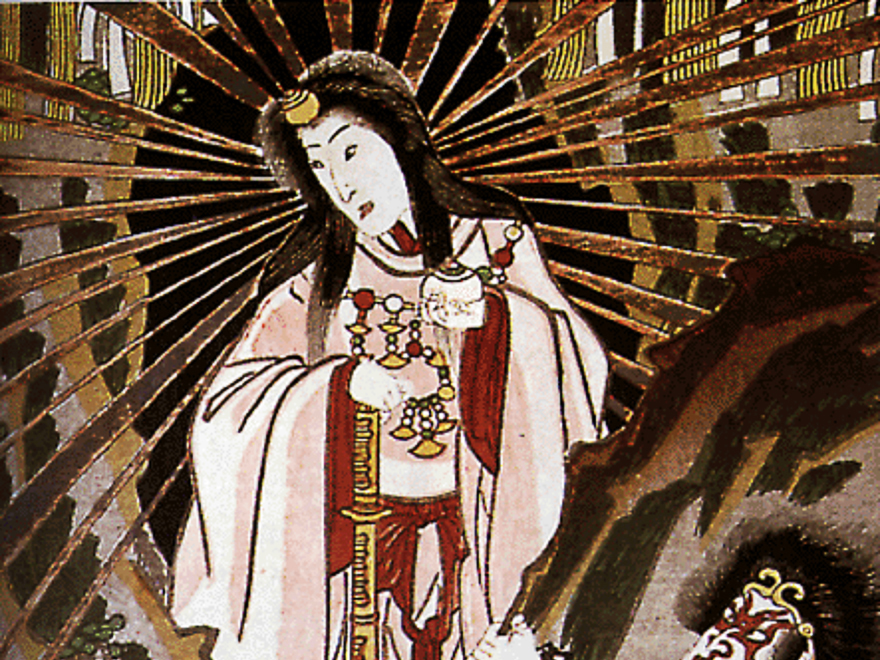 🇯🇵 JapanAkuma悪魔(あくま)
An evil spirit in Japanese folklore, later used for Satan in ChristianityBeing · Cursing and harm Historical
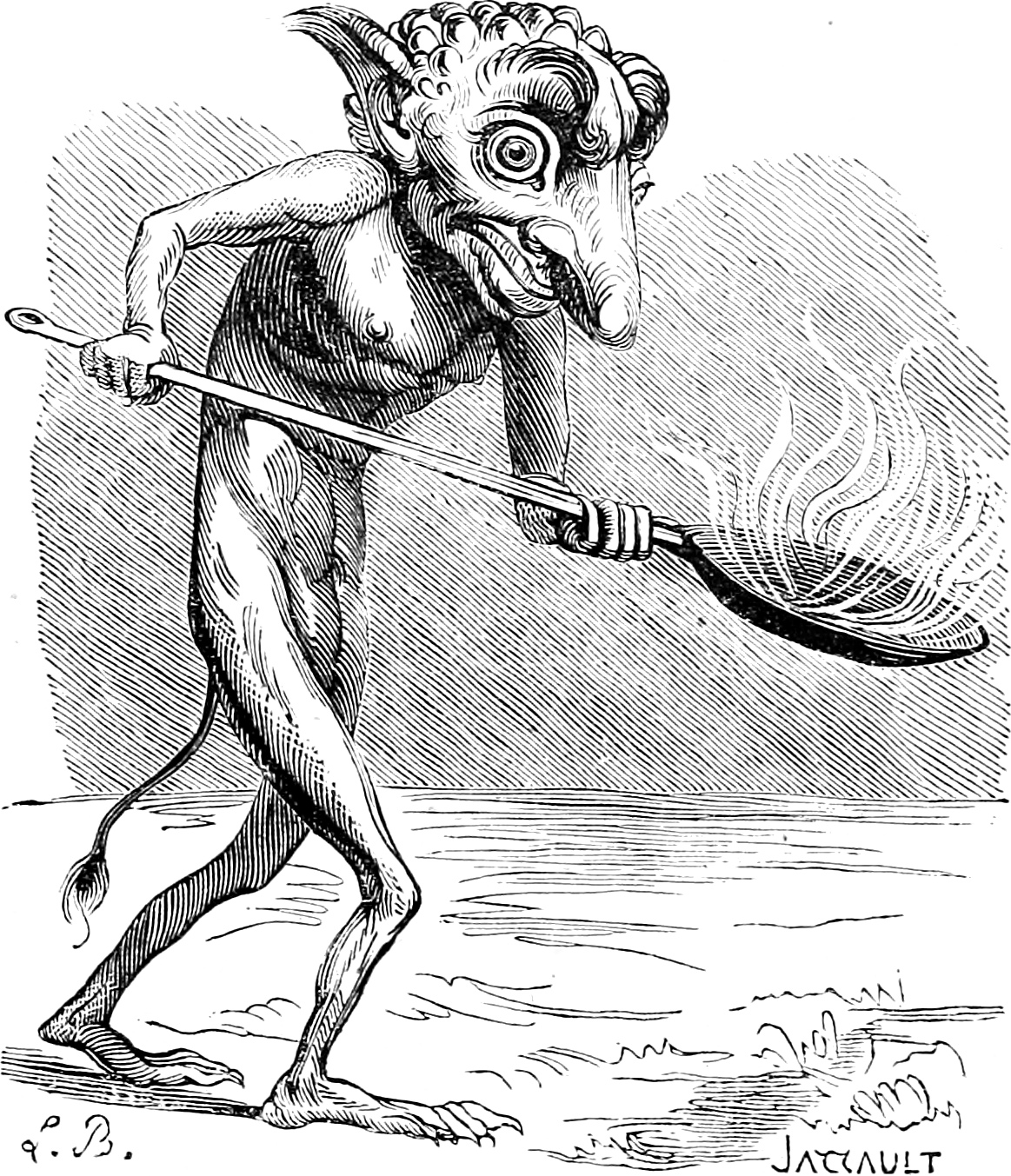 🇫🇷 FranceDictionnaire Infernal
A French demonology book cataloguing spirits and their hierarchies with engravings.Text · Power and authority Historical
🇮🇱 Israel and 1 moreTerritorial spirit
A belief that demons or angels rule over specific lands and nations.Belief · Cursing and harm · Power and authority Living
 🇫🇷 France and 1 moreDusios
A Gaulish spirit type later classified as an incubus demon by early Christian writersBeing · Cursing and harm · Power and authority Historical
 🇮🇸 Iceland and 3 moreDeal with the Devil
A cultural trope of trading one's soul for worldly favours in exchange for demonic aidBelief · Power and authority · Cursing and harm Historical
 🇬🇷 GreeceMusica universalis
The idea that the planets move in musical proportions, silent to the earBelief Historical
🇸🇾 Syria and 1 moreLots of the ApostlesSortes Apostolorum
A Christian divination text based on casting lots to seek guidance from the apostles.Text · Seeing and foretelling Historical
 🇲🇹 Malta and 2 moreDevotional medal
Small metal pieces made and worn for Christian devotionCharm · Protection Living
🇺🇸 United States and 5 moreVanishing hitchhiker
An urban legend where a motorist picks up a passenger who vanishes, often leaving behind proof of their death.Belief · Seeing and foretelling · Wonder and entertainment Living
 🇮🇱 Israel and 2 moreSolomonשְׁלֹמֹה
A biblical king of Israel known for wisdom and temple building, later viewed as a magician.Figure · Wonder and entertainment Historical
🇫🇷 FranceAix-en-Provence possessions
17th-century French convent cases of alleged demonic possessionBelief · Cursing and harm Historical
 🇨🇭 SwitzerlandA Book on Nymphs, Sylphs, Pygmies, and Salamanders, and on the Other SpiritsEx Libro de Nymphis, Sylvanis, Pygmaeis, Salamandris et Gigantibus, etc
Paracelsus's late treatise on the spirits of the four classical elementsText · Speaking with spirits and the dead · Seeing and foretelling Historical
 🇮🇱 Israel and 1 moreUnclean spiritπνεῦμα ἀκάθαρτον (pneuma akatharton)
A spirit of impurity in biblical belief, driven out by breath, smoke and wordsBeing · Cleansing and purification · Cursing and harm Living
 🇮🇳 India and 1 moreDamnation
A state of divine punishment or separation from the sacred after deathBelief · Cursing and harm Living
 🇪🇹 Ethiopia and 2 moreChristian demonology
How Christian writers mapped demons: their fall, numbers, bodies and tricksTradition · Protection · Cleansing and purification Living
 🇩🇪 Germany and 1 moreReligious aspects of Nazism
The study of how Nazi ideology borrowed religious forms and esoteric beliefs to build a political movement.Tradition · Power and authority · Cursing and harm Historical
Photo credits on this page
The small pictures above come from Wikimedia Commons under free licences. Some are cropped to fit.
- Alonso de Salazar Frías: Oscar Montañés, CC BY-SA 4.0, source
- Three Books of Occult Philosophy: Heinrich Cornelius Agrippa, Public domain, source
- Éliphas Lévi: Eliphas Lévi [1810-1875], Public domain, source
- Renaissance magic: Unknown author, Public domain, source
- Würzburg witch trials: Sweet Chily, Public domain, source
- Lucifer: Gustave Doré, Public domain, source
- Witch trials in the early modern period: Johann Jakob Wick, Public domain, source
- Marsilio Ficino: Marsilio Ficino, Public domain, source
- Angel: Unknown author, CC0, source
- Dusios: Eric Hunt, CC BY-SA 2.5, source
- Brownie: Unknown author, CC BY-SA 2.5, source
- Damnation: Didier Descouens, Public domain, source
- Christian demonology: Attributed to Michelangelo, Public domain, source
- Religious aspects of Nazism: Unknown author, CC BY-SA 3.0 de, source
- Titivillus: Andrewrabbott, CC BY-SA 4.0, source
- Akuma: Utagawa Kunisada (歌川国貞), Public domain, source
- Lotan: Gustave Doré, Public domain, source
- Palladium: Marie-Lan Nguyen ( Jastrow ), Public domain, source
- Gello: Filippino Lippi, Public domain, source
- Deal with the Devil: Christoph, Public domain, source
- Musica universalis: Ebenezer Sibly [1], Public domain, source
- Devotional medal: Xhienne, CC BY-SA 3.0, source
- Solomon: Simeon Solomon, CC0, source
- A Book on Nymphs, Sylphs, Pygmies, and Salamanders, and on the Other Spirits: A.Hirschvogel, Public domain, source
- Unclean spirit: David Shankbone, CC BY-SA 3.0, source
- Archeosofica: Unknown author, Public domain, source
- Demon: Martin Schongauer, Public domain, source
- Spirit: Jastrow, Public domain, source
- Astaroth: M. Jarrault, Public domain, source
- Dictionnaire Infernal: Louis Le Breton, Public domain, source
- Directorium Inquisitorum: Nicolás Eymerich, Public domain, source
- Punxsutawney Phil: Anthony Quintano, CC BY 2.0, source
- Cotton Mather: Peter Pelham, Public domain, source
- Holy well: The Speckled Bird, CC BY-SA 4.0, source
- Kardecist Spiritism: Coprosme, CC BY-SA 4.0, source
- Malleus Maleficarum: Johann Jakob Wick, Public domain, source