
Palladium
In its own language: Παλλάδιον (Palladion)
from Pallas Athena, the goddess the statue represents
A wooden statue of Athena said to protect cities, stolen from Troy and brought to Rome.
The Palladium is a wooden statue of Pallas Athena in Greek and Roman myth, believed to hold the safety of Troy and later Rome in its keeping. It fell from heaven and was stolen by Greek heroes, eventually arriving in Rome where it guarded the state as a sacred pledge of rule.
- Wooden statue of Athena fell from heaven
- Safety of Troy and Rome depended on it
- Stolen by Odysseus and Diomedes
- Guarded by Vestal Virgins in Rome
- Word now means any protective object
What it is
The Palladium is a wooden statue of the goddess Pallas Athena, central to Greek and Roman myth. It is said to have fallen from the sky and served as a talisman whose presence ensured the safety of Troy and later Rome. The object appears in legends about the Trojan War and the founding of Rome. Today, the word describes any object or person believed to offer protection.
Where it comes from
Myths say the statue was made by Athena after the death of her companion Pallas. It fell from heaven when Ilus, founder of Troy, prayed for a sign. Some scholars note these early images may reflect older, faceless stone pillars before the goddess took human form. The statue linked Troy to the mysteries of Samothrace through the figure of Elektra.
How it is done
In Rome, the statue was kept in the Temple of Vesta and guarded by the Vestal Virgins. In Athens, a similar wooden image was worshipped on the Acropolis. Priestesses washed it annually during the Plynteria festival and dressed it in a new woolen robe at the Panathenaea. During sieges, such objects were carried in processions around city walls.
Tools and materials
The primary tool is the xoanon, a carved wooden effigy. Ritual care involved a gold lamp burning before it, a bronze palm tree covering, and a woven woolen peplos garment. These items marked the statue as holy and maintained its connection to the divine.
Palladium, drawn and placed
- Living
- Revived
- Fading
- Historical
- Legendary
- Performed
- Lineage
- Classical antiquity, Greek and Roman mythology
- Timing
- annually, during sieges, at city founding
What it is for
Its main intent was to protect a city from destruction. In Rome, it was considered a pledge of imperial power. Possession of the statue meant the city could not fall. Leaders sought to keep it safe to ensure the survival of their people and their rule.
Who does it
The statue was tended by religious specialists. In Rome, the Vestal Virgins held custody. In Athens, priestesses performed the washings. Heroes like Odysseus and Diomedes acted as thieves in the myths, while emperors and generals moved it for political reasons.
Peoples and places
The tradition belongs to the Greeks and Romans. It features in stories of Trojans, Athenians, and Latins. Later Christian communities adopted the concept for their own relics, using similar objects to protect cities and nations.
At a glance: who, where and when
Belief worlds
Occasions


What people believe
Ancient people believed the statue had divine origin and power. They held that the city's survival depended on its physical presence. Removing it caused peril, while protecting it guaranteed safety. Touching it improperly could bring blindness.
When it is done
Events included the annual Plynteria washing and the grand Panathenaea feast. It was also invoked during crises like fires in the temple or military sieges. The statue was central to the religious life of the cities that housed it.
How scholars and sceptics see it
Modern researchers view the Palladium as a key symbol of civic identity. Anthropologists suggest it represents early nature worship before anthropomorphic gods. Historians track its movement through texts like Virgil and accounts of Roman emperors.
Cautions and what is closed
Legends warn of dangers associated with the statue. King Ilus went blind for touching it. Lucius Caecilius Metellus lost his sight rescuing it from fire. Odysseus and Diomedes nearly killed each other over the theft.
Compare and confuse
The Palladium is often compared to other tutelary statues that guard cities. The term has shifted from a specific wooden idol to a general word for any protector. Christian relics serve a similar function in later traditions.
Law and persecution
The statue was a sacred token of Roman rule. Emperors moved it to assert authority, such as Elagabalus placing it in his shrine or rumors of Constantine moving it to Constantinople.
Today
Since the sixteenth century, the word palladium applies to any safeguard. In Christian times, icons and relics served this protective role, carried in processions against enemies.
Questions people ask about Palladium
What is the Palladium?
It is a wooden statue of Pallas Athena in Greek and Roman myth, believed to protect the cities of Troy and Rome from destruction.
Where did the Palladium come from?
Myths say it was fashioned by Athena and fell from heaven when Ilus, founder of Troy, prayed for a sign of the city's future.
Who stole the Palladium from Troy?
Greek heroes Odysseus and Diomedes stole the statue from the citadel of Troy during the Trojan War to prevent the city from falling.
Why was the Palladium important to Rome?
Rome believed the statue guaranteed its safety and rule. It was kept in the Temple of Vesta and treated as a sacred pledge of imperial power.
What does the word mean today?
Since the sixteenth century, 'palladium' describes any object or person believed to provide protection or safety for a community.
Good reading and sources
- Palladium (classical antiquity) on WikipediaEncyclopedia
- More photos on Wikimedia CommonsPhotos and video
- Wikidata recordOpen data
The facts on this page come from the Wikipedia article "Palladium (classical antiquity)", written by its contributors and used under the CC BY-SA 4.0 licence, and from its Wikidata record (CC0). EveryJaadu rewrote the text in its own words, with AI assistance, and compares every page with the article to make sure no passage is copied. It may be reused under the same CC BY-SA 4.0 licence with a link back.
It may contain mistakes. Names and customs differ from one community to the next, and some knowledge is closed to outsiders and left out here. This page describes belief and practice. It does not say that any of it works, it is not a how-to, and it is not medical advice. If something is wrong, tell us. Last refreshed 2026-10-06.
More from Italy
All the entries from Italy 🇮🇹 Italy and 5 morePrecious coral
A marine skeleton harvested for jewelry and worn as a protective charm in several culturesSubstance · Protection · Healing Living
🇮🇹 Italy and 5 morePrecious coral
A marine skeleton harvested for jewelry and worn as a protective charm in several culturesSubstance · Protection · Healing Living
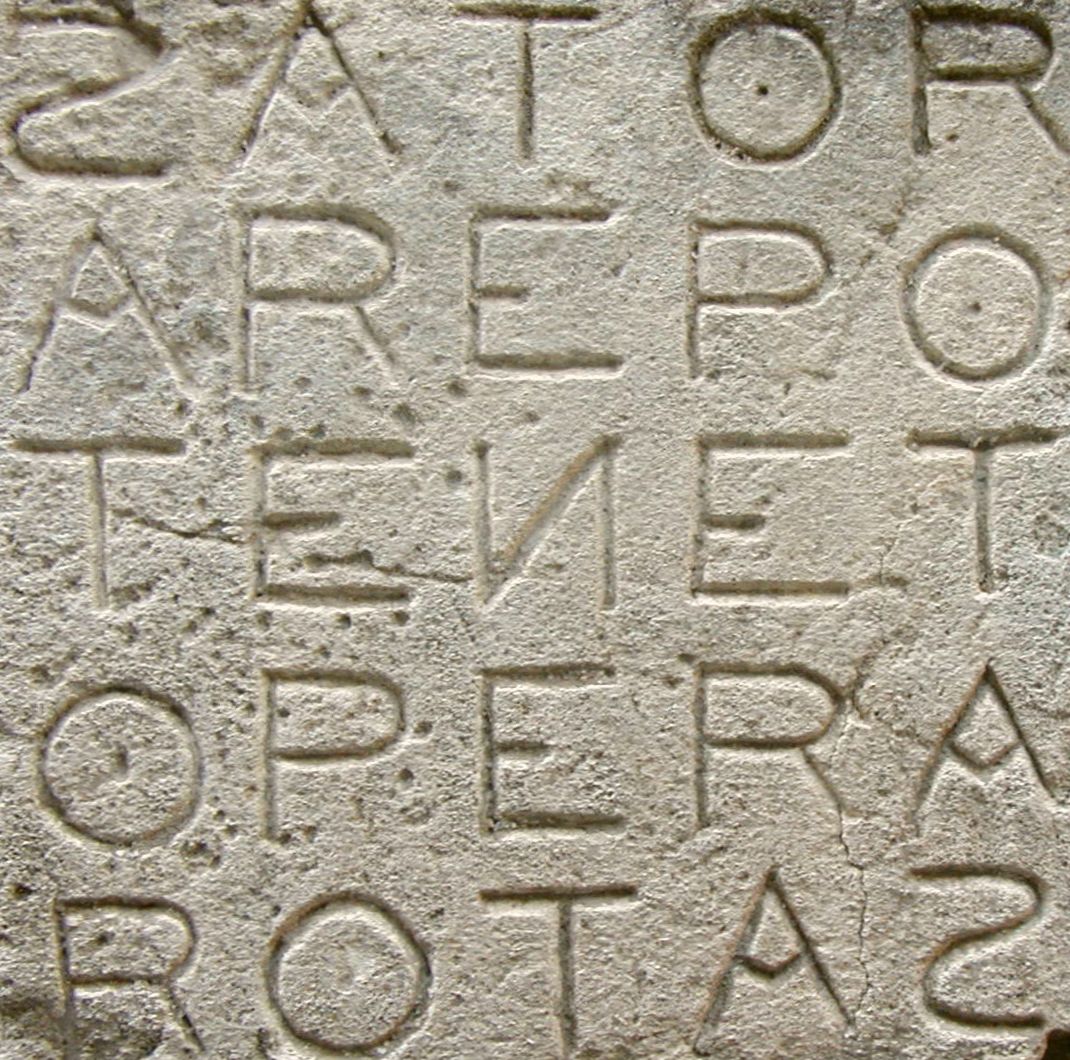 🇮🇹 Italy and 5 moreSator Square
A five-word Latin palindrome found in Roman ruins and medieval churchesCharm · Protection · Healing Historical
🇮🇹 Italy and 5 moreSator Square
A five-word Latin palindrome found in Roman ruins and medieval churchesCharm · Protection · Healing Historical
 🇮🇹 Italy and 5 moreRelic
An object or body part kept to honor a holy person and mark their connection to the divineCharm · Protection · Healing Living
🇮🇹 Italy and 5 moreRelic
An object or body part kept to honor a holy person and mark their connection to the divineCharm · Protection · Healing Living
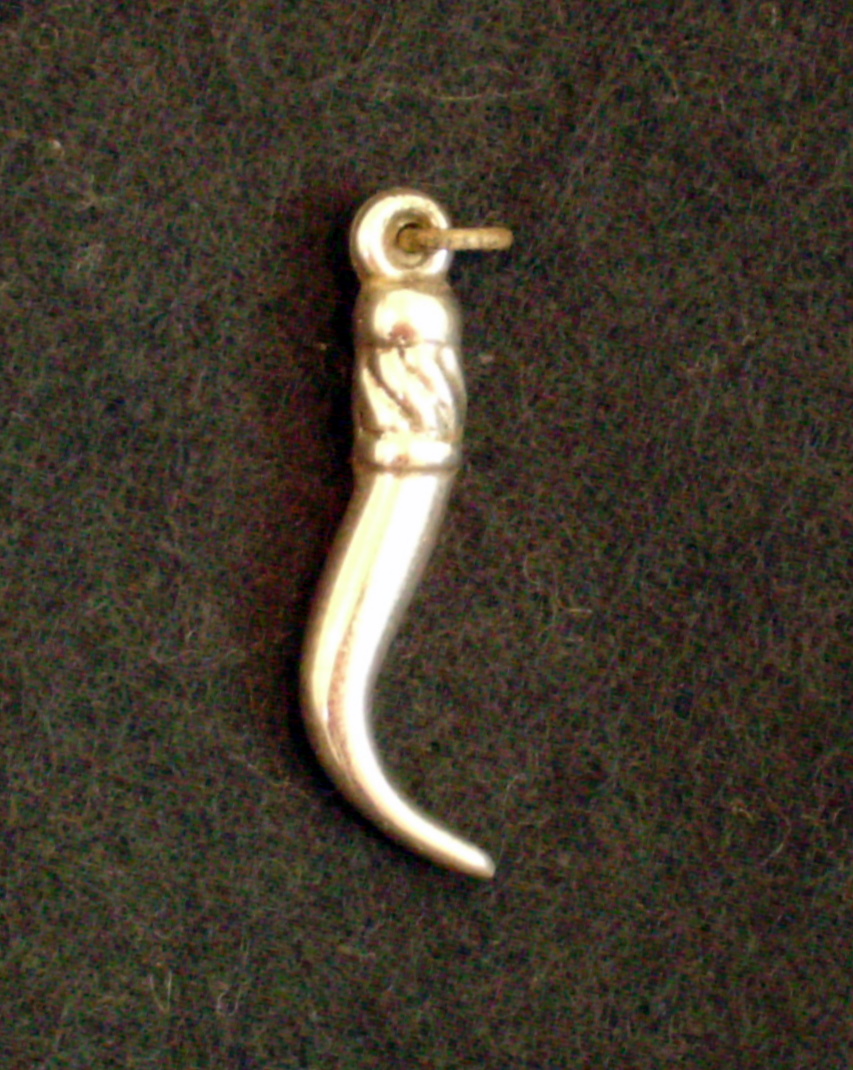 🇮🇹 ItalyCornicello
A twisted horn charm worn in Italy to ward off the evil eye and invite luck.Charm · Protection · Luck and prosperity Living
🇮🇹 ItalyCornicello
A twisted horn charm worn in Italy to ward off the evil eye and invite luck.Charm · Protection · Luck and prosperity Living
Related elsewhere
All charm 🇪🇬 Egypt and 1 moreSphinx
A mythical hybrid with a human head and lion body, serving as guardian or riddler in Egyptian and Greek traditions.Being · Protection · Wonder and entertainment Legendary
🇪🇬 Egypt and 1 moreSphinx
A mythical hybrid with a human head and lion body, serving as guardian or riddler in Egyptian and Greek traditions.Being · Protection · Wonder and entertainment Legendary
 🇪🇬 Egypt and 3 moreAmulet
A portable object worn or carried to ward off harm and invite fortuneCharm · Protection · Luck and prosperity Living
🇪🇬 Egypt and 3 moreAmulet
A portable object worn or carried to ward off harm and invite fortuneCharm · Protection · Luck and prosperity Living
 🇨🇳 China and 3 moreChinese dragon龍
A legendary water deity and imperial symbol in East Asian cultureBeing · Protection · Luck and prosperity Historical
🇨🇳 China and 3 moreChinese dragon龍
A legendary water deity and imperial symbol in East Asian cultureBeing · Protection · Luck and prosperity Historical
 🇮🇳 India and 2 moreHomaहोम
A fire ritual found across Asian religions where offerings are burned as a votive exchange with the divine.Rite · Protection · Speaking with spirits and the dead Living
🇮🇳 India and 2 moreHomaहोम
A fire ritual found across Asian religions where offerings are burned as a votive exchange with the divine.Rite · Protection · Speaking with spirits and the dead Living