Folk healers
Curanderos, sangomas, hakims and the village healer, who mix remedy and ritual.
Folk healers are the people communities turn to when someone is ill: the curandero and curandera of Mexico and the Andes, the sangoma and inyanga of southern Africa, the hakim of the Islamic world, the vaidya of India, the bone-setter, the village midwife and the Siberian shaman. They combine remedies, ritual and counsel. This page describes them as tradition, not as medical advice, and illness needs real medical care. They are found in every society and are usually the nearest source of help.
What healers do
A healer listens to a person's story, names the trouble, and prescribes a course that may involve plants, diet, prayer, cleansing, a gathering of kin, or a sacrifice. The framing often covers the family and the spirit as well as the body. Healers are frequently the first and sometimes the only help available in places far from clinics. Treatments often involve plants, massage, steam, prayer, fasting and dietary rules, and the healer's own reputation counts for a great deal.
Who becomes one
Some healers inherit the role, some are called by ancestors, and some train as apprentices. Women are prominent as midwives, herbalists and spirit healers, though status and income often go to male specialists and licensed practitioners. In Latin America, curanderos draw on Catholic saints, Indigenous plant knowledge and Spanish folk medicine. In Ethiopia, the debtera works with scrolls and church learning. Some healers are called through illness themselves, which is described as a mark that they can heal others.
States and doctors
Law treats healers in different ways. India's AYUSH ministry supports Ayurveda, Unani and others. South Africa passed a Traditional Health Practitioners Act in 2007. Elsewhere, healers face police action under witchcraft or quackery laws, and in colonial times many were banned outright. Doctors sometimes work with healers, for instance in HIV outreach in Africa. Healers in some regions are also asked to settle family quarrels, since illness is held to follow from tension in the household.
Harm and caution
Harm can come from delay, from unsafe substances, from sexual or financial abuse of patients, and from fraud. Exorcism of mental illness has led to deaths. Anthropologists add that healing rites can bring comfort and social support that clinics sometimes lack. Anyone with a serious symptom should see a qualified clinician, whatever other help they seek. In places where clinics are far away, a healer may deliver babies, set bones and treat fever, and the quality of that care varies widely.
Folk healers on EveryJaadu
The entries written up so far, best known first.
 🇬🇷 Greece and 5 moreNecromancy
A form of divination that seeks to speak with the dead for hidden knowledge.Tradition · Seeing and foretelling · Power and authority Historical
 🇺🇸 United StatesNavajo medicine
Traditional healing practices of the Navajo people focused on restoring harmonyTradition · Healing · Protection Living
 🇺🇸 United StatesKahuna
A Hawaiian expert or priest, keeper of hidden knowledge in craft and spiritTradition · Healing · Seeing and foretelling Living
 🇺🇸 United StatesGhost DanceNanissaanah
A circular movement seeking spiritual renewal and reunion with ancestorsRite · Speaking with spirits and the dead · Change and initiation Living
 🇨🇱 Chile and 1 moreCultrunkultrung
A ceremonial drum central to Mapuche spiritual practice and identity in Chile and ArgentinaTradition · Healing · Protection Living
🇬🇧 United KingdomCharmer
English folk healers who used gifts or verses to treat natural ailments without chargeTradition · Healing Historical
 🇲🇽 Mexico and 3 moreCurandero
A folk healer in Latin America and the United States who blends indigenous and Catholic traditions.Tradition · Healing · Protection Living
🇵🇭 PhilippinesAlbularyo
A Filipino folk healer who uses herbs, massage, and rituals to treat illness.Tradition · Healing · Seeing and foretelling Living
 🇨🇺 Cuba and 5 moreBrujería
A syncretic blend of Indigenous, African and Catholic folk magic across Latin America and the CaribbeanTradition · Healing · Protection Living
 🇨🇳 China and 1 moreBagua八卦
A set of eight trigram symbols from China used in divination, philosophy, and feng shui.Tradition · Seeing and foretelling · Protection Living
 🇳🇬 Nigeria and 1 moreBoriBòòríí
A traditional Hausa spirit possession system and healing practice in West AfricaTradition · Healing · Protection Living
 🇲🇲 MyanmarBurmese folk religionNat Worship
Animistic worship of nature spirits and ancestors in Myanmar, often practiced alongside Buddhism.Tradition · Protection · Luck and prosperity Living
🇺🇸 United StatesBraucherei
A Pennsylvania German folk healing tradition using prayers and gestures to cure illness and remove curses.Tradition · Healing · Protection Fading
🇯🇲 Jamaica and 1 moreMyal
An Afro-Jamaican healing tradition rooted in Arawak and Akan spiritualityTradition · Healing · Protection Living
 🇬🇧 United Kingdom and 4 moreCunning folk
European practitioners of folk medicine and helpful magic from the Middle Ages to the twentieth centuryTradition · Protection · Healing Historical
🇨🇫 Central African Republic and 5 moreWitchcraft in Africa
Beliefs about supernatural harm and the social responses to accusations across the continentBelief · Cursing and harm · Protection Living
 🇪🇹 Ethiopia and 5 moreZārزار (Arabic), ዛር (Ge'ez)
A spirit possession tradition and healing ritual in the Horn of Africa and Middle EastTradition · Healing · Speaking with spirits and the dead Living
 🇯🇲 Jamaica and 5 moreObeah
A Caribbean tradition of ritual healing and spell-casting with African rootsTradition · Protection · Healing Living
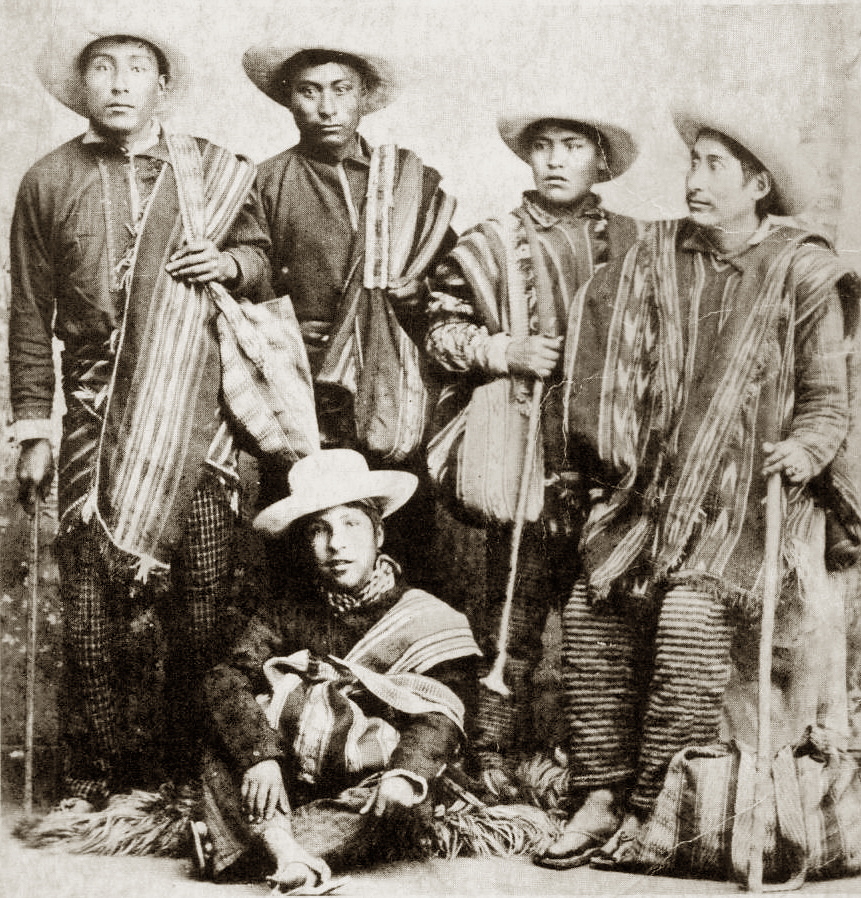 🇧🇴 Bolivia and 5 moreKallawaya
An itinerant group of traditional Andean healers known for their medicinal plant knowledge and ritual practicesTradition · Healing · Protection Living
 🇿🇦 South Africa and 5 moreTraditional healers of Southern Africa
Practitioners who blend herbal medicine with ancestral divination in Southern AfricaTradition · Healing · Protection Living
 🇺🇸 United States and 4 moreRainmaking
Efforts to force rain through technology, ritual, or trickeryTradition · Protection · Luck and prosperity Living
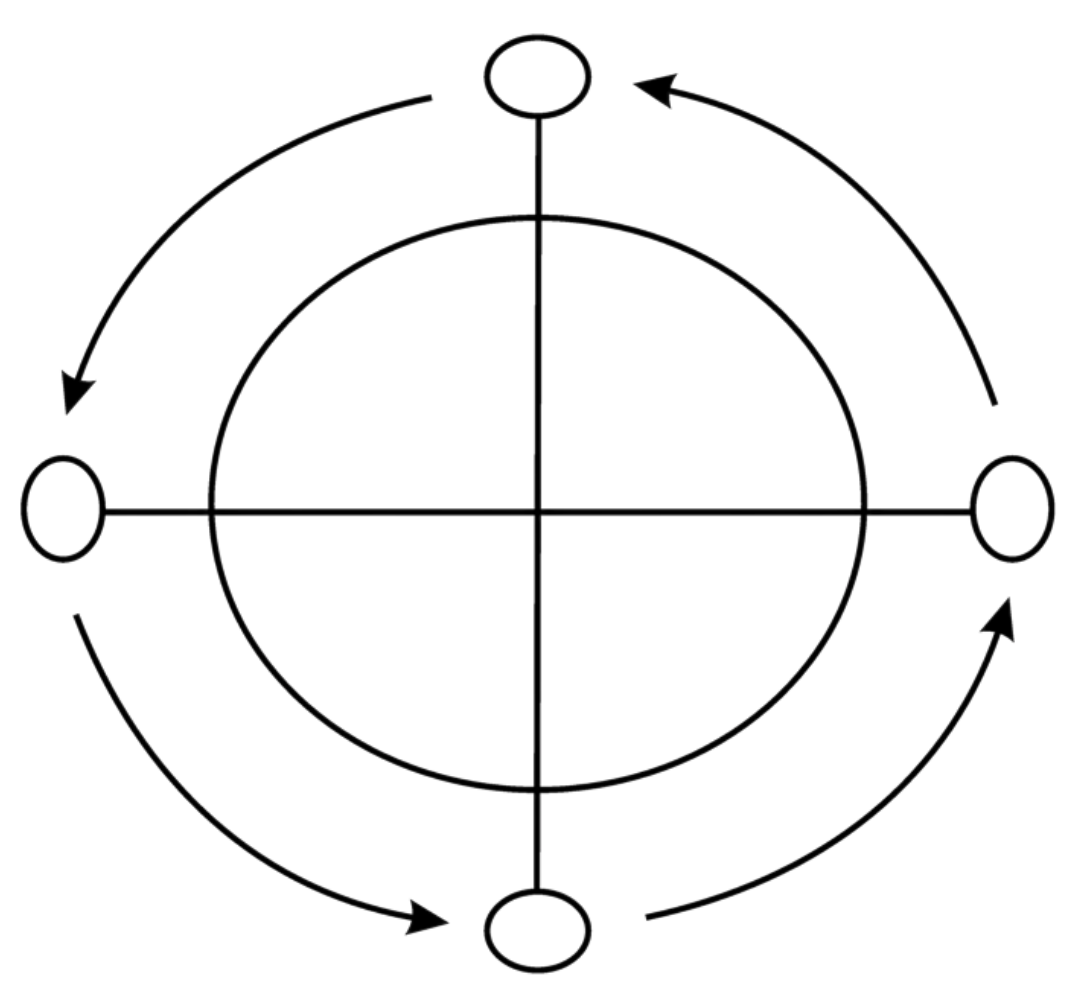 🇨🇩 Democratic Republic of the Congo and 4 moreNganga
A spiritual healer and ritual specialist in Kongo religion and its diaspora traditionsTradition · Healing · Seeing and foretelling Living
 🇿🇦 South Africa and 4 moreWitch doctor
A traditional healer who identifies supernatural causes of illness and performs rituals to restore balance.Tradition · Healing · Protection Living
 🇨🇺 Cuba and 4 moreSanteríaRegla de Ocha
An Afro-Cuban religion blending Yoruba spirits with Catholic saintsTradition · Protection · Healing Living
 🇮🇩 Indonesia and 2 moreDukun
A traditional healer and spirit medium in Indonesian folk practiceTradition · Healing · Seeing and foretelling Living
 🇵🇭 PhilippinesWitchcraft in the Philippinespangkukulam
Indigenous beliefs about sorcery and malevolent magic in the PhilippinesTradition · Cursing and harm · Healing Living
 🇬🇷 Greece and 2 moreMagic in the Greco-Roman world
Private supernatural practices in ancient Greece and Rome, distinct from public state religion.Tradition · Protection · Cursing and harm Historical
 🇨🇱 Chile and 1 moreMachi
Mapuche spiritual authorities and healers who bridge herbal knowledge and spirit realmsTradition · Healing · Speaking with spirits and the dead Living
🇺🇸 United StatesFolk healer
An unlicensed practitioner using traditional remedies and herbal knowledge to treat illness.Tradition · Healing · Protection Historical
 🇺🇸 United States and 3 moreHoodoo
A spiritual tradition of the African diaspora in the American South using herbs and charms for protection and justice.Tradition · Protection · Healing Living
 🇹🇳 TunisiaStambeli
A Tunisian music and possession rite practiced by Black communities of slave descentTradition · Healing · Protection Living
 🇨🇳 China and 5 moreRegional forms of shamanism
A global overview of indigenous spirit-interaction practices across Asia and the Americas.Tradition · Healing · Speaking with spirits and the dead Living
 🇬🇧 United Kingdom and 1 moreMagic in Anglo-Saxon Englandgaldorcræft
Healing charms and protective rituals practiced by early English tribesTradition · Healing · Protection Historical
 🇨🇳 China and 1 moreShamanism in the Qing dynasty
State-managed rituals of the Manchu rulers and their shamansTradition · Protection · Healing Historical
 🇮🇷 Iran and 2 moreSuperstitions in Muslim societies
Beliefs in supernatural forces and charms found across the Islamic worldTradition · Protection · Healing Living
 🇮🇹 ItalySegnature
An Italian folk healing rite using gestures and prayers to cure illness and remove cursesRite · Healing · Protection Living
🇺🇸 United StatesGhost sickness
A grief illness blamed on ghosts or witches, from North America to PolynesiaBelief · Healing · Cleansing and purification Living
 🇲🇿 Mozambique and 1 moreNdau witchcraft and sorcery
A system of spirit belief and traditional healing among the Ndau people of Mozambique and ZimbabweTradition · Healing · Protection Living
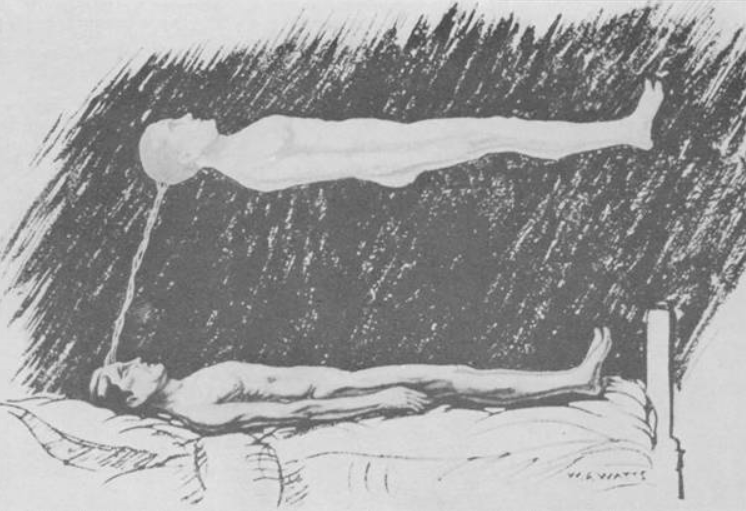 🇮🇳 India and 3 moreAstral projection
An intentional out-of-body experience where consciousness travels through the astral planeTradition · Speaking with spirits and the dead · Change and initiation Living
 🇮🇳 India and 1 moreFolk practices in Punjab
Indigenous beliefs and rituals of the Punjabi people across India and PakistanTradition · Protection · Healing Living
 🇲🇾 MalaysiaBobohizan
A high priestess and spirit medium in the traditional rituals of the Kadazan-Dusun people of Sabah.Tradition · Healing · Protection Fading
 🇳🇿 New Zealand and 5 moreMokomokaiToi moko
Preserved Māori heads with facial tattoos, once traded as curios and now repatriated.Being · Cursing and harm · Power and authority Historical
 🇬🇷 Greece and 3 moreExorcist
A religious specialist who performs rites to remove alleged demonic possession from people or places.Tradition · Cursing and harm · Cleansing and purification Living
🇮🇹 ItalyWitchcraft in Italy
Inquisition trials, a fertility cult and love magic in early modern ItalyTradition · Protection · Healing Living
🇬🇾 Guyana and 3 moreComfa
A Guyanese folk religion blending African, Christian, and Asian traditions through spirit possession.Tradition · Speaking with spirits and the dead · Cursing and harm Living
Photo credits on this page
The small pictures above come from Wikimedia Commons under free licences. Some are cropped to fit.
- Witchcraft in the Philippines: The original uploader was Rodsan18 at English Wikipedia . ( Original t, CC BY 2.5, source
- Kahuna: Unknown author, Public domain, source
- Simbi: MiddleOfAfrica, CC BY-SA 4.0, source
- European witchcraft: Unknown author, CC BY 4.0, source
- Ghost Dance: Unknown author, Public domain, source
- Cultrun: Universidad Nacional de La Plata, CC BY 3.0, source
- Mokomokai: New Zealand Electronic Text Centre, Public domain, source
- Bori: Tremearne, A. J. N. (Arthur John Newman), 1877-1915, Public domain, source
- Bobohizan: Ricardo Unto, CC BY-SA 4.0, source
- Cunning folk: Midnightblueowl at English Wikipedia, CC BY-SA 3.0, source
- Shamanism in the Qing dynasty: A nineteenth-century team of editors., Public domain, source
- Zār: Emad Nemati, CC BY-SA 4.0, source
- Ndau witchcraft and sorcery: Mycelium101, CC BY-SA 3.0, source
- Kallawaya: Unknown author, Public domain, source
- Traditional healers of Southern Africa: Wizzy, CC BY-SA 3.0, source
- Rainmaking: George Catlin, Public domain, source
- Bald's Leechbook: Unknown, the Internet Archive scan is low quality, and some of the tex, Public domain, source
- Santería: Jorge Royan, CC BY-SA 3.0, source
- Dukun: Unknown author, CC BY-SA 3.0, source
- Astral projection: Hereward Carrington, Sylvan Muldoon., Public domain, source
- Superstitions in Muslim societies: Unknown author, CC0, source
- Machi: Unknown author, Public domain, source
- Folk healer: calliopejen, CC BY-SA 2.0, source
- Hoodoo: Hoodoowoman, CC BY-SA 4.0, source
- Magic in the Greco-Roman world: ArchaiOptix, CC BY-SA 4.0, source
- Necromancy: Unknown author, CC BY 4.0, source
- Stambeli: Youssefbensaad, CC BY-SA 4.0, source
- Regional forms of shamanism: Man Sing, Public domain, source
- Segnature: SeAnstapa, CC0, source
- Witch doctor: Lucjan Wędrychowski, Public domain, source
- Obeah: Various, published by David Nutt, Public domain, source
- Folk practices in Punjab: Veer jindal, CC BY-SA 3.0, source
- Burmese folk religion: Wagaung ( talk ), CC BY-SA 3.0, source
- Bagua: TarcísioTS at Portuguese Wikipedia, Public domain, source
- Exorcism: Francisco Goya, Public domain, source
- Navajo medicine: Edward S. Curtis, Public domain, source