Diviners and readers
Babalawos, astrologers, card readers and others who read signs.
Diviners and readers are the people who interpret signs: the Ifa babalawo, the sangoma with her bones, the astrologer, the tarot reader, the palm reader, the Chinese fortune-teller and the oracle priestess. They answer questions about marriage, business, illness and loss. This page looks at how they are trained, who they serve, how they are paid, and the line between guidance and fraud. Their trade is as old as writing.
Training and tools
Training varies. A babalawo studies for years and memorises thousands of verses. An astrologer in India may study classical texts or inherit a practice. A tarot reader may learn from books and a community. Tools include cowries, bones, cards, charts, shells, tea leaves and the lines of the hand. Most readers say their tools open a conversation, and some say a spirit speaks through them. Many keep a strict code of confidentiality, as a priest or counsellor would.
Clients and trust
Clients tend to come at moments of uncertainty. In India, astrologers are consulted for weddings and for names, and in West Africa Ifa is consulted for naming a child. Diviners often act as counsellors, hearing family stories and framing a decision. Some are trusted for decades, while others are strangers in a street, and the difference matters for how fraud is spotted. Fees range from a coin or a chicken to several hundred pounds, and a reading may be offered in a shop, a temple, a market stall or an app.
Regulation and religion
Rules vary widely. Some religious authorities forbid divination, and some states license or tax readers. Fortune-tellers have been prosecuted for fraud in the United States, the United Kingdom, India and elsewhere, particularly in cases that involve large payments to lift a curse. Others practise within religion and are protected, such as Ifa within Yoruba religion. Diviners often keep close to the dominant religion, and many Ifa and Vodou diviners are also baptised Christians.
How scholars read it
Psychologists describe cold reading, in which a reader draws on small cues. Anthropologists describe divination as a social process that can break deadlocks and share responsibility. Many diviners deny they predict the future and speak instead of showing possibilities. Advice on health, law or money from a reader is no replacement for qualified advice. Many say they are paid for their time and skill, as a counsellor might be, and not for any guarantee.
Diviners and readers on EveryJaadu
The entries written up so far, best known first.
 🇬🇷 Greece and 2 moreAstragalomancy
Divination by casting marked bones, carved rods, or numbered diceOracle · Seeing and foretelling · Speaking with spirits and the dead Living
 🇨🇺 Cuba and 4 moreSanteríaRegla de Ocha
An Afro-Cuban religion blending Yoruba spirits with Catholic saintsTradition · Protection · Healing Living
 🇨🇫 Central African Republic and 5 moreWitchcraft in Africa
Beliefs about supernatural harm and the social responses to accusations across the continentBelief · Cursing and harm · Protection Living
 🇬🇹 Guatemala and 3 moreMaya religion
The living spiritual practices of the Maya peoples, shaped by centuries of contact with Catholicism.Tradition · Protection · Healing Living
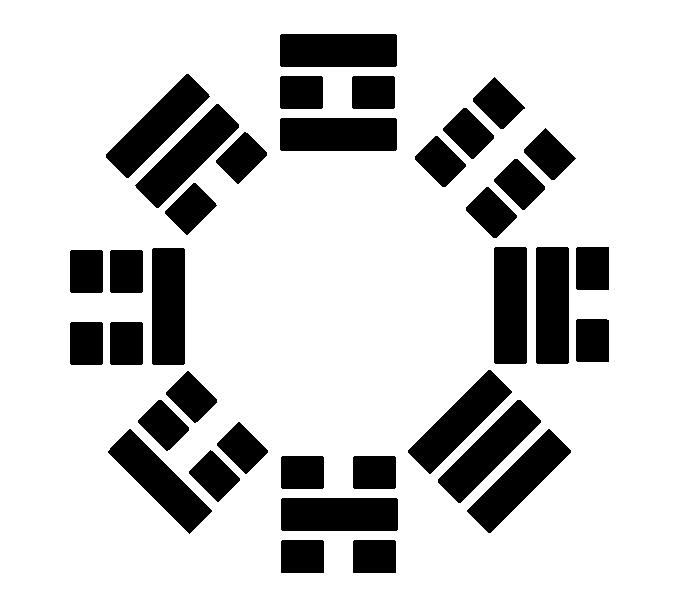 🇨🇳 China and 1 moreBagua八卦
A set of eight trigram symbols from China used in divination, philosophy, and feng shui.Tradition · Seeing and foretelling · Protection Living
 🇬🇧 United Kingdom and 4 moreCunning folk
European practitioners of folk medicine and helpful magic from the Middle Ages to the twentieth centuryTradition · Protection · Healing Historical
 🇨🇳 ChinaOracle bone甲骨
Divination using heated ox bones and turtle shells in ancient ChinaRite · Seeing and foretelling · Power and authority Historical
 🇬🇷 Greece and 1 moreOmen
A sign believed to foretell the future and signal coming changeBelief · Seeing and foretelling Historical
 🇸🇸 South Sudan and 2 moreAzande witchcraft
A hereditary power believed to cause harm through hatred and psychic force among the Azande people.Belief · Cursing and harm · Healing Living
 🇬🇷 Greece and 2 moreMagic in the Greco-Roman world
Private supernatural practices in ancient Greece and Rome, distinct from public state religion.Tradition · Protection · Cursing and harm Historical
🇨🇳 China and 4 moreQimen Dunjia奇門遁甲
An ancient Chinese divination system mapping time and space for strategic decision-makingOracle · Seeing and foretelling · Power and authority Revived
 🇮🇳 IndiaNechung Oracleགནས་ཆུང་ཏ་བླ་མ
The official prophetic medium and spiritual advisor to Tibet's Dalai LamaOracle · Seeing and foretelling · Protection Living
 🇪🇬 Egypt and 1 moreAncient Egyptian religion
Polytheistic worship, divine kingship, and funerary rites along the NileTradition · Protection · Speaking with spirits and the dead Historical
 🇨🇱 Chile and 1 moreMachi
Mapuche spiritual authorities and healers who bridge herbal knowledge and spirit realmsTradition · Healing · Speaking with spirits and the dead Living
 🇳🇬 Nigeria and 2 moreOpon IfáỌpọ́n Ifá
A carved wooden tray used by Yoruba diviners to read signs and consult spirits.Charm · Seeing and foretelling · Speaking with spirits and the dead Living
 🇨🇳 China and 1 moreScapulimancy
Divination using animal shoulder blades, practiced across Asia and the Americas.Oracle · Seeing and foretelling · Cursing and harm Living
 🇮🇱 Israel and 3 moreCleromancy
A divination method that uses random chance to reveal divine willOracle · Seeing and foretelling · Speaking with spirits and the dead Living
 🇨🇳 China and 5 moreKau chim求签
A divination method using numbered bamboo sticks to reveal poetic answers from deitiesOracle · Seeing and foretelling Living
 🇨🇩 Democratic Republic of the Congo and 4 moreNganga
A spiritual healer and ritual specialist in Kongo religion and its diaspora traditionsTradition · Healing · Seeing and foretelling Living
🇨🇺 Cuba and 5 moreBrujería
A syncretic blend of Indigenous, African and Catholic folk magic across Latin America and the CaribbeanTradition · Healing · Protection Living
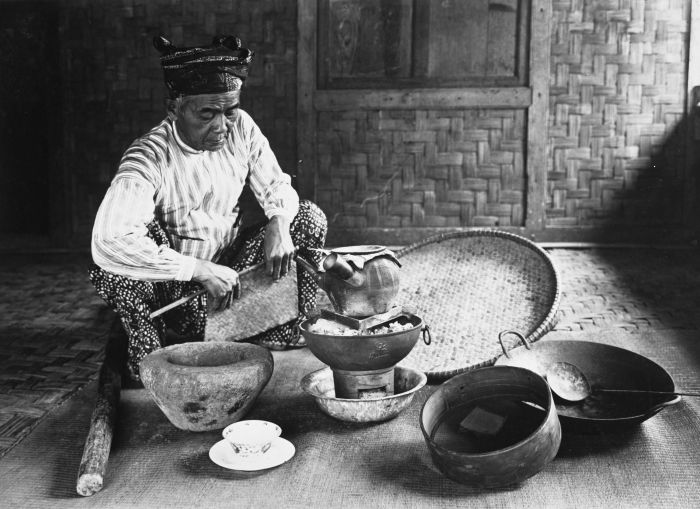 🇮🇩 Indonesia and 2 moreDukun
A traditional healer and spirit medium in Indonesian folk practiceTradition · Healing · Seeing and foretelling Living
 🇮🇷 Iran and 2 moreBibliomancy
Divination by opening a book at random and reading the first passage foundOracle · Seeing and foretelling · Power and authority Living
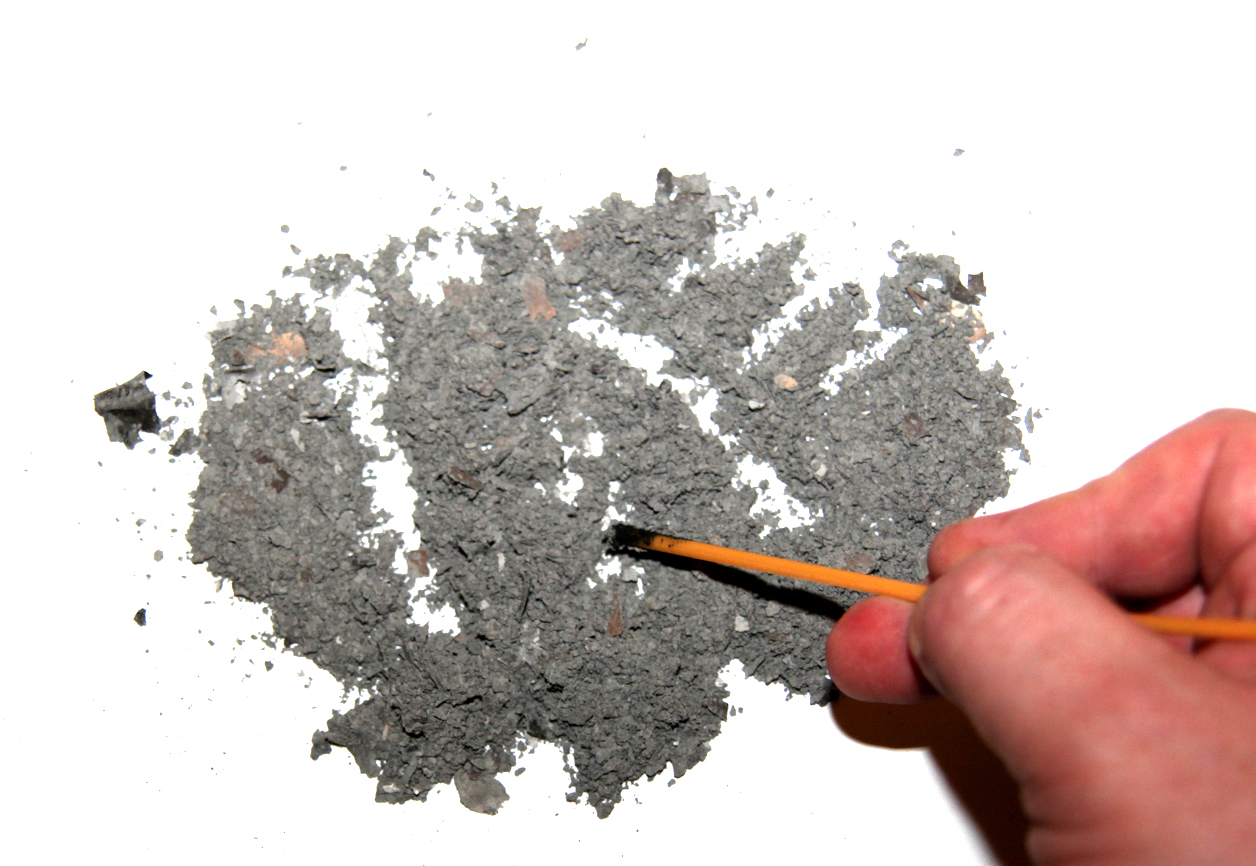 🇬🇷 Greece and 5 moreSpodomancy
Divination by reading omens in ashes, soot, and cindersOracle · Seeing and foretelling · Healing Living
 🇸🇾 SyriaAlectryomancy
Divination using a rooster to select letters from grainOracle · Seeing and foretelling Historical
🇬🇧 United KingdomTaghairm
A Scottish Gaelic divination rite using sensory deprivation and animal skins to summon spirits.Rite · Seeing and foretelling Historical
 🇨🇳 China and 5 moreChinese fortune telling算命 (Suànmìng)
Reading faces, palms, birth hours and places to map a person's luck through lifeTradition · Seeing and foretelling · Luck and prosperity Living
 🇺🇸 United States and 4 moreFortune-telling
A practice of predicting future events or personal details through various methods and tools.Rite · Seeing and foretelling · Power and authority Living
 🇸🇪 Sweden and 2 moreGermanic seeressvǫlva
Diviners and sorceresses of early Germanic and Norse societyTradition · Seeing and foretelling · Power and authority Revived
🇨🇬 Republic of the CongoNkisi
A Kongo spirit, and the object a spirit is held to live inBeing · Protection · Healing Living
🇸🇩 SudanBenge
A divination method among the Azande using a poisoned chicken to identify witches.Oracle · Cursing and harm Fading
 🇮🇹 Italy and 2 moreHaruspicy
Reading animal entrails to discern divine will and omensRite · Seeing and foretelling · Speaking with spirits and the dead Historical
 🇬🇷 GreeceWitchcraft in ancient Greece and Rome
Ancient beliefs and practices of magic, curses, and love charms in the Mediterranean worldTradition · Cursing and harm · Love and attraction Historical
 🇬🇷 Greece and 1 moreOomancy
Divination by eggs, reading shapes and signs to foresee events or diagnose spiritual statesOracle · Seeing and foretelling · Healing Living
 🇪🇬 Egypt and 5 moreAfrican divination
Methods used across the continent to understand present realities and predict future events.Oracle · Seeing and foretelling · Healing Living
 🇮🇷 Iran and 5 moreHippomancy
Divination through the movements, sounds, and tracks of horsesOracle · Seeing and foretelling · Luck and prosperity Historical
 🇮🇱 Israel and 1 moreUnclean spiritπνεῦμα ἀκάθαρτον (pneuma akatharton)
A spirit of impurity in biblical belief, driven out by breath, smoke and wordsBeing · Cleansing and purification · Cursing and harm Living
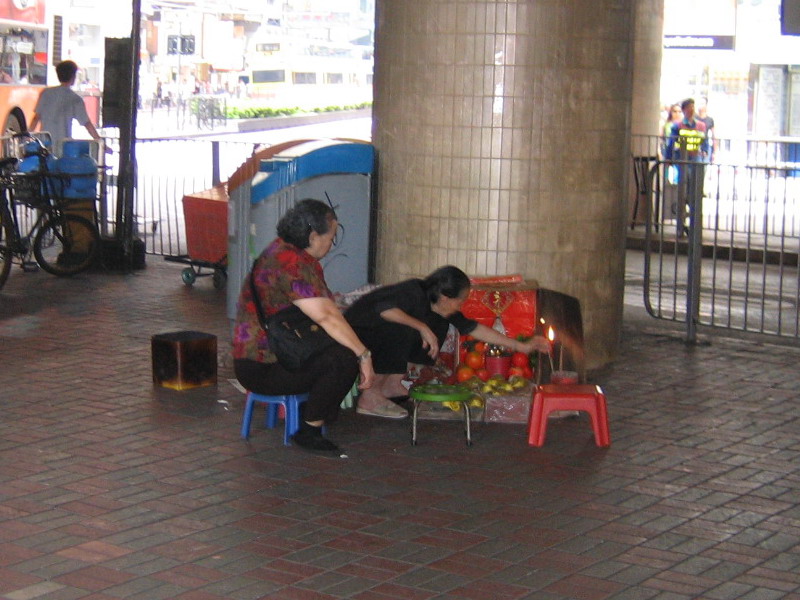 🇨🇳 China and 1 moreVillain hitting打小人
A Cantonese rite that strikes paper effigies with a shoe to ward off enemiesTradition · Cursing and harm · Protection Living
 🇮🇹 ItalyŚuri𐌑𐌖𐌛 (Etruscan)
An ancient Etruscan deity of volcanic fire, the underworld, and healingBeing · Protection · Healing Historical
 🇿🇦 South Africa and 1 moreSacred caves of the Basotho
Cave networks in South Africa and Lesotho used by the Basotho for ancestral rituals and healingTradition · Healing · Protection Living
🇮🇹 ItalyWitchcraft in Italy
Inquisition trials, a fertility cult and love magic in early modern ItalyTradition · Protection · Healing Living
🇬🇷 GreeceTrophoniusΤροφώνιος
A Greek hero turned subterranean oracle god at LebadeaFigure · Seeing and foretelling · Speaking with spirits and the dead Historical
🇳🇬 NigeriaAfa
A divining art of the Igbo, cast by a dibia to name the cause of troubleOracle · Seeing and foretelling · Speaking with spirits and the dead Living
🇲🇱 Mali and 1 moreSandobele
A Senufo woman diviner who mediates between the village and bush spirits.Being · Speaking with spirits and the dead · Protection Living
🇻🇳 VietnamVietnamese ghostsHồn ma
Wandering spirits in Vietnam, and the rites held to feed or calm themBeing · Protection · Speaking with spirits and the dead Living
Photo credits on this page
The small pictures above come from Wikimedia Commons under free licences. Some are cropped to fit.
- Xtabay: Unknown author, Public domain, source
- Germanic seeress: Emil Doepler, Public domain, source
- Ancient Egyptian religion: Moh hakem, CC BY-SA 4.0, source
- Simbi: MiddleOfAfrica, CC BY-SA 4.0, source
- Opon Ifá: Unknown author, CC BY 3.0, source
- Spodomancy: Tim1965, CC BY-SA 3.0, source
- Oracle bone: Unknown author, CC0, source
- Omen: Unknown author, Public domain, source
- Azande witchcraft: Unknown author, CC BY 4.0, source
- Sacred caves of the Basotho: JMK, CC BY-SA 3.0, source
- European witchcraft: Unknown author, CC BY 4.0, source
- Haruspicy: Lokilech, CC BY-SA 3.0, source
- Witchcraft in ancient Greece and Rome: Wilhelm Tischbein, Public domain, source
- Oomancy: Rollcloud, CC BY 3.0, source
- Scapulimancy: Albert Peter Low, CC BY-SA 4.0, source
- Cleromancy: Julius Schnorr von Carolsfeld, Public domain, source
- Kau chim: No machine-readable author provided. 9old9 assumed (based on copyright, Public domain, source
- Bibliomancy: Albert Robida, Public domain, source
- African divination: Unknown author, CC BY 4.0, source
- Alectryomancy: Konstantin Makovsky, Public domain, source
- Hippomancy: Wer?Du?!, CC BY-SA 3.0, source
- Chinese fortune telling: Lai Afong, Public domain, source
- Fortune-telling: Taras Shevchenko, Public domain, source
- Astragalomancy: Roland zh, CC BY-SA 3.0, source
- Santería: Jorge Royan, CC BY-SA 3.0, source
- Villain hitting: No machine-readable author provided. Underbar dk assumed (based on cop, CC BY-SA 3.0, source
- Cunning folk: Midnightblueowl at English Wikipedia, CC BY-SA 3.0, source
- Śuri: Marie-Lan Nguyen, Public domain, source
- Bagua: TarcísioTS at Portuguese Wikipedia, Public domain, source
- Dukun: Unknown author, CC BY-SA 3.0, source
- Nechung Oracle: Christopher Michel, CC BY 2.0, source
- Magic in the Greco-Roman world: ArchaiOptix, CC BY-SA 4.0, source
- Machi: Unknown author, Public domain, source
- Unclean spirit: David Shankbone, CC BY-SA 3.0, source