Diviners and readers
Babalawos, astrologers, card readers and others who read signs.
Diviners and readers are the people who interpret signs: the Ifa babalawo, the sangoma with her bones, the astrologer, the tarot reader, the palm reader, the Chinese fortune-teller and the oracle priestess. They answer questions about marriage, business, illness and loss. This page looks at how they are trained, who they serve, how they are paid, and the line between guidance and fraud. Their trade is as old as writing.
Training and tools
Training varies. A babalawo studies for years and memorises thousands of verses. An astrologer in India may study classical texts or inherit a practice. A tarot reader may learn from books and a community. Tools include cowries, bones, cards, charts, shells, tea leaves and the lines of the hand. Most readers say their tools open a conversation, and some say a spirit speaks through them. Many keep a strict code of confidentiality, as a priest or counsellor would.
Clients and trust
Clients tend to come at moments of uncertainty. In India, astrologers are consulted for weddings and for names, and in West Africa Ifa is consulted for naming a child. Diviners often act as counsellors, hearing family stories and framing a decision. Some are trusted for decades, while others are strangers in a street, and the difference matters for how fraud is spotted. Fees range from a coin or a chicken to several hundred pounds, and a reading may be offered in a shop, a temple, a market stall or an app.
Regulation and religion
Rules vary widely. Some religious authorities forbid divination, and some states license or tax readers. Fortune-tellers have been prosecuted for fraud in the United States, the United Kingdom, India and elsewhere, particularly in cases that involve large payments to lift a curse. Others practise within religion and are protected, such as Ifa within Yoruba religion. Diviners often keep close to the dominant religion, and many Ifa and Vodou diviners are also baptised Christians.
How scholars read it
Psychologists describe cold reading, in which a reader draws on small cues. Anthropologists describe divination as a social process that can break deadlocks and share responsibility. Many diviners deny they predict the future and speak instead of showing possibilities. Advice on health, law or money from a reader is no replacement for qualified advice. Many say they are paid for their time and skill, as a counsellor might be, and not for any guarantee.
Diviners and readers on EveryJaadu
The entries written up so far, best known first.
 🇪🇬 Egypt and 1 moreAncient Egyptian religion
Polytheistic worship, divine kingship, and funerary rites along the NileTradition · Protection · Speaking with spirits and the dead Historical
 🇬🇷 Greece and 1 moreCapnomancy
Divination by reading the shapes and movements of smoke from fires or incenseOracle · Seeing and foretelling · Protection Historical
🇸🇪 Sweden and 3 moreRunic magic
The use of ancient Germanic letters for spells, divination, and protectionTradition · Protection · Seeing and foretelling Living
 🇨🇩 Democratic Republic of the Congo and 4 moreNganga
A spiritual healer and ritual specialist in Kongo religion and its diaspora traditionsTradition · Healing · Seeing and foretelling Living
 🇨🇺 Cuba and 5 moreBrujería
A syncretic blend of Indigenous, African and Catholic folk magic across Latin America and the CaribbeanTradition · Healing · Protection Living
🇨🇬 Republic of the CongoNkisi
A Kongo spirit, and the object a spirit is held to live inBeing · Protection · Healing Living
 🇨🇺 Cuba and 4 moreSanteríaRegla de Ocha
An Afro-Cuban religion blending Yoruba spirits with Catholic saintsTradition · Protection · Healing Living
🇨🇫 Central African Republic and 5 moreWitchcraft in Africa
Beliefs about supernatural harm and the social responses to accusations across the continentBelief · Cursing and harm · Protection Living
 🇬🇹 Guatemala and 3 moreMaya religion
The living spiritual practices of the Maya peoples, shaped by centuries of contact with Catholicism.Tradition · Protection · Healing Living
 🇬🇧 United Kingdom and 4 moreCunning folk
European practitioners of folk medicine and helpful magic from the Middle Ages to the twentieth centuryTradition · Protection · Healing Historical
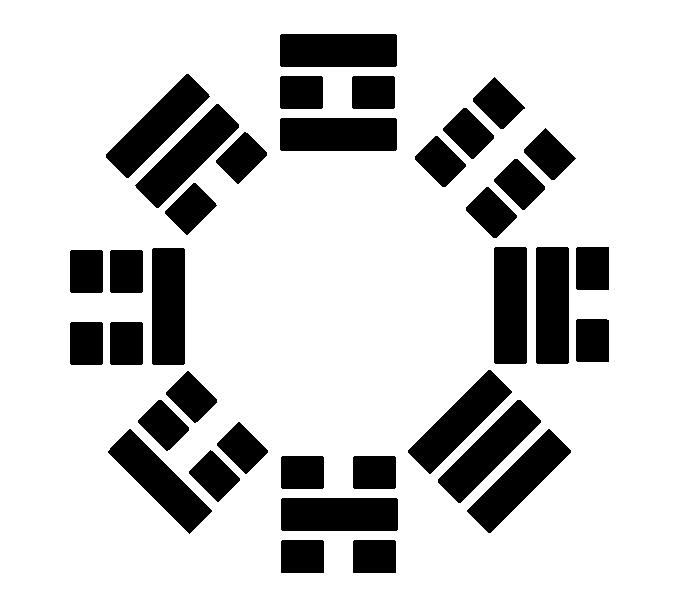 🇨🇳 China and 1 moreBagua八卦
A set of eight trigram symbols from China used in divination, philosophy, and feng shui.Tradition · Seeing and foretelling · Protection Living
 🇮🇩 Indonesia and 2 moreDukun
A traditional healer and spirit medium in Indonesian folk practiceTradition · Healing · Seeing and foretelling Living
 🇮🇳 IndiaNechung Oracleགནས་ཆུང་ཏ་བླ་མ
The official prophetic medium and spiritual advisor to Tibet's Dalai LamaOracle · Seeing and foretelling · Protection Living
 🇬🇷 Greece and 2 moreMagic in the Greco-Roman world
Private supernatural practices in ancient Greece and Rome, distinct from public state religion.Tradition · Protection · Cursing and harm Historical
 🇨🇳 China and 1 moreAncestor veneration in China
Rites for dead kin who are thought to watch over the familyTradition · Protection · Speaking with spirits and the dead Living
 🇨🇱 Chile and 1 moreMachi
Mapuche spiritual authorities and healers who bridge herbal knowledge and spirit realmsTradition · Healing · Speaking with spirits and the dead Living
 🇨🇳 China and 1 moreScapulimancy
Divination using animal shoulder blades, practiced across Asia and the Americas.Oracle · Seeing and foretelling · Cursing and harm Living
 🇲🇬 MadagascarSikidy
An algebraic geomancy practiced by Malagasy peoples using seeds to read fate and prescribe remediesOracle · Seeing and foretelling · Protection Living
 🇨🇳 China and 1 moreChinese shamanism巫教 (Wūjiào)
Spirit-mediums of China who dance and trance to carry messages between people and godsTradition · Speaking with spirits and the dead · Seeing and foretelling Living
 🇮🇹 ItalySanctuary of Fortuna Primigenia
A vast Roman sanctuary complex in Palestrina that housed an oracle and a temple to the goddess of fate.Tradition · Seeing and foretelling · Protection Historical
 🇪🇬 Egypt and 5 moreAfrican divination
Methods used across the continent to understand present realities and predict future events.Oracle · Seeing and foretelling · Healing Living
 🇬🇷 Greece and 1 moreOomancy
Divination by eggs, reading shapes and signs to foresee events or diagnose spiritual statesOracle · Seeing and foretelling · Healing Living
 🇮🇳 IndiaSuperstition in India
Common beliefs and rituals across India that influence daily life and major eventsBelief · Protection · Luck and prosperity Living
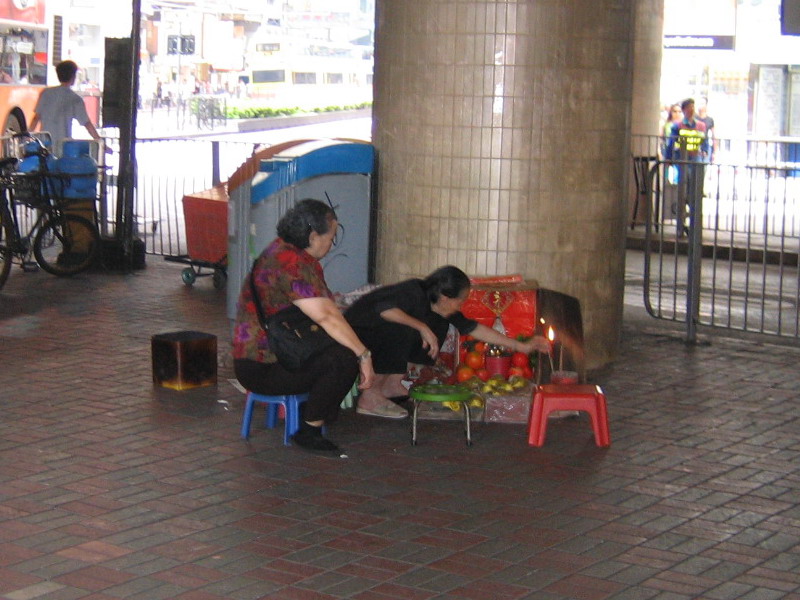 🇨🇳 China and 1 moreVillain hitting打小人
A Cantonese rite that strikes paper effigies with a shoe to ward off enemiesTradition · Cursing and harm · Protection Living
 🇮🇳 India and 5 moreKaruppannaswamyகருப்பண்ணசாமி, കറുപ്പണ്ണസാമി
A fierce guardian deity worshipped as a village protector and ancestral enforcer of justice.Being · Protection · Healing Living
 🇨🇳 China and 1 moreCash coins in feng shui古銅錢的風水
Old Chinese square-holed coins, hung or carried to draw luck and bar harmCharm · Luck and prosperity · Protection Living
 🇩🇪 Germany and 5 moreLutzelfrau
A German Alpine witch who brings fruit or punishes childrenFigure · Protection · Cursing and harm Living
 🇮🇹 ItalyŚuri𐌑𐌖𐌛 (Etruscan)
An ancient Etruscan deity of volcanic fire, the underworld, and healingBeing · Protection · Healing Historical
🇲🇱 Mali and 1 moreSandobele
A Senufo woman diviner who mediates between the village and bush spirits.Being · Speaking with spirits and the dead · Protection Living
🇧🇯 BeninXeviosoXɛviosò
A Fon and Ewe thunder god held to judge wrongdoers with lightningBeing · Cursing and harm · Cleansing and purification Living
🇮🇹 ItalyWitchcraft in Italy
Inquisition trials, a fertility cult and love magic in early modern ItalyTradition · Protection · Healing Living
 🇿🇦 South Africa and 1 moreSacred caves of the Basotho
Cave networks in South Africa and Lesotho used by the Basotho for ancestral rituals and healingTradition · Healing · Protection Living
🇻🇳 VietnamVietnamese ghostsHồn ma
Wandering spirits in Vietnam, and the rites held to feed or calm themBeing · Protection · Speaking with spirits and the dead Living
Photo credits on this page
The small pictures above come from Wikimedia Commons under free licences. Some are cropped to fit.
- Xtabay: Unknown author, Public domain, source
- Ancient Egyptian religion: Moh hakem, CC BY-SA 4.0, source
- Simbi: MiddleOfAfrica, CC BY-SA 4.0, source
- Sacred caves of the Basotho: JMK, CC BY-SA 3.0, source
- European witchcraft: Unknown author, CC BY 4.0, source
- Oomancy: Rollcloud, CC BY 3.0, source
- Scapulimancy: Albert Peter Low, CC BY-SA 4.0, source
- Superstition in India: Ji-Elle, CC BY-SA 4.0, source
- Chinese shamanism: No machine-readable author provided. +上帝+ assumed (based on copyright, CC BY-SA 3.0, source
- Sikidy: Unknown author, Public domain, source
- Capnomancy: Tigerzeng, CC BY-SA 4.0, source
- Cash coins in feng shui: No machine-readable author provided. Galopin~commonswiki assumed (base, CC BY-SA 3.0, source
- African divination: Unknown author, CC BY 4.0, source
- Santería: Jorge Royan, CC BY-SA 3.0, source
- Sanctuary of Fortuna Primigenia: MM, CC BY-SA 3.0, source
- Villain hitting: No machine-readable author provided. Underbar dk assumed (based on cop, CC BY-SA 3.0, source
- Cunning folk: Midnightblueowl at English Wikipedia, CC BY-SA 3.0, source
- Lutzelfrau: Karel Rozum, Public domain, source
- Śuri: Marie-Lan Nguyen, Public domain, source
- Bagua: TarcísioTS at Portuguese Wikipedia, Public domain, source
- Dukun: Unknown author, CC BY-SA 3.0, source
- Karuppannaswamy: GShas, CC0, source
- Nechung Oracle: Christopher Michel, CC BY 2.0, source
- Magic in the Greco-Roman world: ArchaiOptix, CC BY-SA 4.0, source
- Ancestor veneration in China: Three huntings, CC BY-SA 4.0, source
- Machi: Unknown author, Public domain, source