Diviners and readers
Babalawos, astrologers, card readers and others who read signs.
Diviners and readers are the people who interpret signs: the Ifa babalawo, the sangoma with her bones, the astrologer, the tarot reader, the palm reader, the Chinese fortune-teller and the oracle priestess. They answer questions about marriage, business, illness and loss. This page looks at how they are trained, who they serve, how they are paid, and the line between guidance and fraud. Their trade is as old as writing.
Training and tools
Training varies. A babalawo studies for years and memorises thousands of verses. An astrologer in India may study classical texts or inherit a practice. A tarot reader may learn from books and a community. Tools include cowries, bones, cards, charts, shells, tea leaves and the lines of the hand. Most readers say their tools open a conversation, and some say a spirit speaks through them. Many keep a strict code of confidentiality, as a priest or counsellor would.
Clients and trust
Clients tend to come at moments of uncertainty. In India, astrologers are consulted for weddings and for names, and in West Africa Ifa is consulted for naming a child. Diviners often act as counsellors, hearing family stories and framing a decision. Some are trusted for decades, while others are strangers in a street, and the difference matters for how fraud is spotted. Fees range from a coin or a chicken to several hundred pounds, and a reading may be offered in a shop, a temple, a market stall or an app.
Regulation and religion
Rules vary widely. Some religious authorities forbid divination, and some states license or tax readers. Fortune-tellers have been prosecuted for fraud in the United States, the United Kingdom, India and elsewhere, particularly in cases that involve large payments to lift a curse. Others practise within religion and are protected, such as Ifa within Yoruba religion. Diviners often keep close to the dominant religion, and many Ifa and Vodou diviners are also baptised Christians.
How scholars read it
Psychologists describe cold reading, in which a reader draws on small cues. Anthropologists describe divination as a social process that can break deadlocks and share responsibility. Many diviners deny they predict the future and speak instead of showing possibilities. Advice on health, law or money from a reader is no replacement for qualified advice. Many say they are paid for their time and skill, as a counsellor might be, and not for any guarantee.
Diviners and readers on EveryJaadu
The entries written up so far, best known first.
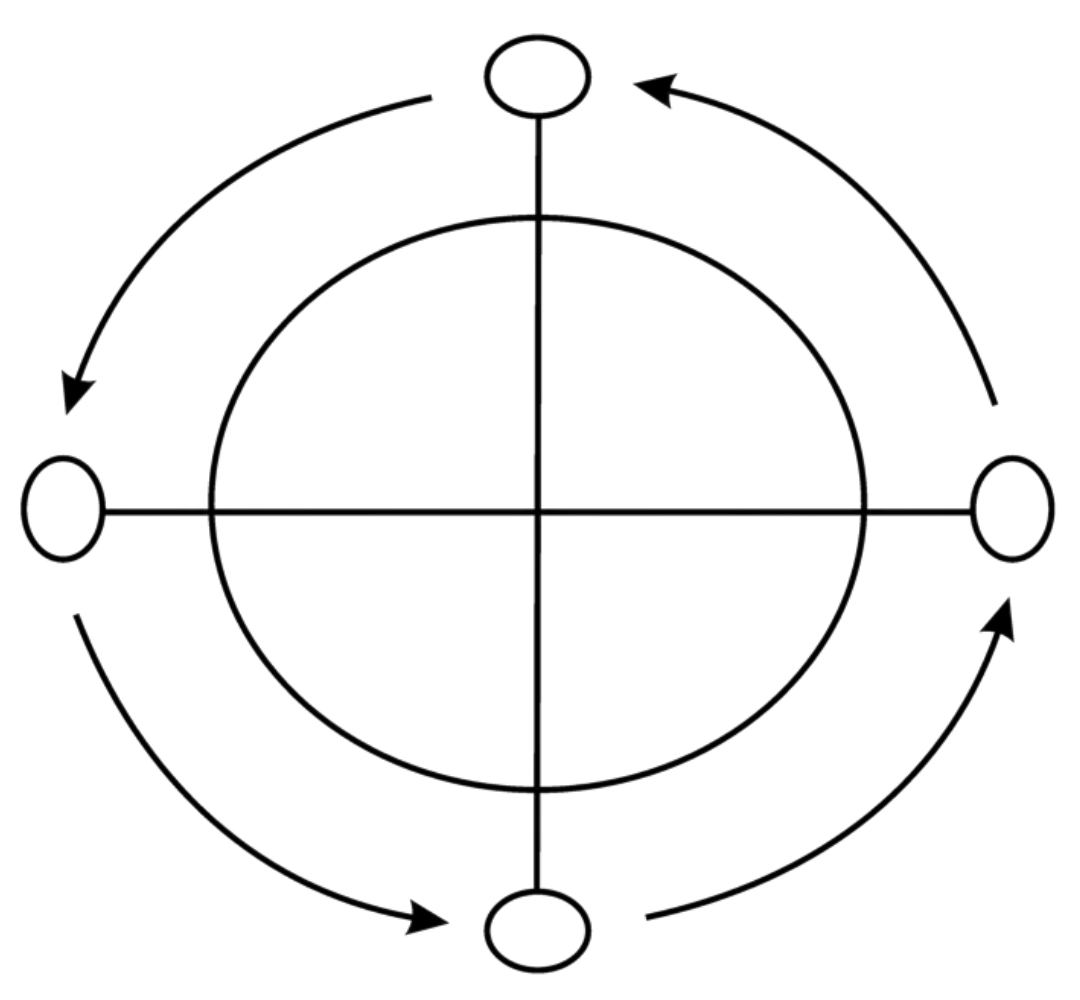 🇨🇩 Democratic Republic of the Congo and 4 moreNganga
A spiritual healer and ritual specialist in Kongo religion and its diaspora traditionsTradition · Healing · Seeing and foretelling Living
🇨🇩 Democratic Republic of the Congo and 4 moreNganga
A spiritual healer and ritual specialist in Kongo religion and its diaspora traditionsTradition · Healing · Seeing and foretelling Living
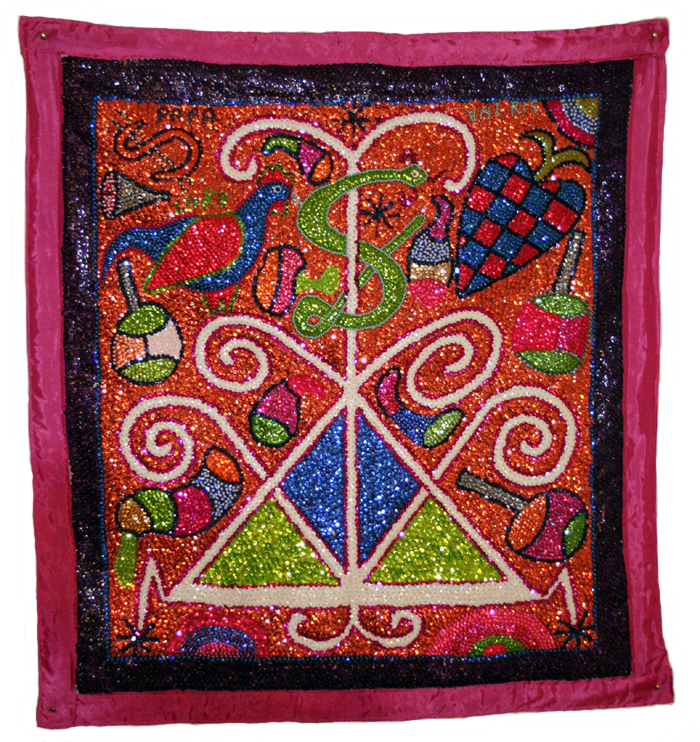 🇭🇹 Haiti and 2 moreHaitian VodouVodou
An Afro-Haitian religion blending West African traditions with Catholicism and FreemasonryTradition · Protection · Healing Living
🇭🇹 Haiti and 2 moreHaitian VodouVodou
An Afro-Haitian religion blending West African traditions with Catholicism and FreemasonryTradition · Protection · Healing Living
 🇮🇳 IndiaNechung Oracleགནས་ཆུང་ཏ་བླ་མ
The official prophetic medium and spiritual advisor to Tibet's Dalai LamaOracle · Seeing and foretelling · Protection Living
🇮🇳 IndiaNechung Oracleགནས་ཆུང་ཏ་བླ་མ
The official prophetic medium and spiritual advisor to Tibet's Dalai LamaOracle · Seeing and foretelling · Protection Living
 🇳🇬 NigeriaOrunmilaỌ̀rúnmìlà
Yoruba deity of wisdom and the creator of the Ifá divination systemBeing · Seeing and foretelling · Speaking with spirits and the dead Living
🇳🇬 NigeriaOrunmilaỌ̀rúnmìlà
Yoruba deity of wisdom and the creator of the Ifá divination systemBeing · Seeing and foretelling · Speaking with spirits and the dead Living
 🇨🇺 Cuba and 2 moreSanteríaRegla de Ocha
An Afro-Cuban religion blending Yoruba beliefs with Catholicism and SpiritismTradition · Protection · Healing Living
🇨🇺 Cuba and 2 moreSanteríaRegla de Ocha
An Afro-Cuban religion blending Yoruba beliefs with Catholicism and SpiritismTradition · Protection · Healing Living
 🇳🇬 Nigeria and 5 moreIfá
A Yoruba divination system using palm nuts to access spiritual guidanceTradition · Seeing and foretelling · Speaking with spirits and the dead Living
🇳🇬 Nigeria and 5 moreIfá
A Yoruba divination system using palm nuts to access spiritual guidanceTradition · Seeing and foretelling · Speaking with spirits and the dead Living
 🇸🇦 Saudi Arabia and 1 moreDhikrذِكْر
Islamic remembrance of God through repeated recitation and prayerRite · Speaking with spirits and the dead · Power and authority Living
🇸🇦 Saudi Arabia and 1 moreDhikrذِكْر
Islamic remembrance of God through repeated recitation and prayerRite · Speaking with spirits and the dead · Power and authority Living
 🇬🇷 Greece and 2 moreAstragalomancy
Divination by casting marked bones, carved rods, or numbered diceOracle · Seeing and foretelling · Speaking with spirits and the dead Living
🇬🇷 Greece and 2 moreAstragalomancy
Divination by casting marked bones, carved rods, or numbered diceOracle · Seeing and foretelling · Speaking with spirits and the dead Living
 🇳🇬 Nigeria and 2 moreOpon IfáỌpọ́n Ifá
A carved wooden tray used by Yoruba diviners to read signs and consult spirits.Charm · Seeing and foretelling · Speaking with spirits and the dead Living
🇳🇬 Nigeria and 2 moreOpon IfáỌpọ́n Ifá
A carved wooden tray used by Yoruba diviners to read signs and consult spirits.Charm · Seeing and foretelling · Speaking with spirits and the dead Living
 🇮🇱 Israel and 3 moreCleromancy
A divination method that uses random chance to reveal divine willOracle · Seeing and foretelling · Speaking with spirits and the dead Living
🇮🇱 Israel and 3 moreCleromancy
A divination method that uses random chance to reveal divine willOracle · Seeing and foretelling · Speaking with spirits and the dead Living
 🇪🇬 Egypt and 1 moreAncient Egyptian religion
Polytheistic worship, divine kingship, and funerary rites along the NileTradition · Protection · Speaking with spirits and the dead Historical
🇪🇬 Egypt and 1 moreAncient Egyptian religion
Polytheistic worship, divine kingship, and funerary rites along the NileTradition · Protection · Speaking with spirits and the dead Historical
 🇬🇹 Guatemala and 3 moreMaya religion
The living spiritual practices of the Maya peoples, shaped by centuries of contact with Catholicism.Tradition · Protection · Healing Living
🇬🇹 Guatemala and 3 moreMaya religion
The living spiritual practices of the Maya peoples, shaped by centuries of contact with Catholicism.Tradition · Protection · Healing Living
 🇬🇹 Guatemala and 1 moreTzolkʼinAj Ilabal Qʼij
A 260-day cycle used by the Maya for divination and ritual timingTradition · Seeing and foretelling · Luck and prosperity Living
🇬🇹 Guatemala and 1 moreTzolkʼinAj Ilabal Qʼij
A 260-day cycle used by the Maya for divination and ritual timingTradition · Seeing and foretelling · Luck and prosperity Living
 🇨🇱 Chile and 1 moreMachi
Mapuche spiritual authorities and healers who bridge herbal knowledge and spirit realmsTradition · Healing · Speaking with spirits and the dead Living
🇨🇱 Chile and 1 moreMachi
Mapuche spiritual authorities and healers who bridge herbal knowledge and spirit realmsTradition · Healing · Speaking with spirits and the dead Living
 🇨🇳 China and 1 moreAncestor veneration in China中國傳統宗法性宗教
Rites for dead kin who are thought to watch over the familyTradition · Protection · Speaking with spirits and the dead Living
🇨🇳 China and 1 moreAncestor veneration in China中國傳統宗法性宗教
Rites for dead kin who are thought to watch over the familyTradition · Protection · Speaking with spirits and the dead Living
 🇮🇹 Italy and 3 moreRenaissance magic
A 15th and 16th century revival of magical arts blending philosophy, astrology, and hidden knowledge.Tradition · Power and authority · Seeing and foretelling Historical
🇮🇹 Italy and 3 moreRenaissance magic
A 15th and 16th century revival of magical arts blending philosophy, astrology, and hidden knowledge.Tradition · Power and authority · Seeing and foretelling Historical
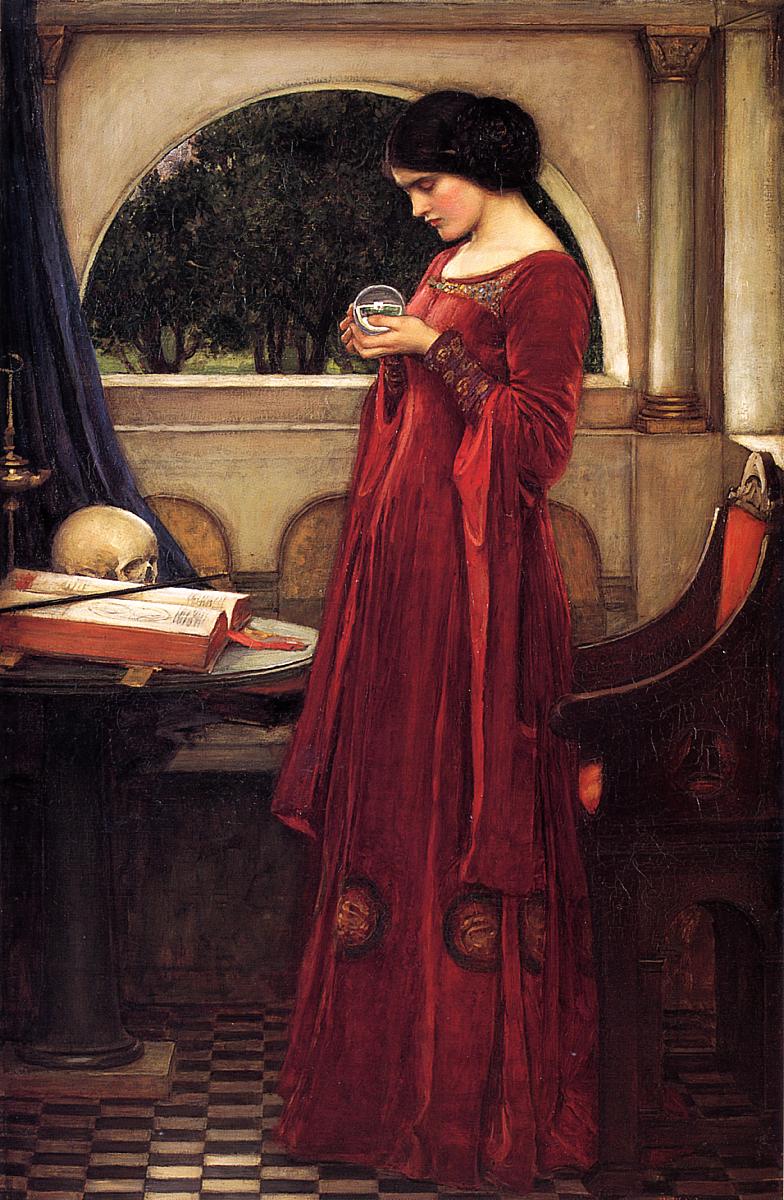 🇪🇬 EgyptScrying
A divination practice of gazing into a medium to receive visions or guidance.Oracle · Seeing and foretelling · Speaking with spirits and the dead Historical
🇪🇬 EgyptScrying
A divination practice of gazing into a medium to receive visions or guidance.Oracle · Seeing and foretelling · Speaking with spirits and the dead Historical
 🇨🇳 China and 1 moreChinese shamanism巫教 (Wūjiào)
Spirit-mediums of China who dance and trance to carry messages between people and godsTradition · Speaking with spirits and the dead · Seeing and foretelling Living
🇨🇳 China and 1 moreChinese shamanism巫教 (Wūjiào)
Spirit-mediums of China who dance and trance to carry messages between people and godsTradition · Speaking with spirits and the dead · Seeing and foretelling Living
 🇮🇹 Italy and 2 moreHaruspicy
Reading animal entrails to discern divine will and omensRite · Seeing and foretelling · Speaking with spirits and the dead Historical
🇮🇹 Italy and 2 moreHaruspicy
Reading animal entrails to discern divine will and omensRite · Seeing and foretelling · Speaking with spirits and the dead Historical
Photo credits on this page
The small pictures above come from Wikimedia Commons under free licences. Some are cropped to fit.
- Orunmila: unknown Yoruba artist, CC0, source
- Maya mythology: Unknown author, Public domain, source
- Haitian Vodou: Sam Fentress, CC BY-SA 2.0, source
- Nkisi: MiddleOfAfrica, CC BY-SA 4.0, source
- Chinese shamanism: No machine-readable author provided. +上帝+ assumed (based on copyright, CC BY-SA 3.0, source
- Santería: Jorge Royan, CC BY-SA 3.0, source
- Ifá: Toluaye, Public domain, source
- Dhikr: Eugène Baugnies, Public domain, source
- Astragalomancy: Roland zh, CC BY-SA 3.0, source
- Opon Ifá: Unknown author, CC BY 3.0, source
- Cleromancy: Julius Schnorr von Carolsfeld, Public domain, source
- Ancient Egyptian religion: Moh hakem, CC BY-SA 4.0, source
- Tzolkʼin: Lacambalam, CC BY-SA 4.0, source
- Machi: Unknown author, Public domain, source
- Haruspicy: Lokilech, CC BY-SA 3.0, source
- Ancestor veneration in China: Three huntings, CC BY-SA 4.0, source
- Renaissance magic: Unknown author, Public domain, source
- Scrying: John William Waterhouse, Public domain, source
- Nechung Oracle: Christopher Michel, CC BY 2.0, source