Wonder and entertainment
Illusion, sleight of hand and the pleasure of being fooled.
Wonder and entertainment is the aim of the stage magician: to astonish an audience who knows it is being fooled. Conjuring, illusion, mentalism and street magic belong here, from the cups and balls of ancient Rome to Robert-Houdin, Houdini, Harry Kellar, P. C. Sorcar of India, Siegfried and Roy, and David Copperfield. This page covers the art, its history and its ethics, and does not reveal how any trick is done.
The art of the honest lie
A magician promises a trick and delivers astonishment. The pleasure comes from the gap between what is seen and what is known. Performers speak of misdirection, timing, patter and showmanship. Magicians also keep an informal rule not to expose methods, so that audiences can keep the pleasure and the craft keeps its livelihood. This is the most open part of the subject, in which no one is asked to believe.
Where it is performed
Magic has always had a street and a stage. In India, P. C. Sorcar Sr. (1913 to 1971) toured the world and became a national name. In China and Japan, conjuring was part of variety theatre and a distinct craft. In the Arab world and the Ottoman empire, performers worked in coffee houses and fairs. In the West, the music hall, the television special and the Las Vegas show carried the art into mass entertainment.
Who is welcome
For much of its history, the profession was dominated by men, with women as assistants, though performers such as Adelaide Herrmann broke the pattern. Racial stereotypes shaped acts: Western performers played Chinese or Indian magicians in costume, and Chung Ling Soo's disguise was a famous case. Today, magicians from many countries and women performers are widely visible. Magicians from Egypt, Lebanon, Iran and Nigeria now work on global stages and in festivals, and a few have become well known beyond their borders.
Entertainers against fraud
Houdini and James Randi spent years exposing mediums and faith healers who claimed real powers, arguing that honest conjurers protect the public. Scholars of the mind use magic to study attention, memory and belief. The boundary matters: claiming genuine supernatural power for a trick and charging for it is fraud, not entertainment. As the code puts it, the trick can be admired and enjoyed without the secret being known, and children and adults alike keep that pleasure.
Wonder and entertainment on EveryJaadu
The entries written up so far, best known first.
 🇺🇸 United States and 1 moreFearsome critters
Tall tale animals from North American logging camps used to jest and explain the wild.Figure · Wonder and entertainment · Luck and prosperity Historical
 🇨🇳 ChinaKui夔 (kuí)
A one-legged mountain spirit and ancient music master from Chinese mythologyBeing · Power and authority · Wonder and entertainment Legendary
🇷🇴 RomaniaZână
A Romanian woodland spirit linked to Diana that guides travelers and blesses children.Being · Protection · Luck and prosperity Legendary
🇺🇸 United StatesChessie
A sea monster of American folklore said to inhabit the Chesapeake Bay.Being · Wonder and entertainment Legendary
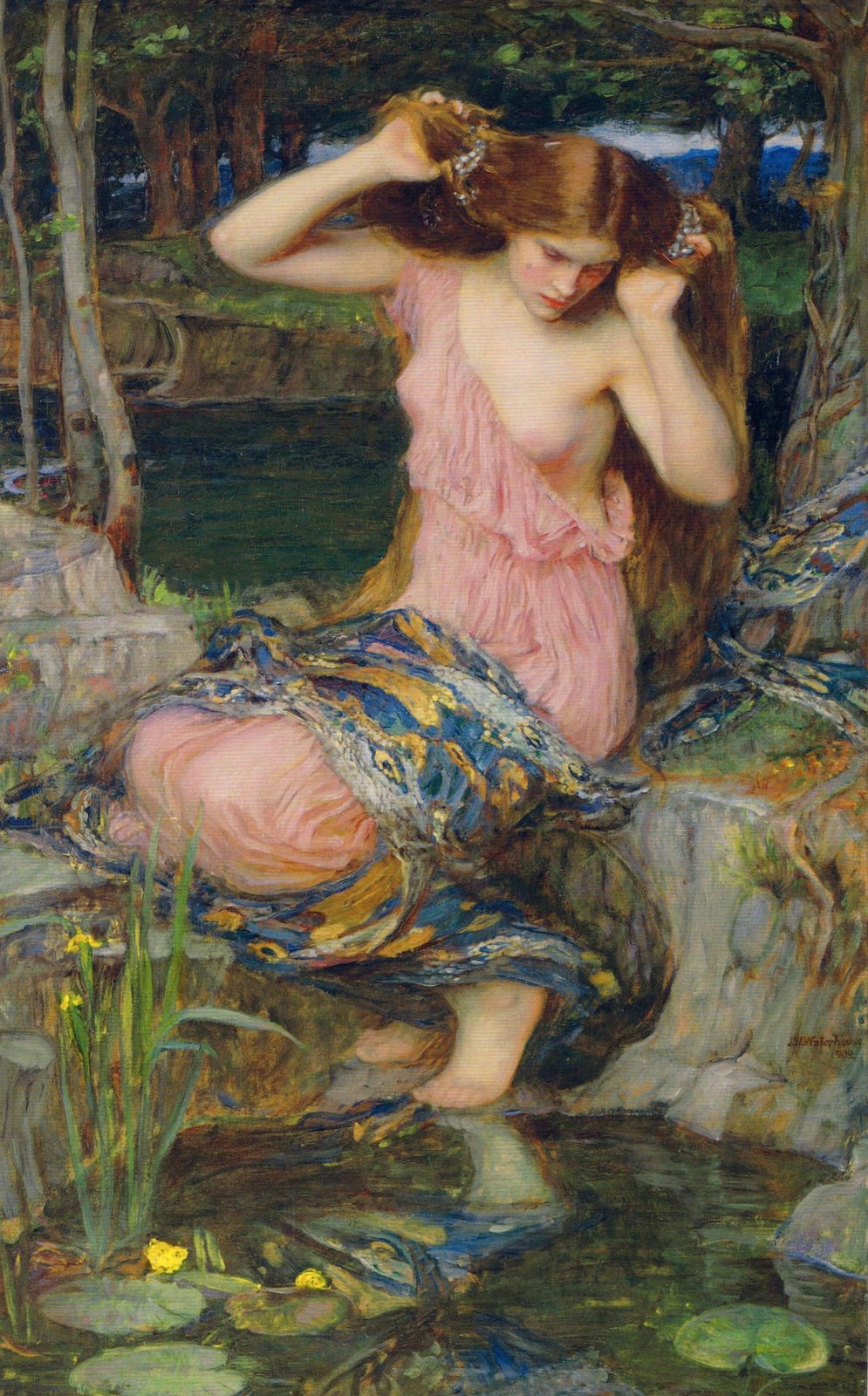 🇪🇸 SpainAnjanaanˈhana / an.xa.nɜ
Cantabrian fairies who protect forests and bring gifts to children.Being · Protection · Luck and prosperity Historical
 🇮🇪 IrelandFour Treasures of the Tuatha Dé DanannCeithre Bhua na Tuath Dé Danann
Four magical items brought to Ireland by the mythological Tuatha Dé DanannFigure · Wonder and entertainment Legendary
 🇨🇳 China and 1 moreShuihu水虎
A legendary water creature from Chinese folklore, later adopted into Japanese myth.Being · Wonder and entertainment Legendary
 🇮🇳 India and 1 moreTarand
A legendary reindeer-like creature said to change its hair colour like a chameleon.Being · Wonder and entertainment Legendary
🇮🇹 ItalyLariosauro
A lake monster legend from Lake Como, Italy, born from newspaper hoaxes and misidentified animals.Figure · Wonder and entertainment Legendary
 🇨🇳 China and 1 moreFengli风狸 / 風狸
A legendary flying mammal from Chinese lore, said to carry a magic wand and resist death.Figure · Wonder and entertainment Legendary
 🇬🇧 United Kingdom and 2 moreBevis of HamptonПовесть о Бове-королевиче
A medieval chivalric romance about a hero's exile and return across Europe and the Near EastText · Wonder and entertainment Historical
 🇫🇮 Finland and 1 moreLemminkäinen
A shaman-hero of Finnish and Karelian myth who dies and is resurrected by his motherFigure · Wonder and entertainment Legendary
🇨🇳 China and 4 moreHuoshu火鼠
A legendary fire-resistant rat from Chinese folklore said to yield self-cleaning cloth.Being · Wonder and entertainment Legendary
 🇫🇷 FranceYan-gant-y-tan
A Breton demon who carries five candles and is said to bring bad luck.Being · Cursing and harm · Wonder and entertainment Historical
🇮🇹 ItalySquasc
A small, tawny creature from Eastern Lombardy folklore that frightens children and plays jokes on young girlsBeing · Cursing and harm · Wonder and entertainment Legendary
🇬🇧 United KingdomTrow
Nocturnal spirits of the Orkney and Shetland islands, known for mischief and musical abduction.Being · Cursing and harm · Wonder and entertainment Historical
🇷🇺 Russia and 1 moreChuvash dragonВӗрӗҫӗлен
A mythological serpent from Chuvash legends that can fly and breathe fire.Being · Wonder and entertainment Legendary
 🇮🇹 ItalyScrofa semilanuta
A legendary sow seen in a dream that became the ancient emblem of Milan.Figure · Wonder and entertainment · Seeing and foretelling Historical
 🇲🇲 MyanmarMythical creatures in Burmese folklore
A collection of spirits, beasts and hybrids from Myanmar's stories and playsBeing · Wonder and entertainment Living
🇰🇷 South Korea and 1 moreDokkaebi도깨비
A one-legged supernatural being from Korean folklore, often linked to household objects and magical items.Being · Wonder and entertainment · Luck and prosperity Legendary
🇺🇸 United States and 5 moreLady in Red
A female ghost in a scarlet dress, often linked to tragic or violent deaths.Being · Wonder and entertainment Living
 🇬🇷 Greece and 1 moreSea Swine
A mythical sea creature depicted with dragon feet and a navel eye in early mapsFigure · Wonder and entertainment Legendary
🇬🇧 United KingdomPearlin Jean
A Scottish ghost said to haunt the ruins of Allanbank estate in BerwickshireBeing · Wonder and entertainment Historical
 🇭🇺 Hungary and 1 moreSárkány
A winged reptilian beast from Hungarian folklore, linked to weather and literary heroes.Being · Cursing and harm · Wonder and entertainment Historical
🇫🇯 FijiFlaming Teeth
A giant from Fijian myth whose burning teeth brought fire to humanityFigure · Cursing and harm · Wonder and entertainment Legendary
🇺🇦 Ukraine and 5 moreBullroarer
A wooden slat on a string that produces a roaring sound for ritual and communication.Tradition · Protection · Speaking with spirits and the dead Living
 🇪🇬 Egypt and 1 moreOuroborosοὐροβόρος
An ancient image of a serpent eating its own tail, symbolizing cycles and wholenessFigure · Power and authority · Wonder and entertainment Historical
🇮🇳 IndiaPandi
A legendary race of giant-eared people from ancient geographic textsBeing · Wonder and entertainment Legendary
 🇬🇷 GreeceSatyrσάτυρος
A male nature spirit from Greek myth, known for bestial features and wild behavior.Being · Wonder and entertainment Legendary
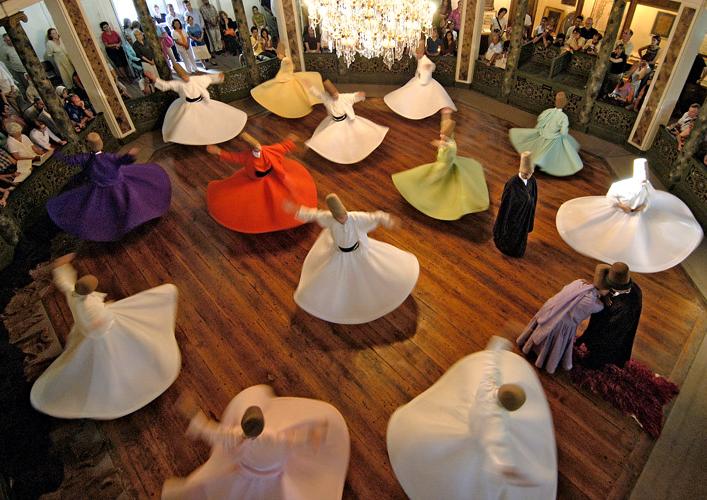 🇹🇷 Turkey and 3 moreSufi whirlingSemazen
A spinning meditation practiced by Sufi dervishes to reach spiritual connection with Allah.Tradition · Speaking with spirits and the dead · Love and attraction Living
🇺🇸 United StatesAlfred Bulltop Stormalong
A giant sailor from New England tall tales and sea shantiesFigure · Wonder and entertainment Legendary
🇸🇪 SwedenBysen
A cursed forest spirit of Gotland that misleads travelers and tends the woods.Being · Cursing and harm · Wonder and entertainment Legendary
 🇸🇪 Sweden and 3 moreAlu
A runic charm word found on Germanic artifacts, linked to magic and intoxication.Charm · Power and authority · Wonder and entertainment Historical
 🇱🇹 Lithuania and 2 moreEglė the Queen of SerpentsEglė žalčių karalienė
A Lithuanian folk tale about a woman who marries a serpent king and turns her family into trees.Figure · Wonder and entertainment Historical
🇯🇵 JapanKotobuki寿
A Japanese chimera combining features of all twelve Chinese zodiac animalsBeing · Wonder and entertainment Legendary
🇯🇵 JapanTaka-Onna高女
A Japanese yokai of a tall woman said to spy on brothels from above.Being · Wonder and entertainment Historical
 🇷🇺 Russia and 1 moreTelekinesis
A purported psychic ability to move objects with the mind aloneBelief · Wonder and entertainment Historical
🇦🇺 AustraliaThe Illusionists
A touring stage magic show with a rotating cast of performersIllusion · Wonder and entertainment Living
🇬🇧 United KingdomCantrip
A Scots word for a small spell or witch's trick, now a term in fantasy gamesRite · Wonder and entertainment Living
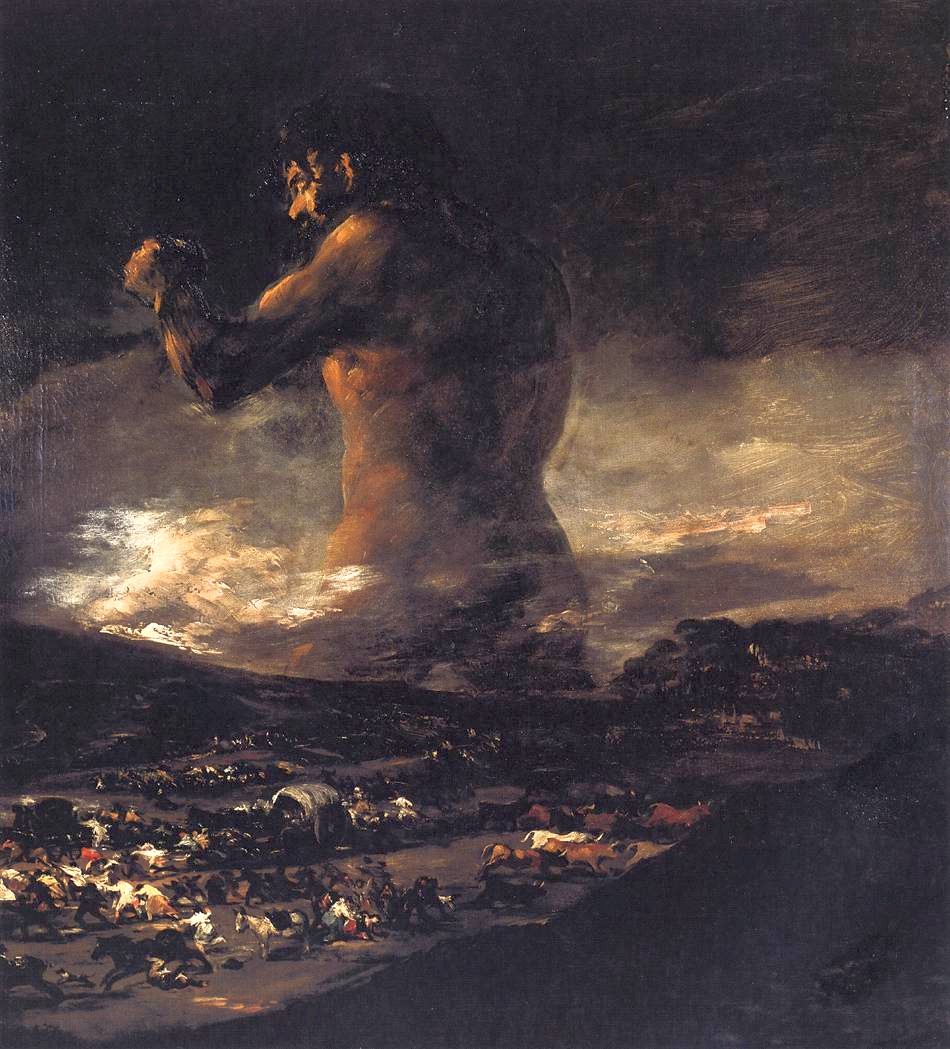 🇨🇱 Chile and 1 moreGiant
Mythic humanoids of immense size and strength found in global folklore and ancient textsFigure · Wonder and entertainment Legendary
🇯🇵 Japan and 5 moreMythic humanoids
Creatures that blend human and animal traits across global folkloreBeing · Wonder and entertainment Legendary
 🇫🇷 France and 1 moreDogme et Rituel de la Haute Magie
A foundational treatise on ritual magic by Éliphas Lévi, structured around the tarot.Text · Power and authority · Wonder and entertainment Historical
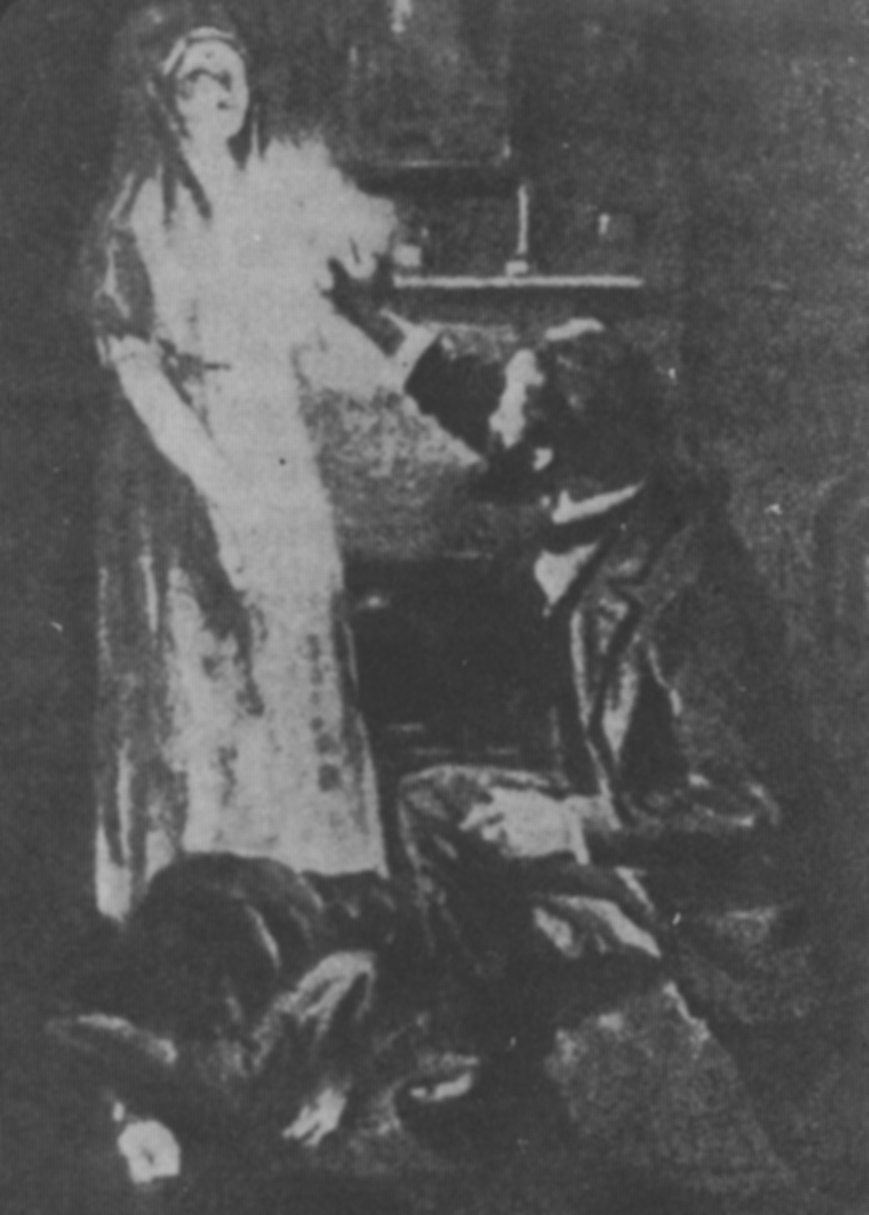 🇩🇪 Germany and 3 moreMaterialization (paranormal)
The claimed appearance of matter from unknown sources in spiritualist séancesBelief · Wonder and entertainment Historical
 🇫🇮 Finland and 1 moreVäinämöinen
An ancient Finnish demigod and master singer from the Kalevala epicBeing · Wonder and entertainment Historical
 🇺🇸 United StatesHail Satan
A Satanic exclamation used as ritual greeting, rebel cry, and pop-culture punchlineBelief · Power and authority · Cursing and harm Living
🇧🇷 BrazilRomãozinho
A cursed immortal boy from Brazilian folklore who never grows and causes mischief.Figure · Cursing and harm · Wonder and entertainment Legendary
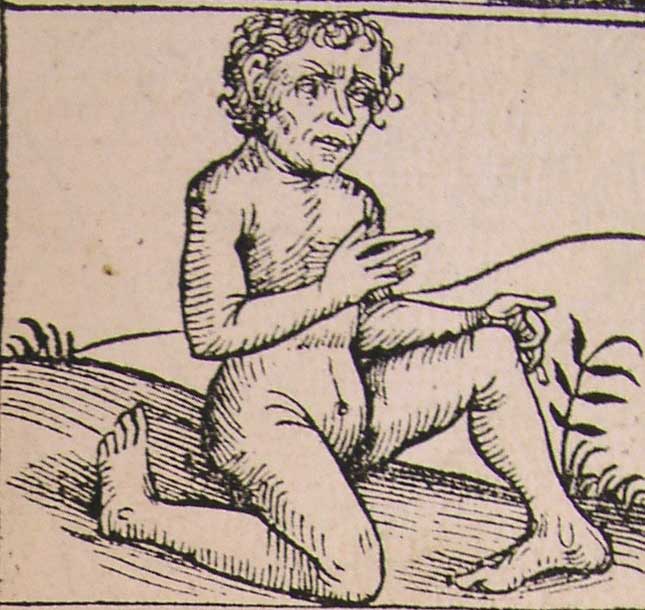 🇮🇳 IndiaAbarimon
A mythical tribe with reversed feet, said to inhabit the Himalayas and run at extreme speeds.Figure · Wonder and entertainment Legendary
Photo credits on this page
The small pictures above come from Wikimedia Commons under free licences. Some are cropped to fit.
- Giant: Attributed to Francisco Goya, Public domain, source
- Anjana: John William Waterhouse, Public domain, source
- Materialization (paranormal): Unknown author, Public domain, source
- Telekinesis: Strobridge Lithographing Co., Public domain, source
- Sufi whirling: myself, Public domain, source
- Satyr: Epiktetos (signed), Public domain, source
- Bevis of Hampton: Anonymous Unknown author, Public domain, source
- Hugag: Coert Du Bois, Public domain, source
- Mythical creatures in Burmese folklore: Unknown author, CC BY 4.0, source
- Tarand: Anonymous Unknown author, Public domain, source
- Fengli: Anonymous (1603), Public domain, source
- Sea Swine: Jacob van Maerlant, Public domain, source
- Shuihu: Author: b. 1654, Public domain, source
- Scrofa semilanuta: M.casanova, CC BY-SA 4.0, source
- Kui: Dave Pape, Public domain, source
- Sárkány: Albrecht Dürer, Public domain, source
- Yan-gant-y-tan: Louis Le Breton, Public domain, source
- Lemminkäinen: Akseli Gallen-Kallela, Public domain, source
- Four Treasures of the Tuatha Dé Danann: spud murphy, CC BY-SA 2.0, source
- Ouroboros: Djehouty, CC BY-SA 4.0, source
- Alu: Bloodofox, CC BY-SA 3.0, source
- Eglė the Queen of Serpents: Huw, CC BY 2.0, source
- Dogme et Rituel de la Haute Magie: Eliphas Levi, Public domain, source
- Väinämöinen: Akseli Gallen-Kallela, Public domain, source
- Hail Satan: Paul Sableman, CC BY 2.0, source
- Abarimon: Hartmann Schedel (1440-1514),, Public domain, source