The Lady in Red is a type of female apparition found in folklore and haunted location reports. She is typically depicted wearing a scarlet or blood-red dress and is often associated with a jilted lover, a woman of vanity, or a victim of passion. These spirits are frequently reported in hotels, theatres, and historic buildings across the United States, Canada, and other regions.
- She wears a scarlet or blood-red dress.
- Often linked to jilted lovers or vanity.
- Frequently reported in hotels and theatres.
- Known as the Red Lady in the UK and Ireland.
- Sightings occur globally, from US to Asia.
What it is
The Lady in Red is a specific category of female ghost distinguished by her attire. Unlike the more common White Lady, this spirit is consistently described as wearing a scarlet or blood-red dress. The figure is generally attributed to a woman who died in a fit of passion, was a jilted lover, or was characterized by vanity. Despite these tragic origins, the disposition of the Lady in Red is often reported as friendly rather than malevolent. These apparitions are most frequently encountered in public spaces such as historic hotels, theatres, and universities, where they become part of local lore and oral history.
Where it comes from
The legend appears to have originated in the United States, with numerous accounts documented across various states. The archetype seems to draw from stories of women who met violent or untimely ends, often involving romantic betrayal or suicide. While the core concept is American, similar figures have been reported in other parts of the world, including Europe and Asia. In some cases, the identity of the spirit is tied to a specific historical person, while in others, she remains an anonymous embodiment of tragedy. The widespread nature of these reports suggests a shared cultural fascination with ghosts dressed in striking red garments.
How it is done
Reports of the Lady in Red typically involve visual sightings within specific locations. Witnesses often describe seeing a woman in a red dress standing on porches, walking through corridors, or appearing on staircases. Some accounts include auditory elements, such as the sound of footsteps or rocking chairs moving on their own. In certain instances, physical objects are affected; for example, pearls may be left on pillows, or reflections may appear in mirrors. The ghost is sometimes seen vanishing suddenly or gliding without feet. These encounters usually occur at night or in dimly lit areas of historic buildings.
Tools and materials
The primary identifier of the Lady in Red is her clothing. She is almost always described as wearing a scarlet or blood-red dress. In some specific legends, additional details are noted, such as red-painted fingernails or broken necklaces that leave pearls behind. The color red is central to her identity, symbolizing either blood, passion, or vanity. No other specific tools or ritual objects are associated with her appearance; she is defined entirely by her attire and her presence in haunted locations.
Lady in Red, drawn and placed
- Living
- Revived
- Fading
- Historical
- Legendary
- Performed
What it is for
The Lady in Red does not serve a functional purpose in the way charms or rituals do. Instead, she represents a narrative of past tragedy. Her appearances are often interpreted as echoes of her final moments or unresolved emotions. For locals and visitors, she serves as a connection to the history of a building. Her presence is said to remind people of the lives that were lost within those walls. In some communities, she becomes a point of pride or curiosity, inspiring events like annual runs or walking tours that celebrate the local paranormal heritage.
Who does it
There are no formal practitioners of the Lady in Red tradition. She is a subject of interest for those who investigate hauntings or enjoy ghost stories. Reports come from a wide range of individuals, including hotel guests, university students, actors, and staff members. Because the sightings occur in public or semi-public spaces, anyone can potentially encounter her. There is no training required to witness her, nor is there a specific group dedicated to summoning or appeasing her spirit. She is simply a phenomenon observed by those present in the right location.
Peoples and places
The Lady in Red is most strongly associated with the United States, where dozens of specific locations claim her presence. From New York to California, and from Virginia to Michigan, she appears in hotels, colleges, and historic homes. The legend has also spread to Canada, with reports in Vancouver, Hamilton, and Toronto. In the United Kingdom and Ireland, similar figures are known as the Red Lady, appearing in places like Pluckley and Leap Castle. In Asia, variants exist in Malacca, Myanmar, and Thailand, often adapting to local architectural styles and cultural contexts.
What people believe
Belief in the Lady in Red stems from the general acceptance of ghosts as residual spirits or intelligent hauntings. People who report seeing her often believe that the spirit is trapped in a loop of its final moments or is drawn to places of significance. The red dress is seen as a marker of her identity, distinguishing her from other types of ghosts. Some interpret her friendly demeanor as a sign that she is not harmful, but rather a lonely spirit seeking acknowledgment. Others view her as a warning or a reminder of the dangers of passion and vanity. The belief is largely folkloric and varies by region.
When it is done
Encounters with the Lady in Red are not tied to specific festivals or calendar dates. They can happen at any time, though reports often cluster around nights when buildings are quiet or when tourists are present. Some sightings are associated with specific weather conditions, such as storms, which link back to the manner of death in certain legends. However, there is no set season or holiday dedicated to her. She is a year-round presence in the locations that claim her, appearing whenever someone happens to be in the right place at the wrong time.
How scholars and sceptics see it
Scholars and researchers often view the Lady in Red as a modern urban legend or a variation of the broader White Lady archetype. Anthropologists might analyze how the red dress symbolizes passion, danger, or femininity in different cultures. Psychologists could explore why people project these specific images onto haunted locations, perhaps linking it to collective anxieties about violence against women or romantic failure. Skeptics attribute the sightings to pareidolia, suggestion, or hoaxes. There is no scientific evidence for her existence, but the persistence of the story highlights human interest in the supernatural.
Cautions and what is closed
While the Lady in Red is generally described as friendly, some legends involve violent deaths, such as murder or suicide. In rare cases, the spirit is associated with distress or weeping. There are no known physical dangers posed by the ghost herself, but the locations where she appears may have structural hazards or legal restrictions. Some abandoned sites, like closed transit stations, may be unsafe for exploration. Additionally, the commercialization of haunted locations can lead to exploitation of local tragedies for profit. Visitors should respect private property and the histories of those who suffered in these places.
Compare and confuse
The Lady in Red is closely related to the White Lady, another common female ghost archetype. The key difference is the color of the dress, which changes the symbolic meaning from purity to passion or blood. She is also similar to the Banshee in Irish folklore, though the Banshee is typically a harbinger of death rather than a resident spirit. In other cultures, red-clad spirits may appear under different names, such as the Red Lady of Leap Castle. These variations share the theme of a tragic female figure bound to a specific location by her final moments.
Law and persecution
There are no specific laws regarding the Lady in Red, as she is a folklore figure rather than a legal entity. However, the locations where she is reported may be subject to heritage protection laws, especially if they are historic buildings. In some cases, claims of haunting can affect property values or insurance policies. There have been no major legal battles specifically about the Lady in Red, but the general framework of property rights and tenant safety applies to haunted hotels and residences. Local governments may regulate tourism activities in these areas to ensure public safety.
Questions people ask about Lady in Red
What is a Lady in Red?
She is a female ghost typically seen wearing a scarlet or blood-red dress. Legends say she is often a jilted lover or a woman of vanity who died tragically. She is usually described as friendly and is commonly found in historic hotels and theatres.
Where does the Lady in Red legend come from?
The legend is primarily associated with the United States, with many reported sightings in states like New York, Pennsylvania, and California. Similar figures, called the Red Lady, are also found in the United Kingdom, Ireland, Canada, and parts of Asia.
Is the Lady in Red dangerous?
Most accounts describe her as friendly or neutral. However, her origin stories often involve violent deaths, such as murder or suicide. She is not believed to actively harm people, but her presence is tied to tragic events in the past.
How is she different from a White Lady?
The main difference is the color of her dress. While the White Lady is a common ghost archetype, the Lady in Red is specifically identified by her red attire. This color change shifts the symbolism from purity to passion, blood, or vanity.
Good reading and sources
The facts on this page come from the Wikipedia article "Lady in Red (ghost)", written by its contributors and used under the CC BY-SA 4.0 licence, and from its Wikidata record (CC0). EveryJaadu rewrote the text in its own words, with AI assistance, and compares every page with the article to make sure no passage is copied. It may be reused under the same CC BY-SA 4.0 licence with a link back.
It may contain mistakes. Names and customs differ from one community to the next, and some knowledge is closed to outsiders and left out here. This page describes belief and practice. It does not say that any of it works, it is not a how-to, and it is not medical advice. If something is wrong, tell us. Last refreshed 2026-10-06.
More from the United States
All the entries from the United States 🇺🇸 United States and 5 moreNight hag
A supernatural being believed to sit on sleepers and cause paralysisBeing · Cursing and harm Legendary
🇺🇸 United States and 5 moreNight hag
A supernatural being believed to sit on sleepers and cause paralysisBeing · Cursing and harm Legendary
 🇺🇸 United StatesJersey Devil
A legendary creature from South Jersey folklore said to inhabit the Pine Barrens.Being · Wonder and entertainment Legendary
🇺🇸 United StatesJersey Devil
A legendary creature from South Jersey folklore said to inhabit the Pine Barrens.Being · Wonder and entertainment Legendary
 🇺🇸 United States and 2 moreRougarou
A lycanthrope legend from French-speaking communities in North AmericaBeing · Cursing and harm Legendary
🇺🇸 United States and 2 moreRougarou
A lycanthrope legend from French-speaking communities in North AmericaBeing · Cursing and harm Legendary
Related elsewhere
All being 🇬🇧 United Kingdom and 2 moreKing ArthurBrenin Arthur
A legendary British king and folk hero of medieval literature and Welsh mythologyFigure · Power and authority · Wonder and entertainment Legendary
🇬🇧 United Kingdom and 2 moreKing ArthurBrenin Arthur
A legendary British king and folk hero of medieval literature and Welsh mythologyFigure · Power and authority · Wonder and entertainment Legendary
 🇪🇬 Egypt and 1 moreSphinx
A mythical hybrid with a human head and lion body, serving as guardian or riddler in Egyptian and Greek traditions.Being · Protection · Wonder and entertainment Legendary
🇪🇬 Egypt and 1 moreSphinx
A mythical hybrid with a human head and lion body, serving as guardian or riddler in Egyptian and Greek traditions.Being · Protection · Wonder and entertainment Legendary
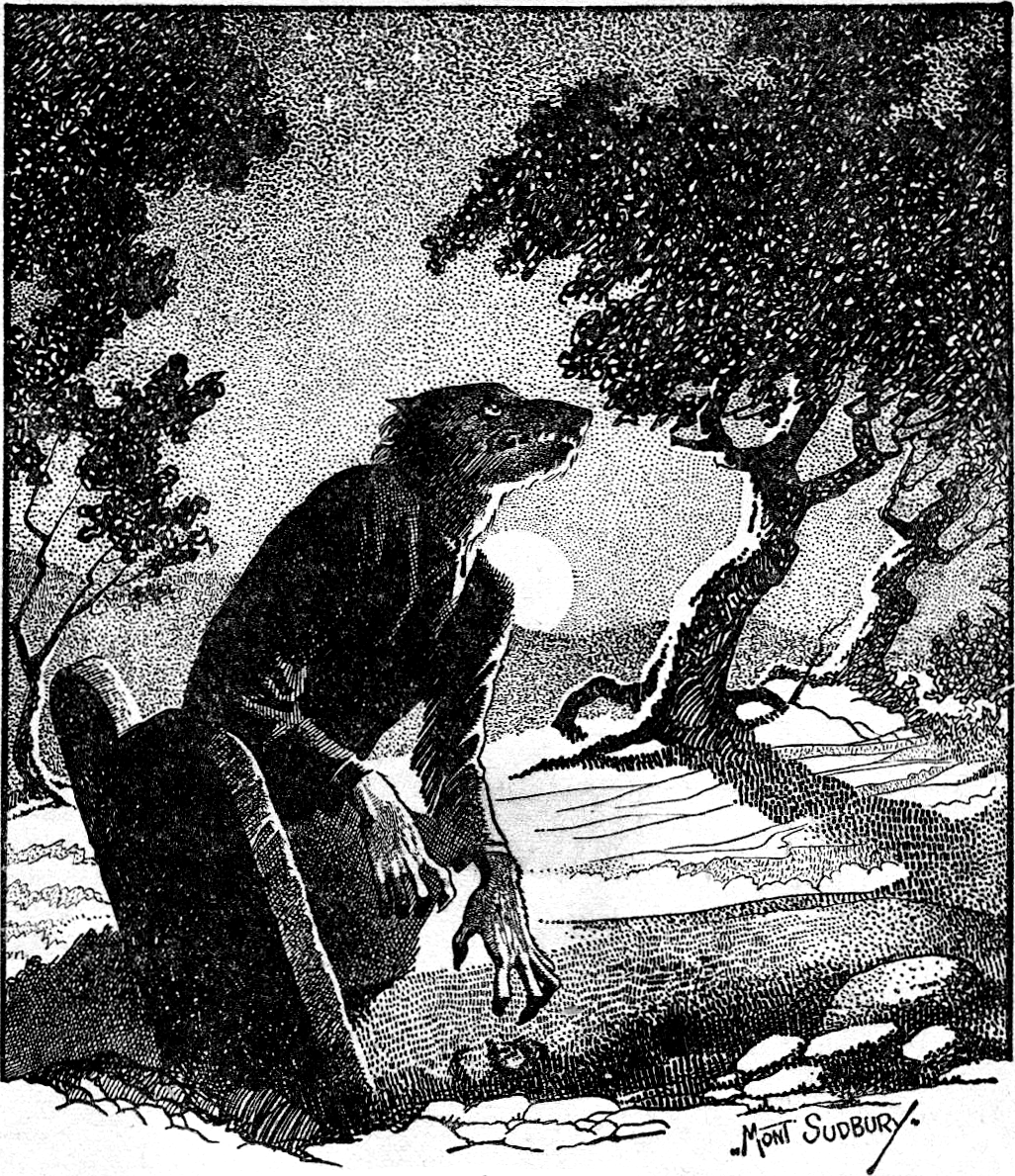 🇫🇷 France and 5 moreWerewolf
A mythical shapeshifter that turns into a wolf, central to European witch-hunts and Gothic horror.Being · Cursing and harm · Wonder and entertainment Legendary
🇫🇷 France and 5 moreWerewolf
A mythical shapeshifter that turns into a wolf, central to European witch-hunts and Gothic horror.Being · Cursing and harm · Wonder and entertainment Legendary
 🇬🇧 United KingdomBeltane Fire Festival
A modern Edinburgh performance celebrating the start of summer with fire and danceRite · Wonder and entertainment · Power and authority Living
🇬🇧 United KingdomBeltane Fire Festival
A modern Edinburgh performance celebrating the start of summer with fire and danceRite · Wonder and entertainment · Power and authority Living