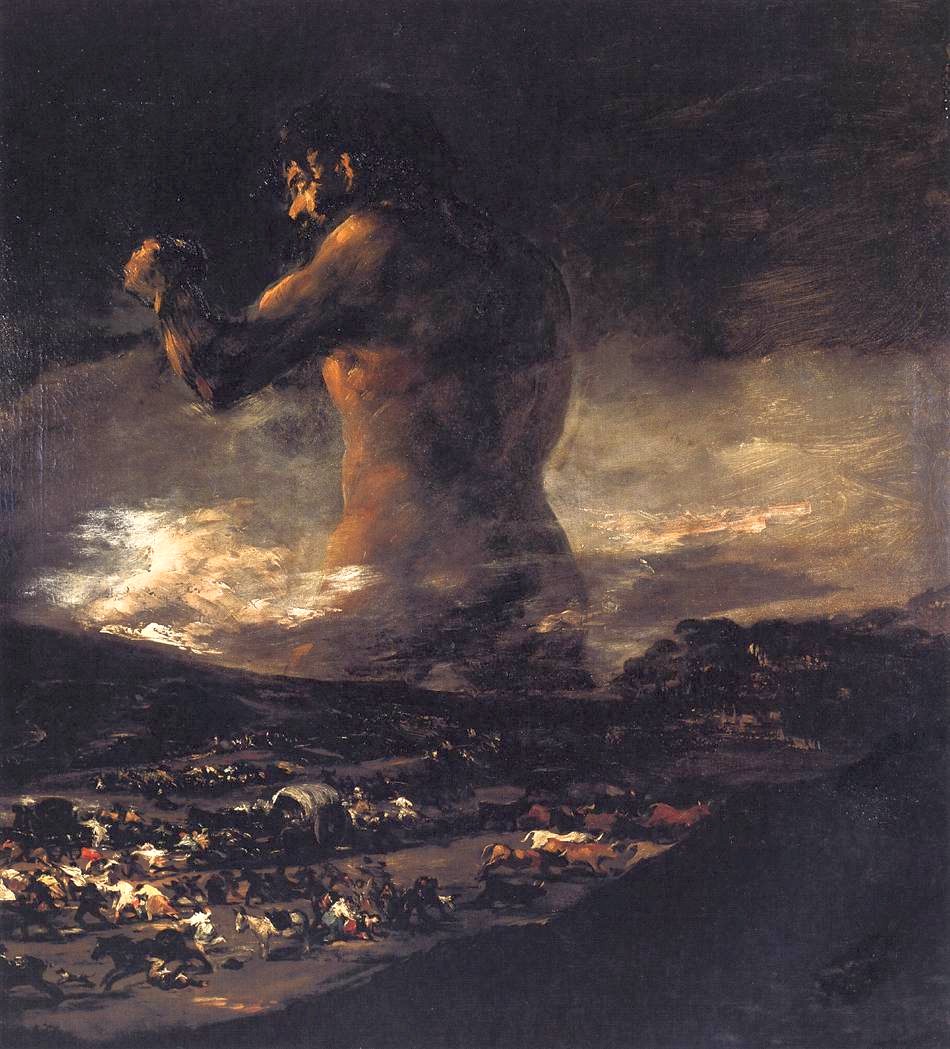
Giant
from Ancient Greek gigas, meaning a great being
Mythic humanoids of immense size and strength found in global folklore and ancient texts
Giants are legendary beings described as humanoid but vastly larger and stronger than ordinary people. They appear in myths from Greece to the Andes, often representing primal forces or ancient races. Stories vary from violent ogres to wise ancestors who shaped the landscape.
- Word derives from Greek Gigantes
- First attested in 1297 chronicles
- Fossils may have inspired legends
- Appear in Greek, Norse, and Biblical texts
- Often credited with building landmarks
What it is
Giants are mythic figures defined by their enormous size and power. They are usually humanoid in shape but tower over normal humans. In many stories they act as monsters or antagonists. Some tales show them as friendly or even family members to humans. These beings often symbolize the raw power of nature or the fragility of human life. They serve as reminders of mortality and the unknown forces that exist beyond everyday experience.
Where it comes from
The English word giant comes from the Ancient Greek Gigantes. It first appeared in written records in 1297. The concept likely grew from early humans finding large fossil bones. Scholars suggest these remains inspired stories of huge ancient people. Different cultures developed their own versions independently. Some giants are linked to specific geological features like mountains or stone circles.
Giant, drawn and placed
- Living
- Revived
- Fading
- Historical
- Legendary
- Performed
- Lineage
- global mythological tradition
What it is for
Giants help explain natural phenomena and history. They are often credited with building landmarks or moving earth. Their presence in stories allows communities to discuss fear, strength, and change. They also provide entertainment through adventures and battles. In religious texts, they sometimes represent challenges for heroes to overcome.
Who does it
Scholars study giants through literature and anthropology. Folklorists analyze how these stories spread and change over time. Historians look for connections between giant legends and archaeological findings. No specific group practices giant worship today. The figures remain part of cultural heritage and storytelling traditions.
Peoples and places
Giants appear in nearly every major cultural tradition. Greek myths feature the Gigantes battling gods. Armenian lore includes Hayk, a founder who fought other giants. Aztec stories mention the Quinametzin who built cities. Basque legends describe jentilak living in hills. Bulgarian tales speak of ispolini who feared blackberries. Chilean folklore includes miners and volcanic giants.
At a glance: who, where and when


What people believe
These beings are often seen as remnants of an older world. In Abrahamic texts, Nephilim appear before and after floods. Hindu and Jain cosmologies describe ages when humans were much taller. Norse mythology includes jötnar who oppose the gods. Many traditions view giants as connected to the earth itself. Their deaths or defeats often explain natural events like earthquakes.
How scholars and sceptics see it
Researchers examine giants as examples of geomythology. This field links ancient stories to real fossils and landscapes. Studies show how advertising created modern figures like Paul Bunyan. Academic work traces how fossil discoveries influenced biblical interpretations. Historians note that medieval scholars debated the reality of giant bones. Modern analysis focuses on the psychological impact of these monstrous figures.
Compare and confuse
Giants are distinct from dwarves or elves in most traditions. They differ from demons by their physical rather than spiritual nature. Some figures blur lines between giants and heroes. Goliath is called a giant but was smaller than others. Cyclopes share traits with giants but have unique features. Half-giants appear in many myths as bridges between worlds.
Today
Giant stories continue in literature and media. Children's books often feature friendly giants. Fantasy games use them as powerful enemies. Museums display artifacts linked to giant legends. Cultural festivals sometimes include giant puppets or costumes. The figures remain popular symbols of imagination and wonder.
Questions people ask about Giant
What is a giant?
A giant is a mythic being described as humanoid but vastly larger and stronger than ordinary people. They appear in folklore worldwide as symbols of primal force or ancient history.
Where does the word giant come from?
It comes from the Ancient Greek word gigas. The term entered English via the Latin Gigantes. It first appeared in written records in the late thirteenth century.
Are giants real?
Giants are legendary figures, not historical people. However, some scholars believe fossil finds inspired the stories. No evidence supports actual human giants existing in recorded history.
Why do different cultures have giant stories?
Many cultures independently developed giant myths. Large fossil bones likely inspired these tales. Giants helped explain natural features and ancient times. They served as moral lessons and entertainment.
Good reading and sources
- Giant on WikipediaEncyclopedia
- More photos on Wikimedia CommonsPhotos and video
- Wikidata recordOpen data
The facts on this page come from the Wikipedia article "Giant", written by its contributors and used under the CC BY-SA 4.0 licence, and from its Wikidata record (CC0). EveryJaadu rewrote the text in its own words, with AI assistance, and compares every page with the article to make sure no passage is copied. It may be reused under the same CC BY-SA 4.0 licence with a link back.
It may contain mistakes. Names and customs differ from one community to the next, and some knowledge is closed to outsiders and left out here. This page describes belief and practice. It does not say that any of it works, it is not a how-to, and it is not medical advice. If something is wrong, tell us. Last refreshed 2026-10-07.
More from Chile
All the entries from Chile 🇨🇱 Chile and 1 moreMachi
Mapuche spiritual authorities and healers who bridge herbal knowledge and spirit realmsTradition · Healing · Speaking with spirits and the dead Living
🇨🇱 Chile and 1 moreMachi
Mapuche spiritual authorities and healers who bridge herbal knowledge and spirit realmsTradition · Healing · Speaking with spirits and the dead Living
 🇨🇱 Chile and 1 moreImbuncheifünche
A deformed child-monster of Chilote folklore that guards a warlock's cave and serves as an instrument of curse.Figure · Cursing and harm · Power and authority Legendary
🇨🇱 Chile and 1 moreImbuncheifünche
A deformed child-monster of Chilote folklore that guards a warlock's cave and serves as an instrument of curse.Figure · Cursing and harm · Power and authority Legendary
 🇺🇸 United States and 5 moreFlorida Water
A citrus perfume used in spiritual cleansing and folk healing across the Americas.Substance · Protection · Cleansing and purification Living
🇺🇸 United States and 5 moreFlorida Water
A citrus perfume used in spiritual cleansing and folk healing across the Americas.Substance · Protection · Cleansing and purification Living
Related elsewhere
All figure 🇬🇧 United Kingdom and 2 moreKing ArthurBrenin Arthur
A legendary British king and folk hero of medieval literature and Welsh mythologyFigure · Power and authority · Wonder and entertainment Legendary
🇬🇧 United Kingdom and 2 moreKing ArthurBrenin Arthur
A legendary British king and folk hero of medieval literature and Welsh mythologyFigure · Power and authority · Wonder and entertainment Legendary
 🇪🇬 Egypt and 1 moreSphinx
A mythical hybrid with a human head and lion body, serving as guardian or riddler in Egyptian and Greek traditions.Being · Protection · Wonder and entertainment Legendary
🇪🇬 Egypt and 1 moreSphinx
A mythical hybrid with a human head and lion body, serving as guardian or riddler in Egyptian and Greek traditions.Being · Protection · Wonder and entertainment Legendary
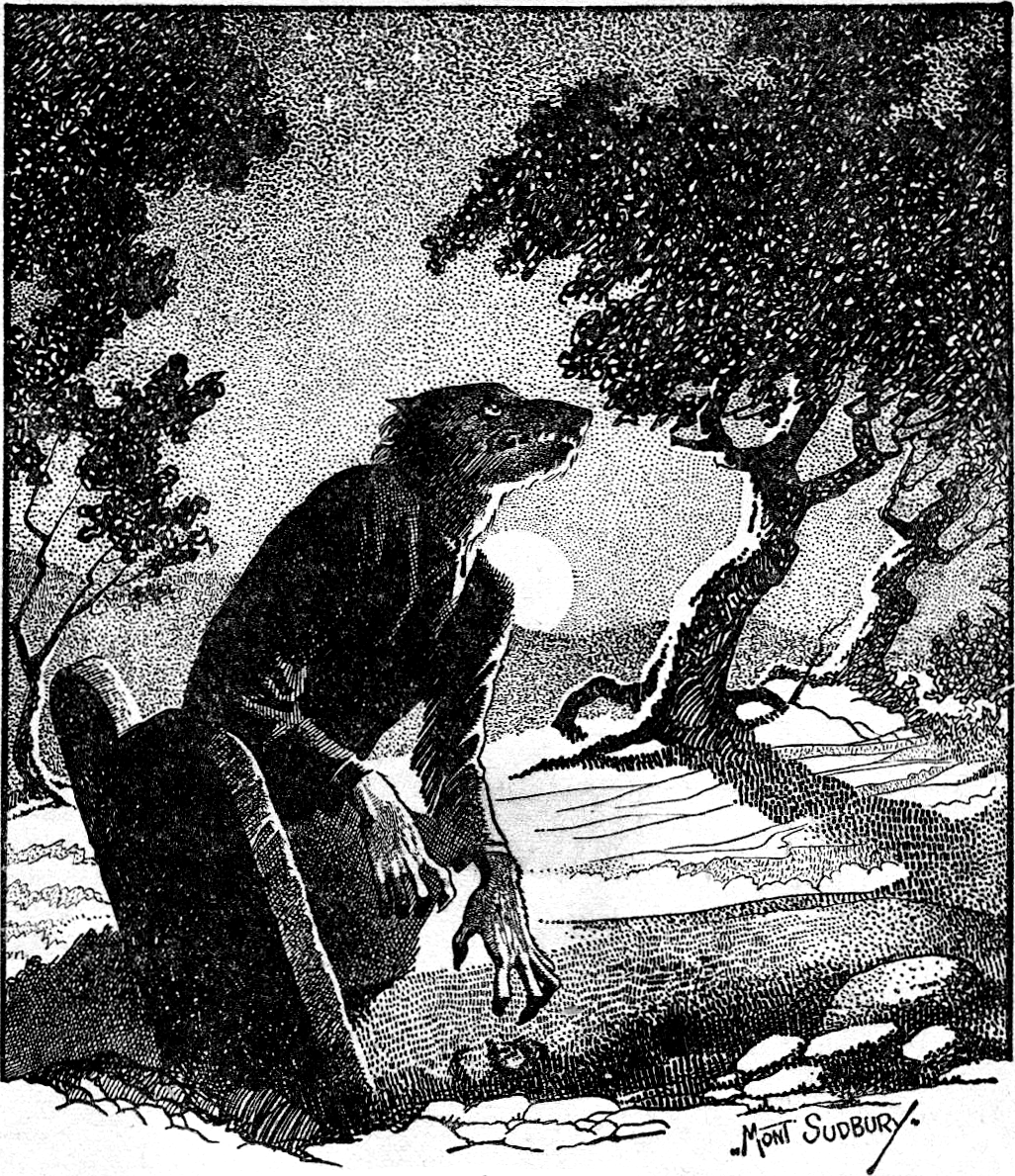 🇫🇷 France and 5 moreWerewolf
A mythical shapeshifter that turns into a wolf, central to European witch-hunts and Gothic horror.Being · Cursing and harm · Wonder and entertainment Legendary
🇫🇷 France and 5 moreWerewolf
A mythical shapeshifter that turns into a wolf, central to European witch-hunts and Gothic horror.Being · Cursing and harm · Wonder and entertainment Legendary
 🇬🇧 United KingdomBeltane Fire Festival
A modern Edinburgh performance celebrating the start of summer with fire and danceRite · Wonder and entertainment · Power and authority Living
🇬🇧 United KingdomBeltane Fire Festival
A modern Edinburgh performance celebrating the start of summer with fire and danceRite · Wonder and entertainment · Power and authority Living