
Telekinesis
from Ancient Greek tēle- meaning far off and -kinesis meaning motion
A purported psychic ability to move objects with the mind alone
Telekinesis is a claimed power to influence physical matter without touching it. It is widely regarded as pseudoscience because experiments lack repeatability and contradict established laws of physics.
- Derived from Greek words for far and motion
- Classified as pseudoscience by major scientific bodies
- Violates conservation of energy and momentum
- Experiments show no repeatable evidence
- Cognitive bias explains belief in the phenomenon
What it is
Telekinesis refers to the supposed capacity to manipulate physical objects using only the mind. Practitioners and believers describe it as moving or shaping matter without any direct physical contact. The term covers both macro effects involving visible objects and micro effects involving random number generators or subatomic particles. Despite decades of investigation, no reliable evidence supports its existence. Scientific bodies classify it as pseudoscience due to a lack of verifiable data and methodological flaws in supporting studies.
Where it comes from
The concept draws from ancient ideas about the mind's power over matter but gained modern traction through parapsychology. Early twentieth-century researchers began testing mental influence on dice and pendulums. Interest grew during the Cold War when military institutions explored potential applications like disrupting enemy electronics. However, rigorous reviews by national science councils found no justification for these claims. The field remains largely defined by failed attempts to prove rather than successful demonstrations.
How it is done
Experiments typically involve subjects attempting to influence random outcomes or move small objects. Common setups include dice rolls, spinning wheels, or electronic randomizers. Researchers look for statistical deviations from chance expectations. Critics note that these methods often rely on subjective scoring and poor controls. Many studies fail to prevent fraud or account for experimenter bias. No protocol has successfully replicated positive results under strict double-blind conditions.
Tools and materials
Parapsychologists use dice, pendulums, random number generators, and sensitive scales. Some experiments employ microbalances to detect minute forces. Equipment aims to isolate mental intent from physical interference. However, critics argue that standard scientific instruments are more suitable for detecting such phenomena if they existed. The reliance on statistical analysis rather than direct measurement is a key feature of these investigations.
Telekinesis, drawn and placed
- Living
- Revived
- Fading
- Historical
- Legendary
- Performed
What it is for
Believers seek to demonstrate human potential beyond known physical limits. Military research once investigated uses for jamming technology or influencing machinery. General interest focuses on proving consciousness can interact with matter independently of the body. Skeptics view these pursuits as exercises in pattern recognition and wishful thinking. The primary goal for proponents is validation of paranormal abilities.
Who does it
Research is conducted by parapsychologists and independent investigators. Many participants are volunteers who believe in psychic phenomena. Scientists and physicists evaluate the claims critically. Academic panels have reviewed decades of data and concluded there is no evidence for telekinesis. The community includes both those promoting the idea and those debunking it through rigorous analysis.
Peoples and places
The concept appears in various cultures as a supernatural ability. Modern discussions are dominated by Western scientific and skeptical communities. Russian and American researchers have historically engaged with the topic. Indian and Israeli scholars have also contributed to the discourse. No specific ethnic group claims exclusive ownership of the practice.
At a glance: who, where and when
Who does it
Belief worlds


What people believe
The worldview assumes consciousness can exert force on physical atoms. Proponents suggest a fifth fundamental force might explain this interaction. Critics point out that such a force would violate conservation of energy and momentum. Quantum mechanics is sometimes cited to justify mental influence on random events. Physicists reject these interpretations as inconsistent with established theory.
When it is done
No specific festivals or calendar days are associated with telekinesis. Investigations occur continuously without seasonal timing. Personal practice involves daily attempts to influence objects or randomizers. There are no traditional holidays dedicated to developing or celebrating this ability.
How scholars and sceptics see it
Physicists argue telekinesis violates thermodynamics and conservation laws. Philosophers highlight cognitive biases like confirmation and illusion of control. Psychologists study why people believe in impossible feats. Panels from the National Research Council and National Academy of Sciences found no scientific basis. Experts cite poor experimental design and statistical errors as explanations for positive results.
Cautions and what is closed
Belief in telekinesis can lead to financial loss from fraudulent healers. It may distract from understanding real psychological mechanisms. Misinterpretation of magic tricks as genuine powers is common. Sceptics warn against accepting extraordinary claims without extraordinary proof. The field suffers from pathological science indicators like unrepeatable results.
Compare and confuse
Telekinesis is often confused with stage magic and sleight of hand. It differs from psychometry which involves sensing information from objects. Unlike hypnosis which influences behavior, telekinesis claims to move matter. The term psychokinesis is used interchangeably in parapsychology literature.
Questions people ask about Telekinesis
What does telekinesis mean?
It comes from Greek words meaning far and motion. It describes the claimed ability to move objects with the mind without touching them.
Is telekinesis scientifically proven?
No. Major scientific panels found no evidence. Experiments lack repeatability and contradict known laws of physics.
Why do some people believe in it?
Cognitive biases like confirmation bias and illusion of control play a role. People misinterpret random events as meaningful connections.
Good reading and sources
- Telekinesis on WikipediaEncyclopedia
- More photos on Wikimedia CommonsPhotos and video
- Wikidata recordOpen data
The facts on this page come from the Wikipedia article "Telekinesis", written by its contributors and used under the CC BY-SA 4.0 licence, and from its Wikidata record (CC0). EveryJaadu rewrote the text in its own words, with AI assistance, and compares every page with the article to make sure no passage is copied. It may be reused under the same CC BY-SA 4.0 licence with a link back.
It may contain mistakes. Names and customs differ from one community to the next, and some knowledge is closed to outsiders and left out here. This page describes belief and practice. It does not say that any of it works, it is not a how-to, and it is not medical advice. If something is wrong, tell us. Last refreshed 2026-10-07.
More from Russia
All the entries from Russia 🇷🇺 Russia and 2 moreCaul
A birth membrane kept as a talisman for luck and protection from drowningCharm · Protection · Luck and prosperity Historical
🇷🇺 Russia and 2 moreCaul
A birth membrane kept as a talisman for luck and protection from drowningCharm · Protection · Luck and prosperity Historical
 🇷🇺 Russia and 4 moreLady MiddayPoludnitsa
A Slavic noon spirit who watches over fields and punishes those who work during the hottest hours.Being · Cursing and harm · Protection Historical
🇷🇺 Russia and 4 moreLady MiddayPoludnitsa
A Slavic noon spirit who watches over fields and punishes those who work during the hottest hours.Being · Cursing and harm · Protection Historical
 🇷🇺 RussiaBlack magic
Magic traditionally defined by malevolent intent and selfish purposesBelief · Cursing and harm Historical
🇷🇺 RussiaBlack magic
Magic traditionally defined by malevolent intent and selfish purposesBelief · Cursing and harm Historical
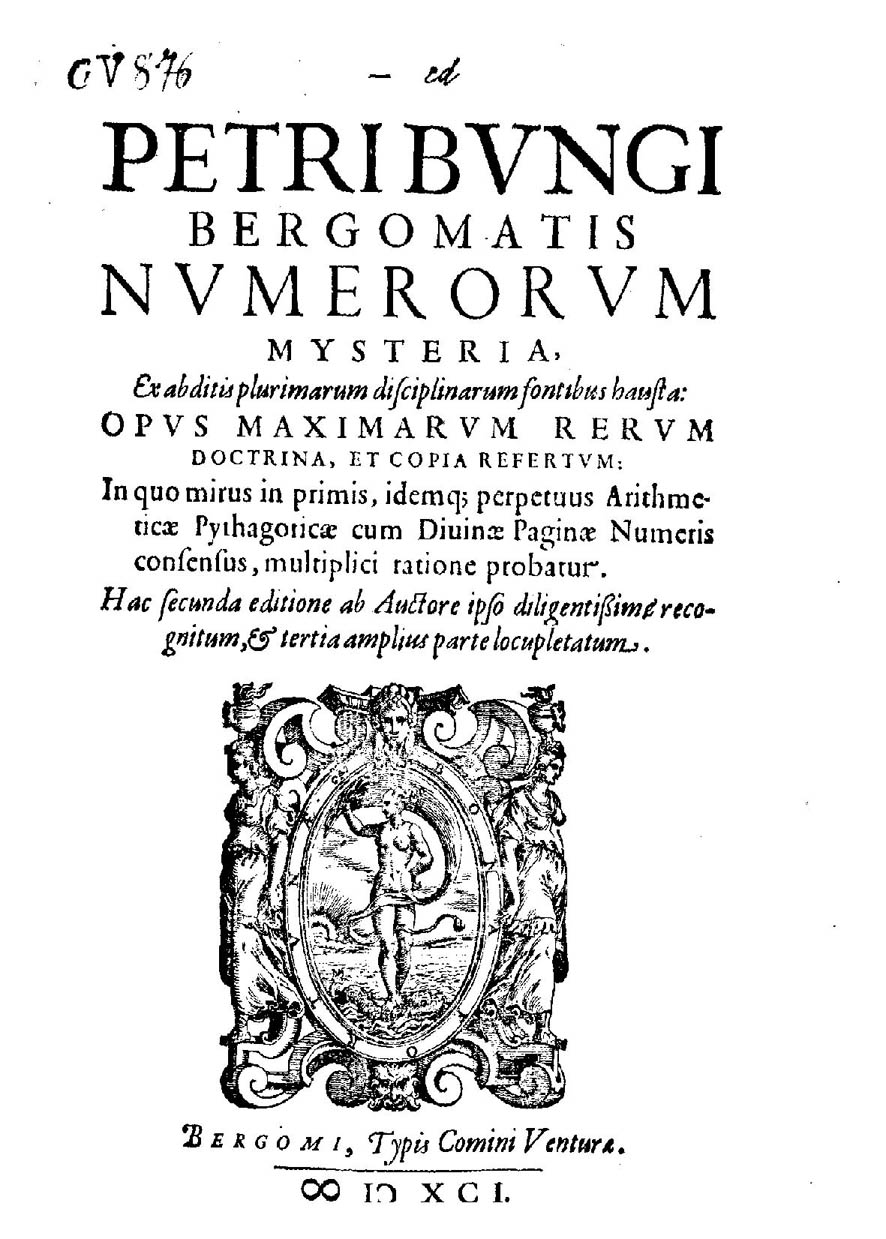 🇬🇷 Greece and 2 moreNumerology
The belief that numbers hold hidden meanings and influence human events.Belief · Seeing and foretelling · Luck and prosperity Historical
🇬🇷 Greece and 2 moreNumerology
The belief that numbers hold hidden meanings and influence human events.Belief · Seeing and foretelling · Luck and prosperity Historical
Related elsewhere
All belief 🇪🇬 Egypt and 1 moreSphinx
A mythical hybrid with a human head and lion body, serving as guardian or riddler in Egyptian and Greek traditions.Being · Protection · Wonder and entertainment Legendary
🇨🇱 ChileChilean mythology
The myths and legends of Chile, blending indigenous roots with colonial influences.Tradition · Wonder and entertainment Living
🇷🇺 Russia and 3 moreNart sagaНарты кадджытæ
A collection of epic tales from the North Caucasus about a legendary group of heroes.Text · Wonder and entertainment Historical
🇪🇬 Egypt and 1 moreSphinx
A mythical hybrid with a human head and lion body, serving as guardian or riddler in Egyptian and Greek traditions.Being · Protection · Wonder and entertainment Legendary
🇨🇱 ChileChilean mythology
The myths and legends of Chile, blending indigenous roots with colonial influences.Tradition · Wonder and entertainment Living
🇷🇺 Russia and 3 moreNart sagaНарты кадджытæ
A collection of epic tales from the North Caucasus about a legendary group of heroes.Text · Wonder and entertainment Historical
 🇨🇳 ChinaLan Caihe藍采和
An ambiguous Taoist immortal known for a flower basket and wandering songsBeing · Wonder and entertainment Legendary
🇨🇳 ChinaLan Caihe藍采和
An ambiguous Taoist immortal known for a flower basket and wandering songsBeing · Wonder and entertainment Legendary