
Väinämöinen
Likely from Finnish väinä meaning 'stream pool' or 'slow', possibly linked to Germanic Odin forms
An ancient Finnish demigod and master singer from the Kalevala epic
Väinämöinen is a central figure in Finnish folklore and the national epic Kalevala. He is portrayed as an old, wise shaman with magical singing powers who shapes the world and holds deep esoteric knowledge.
- Central character in the Finnish national epic Kalevala
- Described as an old, wise shaman with magical singing voice
- Born from Ilmatar after 730 years in her womb in the epic
- Created the kantele from the jawbones of a great pike
- Sailed away in a copper boat as Christianity arrived in Finland
What it is
Väinämöinen stands as the primary hero and demigod within Finnish folklore. He appears as the main character in the Kalevala, the national epic compiled by Elias Lönnrot. Described as an elderly and wise man, he possesses a potent magical voice used for singing and spellcasting. Scholars often classify him as a mythical tietäjä, a type of shaman possessing secret knowledge and supernatural abilities. His presence anchors many foundational myths regarding the creation of the world and the establishment of order.
Where it comes from
The earliest written record of Väinämöinen appears in Mikael Agricola's 1551 list of Tavastian gods. Later accounts, such as Johan Cajanus's 1674 letter, describe him as the son of the giant Kaleva. Other traditions name his father as Kave-ukko or state he was born from the Maiden of the North impregnated by a sea giant. In the Kalevala, Lönnrot reimagined his origin, making him the son of the goddess Ilmatar, gestating in her womb for seven hundred and thirty years before diving into the sea.
How it is done
Väinämöinen exercises his power through runic singing and verbal incantations. He uses his voice to command nature, sink enemies into bogs, and create magical instruments like the kantele from fish bones. He also engages in physical feats, such as forging swords and building boats. His methods involve direct interaction with spirits and the underworld, often traveling to meet dead shamans to acquire specific magic words or knowledge required for his tasks.
Tools and materials
His symbols include water, a sword, and a paddle. He frequently uses a magical kantele, a stringed instrument crafted from materials found in nature. He also wields a fire sword crafted by the smith Ilmarinen. Water serves as both a tool and a domain, as he often lies in seas or rivers, sometimes forming the shapes of the sea bottom himself. His boat, whether made of copper or stone, facilitates his journeys between realms.
Väinämöinen, drawn and placed
- Living
- Revived
- Fading
- Historical
- Legendary
- Performed
- Lineage
- Finnish mythology
What it is for
He acts as a creator and ruler, establishing the land of Kaleva and ordering chaos. His actions aim to retrieve stolen artifacts like the Sampo or release captured celestial bodies like the sun and moon. He seeks marriage and progeny, though these efforts often fail.
Who does it
Väinämöinen is not practiced by living communities but studied by scholars and folklorists. Elias Lönnrot shaped his modern image by compiling various runic songs into the Kalevala. Historically, he was viewed as a shaman hero by Finns and Karelians. Different regions emphasized different aspects: Ostrobothnia focused on his warrior and smith traits, while Savonia highlighted his role as a water ruler and singer. He remains a subject of mythological analysis rather than active worship.
Peoples and places
He is central to the mythology of Finns and Karelians. Regional variations exist across Finland. In Ostrobothnia, he is a skilled smith and warrior. In Savonia, he rules waters and engages in singing battles. Karelian songs depict him involved in world creation and underworld journeys. Estonian folklore shares some thematic elements, though Väinämöinen is distinctly Finnish. The Kalevala unified these diverse regional tales into a single national narrative.
At a glance: who, where and when


What people believe
He embodies the pre-Christian pagan worldview of Northern Europe. As a demigod, he bridges the human and spiritual realms. His journey to Tuonela, the underworld, reflects beliefs about death and ancestral knowledge. His conflicts with figures like Louhi represent cosmic struggles between order and chaos. His eventual departure symbolizes the transition from indigenous paganism to Christianity, marking the end of an era where old gods faded into history.
When it is done
His stories occur during mythic time, involving events like the creation of the world or the capture of the sun. Some tales mention seasonal or life-cycle events, such as birth or marriage attempts, but these are narrative elements rather than ritual timings. His departure is associated with the arrival of priests and Christianity.
How scholars and sceptics see it
Folklorists like Elias Lönnrot disputed his mythological status, portraying him as an ancient shaman or hero from the ninth century. Matti Kuusi suggested earlier protagonists in some myths were replaced by Väinämöinen. Researchers analyze his regional variations to understand Finnish cultural diversity. Scholars note influences from other myths, such as Sampsa Pellervoinen or even Christian narratives in the Marjatta tale. His character is seen as a composite of various traditional figures.
Cautions and what is closed
He is a historical literary and mythological figure. No living practices involve him that could cause injury or deception. His story includes themes of incest accusations and child sacrifice in one runic song, but these are narrative descriptions of ancient moral judgments, not contemporary warnings.
Compare and confuse
He is compared to King Arthur due to similar departure motifs. His name may be linked to the Germanic Odin through linguistic hypotheses. He differs from other heroes like Lemminkäinen or Ilmarinen by his age and scholarly nature. While Ilmarinen is a smith, Väinämöinen is a singer and shaman.
Questions people ask about Väinämöinen
Who is Väinämöinen?
Väinämöinen is a demigod and hero from Finnish folklore. He is the main character in the Kalevala, known for his wisdom and magical singing voice that can shape reality and communicate with spirits.
Where does the name come from?
The name likely comes from the Finnish word väinä, meaning 'stream pool' or 'slow'. Some scholars suggest it may be linked to early Germanic forms of Odin's name, loaned into Proto-Karelian.
What are his magical abilities?
He possesses a potent singing voice used for spellcasting. He can create instruments, forge weapons, travel to the underworld, and command natural forces like water and wind through his runes.
How did he die or leave?
In the Kalevala, he does not die but sails away in a copper boat after being judged by a miraculous child. He promises to return when his crafts are needed again, symbolizing the fading of old beliefs.
Good reading and sources
- Väinämöinen on WikipediaEncyclopedia
- More photos on Wikimedia CommonsPhotos and video
- Wikidata recordOpen data
The facts on this page come from the Wikipedia article "Väinämöinen", written by its contributors and used under the CC BY-SA 4.0 licence, and from its Wikidata record (CC0). EveryJaadu rewrote the text in its own words, with AI assistance, and compares every page with the article to make sure no passage is copied. It may be reused under the same CC BY-SA 4.0 licence with a link back.
It may contain mistakes. Names and customs differ from one community to the next, and some knowledge is closed to outsiders and left out here. This page describes belief and practice. It does not say that any of it works, it is not a how-to, and it is not medical advice. If something is wrong, tell us. Last refreshed 2026-10-06.
More from Finland
All the entries from Finland 🇺🇸 United States and 5 moreFriday the 13th
A Western superstition marking a specific calendar date as unlucky.Belief · Luck and prosperity Living
🇺🇸 United States and 5 moreFriday the 13th
A Western superstition marking a specific calendar date as unlucky.Belief · Luck and prosperity Living
 🇺🇸 United States and 7 moreSatanic panic
A moral panic over unsubstantiated claims of Satanic cults abusing children in the late twentieth centuryBelief · Cursing and harm Historical
🇺🇸 United States and 7 moreSatanic panic
A moral panic over unsubstantiated claims of Satanic cults abusing children in the late twentieth centuryBelief · Cursing and harm Historical
Related elsewhere
All being 🇬🇧 United Kingdom and 2 moreKing ArthurBrenin Arthur
A legendary British king and folk hero of medieval literature and Welsh mythologyFigure · Power and authority · Wonder and entertainment Legendary
🇬🇧 United Kingdom and 2 moreKing ArthurBrenin Arthur
A legendary British king and folk hero of medieval literature and Welsh mythologyFigure · Power and authority · Wonder and entertainment Legendary
 🇪🇬 Egypt and 1 moreSphinx
A mythical hybrid with a human head and lion body, serving as guardian or riddler in Egyptian and Greek traditions.Being · Protection · Wonder and entertainment Legendary
🇪🇬 Egypt and 1 moreSphinx
A mythical hybrid with a human head and lion body, serving as guardian or riddler in Egyptian and Greek traditions.Being · Protection · Wonder and entertainment Legendary
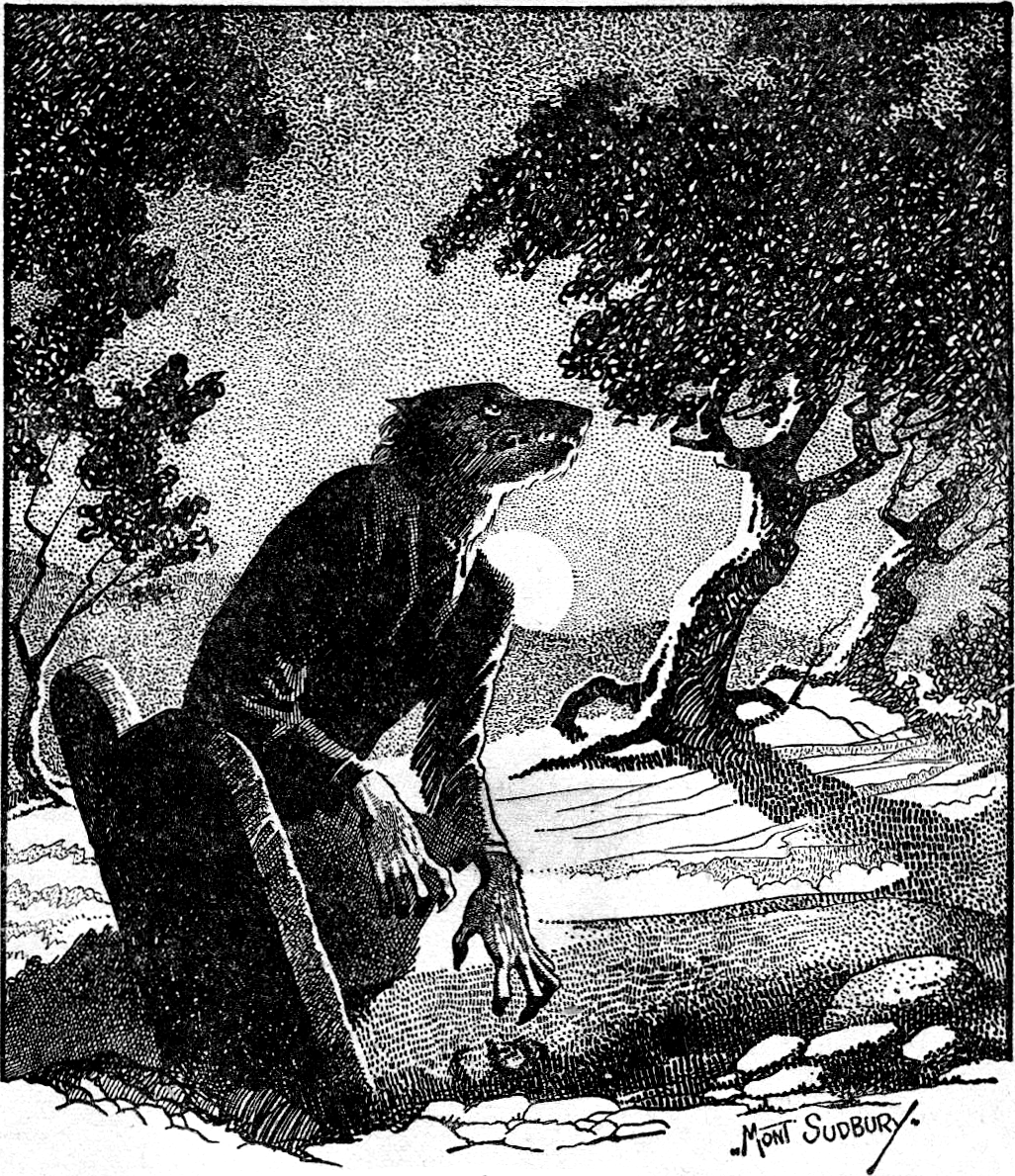 🇫🇷 France and 5 moreWerewolf
A mythical shapeshifter that turns into a wolf, central to European witch-hunts and Gothic horror.Being · Cursing and harm · Wonder and entertainment Legendary
🇫🇷 France and 5 moreWerewolf
A mythical shapeshifter that turns into a wolf, central to European witch-hunts and Gothic horror.Being · Cursing and harm · Wonder and entertainment Legendary
 🇬🇧 United KingdomBeltane Fire Festival
A modern Edinburgh performance celebrating the start of summer with fire and danceRite · Wonder and entertainment · Power and authority Living
🇬🇧 United KingdomBeltane Fire Festival
A modern Edinburgh performance celebrating the start of summer with fire and danceRite · Wonder and entertainment · Power and authority Living