Protection
Warding off the evil eye, spirits, illness and bad luck: amulets, wards and thresholds.
Protection is the most widespread aim of magic. People hang, wear, bury, burn and recite things to keep out the evil eye, harmful spirits, illness and bad luck. The blue nazar, the hamsa, the horseshoe, the red thread, the Japanese omamori and the Ethiopian protective scroll all serve it. This page covers what is guarded, who is thought to need guarding, and how different societies see the practice. It is a good place to start with the subject.
What is guarded
The most guarded are the vulnerable and the valued: newborns, brides, pregnant women, livestock, new houses and travellers. Doorways, windows and crossroads get special care, since they are where inside meets outside. Practices include hanging a lemon and chillies in India, a horseshoe in Britain and Ireland, an eye-bead in Turkey, a mezuzah on Jewish doorposts and a spirit house in Thailand. Beyond doors, people protect journeys, wells, boats and herds, and the guarded thing is usually whatever the family can least afford to lose.
Against what
The danger named varies. In the Middle East and Mediterranean it is the evil eye, a harm said to come from envy or praise. In sub-Saharan Africa it is often witchcraft or a rival's sorcery. In Europe it was witches, fairies and the devil, and in East Asia hungry ghosts and ill-fortune. Protective practice therefore tells a researcher what a community fears and who it suspects. Some marks are drawn in chalk, paint or henna and renewed each year, and others are made once and left to fade.
Faith and the objects
Religions deal with protective objects in different ways. Many Muslim scholars accept verses of the Quran recited for protection and disapprove of beads or knots believed to work by themselves. Catholic Christians use blessed medals, holy water and the sign of the cross. Sikhism rejects talismans, while Buddhist monks bless protective threads and tattoos in Thailand and Cambodia. Official teaching often differs from practice in the village, where one household may wear a charm quietly and say a prayer at the same time.
Scholars and the market
Psychologists suggest protective objects ease anxiety and give a sense of control. Sceptics note that no test has shown them to prevent harm. Commerce is large: charms are mass-produced, and some sellers charge heavily for items promised to ward off disaster. Anyone in real danger or illness should turn to practical help first. Believers usually say the protection is a matter of trust and care, and many say the object matters less than the intention and the community that stands behind it.
Protection on EveryJaadu
The entries written up so far, best known first.
 🇪🇬 Egypt and 1 moreSphinx
A mythical hybrid with a human head and lion body, serving as guardian or riddler in Egyptian and Greek traditions.Being · Protection · Wonder and entertainment Legendary
🇬🇧 United KingdomGlaistig
A Scottish shape-shifting spirit linked to cattle, deer, and haunted castles.Being · Protection · Cursing and harm Legendary
🇪🇬 Egypt and 1 moreSphinx
A mythical hybrid with a human head and lion body, serving as guardian or riddler in Egyptian and Greek traditions.Being · Protection · Wonder and entertainment Legendary
🇬🇧 United KingdomGlaistig
A Scottish shape-shifting spirit linked to cattle, deer, and haunted castles.Being · Protection · Cursing and harm Legendary
 🇫🇷 FranceLady of the LakeDame du Lac
A water spirit who raises knights and captures wizards in Arthurian talesFigure · Protection · Cursing and harm Legendary
🇫🇷 FranceLady of the LakeDame du Lac
A water spirit who raises knights and captures wizards in Arthurian talesFigure · Protection · Cursing and harm Legendary
 🇨🇳 ChinaTaotie饕餮
A zoomorphic mask on ancient Chinese bronzes and a mythological creature of gluttonyFigure · Protection · Cursing and harm Legendary
🇨🇳 ChinaTaotie饕餮
A zoomorphic mask on ancient Chinese bronzes and a mythological creature of gluttonyFigure · Protection · Cursing and harm Legendary
 🇳🇴 Norway and 1 moreHuldra
A seductive forest spirit of Scandinavian folklore with a hidden animal tail.Being · Protection Legendary
🇳🇴 Norway and 1 moreHuldra
A seductive forest spirit of Scandinavian folklore with a hidden animal tail.Being · Protection Legendary
 🇷🇺 Russia and 4 moreBaba Yaga
A complex Slavic witch figure who lives in a moving hut and flies in a mortar.Figure · Cursing and harm · Protection Legendary
🇷🇺 Russia and 4 moreBaba Yaga
A complex Slavic witch figure who lives in a moving hut and flies in a mortar.Figure · Cursing and harm · Protection Legendary
 🇨🇳 ChinaZhang Guolao张果老
A Taoist immortal known for his white donkey and fish drum, said to be a bat spirit.Figure · Protection · Luck and prosperity Legendary
🇨🇳 ChinaZhang Guolao张果老
A Taoist immortal known for his white donkey and fish drum, said to be a bat spirit.Figure · Protection · Luck and prosperity Legendary
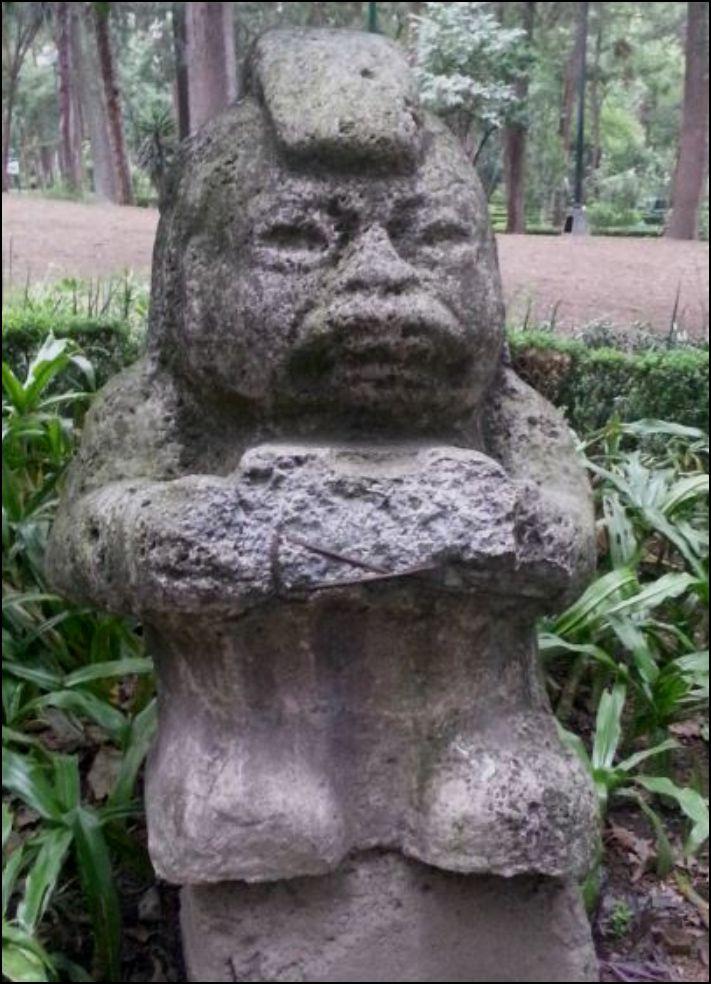 🇲🇽 MexicoChaneque
Mexican folklore sprites that guard nature and homesBeing · Protection · Cursing and harm Legendary
🇲🇽 MexicoChaneque
Mexican folklore sprites that guard nature and homesBeing · Protection · Cursing and harm Legendary
 🇬🇷 Greece and 3 moreHellhound
A mythological canine that guards the underworld or serves demonic forces across global folkloreBeing · Protection · Cursing and harm Legendary
🇬🇷 Greece and 3 moreHellhound
A mythological canine that guards the underworld or serves demonic forces across global folkloreBeing · Protection · Cursing and harm Legendary
 🇮🇪 IrelandPúca
A shape-shifting spirit of Celtic folklore that brings fortune or mischiefBeing · Luck and prosperity · Cursing and harm Legendary
🇮🇪 IrelandPúca
A shape-shifting spirit of Celtic folklore that brings fortune or mischiefBeing · Luck and prosperity · Cursing and harm Legendary
 🇬🇧 United KingdomBrowniebrùnaidh
A nocturnal household spirit from Scottish folklore that performs chores in exchange for offerings.Being · Protection · Luck and prosperity Legendary
🇬🇧 United KingdomBrowniebrùnaidh
A nocturnal household spirit from Scottish folklore that performs chores in exchange for offerings.Being · Protection · Luck and prosperity Legendary
 🇷🇺 RussiaKikimoraКикимора
A female house spirit in Slavic folklore that reflects the state of a home.Being · Cursing and harm · Protection Legendary
🇷🇺 RussiaKikimoraКикимора
A female house spirit in Slavic folklore that reflects the state of a home.Being · Cursing and harm · Protection Legendary
 🇷🇺 Russia and 3 moreLeshyлеший
A forest spirit from Slavic folklore who guards the woods and misleads travelers.Being · Protection · Cursing and harm Legendary
🇷🇺 Russia and 3 moreLeshyлеший
A forest spirit from Slavic folklore who guards the woods and misleads travelers.Being · Protection · Cursing and harm Legendary
 🇭🇷 Croatia and 5 moreVilavila (Serbian: вила), víla (Bulgarian: ви́ла)
Slavic nature spirits known for healing, storms, and deadly dancesBeing · Protection · Cursing and harm Legendary
🇭🇷 Croatia and 5 moreVilavila (Serbian: вила), víla (Bulgarian: ви́ла)
Slavic nature spirits known for healing, storms, and deadly dancesBeing · Protection · Cursing and harm Legendary
 🇮🇪 Ireland and 5 moreFairy
A European spirit with magical powers and human form found in folklore and artBeing · Protection · Cursing and harm Legendary
🇭🇺 HungaryTáltos
A Hungarian mythic figure with supernatural powers who acts as a spiritual mediator.Being · Healing · Seeing and foretelling Legendary
🇮🇪 Ireland and 5 moreFairy
A European spirit with magical powers and human form found in folklore and artBeing · Protection · Cursing and harm Legendary
🇭🇺 HungaryTáltos
A Hungarian mythic figure with supernatural powers who acts as a spiritual mediator.Being · Healing · Seeing and foretelling Legendary
 🇯🇵 JapanTengu天狗
Japanese mountain spirits that evolved from ominous birds into protective forest guardians.Being · Cursing and harm · Protection Legendary
🇯🇵 JapanTengu天狗
Japanese mountain spirits that evolved from ominous birds into protective forest guardians.Being · Cursing and harm · Protection Legendary
 🇯🇵 JapanKitsuneきつね
A Japanese fox spirit known for shapeshifting and trickeryBeing · Cursing and harm · Protection Legendary
🇯🇵 JapanKitsuneきつね
A Japanese fox spirit known for shapeshifting and trickeryBeing · Cursing and harm · Protection Legendary
 🇯🇵 JapanAbe no Seimei安倍 晴明
A historical court official turned legendary Japanese onmyōji and folk heroFigure · Protection · Seeing and foretelling Legendary
🇯🇵 JapanAbe no Seimei安倍 晴明
A historical court official turned legendary Japanese onmyōji and folk heroFigure · Protection · Seeing and foretelling Legendary
 🇨🇿 Czech Republic and 4 moreGolemגּוֹלֶם
An animated clay figure from Jewish folklore created to serve or protectBeing · Protection · Power and authority Legendary
🇮🇪 IrelandThe MorríganMórrígan
An Irish goddess of war, fate, and sovereignty who appears as a crow or shape-shifter.Figure · Seeing and foretelling · Cursing and harm Legendary
🇨🇿 Czech Republic and 4 moreGolemגּוֹלֶם
An animated clay figure from Jewish folklore created to serve or protectBeing · Protection · Power and authority Legendary
🇮🇪 IrelandThe MorríganMórrígan
An Irish goddess of war, fate, and sovereignty who appears as a crow or shape-shifter.Figure · Seeing and foretelling · Cursing and harm Legendary
 🇨🇳 China and 2 moreXiezhi獬豸
A one-horned beast from East Asia that separates the guilty from the innocentBeing · Cursing and harm · Protection Legendary
🇬🇧 United KingdomBlack dog
A spectral hound from English folklore that signals death or guards the living.Being · Cursing and harm · Protection Legendary
🇨🇳 China and 2 moreXiezhi獬豸
A one-horned beast from East Asia that separates the guilty from the innocentBeing · Cursing and harm · Protection Legendary
🇬🇧 United KingdomBlack dog
A spectral hound from English folklore that signals death or guards the living.Being · Cursing and harm · Protection Legendary
 🇧🇷 Brazil and 2 moreCurupira
A backwards-footed forest guardian from Brazilian indigenous myth who punishes loggers and misleads travelers.Being · Protection · Cursing and harm Legendary
🇧🇷 Brazil and 2 moreCurupira
A backwards-footed forest guardian from Brazilian indigenous myth who punishes loggers and misleads travelers.Being · Protection · Cursing and harm Legendary
 🇬🇷 GreeceAegisαἰγίς
A mythical shield or skin of Zeus and Athena, symbolizing divine protectionBeing · Protection · Power and authority Legendary
🇬🇷 GreeceAegisαἰγίς
A mythical shield or skin of Zeus and Athena, symbolizing divine protectionBeing · Protection · Power and authority Legendary
 🇪🇬 EgyptSerpopard
A mythical hybrid creature with a serpent-like neck and feline body from ancient Egypt and Mesopotamia.Being · Protection · Power and authority Legendary
🇪🇬 EgyptSerpopard
A mythical hybrid creature with a serpent-like neck and feline body from ancient Egypt and Mesopotamia.Being · Protection · Power and authority Legendary
 🇪🇸 SpainBasajaun
A hairy forest lord of Basque myth who protects livestock and teaches human skillsBeing · Protection · Power and authority Legendary
🇪🇸 SpainBasajaun
A hairy forest lord of Basque myth who protects livestock and teaches human skillsBeing · Protection · Power and authority Legendary
 🇵🇾 Paraguay and 2 moreKurupiCurupí
A Guaraní forest spirit known for his elongated phallus and role as a protector or abductor.Being · Protection · Cursing and harm Legendary
🇰🇷 South KoreaGwisin귀신
A Korean ghost of a human who died, lingering to finish unfinished business.Being · Cursing and harm · Protection Legendary
🇵🇾 Paraguay and 2 moreKurupiCurupí
A Guaraní forest spirit known for his elongated phallus and role as a protector or abductor.Being · Protection · Cursing and harm Legendary
🇰🇷 South KoreaGwisin귀신
A Korean ghost of a human who died, lingering to finish unfinished business.Being · Cursing and harm · Protection Legendary
 🇨🇳 ChinaDenglong蹬龙
A Chinese mythical beast with mixed animal traits, often guarding imperial sites.Being · Protection · Power and authority Legendary
🇷🇴 RomaniaZână
A Romanian woodland spirit linked to Diana that guides travelers and blesses children.Being · Protection · Luck and prosperity Legendary
🇨🇳 ChinaDenglong蹬龙
A Chinese mythical beast with mixed animal traits, often guarding imperial sites.Being · Protection · Power and authority Legendary
🇷🇴 RomaniaZână
A Romanian woodland spirit linked to Diana that guides travelers and blesses children.Being · Protection · Luck and prosperity Legendary
 🇪🇪 EstoniaThe Dragon of the NorthPõhja konn
A legendary frog-like monster from Estonian folklore, later reimagined as a cultural guardian.Figure · Cursing and harm · Protection Legendary
🇨🇳 ChinaXirang息壤
A magical soil in Chinese mythology that expands to control flood watersSubstance · Protection Legendary
🇸🇪 SwedenRå
Guardian spirits of nature in Scandinavian folkloreBeing · Protection Legendary
🇸🇪 SwedenAskafroa
A Scandinavian tree spirit believed to guard the ash and demand appeasement.Being · Cursing and harm · Protection Legendary
🇪🇪 EstoniaThe Dragon of the NorthPõhja konn
A legendary frog-like monster from Estonian folklore, later reimagined as a cultural guardian.Figure · Cursing and harm · Protection Legendary
🇨🇳 ChinaXirang息壤
A magical soil in Chinese mythology that expands to control flood watersSubstance · Protection Legendary
🇸🇪 SwedenRå
Guardian spirits of nature in Scandinavian folkloreBeing · Protection Legendary
🇸🇪 SwedenAskafroa
A Scandinavian tree spirit believed to guard the ash and demand appeasement.Being · Cursing and harm · Protection Legendary
 🇵🇾 ParaguayJasy Jatere
A Guaraní spirit of the moon who guards yerba mate and enforces the siestaBeing · Protection · Luck and prosperity Legendary
🇵🇾 ParaguayJasy Jatere
A Guaraní spirit of the moon who guards yerba mate and enforces the siestaBeing · Protection · Luck and prosperity Legendary
 🇷🇺 Russia and 2 moreSupernatural beings in Slavic religion
Mythic entities of nature, death, and fate in Slavic folklore and belief.Being · Protection · Cursing and harm Legendary
🇷🇺 Russia and 2 moreSupernatural beings in Slavic religion
Mythic entities of nature, death, and fate in Slavic folklore and belief.Being · Protection · Cursing and harm Legendary
 🇬🇷 Greece and 1 moreMinoan Genius
A composite creature from Bronze Age Crete, often shown as a libation bearer or sacrificial attendant.Being · Protection · Speaking with spirits and the dead Legendary
🇷🇺 RussiaAbzar iyesiAbzar іyesi
A Turkic courtyard spirit that guards farmsteads and livestockBeing · Protection · Power and authority Legendary
🇹🇹 Trinidad and Tobago and 2 moreMama D'Leau
A river spirit of the Caribbean islands who protects aquatic life and heals people.Being · Healing · Protection Legendary
🇬🇷 Greece and 1 moreMinoan Genius
A composite creature from Bronze Age Crete, often shown as a libation bearer or sacrificial attendant.Being · Protection · Speaking with spirits and the dead Legendary
🇷🇺 RussiaAbzar iyesiAbzar іyesi
A Turkic courtyard spirit that guards farmsteads and livestockBeing · Protection · Power and authority Legendary
🇹🇹 Trinidad and Tobago and 2 moreMama D'Leau
A river spirit of the Caribbean islands who protects aquatic life and heals people.Being · Healing · Protection Legendary
 🇦🇹 Austria and 3 moreSalige Frau
A blissful Alpine spirit who guides farmers and guards mountain gameFigure · Protection · Healing Legendary
🇦🇹 Austria and 3 moreSalige Frau
A blissful Alpine spirit who guides farmers and guards mountain gameFigure · Protection · Healing Legendary
 🇮🇳 India and 2 moreAiravataऐरावत
A pristine white mythic elephant that carries the king of gods and controls the rains.Being · Power and authority · Protection Legendary
🇷🇴 RomaniaMuma Pădurii
A forest spirit in Romania who protects nature and punishes those who harm itBeing · Protection · Cursing and harm Legendary
🇮🇳 India and 2 moreAiravataऐरावत
A pristine white mythic elephant that carries the king of gods and controls the rains.Being · Power and authority · Protection Legendary
🇷🇴 RomaniaMuma Pădurii
A forest spirit in Romania who protects nature and punishes those who harm itBeing · Protection · Cursing and harm Legendary
 🇱🇹 Lithuania and 1 moreAšvieniai
Twin horse deities of Baltic mythology who pull the sun chariotBeing · Protection Legendary
🇱🇹 Lithuania and 1 moreAšvieniai
Twin horse deities of Baltic mythology who pull the sun chariotBeing · Protection Legendary
 🇰🇷 South KoreaKorean dragon용/룡; 미르
A benevolent water spirit and royal symbol in Korean mythology and folkloreBeing · Protection · Luck and prosperity Legendary
🇺🇸 United StatesWoman in Black
A spectral figure from Appalachian folklore said to punish men for moral failingsBeing · Cursing and harm · Protection Legendary
🇰🇷 South KoreaKorean dragon용/룡; 미르
A benevolent water spirit and royal symbol in Korean mythology and folkloreBeing · Protection · Luck and prosperity Legendary
🇺🇸 United StatesWoman in Black
A spectral figure from Appalachian folklore said to punish men for moral failingsBeing · Cursing and harm · Protection Legendary
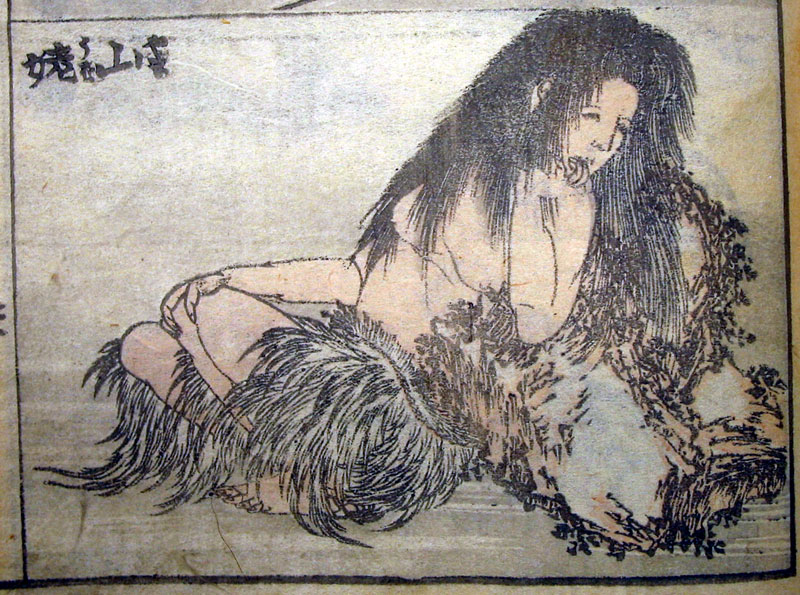 🇯🇵 JapanYama-uba山姥
A Japanese mountain spirit depicted as either a cannibalistic monster or a benevolent guardian.Being · Cursing and harm · Luck and prosperity Legendary
🇯🇵 JapanYama-uba山姥
A Japanese mountain spirit depicted as either a cannibalistic monster or a benevolent guardian.Being · Cursing and harm · Luck and prosperity Legendary
 🇺🇸 United StatesMoll Dyer
A Maryland folktale about a woman accused of witchcraft and her cursed stoneFigure · Cursing and harm · Protection Legendary
🇺🇸 United StatesMoll Dyer
A Maryland folktale about a woman accused of witchcraft and her cursed stoneFigure · Cursing and harm · Protection Legendary
Photo credits on this page
The small pictures above come from Wikimedia Commons under free licences. Some are cropped to fit.
- Golem: user Thander, Public domain, source
- Lady of the Lake: Internet Archive Book Images, No restrictions, source
- Supernatural beings in Slavic religion: Bartolomeo Giuliano, CC BY-SA 3.0, source
- Huldra: Bernard Evans Ward, Public domain, source
- Baba Yaga: Ivan Bilibin, Public domain, source
- Kurupi: FrankOWeaver, CC BY-SA 3.0, source
- Sphinx: Ipipipourax, CC BY-SA 3.0, source
- Onmyōdō: Unknown author, Public domain, source
- Zhang Guolao: Hong Zicheng, Public domain, source
- Curse: Katsushika Hokusai, Public domain, source
- Chaneque: Unknown author, CC BY-SA 4.0, source
- Hellhound: Louis Le Breton, Public domain, source
- Púca: Wirt Sikes, Public domain, source
- Brownie: Unknown author, CC BY-SA 2.5, source
- Kikimora: Гиппиус Татьяна Николаевна (1877-1957), Public domain, source
- Leshy: Γραφέας, CC BY-SA 4.0, source
- Vila: Scan by NYPL, Public domain, source
- Fairy: Henry Fuseli, Public domain, source
- Kitsune: Yoshitoshi, Public domain, source
- Ašvieniai: Wojsyl , 2005, CC BY-SA 3.0, source
- Serpopard: Unknown author, CC BY-SA 4.0, source
- Basajaun: Airiartmed2, CC BY-SA 4.0, source
- Denglong: Shizhao, CC BY-SA 3.0, source
- The Dragon of the North: Ivo Kruusamägi, CC BY-SA 4.0, source
- Yama-uba: Unknown author, Public domain, source
- Moll Dyer: Dougtone, CC BY-SA 2.0, source
- Taotie: anonymous, CC0, source
- Salige Frau: various, Public domain, source
- Airavata: Unknown, India, Rajasthan, Amber, South Asia, Public domain, source
- Aegis: Unknown creator, Public domain, source
- Minoan Genius: Zde, CC BY-SA 3.0, source
- Korean dragon: Unknown author, CC BY 4.0, source
- Xiezhi: Carty239 at English Wikipedia, Public domain, source
- Jasy Jatere: Patty P, Public domain, source
- Curupira: Sturm, CC BY-SA 4.0, source