Muma Pădurii
from Romanian muma pădurii, meaning mother of the forest
A forest spirit in Romania who protects nature and punishes those who harm it
In Romanian folklore, Muma Pădurii is a mischievous or mad old woman who lives deep in the virgin forests. She protects animals and plants but drives away trespassers by scaring them or making them lose their minds.
- Lives in virgin forests in a hidden hut or tree
- Protects animals and heals dying forests
- Drives trespassers mad to keep them away
- Name means mother of the forest in Romanian
- Used in modern speech to call someone ugly
What it is
Muma Pădurii is a figure from Romanian folklore described as an ugly, mischievous, or mad old woman. She dwells in the heart of virgin forests, often said to live in a hidden hut or inside an old tree. She stands in contrast to benevolent fairies like Zână. While she is considered a neutral creature, she acts as a fierce protector of the natural world. She brews potions to help injured animals and works to heal dying forests. However, she is also feared for her hostility toward humans who enter her domain without permission.
Where it comes from
The name literally translates to mother of the forest. The word mumă is an archaic form of mamă, which means mother. This archaic term gives the name a fairy tale quality for Romanian readers. The character shares traits with other folkloric crones and witches found in European stories. She is often compared to the witch from Hansel and Gretel due to similar themes of child endangerment and forest isolation.
Muma Pădurii, drawn and placed
- Living
- Revived
- Fading
- Historical
- Legendary
- Performed
- Lineage
- Romanian folklore
What it is for
She is believed to protect wildlife and plant life within the forest. Her primary role is to keep unwanted trespassers away. Those who harm the forest or intrude upon her territory may find themselves driven mad or terrified by her presence. Conversely, she is thought to aid injured creatures and restore health to damaged parts of the woodland ecosystem.
Peoples and places
This figure is specific to Romanian culture and folklore. In modern times, the phrase she looks like Muma Pădurii is used to describe someone who is ugly. The character appears in various folktales where she kidnaps children and enslaves them. One popular story involves her attempting to boil a child alive, only to be outsmarted by a sibling who pushes her into an oven instead.
At a glance: who, where and when
Peoples
Belief worlds
What people believe
She is viewed as a spirit of the forest rather than a purely evil entity. She harms only those who harm the environment. Despite her protective nature, she is feared because she is thought to attack and abduct children. Because of this fear, people use spells known as descântece against her. These rituals are intended to ward off her influence and protect families from her grasp.
How scholars and sceptics see it
Scholars classify Muma Pădurii as a folklore character and a crone. She is part of the broader mythology of Romania. Researchers note her similarities to other international figures such as Baba Yaga, Black Annis, and Nocnitsa. She is also linked to the archetype of the hag or witch in fairy tales. Modern cultural references sometimes draw on her image for fictional characters.
Compare and confuse
She is often compared to Baba Yaga from Slavic folklore and Black Annis from English legend. Both are old women associated with forests and danger. She is also related to the concept of Mother Nature but with a darker, more dangerous twist. The Beldam from Coraline is noted as being based on her character.
Today
The character remains a part of Romanian cultural identity. People still use her name as an insult regarding physical appearance. She appears in modern adaptations of folklore and fantasy media. Her image continues to inspire artists and writers who explore traditional Romanian myths.
Questions people ask about Muma Pădurii
Who is Muma Pădurii?
She is an old woman spirit from Romanian folklore who lives in deep forests. She protects nature but scares away people who trespass.
What does her name mean?
It translates to mother of the forest. The word mumă is an old way of saying mother, giving it a fairy tale feel.
Is she good or bad?
She is neutral. She helps animals and heals the forest. But she hurts people who harm nature or enter her home.
Why do people use spells against her?
People fear she kidnaps and harms children. They use spells called descântece to protect their kids from her.
Good reading and sources
The facts on this page come from the Wikipedia article "Muma Pădurii", written by its contributors and used under the CC BY-SA 4.0 licence, and from its Wikidata record (CC0). EveryJaadu rewrote the text in its own words, with AI assistance, and compares every page with the article to make sure no passage is copied. It may be reused under the same CC BY-SA 4.0 licence with a link back.
It may contain mistakes. Names and customs differ from one community to the next, and some knowledge is closed to outsiders and left out here. This page describes belief and practice. It does not say that any of it works, it is not a how-to, and it is not medical advice. If something is wrong, tell us. Last refreshed 2026-10-06.
More from Romania
All the entries from Romania 🇷🇸 Serbia and 5 moreVampire
An undead creature from folklore that feeds on the blood or life force of the livingBeing · Cursing and harm · Luck and prosperity Legendary
🇷🇴 Romania and 2 moreStrigoi
A Romanian undead spirit linked to witchcraft and vampirismBeing · Cursing and harm Historical
🇷🇸 Serbia and 5 moreVampire
An undead creature from folklore that feeds on the blood or life force of the livingBeing · Cursing and harm · Luck and prosperity Legendary
🇷🇴 Romania and 2 moreStrigoi
A Romanian undead spirit linked to witchcraft and vampirismBeing · Cursing and harm Historical
 🇫🇷 France and 5 moreRevenant
An animated corpse or spirit that returns from the grave to haunt the livingBeing · Cursing and harm Legendary
🇷🇴 Romania and 2 moreSolomonariȘolomonar
A Romanian weather wizard who rides a dragon and controls the storms.Being · Cursing and harm · Luck and prosperity Legendary
🇫🇷 France and 5 moreRevenant
An animated corpse or spirit that returns from the grave to haunt the livingBeing · Cursing and harm Legendary
🇷🇴 Romania and 2 moreSolomonariȘolomonar
A Romanian weather wizard who rides a dragon and controls the storms.Being · Cursing and harm · Luck and prosperity Legendary
Related elsewhere
All being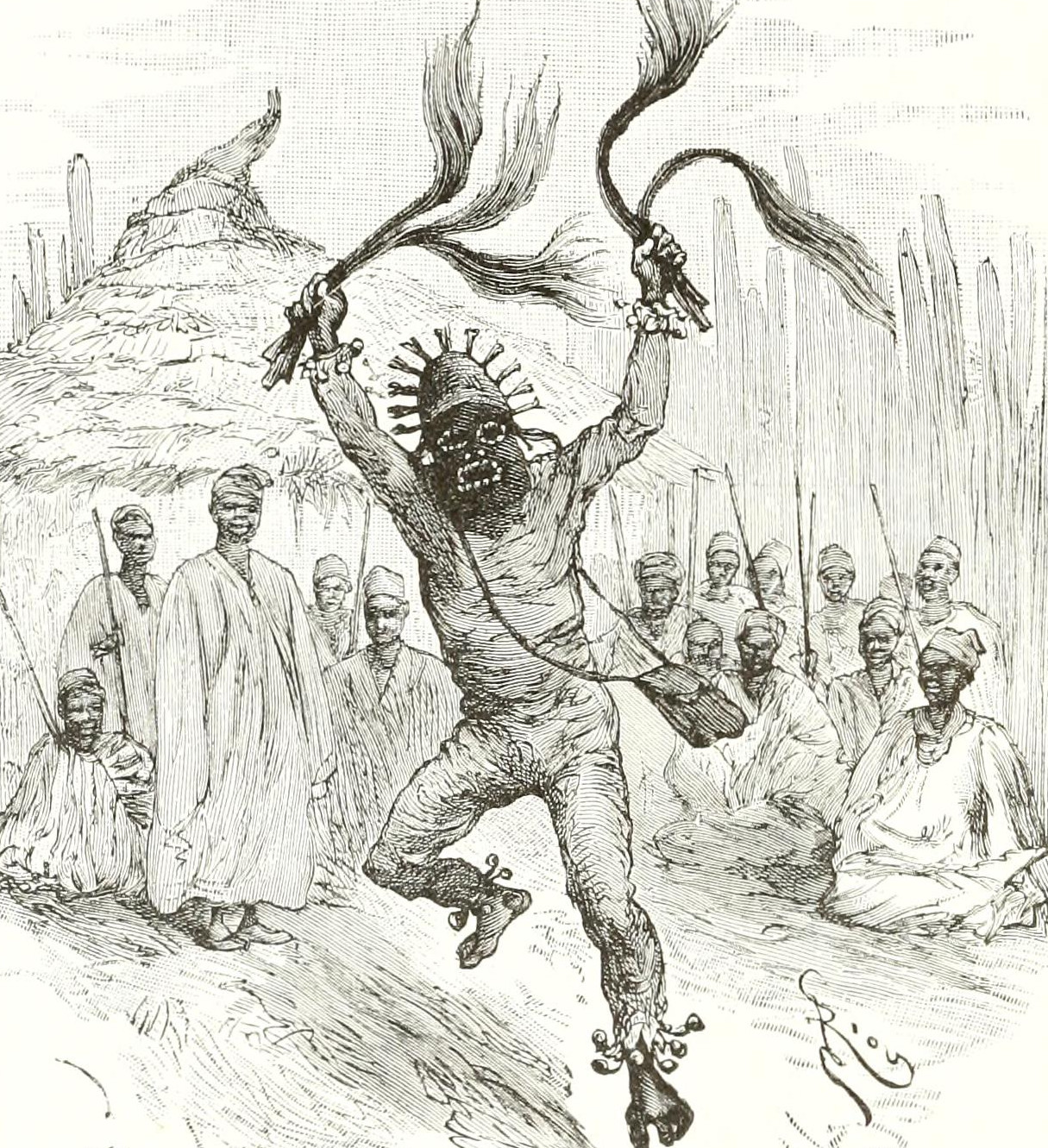 🇺🇸 United States and 2 moreLouisiana Voodoo
An African diasporic religion practiced in Louisiana from the 18th to early 20th centuriesTradition · Healing · Protection Historical
🇺🇸 United States and 2 moreLouisiana Voodoo
An African diasporic religion practiced in Louisiana from the 18th to early 20th centuriesTradition · Healing · Protection Historical
 🇮🇳 India and 1 moreYoginiयोगिनी
A female master of yoga and tantra, or a fierce goddess aspect in Indian temples.Tradition · Power and authority · Protection Historical
🇮🇳 India and 1 moreYoginiयोगिनी
A female master of yoga and tantra, or a fierce goddess aspect in Indian temples.Tradition · Power and authority · Protection Historical
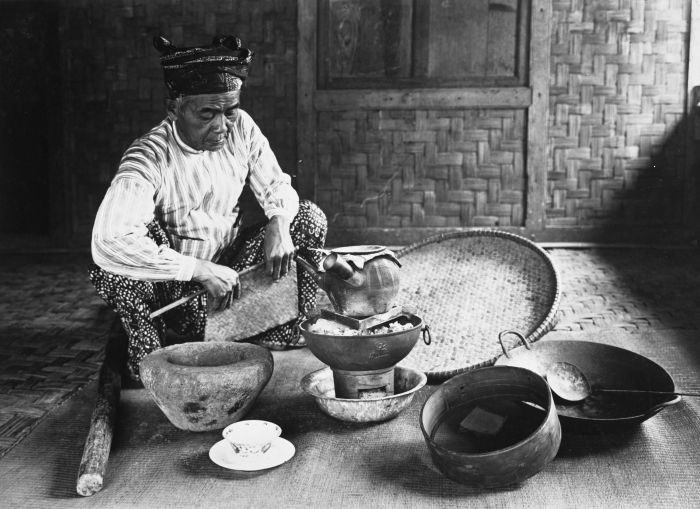 🇮🇩 Indonesia and 2 moreDukun
A traditional healer and spirit medium in Indonesian folk practiceTradition · Healing · Seeing and foretelling Living
🇮🇩 Indonesia and 2 moreDukun
A traditional healer and spirit medium in Indonesian folk practiceTradition · Healing · Seeing and foretelling Living
 🇮🇷 Iran and 1 moreJinnجِنّ
Supernatural beings in Islamic and pre-Islamic Arabian belief, created from smokeless fire.Being · Protection · Cursing and harm Living
🇮🇷 Iran and 1 moreJinnجِنّ
Supernatural beings in Islamic and pre-Islamic Arabian belief, created from smokeless fire.Being · Protection · Cursing and harm Living