
Minoan Genius
from Latin genius, a guardian spirit
A composite creature from Bronze Age Crete, often shown as a libation bearer or sacrificial attendant.
The Minoan Genius is a legendary figure appearing in the art of ancient Crete. It likely evolved from Egyptian protective deities and served as a benign spiritual attendant to gods and humans.
- Composite beast with lion or hippo heads
- Derived from Egyptian goddess Taweret
- Found on Bronze Age seals
- Acts as libation bearer
- Assisted in animal sacrifice
What it is
The Minoan Genius is a mythical beast found throughout the artwork of Bronze Age Crete. Artists depicted it with the head of a lion or a hippopotamus, combined with a human body. These figures appear mostly on carved seals, where they stand beside gods as supporters. The name comes from a later word for a guardian spirit. While sometimes called a demon, the creature was generally seen as helpful rather than harmful.
Where it comes from
Scholars believe the Genius originated from the Egyptian goddess Taweret, who protected mothers and children. This connection formed between 1800 and 1700 BC through cultural contact. The form spread to mainland Greece during the Mycenaean period. Another common beast in this art is the griffin, which pulled divine chariots.
How it is done
Artists showed the Genius holding water vessels like ewers, suggesting it poured drinks for the gods. In ritual scenes, it accompanied heroes during sacrifices. One seal shows the creature killing a bull with a spear. Another image depicts it urging a hero to stab a lion. These images show the beast assisting in religious duties without always performing violence itself.
Tools and materials
Carved stone seals are the main source of these images. The creatures hold metal weapons such as swords and spears. They also carry ceramic water jars used for pouring liquids. These objects define the role of the Genius as both a protector and a servant in religious ceremonies.
Minoan Genius, drawn and placed
- Living
- Revived
- Fading
- Historical
- Legendary
- Performed
- Lineage
- Minoan religion
What it is for
The Genius acted as a helper to deities and humans. Its link to Taweret suggests it offered protection during childbirth. Carrying water implies it facilitated communication with the divine through offerings. In sacrifice scenes, it ensured the proper completion of the ritual act.
Who does it
No living practitioners exist today. Scholars study the seals and artifacts to understand the creature's role. Researchers analyze the artistic details to trace how Egyptian ideas changed over time in the Aegean region.
Peoples and places
The Minoans created the original forms on Crete. Later, the Mycenaeans adopted the figure for their own religious art. The style shows clear influence from Egyptian culture, adapted to fit local beliefs about spirits and guardians.
At a glance: who, where and when
What people believe
The creature represents a benign spiritual force. It bridges the human world and the realm of the gods. Its animal heads symbolize strength and wild power, while its human body allows it to interact with people. It functions as a guardian similar to later classical daemons.
Cautions and what is closed
This subject concerns ancient mythology and archaeology. There are no modern risks associated with the legend itself. Historical research relies on physical artifacts rather than oral traditions.
Compare and confuse
The Griffin is another composite beast in Minoan art, often pulling chariots. Unlike the Genius, the Griffin has a bird's head. Both figures serve divine purposes but differ in appearance and specific actions within the myths.
Questions people ask about Minoan Genius
What is the Minoan Genius?
It is a legendary creature from ancient Crete shown with animal heads and a human body. It appears on seals as a helper to gods and humans.
Where did the Minoan Genius come from?
Scholars believe it evolved from the Egyptian goddess Taweret around 1800 BC. The Minoans adapted her protective traits into their own art.
What does the Genius do in the images?
It holds water jars for pouring offerings. It also stands by gods and helps heroes during rituals like animal sacrifice.
Good reading and sources
- Minoan Genius on WikipediaEncyclopedia
- More photos on Wikimedia CommonsPhotos and video
- Wikidata recordOpen data
The facts on this page come from the Wikipedia article "Minoan Genius", written by its contributors and used under the CC BY-SA 4.0 licence, and from its Wikidata record (CC0). EveryJaadu rewrote the text in its own words, with AI assistance, and compares every page with the article to make sure no passage is copied. It may be reused under the same CC BY-SA 4.0 licence with a link back.
It may contain mistakes. Names and customs differ from one community to the next, and some knowledge is closed to outsiders and left out here. This page describes belief and practice. It does not say that any of it works, it is not a how-to, and it is not medical advice. If something is wrong, tell us. Last refreshed 2026-10-06.
More from Greece
All the entries from Greece 🇷🇸 Serbia and 5 moreVampire
An undead creature from folklore that feeds on the blood or life force of the livingBeing · Cursing and harm · Luck and prosperity Legendary
🇷🇸 Serbia and 5 moreVampire
An undead creature from folklore that feeds on the blood or life force of the livingBeing · Cursing and harm · Luck and prosperity Legendary
 🇬🇷 GreeceTriple Goddess
A Neopagan deity representing three female life stages and lunar phasesBeing · Power and authority Living
🇬🇷 GreeceTriple Goddess
A Neopagan deity representing three female life stages and lunar phasesBeing · Power and authority Living
 🇬🇷 GreeceCirceΚίρκη
A Greek goddess and witch known for turning men into beasts with her potionsBeing · Cursing and harm · Love and attraction Legendary
🇬🇷 GreeceCirceΚίρκη
A Greek goddess and witch known for turning men into beasts with her potionsBeing · Cursing and harm · Love and attraction Legendary
 🇬🇷 Greece and 3 moreHellhound
A mythological canine that guards the underworld or serves demonic forces across global folkloreBeing · Protection · Cursing and harm Legendary
🇬🇷 Greece and 3 moreHellhound
A mythological canine that guards the underworld or serves demonic forces across global folkloreBeing · Protection · Cursing and harm Legendary
Related elsewhere
All being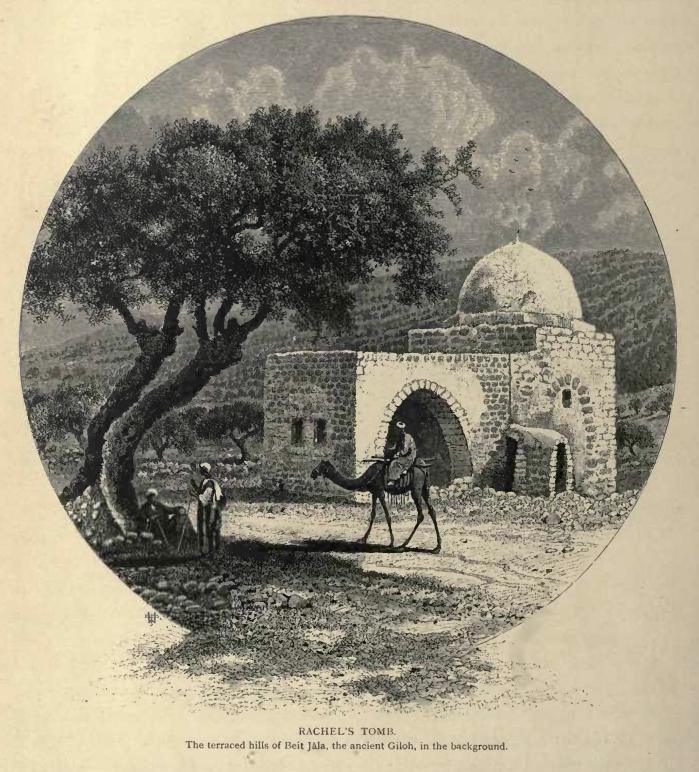 🇵🇸 Palestine and 1 moreRachel's TombQever Raḥel; Qabr Rāḥīl
A shared holy site near Bethlehem revered by Jews, Christians, and MuslimsTradition · Speaking with spirits and the dead · Protection Living
🇳🇿 New ZealandKarakia
Māori recitations used for spiritual guidance, protection, and formal greetingsTradition · Protection · Speaking with spirits and the dead Living
🇵🇸 Palestine and 1 moreRachel's TombQever Raḥel; Qabr Rāḥīl
A shared holy site near Bethlehem revered by Jews, Christians, and MuslimsTradition · Speaking with spirits and the dead · Protection Living
🇳🇿 New ZealandKarakia
Māori recitations used for spiritual guidance, protection, and formal greetingsTradition · Protection · Speaking with spirits and the dead Living
 🇮🇳 India and 2 moreHomaहोम
A fire ritual found across Asian religions where offerings are burned as a votive exchange with the divine.Rite · Protection · Speaking with spirits and the dead Living
🇨🇳 China and 4 moreKitchen God灶君
The Chinese hearth deity who reports domestic conduct to the Jade EmperorBeing · Protection · Luck and prosperity Living
🇮🇳 India and 2 moreHomaहोम
A fire ritual found across Asian religions where offerings are burned as a votive exchange with the divine.Rite · Protection · Speaking with spirits and the dead Living
🇨🇳 China and 4 moreKitchen God灶君
The Chinese hearth deity who reports domestic conduct to the Jade EmperorBeing · Protection · Luck and prosperity Living