
Korean dragon
In its own language: 용/룡; 미르
from the Korean word yong or ryong, meaning dragon
A benevolent water spirit and royal symbol in Korean mythology and folklore
The Korean dragon is a legendary creature from Korean mythology, often called Mir or Miri. Unlike European dragons, it is a benevolent being linked to water, agriculture, and rain, serving as a potent symbol of royal power and divine authority.
- Korean dragons are benevolent water spirits, not fire-breathing monsters.
- They are believed to have 81 scales, representing the auspicious number nine.
- The gonryongpo royal robe featured five dragons to symbolize the king's authority.
- Imugi are hornless serpents that may transform into dragons by catching a yeouiju.
- Gangcheori are venomous monsters associated with drought and storms.
What it is
The Korean dragon is a legendary creature deeply embedded in the mythology and folklore of Korea. It is primarily known by the names yong or ryong, with older or regional variants including Mir and Miri. In contrast to the destructive fire-breathing dragons of European tales, the Korean dragon is a benevolent entity associated with water, clouds, and agriculture. These creatures are said to inhabit rivers, lakes, oceans, and deep mountain ponds, acting as bringers of life-giving rain. They appear frequently in ancient art and texts, where they are sometimes depicted as sentient beings capable of complex emotions like gratitude and kindness.
Where it comes from
The concept of the Korean dragon shares roots with other East Asian dragon traditions, particularly those of China and Japan. However, distinct features emerged over time, such as the development of a longer beard compared to its Chinese counterparts. The number nine holds significant auspicious value in Korean culture, reflected in the belief that dragons possess eighty-one scales on their backs, representing yang essence. A notable physical trait is the presence of four toes with thumbs, which allows them to wield the yeouiju, a mythical orb of creation, unlike lesser three-toed dragons.
Tools and materials
Central to the iconography of the Korean dragon is the yeouiju, a giant orb known as the Cintamani in other traditions. This object grants omnipotence and creation at will to whoever can hold it. Only the wise and powerful four-toed dragons are depicted carrying this orb in their claws or mouth. Additionally, the dragon's appearance is marked by its eighty-one scales, a number derived from the culturally significant digit nine, symbolizing the yang essence and cosmic order.
Korean dragon, drawn and placed
- Living
- Revived
- Fading
- Historical
- Legendary
- Performed
- Lineage
- Korean mythology
What it is for
The dragon serves as a powerful emblem of protection, authority, and divine legitimacy within Korean culture. Historically, it transcended mere mythology to become a crucial part of royal and military identity. Kings and crown princes wore the gonryongpo, a royal robe embroidered with five dragons, symbolizing their supreme authority and role as mediators between heaven and earth. The creature also inspired military morale and design, appearing on warships to instill fear in enemies and represent strength.
Peoples and places
The tradition is central to Korean cultural identity, with variations found across the peninsula and among diaspora communities. While the primary dragon is benevolent, Korean folklore includes other serpentine beings like the imugi and gangcheori. The imugi is often described as a hornless, python-like creature that may aspire to become a true dragon, while the gangcheori is a venomous monster associated with drought and storms. These distinctions highlight the diverse ways Korean storytelling categorizes serpentine powers.
At a glance: who, where and when
Peoples


What people believe
Korean cosmology views the dragon as a mediator between the natural and cosmic orders. Its association with water and rain underscores its role in sustaining agriculture and life. The belief in the yeouiju suggests a magical source of creation accessible only to the most virtuous and powerful beings. The transformation of imugis into dragons, often requiring the capture of a heavenly orb or survival for a thousand years, reflects beliefs about spiritual ascension and the rewards of perseverance.
How scholars and sceptics see it
Scholars of mythology and folklore analyze the Korean dragon as a key component of East Asian mythological systems. Research often compares it with Chinese and Japanese dragons to trace cultural exchanges and distinct regional developments. Anthropologists note the dragon's enduring presence in Korean art and literature, highlighting its evolution from a purely mythological figure to a symbol of national and royal identity. Studies also explore the psychological impact of dragon imagery in historical contexts, such as naval warfare.
Compare and confuse
The Korean dragon is often compared to the Chinese and Japanese dragons due to shared visual traits and mythological themes. However, it differs in specific details like scale count and toe structure. It is also related to the Naga of South and Southeast Asian traditions, though these differ in cultural context. The imugi and gangcheori are distinct entities within Korean folklore, sometimes confused with the main dragon but serving different narrative roles as proto-dragons or malevolent monsters.
Today
The Korean dragon remains a vibrant symbol in modern popular culture, appearing in films, television dramas, and literature. Recent productions have reimagined the imugi and gangcheori as complex characters, exploring themes of power, revenge, and transformation. These adaptations keep the mythological figures relevant to contemporary audiences, ensuring the continued interest in Korean dragon lore beyond academic or traditional contexts.
Questions people ask about Korean dragon
What is a Korean dragon?
The Korean dragon, known as yong or ryong, is a legendary creature from Korean mythology. It is a benevolent being associated with water, rain, and agriculture, differing from the destructive dragons of European folklore.
How is the Korean dragon different from a Chinese dragon?
While similar in appearance, the Korean dragon developed a longer beard. It is also distinguished by having four toes with thumbs, allowing it to wield the yeouiju orb, whereas lesser dragons have three toes.
What is an Imugi?
An Imugi is a hornless, python-like creature in Korean folklore. It is considered a proto-dragon that may become a true dragon if it catches a yeouiju orb or survives for a thousand years.
What is the Yeouiju?
The Yeouiju is a mythical orb, known as the Cintamani, that grants omnipotence and creation. Only wise, four-toed dragons are said to be powerful enough to wield it.
Good reading and sources
The facts on this page come from the Wikipedia article "Korean dragon", written by its contributors and used under the CC BY-SA 4.0 licence, and from its Wikidata record (CC0). EveryJaadu rewrote the text in its own words, with AI assistance, and compares every page with the article to make sure no passage is copied. It may be reused under the same CC BY-SA 4.0 licence with a link back.
It may contain mistakes. Names and customs differ from one community to the next, and some knowledge is closed to outsiders and left out here. This page describes belief and practice. It does not say that any of it works, it is not a how-to, and it is not medical advice. If something is wrong, tell us. Last refreshed 2026-10-08.
More from South Korea
All the entries from South Korea 🇨🇳 China and 3 moreQilin麒麟
A legendary chimerical creature from Chinese mythology that signals the arrival or death of a sage.Being · Power and authority Legendary
🇨🇳 China and 3 moreQilin麒麟
A legendary chimerical creature from Chinese mythology that signals the arrival or death of a sage.Being · Power and authority Legendary
 🇰🇷 South KoreaJeoseung Saja저승사자
A Korean psychopomp who escorts the dead to the afterlife.Being · Speaking with spirits and the dead Living
🇰🇷 South KoreaJeoseung Saja저승사자
A Korean psychopomp who escorts the dead to the afterlife.Being · Speaking with spirits and the dead Living
 🇨🇳 China and 2 moreXiezhi獬豸
A one-horned beast from East Asia that separates the guilty from the innocentBeing · Cursing and harm · Protection Legendary
🇨🇳 China and 2 moreXiezhi獬豸
A one-horned beast from East Asia that separates the guilty from the innocentBeing · Cursing and harm · Protection Legendary
 🇨🇳 China and 3 moreFenghuang鳳凰 (fènghuáng)
A mythological bird symbolizing virtue and imperial harmony in East Asian cultureBeing · Power and authority · Love and attraction Legendary
🇨🇳 China and 3 moreFenghuang鳳凰 (fènghuáng)
A mythological bird symbolizing virtue and imperial harmony in East Asian cultureBeing · Power and authority · Love and attraction Legendary
Related elsewhere
All being 🇰🇭 Cambodia and 3 moreSak Yantសាក់យ័ន្ត
A Southeast Asian tattoo tradition using sacred geometry for protection and powerTradition · Protection · Luck and prosperity Living
🇰🇭 Cambodia and 3 moreSak Yantសាក់យ័ន្ត
A Southeast Asian tattoo tradition using sacred geometry for protection and powerTradition · Protection · Luck and prosperity Living
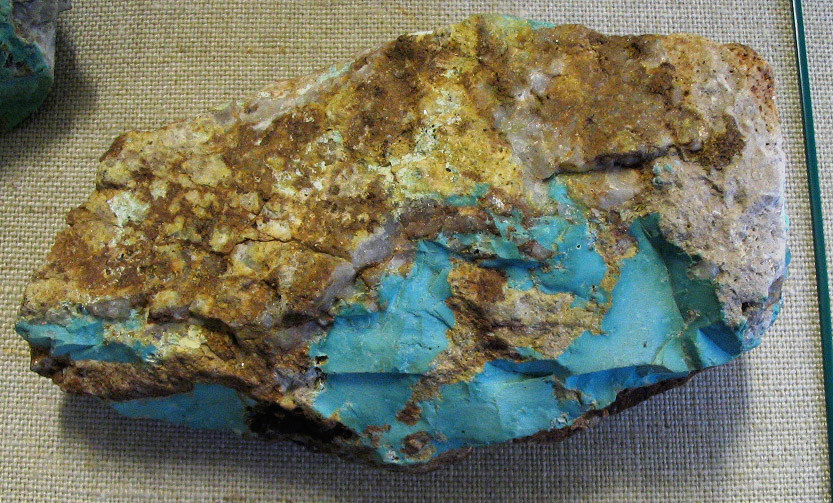 🇮🇷 Iran and 5 moreTurquoise
An opaque blue-green gemstone prized for its color since ancient timesSubstance · Protection · Luck and prosperity Living
🇮🇷 Iran and 5 moreTurquoise
An opaque blue-green gemstone prized for its color since ancient timesSubstance · Protection · Luck and prosperity Living
 🇫🇷 France and 5 moreYule log
A large wooden log burned in the hearth during winter festivals across Europe and North America.Tradition · Protection · Luck and prosperity Living
🇫🇷 France and 5 moreYule log
A large wooden log burned in the hearth during winter festivals across Europe and North America.Tradition · Protection · Luck and prosperity Living
 🇬🇹 GuatemalaMaximónRi Laj Mam
A Maya folk saint and trickster deity venerated in the Guatemalan HighlandsBeing · Protection · Healing Living
🇬🇹 GuatemalaMaximónRi Laj Mam
A Maya folk saint and trickster deity venerated in the Guatemalan HighlandsBeing · Protection · Healing Living