
Ašvieniai
from Proto-Indo-European *ék̂wos, meaning horse
Twin horse deities of Baltic mythology who pull the sun chariot
The Ašvieniai are divine twin horses in Lithuanian and Latvian mythology. They are believed to pull the carriage of the Sun goddess through the sky and serve as household protectors.
- Twin horse deities of Baltic mythology
- Pull the sun chariot across the sky
- Names mean horse in old languages
- Images protect Lithuanian rooftops
- Linked to Latvian Dieva dēli
What it is
The Ašvieniai are twin divine beings from Baltic mythology. In Lithuanian tradition, they are known as Usins and Martins. They are considered the same figures as the Latvian Dieva dēli and the Vedic Ashvins. These deities are part of a wider Indo-European myth pattern called the Divine Twins. They are often shown as horses or as men with white hair. Their main role is to pull the sun’s carriage across the sky. They also act as guardians for homes and farms.
Where it comes from
The names come from an old root word for horse. This links them to other ancient cultures that used similar horse gods. The story of twin horse gods appears in many places. It shows how people once connected the sun’s journey to animals. The twins are children of Dievs. Their mother is sometimes Lada or Saulė. They are linked to other horse gods like Ūsinis. This shows a deep link between horses and the divine in Baltic thought.
How it is done
There are no rituals described for these figures. They are not worshipped in ceremonies today. Instead, they appear in art and stories. People place images of them on rooftops. These images are small horse heads or figures. They are also carved on beehives and bed frames. This placement is meant to keep the house safe. The practice is about decoration and belief, not active ritual performance.
Tools and materials
The main symbol is the horse head. These are often crossed on gables. The term žirgeliai means little horses. White hair is a key trait for both human and horse forms. The sun chariot is their vehicle. Tools include carvings for wood and roofs. These symbols mark the home as protected by divine power.
Ašvieniai, drawn and placed
- Living
- Revived
- Fading
- Historical
- Legendary
- Performed
- Lineage
- Baltic mythology
- Timing
- spring, summer, fall, winter
What it is for
The Ašvieniai are believed to protect houses. Placing their image on a roof wards off harm. They also help the sun move each day. This ensures light and warmth for the land. Usins helps in spring and summer. Martins helps in fall and winter. This covers all seasons. Farmers rely on this cycle for their work.
Who does it
No specific priests or shamans serve these twins. They are part of general folk belief. Scholars study them as part of Baltic religion. Artists carve their images into homes. Ordinary people place these symbols on their buildings. There is no formal training required to honor them through art.
Peoples and places
Lithuanians know them as Usins and Martins. Latvians call them Dieva dēli. Both groups share this myth. The story connects to older Indian traditions too. The Vedic Ashvins are seen as cousins. This shows how Baltic peoples kept old ideas alive. The twins are central to understanding local history.
At a glance: who, where and when
Peoples
What people believe
The world was once seen as run by divine forces. The sun needed help to travel. Horses were strong and fast. So gods took horse form. The twins are children of the sky god. They marry sun goddesses. This links family ties to nature cycles. Winter and summer have different helpers. This explains the changing year.
When it is done
Martins is linked to November 10th. This is St. Martin's Day. Usins is linked to April 23rd. This is Jurģi. These days mark seasonal changes. Spring brings riding and grazing. Fall brings stabling. The calendar follows the horse’s life. Farmers watch these dates closely.
How scholars and sceptics see it
Researchers see the Ašvieniai as part of a large myth group. They compare them to Greek twins and Indian gods. This shows shared roots in old languages. Anthropologists note the horse’s importance. It was vital for travel and war. Gods took its shape to show power. Historians track how the name changed over time.
Cautions and what is closed
No dangers are associated with these figures. They are protective, not harmful. No secrets are kept from outsiders. The myths are open to all. There is no risk in knowing the story. The symbols are common on buildings. Anyone can see them in towns.
Compare and confuse
They are often compared to Castor and Pollux. These Greek twins also saved sailors. The Vedic Ashvins are healers. The Baltic twins are more about travel and seasons. Hengist and Horsa are Anglo-Saxon horse leaders. All share the twin horse idea. The core idea is strength and speed.
Law and persecution
No laws restrict these beliefs. They are part of cultural heritage. Buildings with these symbols are legal. There is no persecution for holding the view. The state respects folk traditions. The myths are taught in schools.
Questions people ask about Ašvieniai
Who are the Ašvieniai?
They are twin divine horses in Lithuanian and Latvian mythology. They are known as Usins and Martins. They pull the sun’s carriage and guard homes.
What do their names mean?
The names come from an old word for horse. This links them to Sanskrit and Greek terms. It shows their deep roots in ancient culture.
How are they shown?
They are often carved as horse heads. These are placed on roofs. They may also have white hair. This marks them as sacred.
Why are they important?
They help the sun move each day. This brings light and warmth. They also protect houses from harm. Farmers rely on their seasonal help.
Good reading and sources
The facts on this page come from the Wikipedia article "Ašvieniai", written by its contributors and used under the CC BY-SA 4.0 licence, and from its Wikidata record (CC0). EveryJaadu rewrote the text in its own words, with AI assistance, and compares every page with the article to make sure no passage is copied. It may be reused under the same CC BY-SA 4.0 licence with a link back.
It may contain mistakes. Names and customs differ from one community to the next, and some knowledge is closed to outsiders and left out here. This page describes belief and practice. It does not say that any of it works, it is not a how-to, and it is not medical advice. If something is wrong, tell us. Last refreshed 2026-10-06.
More from Lithuania
All the entries from Lithuania 🇷🇺 Russia and 3 moreChortчёрт
A Slavic demon spirit with horns and hooves, known in folklore as a trickster or minor evil force.Being · Cursing and harm · Luck and prosperity Historical
🇷🇺 Russia and 3 moreChortчёрт
A Slavic demon spirit with horns and hooves, known in folklore as a trickster or minor evil force.Being · Cursing and harm · Luck and prosperity Historical
 🇱🇹 Lithuania and 2 moreLaumaLaumė
A Baltic fairy-like spirit of the sky, weather, and newborn children.Being · Protection · Healing Historical
🇱🇹 Lithuania and 2 moreLaumaLaumė
A Baltic fairy-like spirit of the sky, weather, and newborn children.Being · Protection · Healing Historical
 🇫🇷 France and 1 moreDusios
A Gaulish spirit type later classified as an incubus demon by early Christian writersBeing · Cursing and harm · Power and authority Historical
🇫🇷 France and 1 moreDusios
A Gaulish spirit type later classified as an incubus demon by early Christian writersBeing · Cursing and harm · Power and authority Historical
 🇷🇺 Russia and 5 moreFiredrakeognennyi zmei
A European dragon myth born from sightings of shooting stars and will-o'-the-wispsBeing · Cursing and harm · Luck and prosperity Historical
🇷🇺 Russia and 5 moreFiredrakeognennyi zmei
A European dragon myth born from sightings of shooting stars and will-o'-the-wispsBeing · Cursing and harm · Luck and prosperity Historical
Related elsewhere
All being 🇪🇬 Egypt and 1 moreSphinx
A mythical hybrid with a human head and lion body, serving as guardian or riddler in Egyptian and Greek traditions.Being · Protection · Wonder and entertainment Legendary
🇪🇬 Egypt and 1 moreSphinx
A mythical hybrid with a human head and lion body, serving as guardian or riddler in Egyptian and Greek traditions.Being · Protection · Wonder and entertainment Legendary
 🇪🇬 Egypt and 3 moreAmulet
A portable object worn or carried to ward off harm and invite fortuneCharm · Protection · Luck and prosperity Living
🇪🇬 Egypt and 3 moreAmulet
A portable object worn or carried to ward off harm and invite fortuneCharm · Protection · Luck and prosperity Living
 🇨🇳 China and 3 moreChinese dragon龍
A legendary water deity and imperial symbol in East Asian cultureBeing · Protection · Luck and prosperity Historical
🇨🇳 China and 3 moreChinese dragon龍
A legendary water deity and imperial symbol in East Asian cultureBeing · Protection · Luck and prosperity Historical
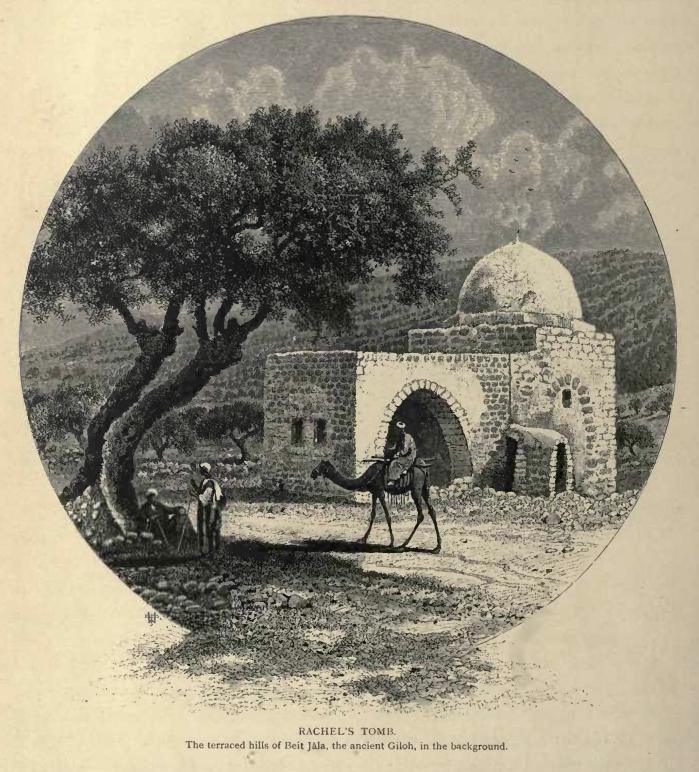 🇵🇸 Palestine and 1 moreRachel's TombQever Raḥel; Qabr Rāḥīl
A shared holy site near Bethlehem revered by Jews, Christians, and MuslimsTradition · Speaking with spirits and the dead · Protection Living
🇵🇸 Palestine and 1 moreRachel's TombQever Raḥel; Qabr Rāḥīl
A shared holy site near Bethlehem revered by Jews, Christians, and MuslimsTradition · Speaking with spirits and the dead · Protection Living