Protection
Warding off the evil eye, spirits, illness and bad luck: amulets, wards and thresholds.
Protection is the most widespread aim of magic. People hang, wear, bury, burn and recite things to keep out the evil eye, harmful spirits, illness and bad luck. The blue nazar, the hamsa, the horseshoe, the red thread, the Japanese omamori and the Ethiopian protective scroll all serve it. This page covers what is guarded, who is thought to need guarding, and how different societies see the practice. It is a good place to start with the subject.
What is guarded
The most guarded are the vulnerable and the valued: newborns, brides, pregnant women, livestock, new houses and travellers. Doorways, windows and crossroads get special care, since they are where inside meets outside. Practices include hanging a lemon and chillies in India, a horseshoe in Britain and Ireland, an eye-bead in Turkey, a mezuzah on Jewish doorposts and a spirit house in Thailand. Beyond doors, people protect journeys, wells, boats and herds, and the guarded thing is usually whatever the family can least afford to lose.
Against what
The danger named varies. In the Middle East and Mediterranean it is the evil eye, a harm said to come from envy or praise. In sub-Saharan Africa it is often witchcraft or a rival's sorcery. In Europe it was witches, fairies and the devil, and in East Asia hungry ghosts and ill-fortune. Protective practice therefore tells a researcher what a community fears and who it suspects. Some marks are drawn in chalk, paint or henna and renewed each year, and others are made once and left to fade.
Faith and the objects
Religions deal with protective objects in different ways. Many Muslim scholars accept verses of the Quran recited for protection and disapprove of beads or knots believed to work by themselves. Catholic Christians use blessed medals, holy water and the sign of the cross. Sikhism rejects talismans, while Buddhist monks bless protective threads and tattoos in Thailand and Cambodia. Official teaching often differs from practice in the village, where one household may wear a charm quietly and say a prayer at the same time.
Scholars and the market
Psychologists suggest protective objects ease anxiety and give a sense of control. Sceptics note that no test has shown them to prevent harm. Commerce is large: charms are mass-produced, and some sellers charge heavily for items promised to ward off disaster. Anyone in real danger or illness should turn to practical help first. Believers usually say the protection is a matter of trust and care, and many say the object matters less than the intention and the community that stands behind it.
Protection on EveryJaadu
The entries written up so far, best known first.
 🇧🇪 Belgium and 2 moreHorseshoe
A metal shoe for a horse's hoof and a talisman of good fortuneCharm · Protection · Luck and prosperity Living
🇧🇪 Belgium and 2 moreHorseshoe
A metal shoe for a horse's hoof and a talisman of good fortuneCharm · Protection · Luck and prosperity Living
 🇪🇸 Spain and 5 moreDuende
A humanoid spirit of Iberian and Latin American folklore, ranging from household pranksters to forest guardians.Being · Protection · Cursing and harm Living
🇪🇸 Spain and 5 moreDuende
A humanoid spirit of Iberian and Latin American folklore, ranging from household pranksters to forest guardians.Being · Protection · Cursing and harm Living
 🇷🇺 Russia and 2 moreCaul
A birth membrane kept as a talisman for luck and protection from drowningCharm · Protection · Luck and prosperity Historical
🇷🇺 Russia and 2 moreCaul
A birth membrane kept as a talisman for luck and protection from drowningCharm · Protection · Luck and prosperity Historical
 🇬🇧 United KingdomWassail
A hot spiced drink and the twelfth-night customs of singing to trees or visiting homes for giftsTradition · Luck and prosperity · Protection Living
🇬🇧 United KingdomWassail
A hot spiced drink and the twelfth-night customs of singing to trees or visiting homes for giftsTradition · Luck and prosperity · Protection Living
 🇫🇷 FranceLady of the LakeDame du Lac
A water spirit who raises knights and captures wizards in Arthurian talesFigure · Protection · Cursing and harm Legendary
🇫🇷 FranceLady of the LakeDame du Lac
A water spirit who raises knights and captures wizards in Arthurian talesFigure · Protection · Cursing and harm Legendary
 🇸🇪 Sweden and 1 moreNoaidi
A Sámi spiritual leader who mediated between the living and the spirit world using a drum.Being · Healing · Protection Historical
🇸🇪 Sweden and 1 moreNoaidi
A Sámi spiritual leader who mediated between the living and the spirit world using a drum.Being · Healing · Protection Historical
 🇮🇹 Italy and 5 morePrecious coral
A marine skeleton harvested for jewelry and worn as a protective charm in several culturesSubstance · Protection · Healing Living
🇮🇹 Italy and 5 morePrecious coral
A marine skeleton harvested for jewelry and worn as a protective charm in several culturesSubstance · Protection · Healing Living
 🇮🇪 Ireland and 5 moreFairy
A European spirit with magical powers and human form found in folklore and artBeing · Protection · Cursing and harm Legendary
🇮🇪 Ireland and 5 moreFairy
A European spirit with magical powers and human form found in folklore and artBeing · Protection · Cursing and harm Legendary
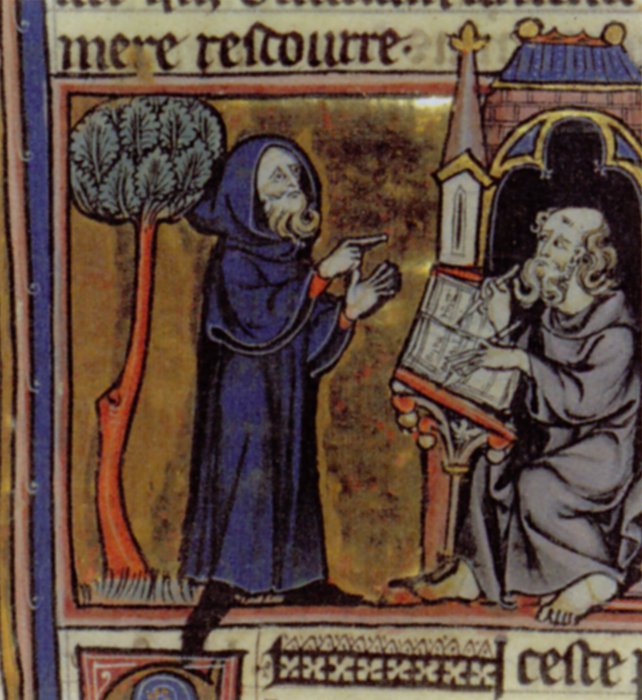 🇮🇹 Italy and 1 moreMedieval European magic
A broad category of ritual and natural practices in the Middle Ages, blending healing, divination, and religious belief.Tradition · Healing · Seeing and foretelling Historical
🇭🇺 HungaryTáltos
A Hungarian mythic figure with supernatural powers who acts as a spiritual mediator.Being · Healing · Seeing and foretelling Legendary
🇮🇹 Italy and 1 moreMedieval European magic
A broad category of ritual and natural practices in the Middle Ages, blending healing, divination, and religious belief.Tradition · Healing · Seeing and foretelling Historical
🇭🇺 HungaryTáltos
A Hungarian mythic figure with supernatural powers who acts as a spiritual mediator.Being · Healing · Seeing and foretelling Legendary
 🇷🇺 Russia and 4 moreBaba Yaga
A complex Slavic witch figure who lives in a moving hut and flies in a mortar.Figure · Cursing and harm · Protection Legendary
🇷🇺 RussiaOssetian mythologyИрон мифологи
The beliefs and supernatural beings of the Ossetian people in the Caucasus.Tradition · Protection · Speaking with spirits and the dead Historical
🇬🇧 United Kingdom and 1 moreScottish folkloreBeul-aithris na h-Alba
The myths, creatures and beliefs of the Scottish people, recorded from ancient times to the present.Tradition · Seeing and foretelling · Protection Living
🇷🇺 Russia and 4 moreBaba Yaga
A complex Slavic witch figure who lives in a moving hut and flies in a mortar.Figure · Cursing and harm · Protection Legendary
🇷🇺 RussiaOssetian mythologyИрон мифологи
The beliefs and supernatural beings of the Ossetian people in the Caucasus.Tradition · Protection · Speaking with spirits and the dead Historical
🇬🇧 United Kingdom and 1 moreScottish folkloreBeul-aithris na h-Alba
The myths, creatures and beliefs of the Scottish people, recorded from ancient times to the present.Tradition · Seeing and foretelling · Protection Living
 🇧🇬 Bulgaria and 5 moreKukeriкукери
A costumed ritual in Bulgaria to chase away evil spirits and welcome springRite · Protection · Cursing and harm Living
🇧🇬 Bulgaria and 5 moreKukeriкукери
A costumed ritual in Bulgaria to chase away evil spirits and welcome springRite · Protection · Cursing and harm Living
 🇨🇿 Czech RepublicCzech folklore
The folk traditions of the Czech people, from seasonal rites to music and craft.Tradition · Protection · Luck and prosperity Living
🇨🇿 Czech RepublicCzech folklore
The folk traditions of the Czech people, from seasonal rites to music and craft.Tradition · Protection · Luck and prosperity Living
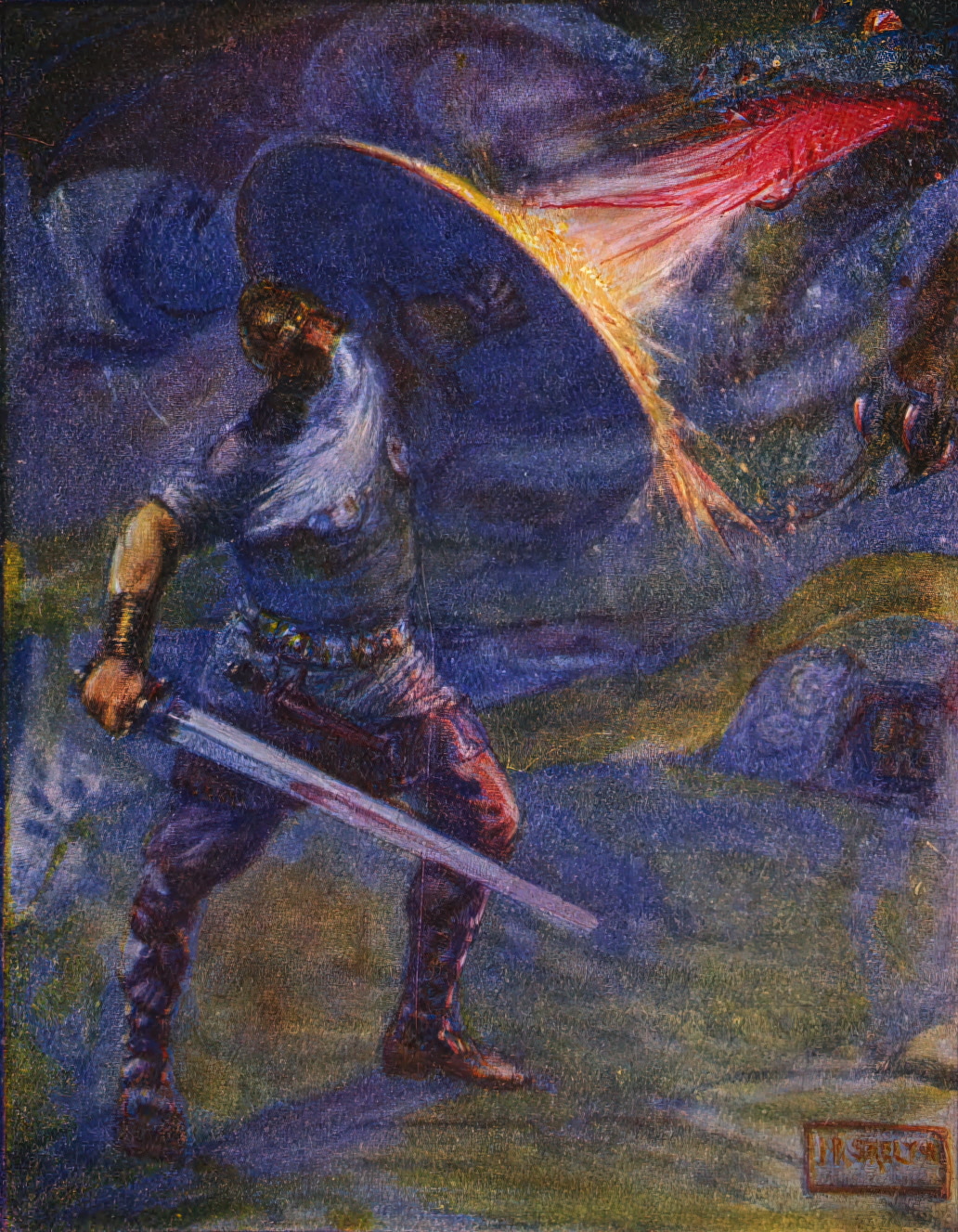 🇬🇧 United KingdomEnglish folklore
The myths, legends, and customs of England passed down through generations.Tradition · Protection · Cursing and harm Living
🇬🇧 United KingdomEnglish folklore
The myths, legends, and customs of England passed down through generations.Tradition · Protection · Cursing and harm Living
 🇨🇿 Czech Republic and 4 moreGolemגּוֹלֶם
An animated clay figure from Jewish folklore created to serve or protectBeing · Protection · Power and authority Legendary
🇨🇿 Czech Republic and 4 moreGolemגּוֹלֶם
An animated clay figure from Jewish folklore created to serve or protectBeing · Protection · Power and authority Legendary
 🇭🇷 Croatia and 5 moreVilavila (Serbian: вила), víla (Bulgarian: ви́ла)
Slavic nature spirits known for healing, storms, and deadly dancesBeing · Protection · Cursing and harm Legendary
🇬🇧 United KingdomGlaistig
A Scottish shape-shifting spirit linked to cattle, deer, and haunted castles.Being · Protection · Cursing and harm Legendary
🇭🇷 Croatia and 5 moreVilavila (Serbian: вила), víla (Bulgarian: ви́ла)
Slavic nature spirits known for healing, storms, and deadly dancesBeing · Protection · Cursing and harm Legendary
🇬🇧 United KingdomGlaistig
A Scottish shape-shifting spirit linked to cattle, deer, and haunted castles.Being · Protection · Cursing and harm Legendary
 🇮🇳 IndiaUnicorn horn
A legendary object believed to neutralize poison and cure disease, traded as narwhal teeth for centuries.Charm · Healing · Protection Historical
🇮🇳 IndiaUnicorn horn
A legendary object believed to neutralize poison and cure disease, traded as narwhal teeth for centuries.Charm · Healing · Protection Historical
 🇳🇴 Norway and 1 moreHuldra
A seductive forest spirit of Scandinavian folklore with a hidden animal tail.Being · Protection Legendary
🇳🇴 Norway and 1 moreHuldra
A seductive forest spirit of Scandinavian folklore with a hidden animal tail.Being · Protection Legendary
 🇮🇪 Ireland and 1 moreBrigid's crossCros Bhríde
A woven straw charm hung for protection, named after Ireland's patron saintCharm · Protection · Luck and prosperity Living
🇮🇪 Ireland and 1 moreBrigid's crossCros Bhríde
A woven straw charm hung for protection, named after Ireland's patron saintCharm · Protection · Luck and prosperity Living
 🇬🇧 United KingdomBrowniebrùnaidh
A nocturnal household spirit from Scottish folklore that performs chores in exchange for offerings.Being · Protection · Luck and prosperity Legendary
🇬🇧 United KingdomBrowniebrùnaidh
A nocturnal household spirit from Scottish folklore that performs chores in exchange for offerings.Being · Protection · Luck and prosperity Legendary
 🇷🇺 Russia and 5 moreAmber
Fossilized tree resin used in jewelry and folk healing traditionsSubstance · Protection · Healing Living
🇷🇺 Russia and 5 moreAmber
Fossilized tree resin used in jewelry and folk healing traditionsSubstance · Protection · Healing Living
 🇪🇬 Egypt and 2 moreLibation
The ritual pouring of liquid as an offering to spirits or the deadRite · Speaking with spirits and the dead · Protection Living
🇪🇬 Egypt and 2 moreLibation
The ritual pouring of liquid as an offering to spirits or the deadRite · Speaking with spirits and the dead · Protection Living
 🇫🇷 France and 5 moreYule log
A large wooden log burned in the hearth during winter festivals across Europe and North America.Tradition · Protection · Luck and prosperity Living
🇫🇷 France and 5 moreYule log
A large wooden log burned in the hearth during winter festivals across Europe and North America.Tradition · Protection · Luck and prosperity Living
 🇮🇹 ItalyFortunaFortūna
The Roman goddess of luck and fate, shown with a wheel and a horn of plentyBeing · Luck and prosperity · Seeing and foretelling Historical
🇮🇹 ItalyFortunaFortūna
The Roman goddess of luck and fate, shown with a wheel and a horn of plentyBeing · Luck and prosperity · Seeing and foretelling Historical
 🇮🇹 Italy and 5 moreFig sign
A hand gesture used to ward off the evil eye or as an insult in many culturesBelief · Protection · Cursing and harm Living
🇮🇹 Italy and 5 moreFig sign
A hand gesture used to ward off the evil eye or as an insult in many culturesBelief · Protection · Cursing and harm Living
 🇬🇧 United KingdomWitch ball
A glass sphere hung in windows to trap spirits and ward off evilCharm · Protection Historical
🇬🇧 United KingdomWitch ball
A glass sphere hung in windows to trap spirits and ward off evilCharm · Protection Historical
 🇬🇧 United Kingdom and 4 moreCorn dolly
A woven straw figure made from the last sheaf of a European harvest to house the crop spirit.Tradition · Protection · Speaking with spirits and the dead Revived
🇬🇧 United Kingdom and 4 moreCorn dolly
A woven straw figure made from the last sheaf of a European harvest to house the crop spirit.Tradition · Protection · Speaking with spirits and the dead Revived
 🇮🇪 Ireland and 4 moreWinter solstice
The shortest day and longest night of the year, marked by rites of solar returnTradition · Seeing and foretelling · Protection Living
🇮🇪 Ireland and 4 moreWinter solstice
The shortest day and longest night of the year, marked by rites of solar returnTradition · Seeing and foretelling · Protection Living
 🇮🇷 Iran and 5 moreKnocking on wood
A gesture of tapping wood to ward off bad luck or prevent tempting fateBelief · Protection · Luck and prosperity Living
🇮🇷 Iran and 5 moreKnocking on wood
A gesture of tapping wood to ward off bad luck or prevent tempting fateBelief · Protection · Luck and prosperity Living
 🇮🇶 Iraq and 5 moreGrimoire
A textbook containing instructions for spells, rituals, and the creation of magical objects.Text · Protection · Healing Historical
🇮🇶 Iraq and 5 moreGrimoire
A textbook containing instructions for spells, rituals, and the creation of magical objects.Text · Protection · Healing Historical
 🇬🇧 United Kingdom and 3 moreRowancaorann
A Northern Hemisphere tree believed to ward off witches and protect travellers.Substance · Protection · Speaking with spirits and the dead Living
🇬🇧 United Kingdom and 3 moreRowancaorann
A Northern Hemisphere tree believed to ward off witches and protect travellers.Substance · Protection · Speaking with spirits and the dead Living
 🇬🇷 Greece and 5 moreBay Laurelδάφνη
An aromatic Mediterranean plant used in cooking and as a symbol of victory and purification.Substance · Protection · Cleansing and purification Living
🇬🇷 Greece and 5 moreBay Laurelδάφνη
An aromatic Mediterranean plant used in cooking and as a symbol of victory and purification.Substance · Protection · Cleansing and purification Living
 🇮🇸 Iceland and 1 moreHidden-folkhuldufólk
Supernatural beings in Nordic folklore who live in a parallel world within the landscape.Being · Protection · Luck and prosperity Living
🇮🇸 Iceland and 1 moreHidden-folkhuldufólk
Supernatural beings in Nordic folklore who live in a parallel world within the landscape.Being · Protection · Luck and prosperity Living
 🇸🇪 Sweden and 5 moreMidsummerJāņi; Joninės; Jaanipäev; Enyovden; Litha; Juhannus
A summer solstice festival marked by bonfires, maypole dancing, and feasting across Europe.Tradition · Protection · Luck and prosperity Living
🇸🇪 Sweden and 5 moreMidsummerJāņi; Joninės; Jaanipäev; Enyovden; Litha; Juhannus
A summer solstice festival marked by bonfires, maypole dancing, and feasting across Europe.Tradition · Protection · Luck and prosperity Living
 🇩🇪 Germany and 7 moreWalpurgis NightWalpurgisnacht
A spring vigil marking the eve of Saint Walpurga's feast day with bonfires and student festivalsRite · Protection · Speaking with spirits and the dead Living
🇩🇪 Germany and 7 moreWalpurgis NightWalpurgisnacht
A spring vigil marking the eve of Saint Walpurga's feast day with bonfires and student festivalsRite · Protection · Speaking with spirits and the dead Living
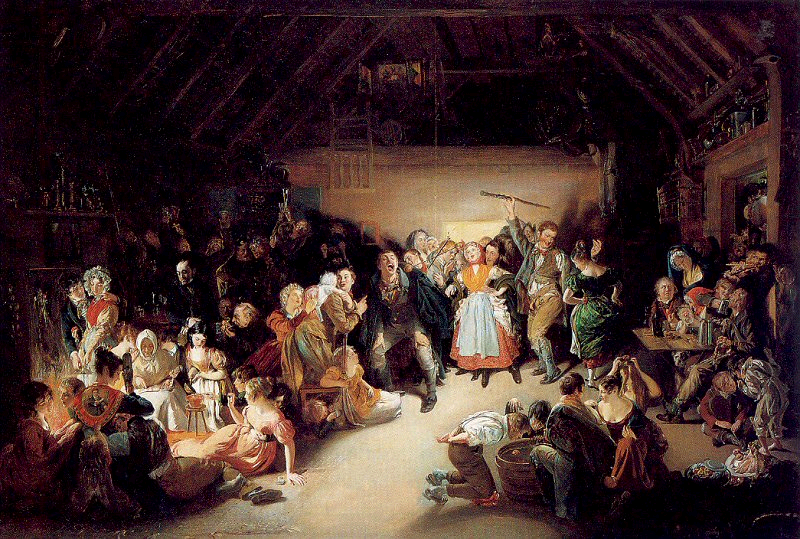 🇮🇪 Ireland and 1 moreSamhain
A Gaelic festival marking the end of harvest and the start of winter, observed on November 1st.Tradition · Protection · Speaking with spirits and the dead Living
🇮🇪 Ireland and 1 moreSamhain
A Gaelic festival marking the end of harvest and the start of winter, observed on November 1st.Tradition · Protection · Speaking with spirits and the dead Living
 🇮🇪 Ireland and 5 moreHalloween
A Christian vigil on 31 October for the dead, now marked by costumes and carved vegetablesRite · Speaking with spirits and the dead · Protection Living
🇮🇪 Ireland and 5 moreHalloween
A Christian vigil on 31 October for the dead, now marked by costumes and carved vegetablesRite · Speaking with spirits and the dead · Protection Living
 🇩🇪 Germany and 4 moreNeed-fireNotfeuer
A ritual fire lit by friction to protect livestock and people from disease and witchcraftRite · Protection · Cleansing and purification Historical
🇩🇪 Germany and 4 moreNeed-fireNotfeuer
A ritual fire lit by friction to protect livestock and people from disease and witchcraftRite · Protection · Cleansing and purification Historical
 🇬🇷 Greece and 1 moreHecateἙκάτη
A Greek goddess of magic, crossroads, and the moon, often shown in three forms.Being · Protection · Power and authority Historical
🇬🇷 Greece and 1 moreHecateἙκάτη
A Greek goddess of magic, crossroads, and the moon, often shown in three forms.Being · Protection · Power and authority Historical
 🇬🇷 Greece and 3 moreHellhound
A mythological canine that guards the underworld or serves demonic forces across global folkloreBeing · Protection · Cursing and harm Legendary
🇬🇧 United Kingdom and 1 moreKnocker
A mine spirit of Cornwall and Devon that warns of danger and plays tricks on workersBeing · Protection · Luck and prosperity Historical
🇬🇷 Greece and 3 moreHellhound
A mythological canine that guards the underworld or serves demonic forces across global folkloreBeing · Protection · Cursing and harm Legendary
🇬🇧 United Kingdom and 1 moreKnocker
A mine spirit of Cornwall and Devon that warns of danger and plays tricks on workersBeing · Protection · Luck and prosperity Historical
 🇬🇧 United Kingdom and 1 moreChurch grim
A guardian spirit of Christian churchyards, often appearing as a black dog or lamb.Being · Protection Historical
🇬🇧 United Kingdom and 1 moreChurch grim
A guardian spirit of Christian churchyards, often appearing as a black dog or lamb.Being · Protection Historical
 🇮🇪 IrelandPúca
A shape-shifting spirit of Celtic folklore that brings fortune or mischiefBeing · Luck and prosperity · Cursing and harm Legendary
🇮🇪 IrelandPúca
A shape-shifting spirit of Celtic folklore that brings fortune or mischiefBeing · Luck and prosperity · Cursing and harm Legendary
 🇮🇪 Ireland and 1 moreBeltaneBealtaine
A Gaelic festival marking the start of summer with protective bonfires and livestock ritualsTradition · Protection · Luck and prosperity Revived
🇮🇪 Ireland and 1 moreBeltaneBealtaine
A Gaelic festival marking the start of summer with protective bonfires and livestock ritualsTradition · Protection · Luck and prosperity Revived
 🇷🇺 Russia and 3 moreLeshyлеший
A forest spirit from Slavic folklore who guards the woods and misleads travelers.Being · Protection · Cursing and harm Legendary
🇷🇺 Russia and 3 moreLeshyлеший
A forest spirit from Slavic folklore who guards the woods and misleads travelers.Being · Protection · Cursing and harm Legendary
Photo credits on this page
The small pictures above come from Wikimedia Commons under free licences. Some are cropped to fit.
- Yule log: Pehr Arvid Säve (1811—1887), Public domain, source
- Grimoire: Bengt A. Lundberg, CC BY 2.5, source
- Golem: user Thander, Public domain, source
- Lady of the Lake: Internet Archive Book Images, No restrictions, source
- Fortuna: Charles Samuel, CC BY-SA 4.0, source
- Precious coral: Géry PARENT, CC BY-SA 3.0, source
- Huldra: Bernard Evans Ward, Public domain, source
- Baba Yaga: Ivan Bilibin, Public domain, source
- Amber: uploaded with permission, CC BY-SA 3.0, source
- Libation: Arkady Zarubin ( Аркадий Зарубин ), CC BY-SA 3.0, source
- Amniomancy: JC Brand, CC BY-SA 4.0, source
- Corn dolly: Renata ( talk ), Public domain, source
- Knocking on wood: The White House, Public domain, source
- Rowan: Taken by me, Jonik , on August 25, 2004., CC BY-SA 2.0, source
- Bay Laurel: Forest and Kim Starr, CC BY 3.0 us, source
- Hidden-folk: Schorle, CC BY-SA 3.0, source
- Midsummer: Kora27, CC BY-SA 4.0, source
- Walpurgis Night: Luis Ricardo Falero, Public domain, source
- Samhain: Daniel Maclise, Public domain, source
- Halloween: Toby Ord, CC BY-SA 2.5, source
- Need-fire: Unknown author, Public domain, source
- Hellhound: Louis Le Breton, Public domain, source
- Church grim: Inès Lee, CC BY-SA 4.0, source
- Púca: Wirt Sikes, Public domain, source
- Brownie: Unknown author, CC BY-SA 2.5, source
- Leshy: Γραφέας, CC BY-SA 4.0, source
- Vila: Scan by NYPL, Public domain, source
- Fairy: Henry Fuseli, Public domain, source
- Hecate: Henryk Siemiradzki, Public domain, source
- Unicorn horn: Unknown author, CC BY 4.0, source
- English folklore: J. R. Skelton, Public domain, source
- Witch ball: John W. Schulze, CC BY 2.0, source
- Fig sign: Harald the Bard, CC BY-SA 4.0, source
- Czech folklore: Biser Todorov, CC BY-SA 4.0, source
- Medieval European magic: Unknown author, Public domain, source
- Imbolc: Culnacreann, CC BY 3.0, source
- Kukeri: Nenko Lazarov, CC BY 2.5, source
- Noaidi: O. H. von Lode, Public domain, source
- Winter solstice: Image by Przemyslaw " Blueshade " Idzkiewicz, CC BY-SA 2.0, source
- Wassail: Joss Smithson, CC BY-SA 2.0, source
- Beltane: Stefan Schäfer, Lich, CC BY-SA 3.0, source
- Horseshoe: Cgoodwin, CC BY-SA 3.0, source
- Duende: René Mayorga, CC BY-SA 2.0, source