Protection
Warding off the evil eye, spirits, illness and bad luck: amulets, wards and thresholds.
Protection is the most widespread aim of magic. People hang, wear, bury, burn and recite things to keep out the evil eye, harmful spirits, illness and bad luck. The blue nazar, the hamsa, the horseshoe, the red thread, the Japanese omamori and the Ethiopian protective scroll all serve it. This page covers what is guarded, who is thought to need guarding, and how different societies see the practice. It is a good place to start with the subject.
What is guarded
The most guarded are the vulnerable and the valued: newborns, brides, pregnant women, livestock, new houses and travellers. Doorways, windows and crossroads get special care, since they are where inside meets outside. Practices include hanging a lemon and chillies in India, a horseshoe in Britain and Ireland, an eye-bead in Turkey, a mezuzah on Jewish doorposts and a spirit house in Thailand. Beyond doors, people protect journeys, wells, boats and herds, and the guarded thing is usually whatever the family can least afford to lose.
Against what
The danger named varies. In the Middle East and Mediterranean it is the evil eye, a harm said to come from envy or praise. In sub-Saharan Africa it is often witchcraft or a rival's sorcery. In Europe it was witches, fairies and the devil, and in East Asia hungry ghosts and ill-fortune. Protective practice therefore tells a researcher what a community fears and who it suspects. Some marks are drawn in chalk, paint or henna and renewed each year, and others are made once and left to fade.
Faith and the objects
Religions deal with protective objects in different ways. Many Muslim scholars accept verses of the Quran recited for protection and disapprove of beads or knots believed to work by themselves. Catholic Christians use blessed medals, holy water and the sign of the cross. Sikhism rejects talismans, while Buddhist monks bless protective threads and tattoos in Thailand and Cambodia. Official teaching often differs from practice in the village, where one household may wear a charm quietly and say a prayer at the same time.
Scholars and the market
Psychologists suggest protective objects ease anxiety and give a sense of control. Sceptics note that no test has shown them to prevent harm. Commerce is large: charms are mass-produced, and some sellers charge heavily for items promised to ward off disaster. Anyone in real danger or illness should turn to practical help first. Believers usually say the protection is a matter of trust and care, and many say the object matters less than the intention and the community that stands behind it.
Protection on EveryJaadu
The entries written up so far, best known first.
 🇪🇬 Egypt and 1 moreSphinx
A composite creature of human head and lion body found in Egyptian and Greek mythBeing · Protection Legendary
 🇪🇬 Egypt and 5 moreAmulet
A portable object worn or carried to ward off harm and invite fortuneCharm · Protection · Luck and prosperity Living
 🇹🇷 Turkey and 5 moreEvil eye
A curse caused by an envious look and the charms used to block itBelief · Protection · Cursing and harm Living
 🇮🇱 Israel and 5 moreTefillinתְּפִלִּין
Black leather boxes containing Torah scrolls, worn by Jewish men during weekday prayers.Charm · Speaking with spirits and the dead · Protection Living
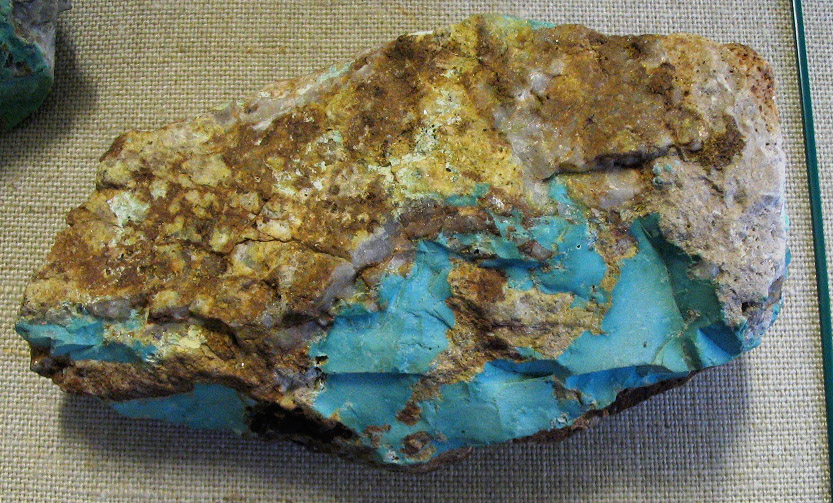 🇮🇷 Iran and 5 moreTurquoise
An opaque blue-green gemstone prized for its color since ancient timesSubstance · Protection · Luck and prosperity Living
 🇪🇬 Egypt and 5 moreSacred dance
Movement used in worship to honour deities, heal communities, or connect with the spirit world.Tradition · Protection · Healing Living
 🇸🇩 Sudan and 5 moreIncense
Aromatic plant material that releases scent when heated or burnedSubstance · Protection · Speaking with spirits and the dead Living
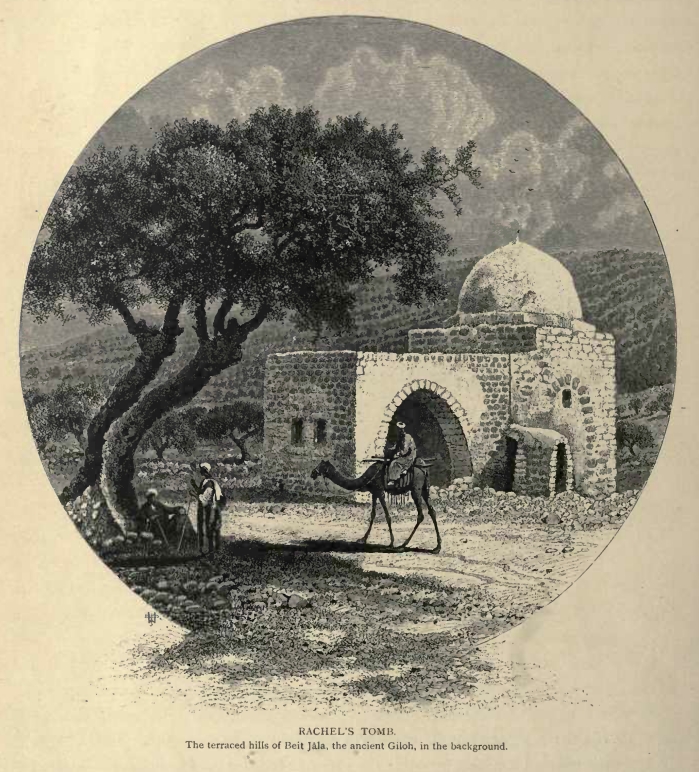 🇵🇸 Palestine and 1 moreRachel's TombQever Raḥel / Qabr Rāḥīl
A shared holy site in Bethlehem revered by Jews, Christians, and Muslims.Tradition · Speaking with spirits and the dead · Protection Living
 🇮🇱 IsraelRed string (Kabbalah)חוט השני
A Jewish folk talisman worn to ward off the evil eye and misfortuneCharm · Protection Living
 🇸🇦 Saudi Arabia and 5 moreIslamic exorcismرقية
A rite to expel spirits through Quranic recitation and negotiationRite · Healing · Cleansing and purification Living
 🇮🇱 Israel and 2 moreMezuzahמְזוּזָה
A scroll of Torah verses placed in a case on Jewish doorpostsCharm · Protection · Speaking with spirits and the dead Living
🇮🇶 IraqKispu
An ancient Mesopotamian ritual to feed and honor the dead ancestorsRite · Speaking with spirits and the dead · Protection Historical
 🇮🇶 Iraq and 1 moreLamassu𒀭𒆗 (dlamma)
A Mesopotamian guardian spirit, a winged bull with a human head, set to watch the gatesBeing · Protection · Power and authority Historical
 🇬🇷 Greece and 1 moreCapnomancy
Divination by reading the shapes and movements of smoke from fires or incenseOracle · Seeing and foretelling · Protection Historical
 🇪🇬 Egypt and 5 moreHamsaخمسة
A palm-shaped amulet used across North Africa and the Middle East for protection.Charm · Protection · Luck and prosperity Living
 🇮🇶 Iraq and 1 morePazuzu𒀭𒅆𒊒𒍪𒍪 (pà.zu.zu)
A Mesopotamian wind demon and protective amulet against child-harming spiritsBeing · Protection · Cursing and harm Historical
 🇪🇬 Egypt and 5 moreTalisman
An object believed to channel specific forces for protection, healing, or influence.Charm · Protection · Healing Historical
 🇮🇷 Iran and 4 moreJinnجِنّ
Supernatural beings in Islamic and pre-Islamic Arabian belief, capable of shapeshifting and living in society.Being · Protection · Cursing and harm Living
 🇪🇬 EgyptAbraxasἈβράξας
A Gnostic archon and the name on ancient protective gemstonesBeing · Protection Historical
🇹🇷 TurkeyHamsa (sample)Khamsa
An open hand with an eye, hung on doors.Charm · Protection · Luck and prosperity Living
 🇹🇷 Turkey and 1 moreTalismanic shirttılsımlı gömlek
A worn textile inscribed with sacred verses and symbols for protection in the Muslim worldCharm · Protection Historical
🇪🇬 Egypt and 5 moreAmulet
A portable object worn or carried to ward off harm and invite protection.Charm · Protection · Healing Living
 🇮🇷 IranSkandolasikina ḏ-aula
An iron talismanic seal used by Mandaeans to ward off evil and mark life transitions.Charm · Protection Living
🇮🇱 IsraelSegulaסגולה
A Jewish charm or ritual believed to bring protection, healing, or blessings.Charm · Protection · Healing Living
 🇮🇱 Israel and 4 moreAngelמלאך
A supernatural messenger or intermediary spirit found in many religious traditions.Being · Speaking with spirits and the dead · Protection Living
 🇪🇬 EgyptSerpopard
A mythical hybrid creature with a serpent-like neck and feline body from ancient Egypt and Mesopotamia.Being · Protection · Power and authority Legendary
 🇮🇷 IranFravashi
A personal spirit in Zoroastrian belief that guides the living and protects the dead.Being · Protection · Speaking with spirits and the dead Living
 🇪🇬 Egypt and 2 moreAbyzou
A female demon of envy who targets newborns and pregnant women in late antique magic.Being · Cursing and harm · Protection Historical
 🇪🇬 EgyptIslam and astrology
The historical study of stars in the Islamic world and the religious debate over its permissibility.Tradition · Seeing and foretelling · Protection Historical
 🇮🇷 Iran and 5 moreKhidrالخضر
A Qur'anic guide and saint believed to hold hidden wisdom and aid those in need.Being · Seeing and foretelling · Power and authority Living
🇮🇷 IranFaravaharفَرَوَهَر
Zoroastrian guardian spirits: ancestor-warriors and each person's unseen twinBeing · Protection · Speaking with spirits and the dead Living
 🇪🇬 Egypt and 2 moreAnra scarab
Ancient Egyptian-style seals bearing an undeciphered glyph sequence found across the Levant and Egypt.Charm · Protection · Luck and prosperity Historical
🇮🇶 Iraq and 3 moreMandaic lead rolls
Lead sheets inscribed with Mandaic incantations, rolled and worn as protective talismans by Mandaeans.Charm · Protection Historical
 🇸🇾 SyriaArslan Tash amulets
Assyrian limestone charms found in Syria that ward off demons through inscribed prayersCharm · Protection Historical
 🇮🇱 Israel and 2 moreNehushtanנְחֻשְׁתָּן
A bronze serpent on a pole from the Hebrew Bible, once worshipped for healing before its destruction.Charm · Healing · Protection Historical
🇸🇦 Saudi ArabiaAbu Fanousأبو فانوس
A wandering light of the Arabian desert, said to lure travellers and vanishBeing · Cursing and harm · Protection Living
 🇪🇬 Egypt and 1 moreAgathos Daimonἀγαθὸς δαίμων
A noble spirit and serpent deity of Greek and Egyptian traditionBeing · Protection · Luck and prosperity Historical
 🇮🇱 Israel and 4 moreChaiחי
A Hebrew word and symbol meaning 'alive', used as an amulet and in Jewish culture.Charm · Protection · Luck and prosperity Living
🇮🇶 Iraq and 1 moreMaymun
The seventh jinn king of Saturday and Saturn, honoured as a saint and feared as a demon.Being · Cursing and harm · Protection Legendary
 🇮🇱 Israel and 1 moreAna BeKoachאנא בכח
A medieval Jewish liturgical poem linked to the 42-letter name of GodText · Power and authority · Protection Living
 🇪🇬 EgyptBarakahبركة
A spiritual blessing power in Islam and Arabic ChristianityBelief · Protection · Power and authority Living
 🇮🇱 IsraelMatzevahמַצֵּבָה
A standing stone used as a sacred marker or grave monument in ancient and Jewish traditionCharm · Speaking with spirits and the dead · Protection Living
 🇮🇱 Israel and 1 moreTree of life vision
A symbolic prophecy in the Book of Mormon about salvation and spiritual perilBelief · Protection · Healing Living
🇮🇶 Iraq and 1 moreAramaic Uruk incantation
A Seleucid-era magical tablet written in Aramaic using cuneiform signsText · Cursing and harm · Protection Historical
🇮🇶 IraqZu-buru-dabbedazú-buru5-dib-bé-da
Akkadian spells calling on gods and winds to drive pests from the fieldsText · Protection · Cleansing and purification Historical
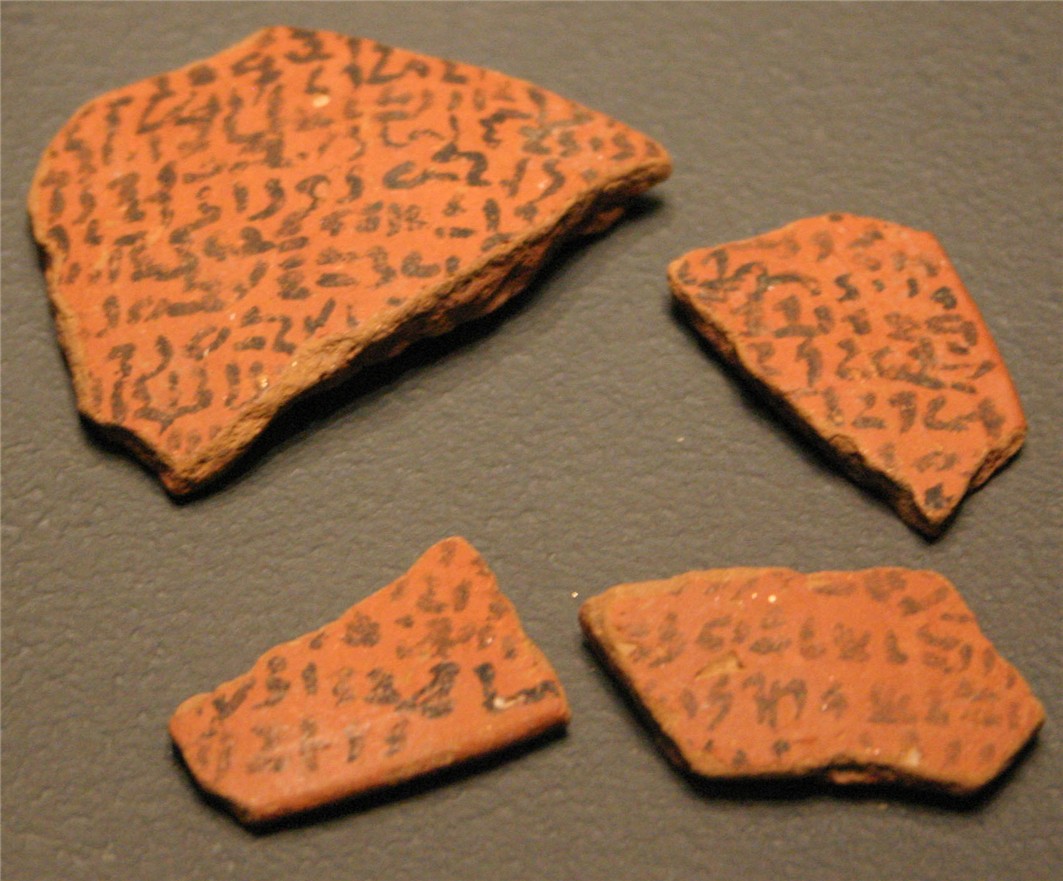 🇪🇬 Egypt and 4 moreExecration texts
Ancient Egyptian magical texts inscribed on objects to be destroyed, targeting enemies of the state.Text · Protection · Cursing and harm Historical
 🇮🇱 Israel and 1 moreOrdeal of the bitter waterמֵי הַמָּרִים (mei ha-marim)
A biblical test for a wife accused of adultery when no witnesses are present.Rite · Cursing and harm · Protection Historical
🇮🇷 Iran and 1 moreBabr-e Bayanبَبْرِ بَیان
A legendary armor worn by the Iranian hero Rostam, said to be made from a dragon's skin.Figure · Protection · Power and authority Legendary
Photo credits on this page
The small pictures above come from Wikimedia Commons under free licences. Some are cropped to fit.
- Chai: BASWIM, CC BY 3.0, source
- Sacred dance: Jorge Barrios, CC BY-SA 3.0, source
- Sphinx: Ipipipourax, CC BY-SA 3.0, source
- Evil eye: FocalPoint, CC BY-SA 3.0, source
- Incense: nakimusi, CC BY 2.0, source
- Tefillin: Brooklyn Museum, CC BY 3.0, source
- Rabisu: editor Austen Henry Layard , drawing by L. Gruner, Public domain, source
- Nehushtan: Michelangelo, Public domain, source
- Rachel's Tomb: Lane-Poole, Stanley, Public domain, source
- Skandola: Akamanda, CC BY-SA 4.0, source
- Red string (Kabbalah): Mx. Granger, CC0, source
- Turquoise: Unknown author, Public domain, source
- Serpopard: Unknown author, CC BY-SA 4.0, source
- Islamic exorcism: Unknown Calligrapher, Public domain, source
- Jinn: VenusFeuerFalle, CC0, source
- Ana BeKoach: Baruch Zvi Ring (c. 1872 - 1927) Details on Google Art Project, Public domain, source
- Barakah: عامر شاہین, CC BY-SA 3.0, source
- Matzevah: Gilslovik, CC BY-SA 4.0, source
- Mezuzah: Adrian Grycuk, CC BY-SA 3.0 pl, source
- Tree of life vision: David Hyrum Smith, Public domain, source
- Execration texts: Naunakhte, CC BY-SA 3.0, source
- Islam and astrology: Ahmad Ibn Musa Ibn Shakir, Public domain, source
- Khidr: Unknown author, Public domain, source
- Lamassu: Daderot, CC0, source
- Capnomancy: Tigerzeng, CC BY-SA 4.0, source
- Amulet: Anonymous ( Egypt ) Unknown author, Public domain, source
- Hamsa: Kritzolina, CC BY-SA 4.0, source
- Talismanic shirt: Ibrahim Husain Meraj, CC BY-SA 4.0, source
- Angel: Unknown author, CC0, source
- Fravashi: Hooman Mallahzadeh, CC BY-SA 4.0, source
- Abyzou: Paul Perdirizet (1870-4 juin 1938), Public domain, source
- Ordeal of the bitter water: Charadron, CC BY-SA 4.0, source
- Talisman: Sasha India, CC BY 2.0, source
- Anra scarab: Temerarius, CC BY-SA 4.0, source
- Arslan Tash amulets: National Museum of Aleppo, Public domain, source
- Agathos Daimon: Carole Raddato, CC BY-SA 2.0, source
- Abraxas: Louis Breton, M. Jarrault, Public domain, source