Protection
Warding off the evil eye, spirits, illness and bad luck: amulets, wards and thresholds.
Protection is the most widespread aim of magic. People hang, wear, bury, burn and recite things to keep out the evil eye, harmful spirits, illness and bad luck. The blue nazar, the hamsa, the horseshoe, the red thread, the Japanese omamori and the Ethiopian protective scroll all serve it. This page covers what is guarded, who is thought to need guarding, and how different societies see the practice. It is a good place to start with the subject.
What is guarded
The most guarded are the vulnerable and the valued: newborns, brides, pregnant women, livestock, new houses and travellers. Doorways, windows and crossroads get special care, since they are where inside meets outside. Practices include hanging a lemon and chillies in India, a horseshoe in Britain and Ireland, an eye-bead in Turkey, a mezuzah on Jewish doorposts and a spirit house in Thailand. Beyond doors, people protect journeys, wells, boats and herds, and the guarded thing is usually whatever the family can least afford to lose.
Against what
The danger named varies. In the Middle East and Mediterranean it is the evil eye, a harm said to come from envy or praise. In sub-Saharan Africa it is often witchcraft or a rival's sorcery. In Europe it was witches, fairies and the devil, and in East Asia hungry ghosts and ill-fortune. Protective practice therefore tells a researcher what a community fears and who it suspects. Some marks are drawn in chalk, paint or henna and renewed each year, and others are made once and left to fade.
Faith and the objects
Religions deal with protective objects in different ways. Many Muslim scholars accept verses of the Quran recited for protection and disapprove of beads or knots believed to work by themselves. Catholic Christians use blessed medals, holy water and the sign of the cross. Sikhism rejects talismans, while Buddhist monks bless protective threads and tattoos in Thailand and Cambodia. Official teaching often differs from practice in the village, where one household may wear a charm quietly and say a prayer at the same time.
Scholars and the market
Psychologists suggest protective objects ease anxiety and give a sense of control. Sceptics note that no test has shown them to prevent harm. Commerce is large: charms are mass-produced, and some sellers charge heavily for items promised to ward off disaster. Anyone in real danger or illness should turn to practical help first. Believers usually say the protection is a matter of trust and care, and many say the object matters less than the intention and the community that stands behind it.
Protection on EveryJaadu
The entries written up so far, best known first.
 🇮🇷 IranSkandolasikina ḏ-aula
An iron talismanic seal used by Mandaeans to ward off evil and mark life transitions.Charm · Protection Living
🇮🇷 IranSkandolasikina ḏ-aula
An iron talismanic seal used by Mandaeans to ward off evil and mark life transitions.Charm · Protection Living
 🇬🇷 Greece and 1 moreOomancy
Divination by eggs, reading shapes and signs to foresee events or diagnose spiritual statesOracle · Seeing and foretelling · Healing Living
🇪🇸 SpainDetente bala
A cloth charm worn by Spanish soldiers to stop bullets in the name of JesusCharm · Protection Living
🇬🇷 Greece and 1 moreOomancy
Divination by eggs, reading shapes and signs to foresee events or diagnose spiritual statesOracle · Seeing and foretelling · Healing Living
🇪🇸 SpainDetente bala
A cloth charm worn by Spanish soldiers to stop bullets in the name of JesusCharm · Protection Living
 🇪🇬 Egypt and 5 moreAfrican divination
Methods used across the continent to understand present realities and predict future events.Oracle · Seeing and foretelling · Healing Living
🇪🇬 Egypt and 5 moreAfrican divination
Methods used across the continent to understand present realities and predict future events.Oracle · Seeing and foretelling · Healing Living
 🇺🇸 United StatesThe Gray Man
A coastal ghost from South Carolina said to warn of hurricanesBeing · Protection Living
🇯🇵 Japan and 2 moreJapanese numismatic charm絵銭
Coin-shaped charms from Japan used for protection, luck, and blessings.Charm · Protection · Luck and prosperity Living
🇺🇸 United StatesThe Gray Man
A coastal ghost from South Carolina said to warn of hurricanesBeing · Protection Living
🇯🇵 Japan and 2 moreJapanese numismatic charm絵銭
Coin-shaped charms from Japan used for protection, luck, and blessings.Charm · Protection · Luck and prosperity Living
 🇨🇺 Cuba and 1 moreHaitian Vodou in CubaVodú Haitiano
A Caribbean religious tradition brought by migrants and maintained in eastern CubaTradition · Speaking with spirits and the dead · Protection Living
🇨🇳 China and 1 moreZhengde Tongbao正德通寶
A fantasy cash coin used as a Chinese and Vietnamese amulet for luck and protection.Charm · Luck and prosperity · Protection Living
🇮🇱 IsraelSegulaסגולה
A Jewish charm or ritual believed to bring protection, healing, or blessings.Charm · Protection · Healing Living
🇦🇷 Argentina and 1 moreSpiritual mapping
A Christian practice of mapping locations to identify and pray against territorial demonsBelief · Protection · Cursing and harm Living
🇨🇺 Cuba and 1 moreHaitian Vodou in CubaVodú Haitiano
A Caribbean religious tradition brought by migrants and maintained in eastern CubaTradition · Speaking with spirits and the dead · Protection Living
🇨🇳 China and 1 moreZhengde Tongbao正德通寶
A fantasy cash coin used as a Chinese and Vietnamese amulet for luck and protection.Charm · Luck and prosperity · Protection Living
🇮🇱 IsraelSegulaסגולה
A Jewish charm or ritual believed to bring protection, healing, or blessings.Charm · Protection · Healing Living
🇦🇷 Argentina and 1 moreSpiritual mapping
A Christian practice of mapping locations to identify and pray against territorial demonsBelief · Protection · Cursing and harm Living
 🇮🇱 Israel and 4 moreAngelמלאך
A supernatural messenger or intermediary spirit found in many religious traditions.Being · Speaking with spirits and the dead · Protection Living
🇮🇱 Israel and 4 moreAngelמלאך
A supernatural messenger or intermediary spirit found in many religious traditions.Being · Speaking with spirits and the dead · Protection Living
 🇨🇳 China and 1 moreFalun Gong法轮功
A Chinese cultivation practice blending meditative exercises with moral principlesTradition · Healing · Protection Living
🇨🇳 China and 1 moreFalun Gong法轮功
A Chinese cultivation practice blending meditative exercises with moral principlesTradition · Healing · Protection Living
 🇬🇷 Greece and 4 moreTutelary deity
A guardian spirit or god assigned to protect a specific place, person, or group.Being · Protection Living
🇬🇷 Greece and 4 moreTutelary deity
A guardian spirit or god assigned to protect a specific place, person, or group.Being · Protection Living
 🇮🇷 IranFravashi
A personal spirit in Zoroastrian belief that guides the living and protects the dead.Being · Protection · Speaking with spirits and the dead Living
🇮🇷 IranFravashi
A personal spirit in Zoroastrian belief that guides the living and protects the dead.Being · Protection · Speaking with spirits and the dead Living
 🇮🇳 IndiaSnow Lionགངས་སེང་གེ་
A celestial mountain guardian of Tibet embodying fearlessness, bliss, and the DharmaBeing · Protection · Power and authority Living
🇮🇳 IndiaSnow Lionགངས་སེང་གེ་
A celestial mountain guardian of Tibet embodying fearlessness, bliss, and the DharmaBeing · Protection · Power and authority Living
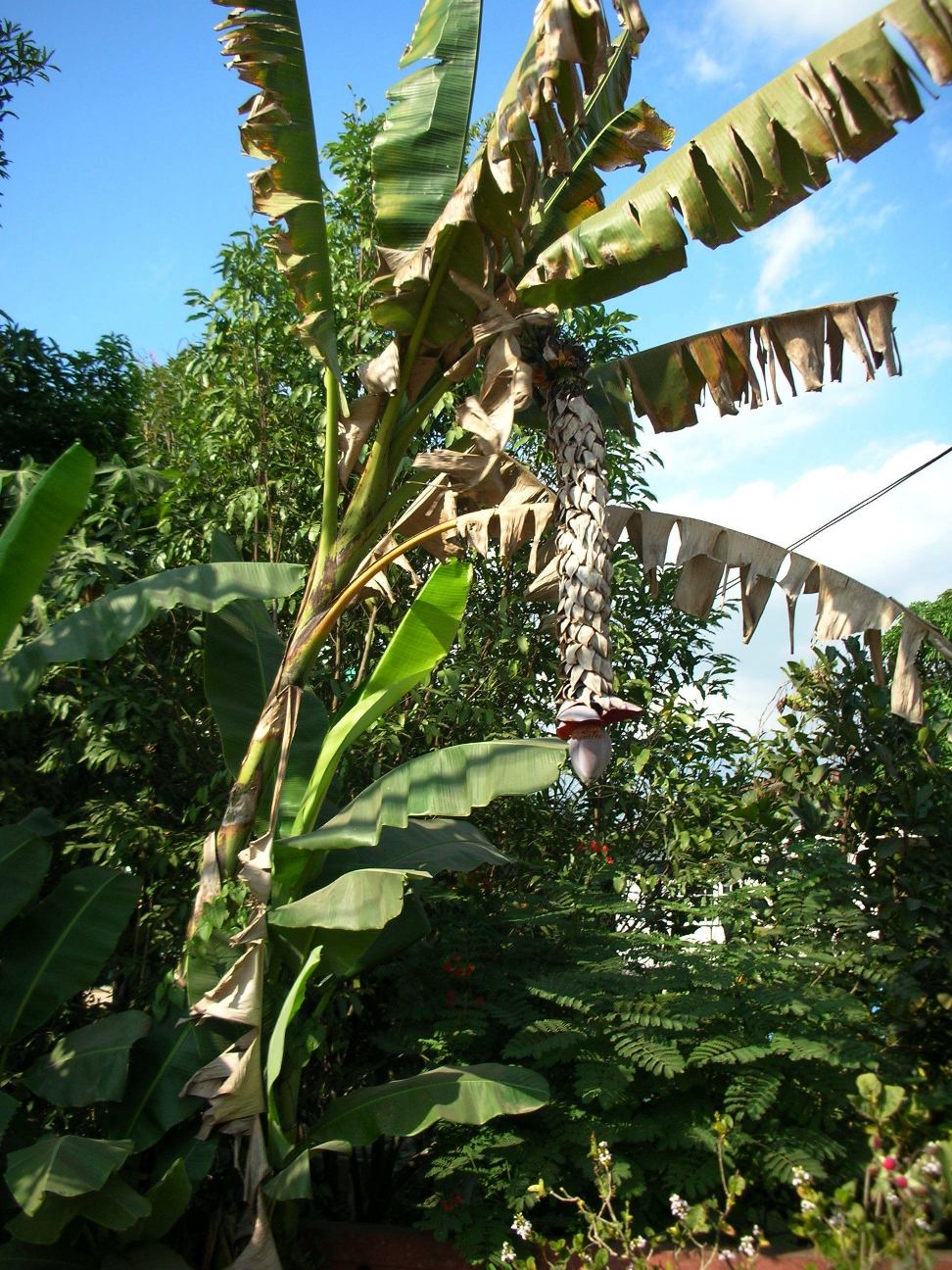 🇹🇭 Thailand and 1 moreNang Taniนางตานี
A female spirit said to inhabit wild banana trees in Southeast Asian folklore.Being · Protection · Luck and prosperity Living
🇹🇭 Thailand and 1 moreNang Taniนางตานี
A female spirit said to inhabit wild banana trees in Southeast Asian folklore.Being · Protection · Luck and prosperity Living
 🇲🇲 Myanmar and 5 moreChintheခြင်္သေ့
A stylized lion statue that guards Buddhist temples in Myanmar and across Asia.Being · Protection Living
🇲🇲 Myanmar and 5 moreChintheခြင်္သေ့
A stylized lion statue that guards Buddhist temples in Myanmar and across Asia.Being · Protection Living
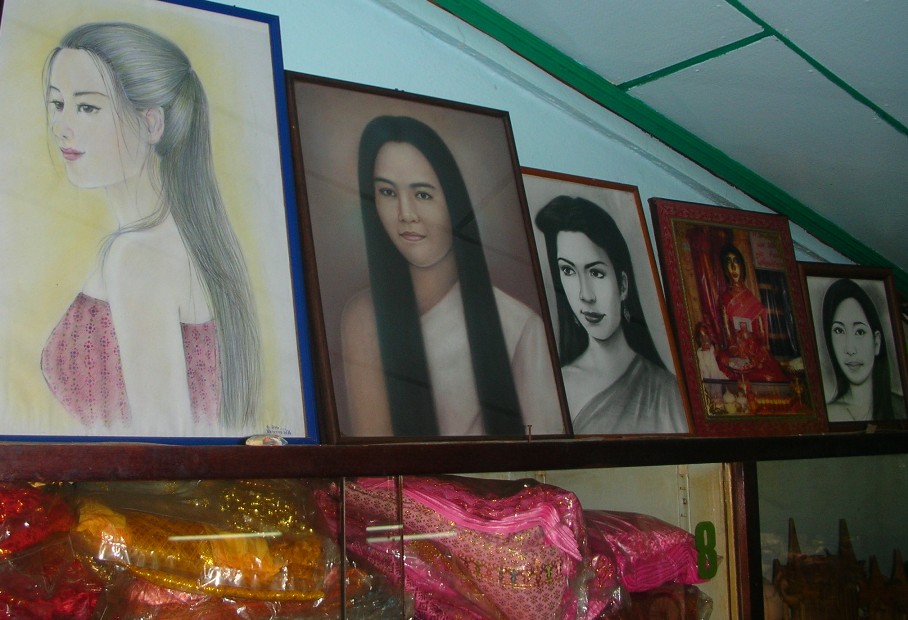 🇹🇭 ThailandMae Nak Phra Khanongแม่นากพระโขนง
A Thai ghost of a woman who died in childbirth and her shrine for protection and fertilityBeing · Protection · Healing Living
🇹🇭 ThailandMae Nak Phra Khanongแม่นากพระโขนง
A Thai ghost of a woman who died in childbirth and her shrine for protection and fertilityBeing · Protection · Healing Living
 🇷🇺 Russia and 5 moreRinging Cedars' Anastasianismдвижение «Анастасия»
A Russian new religious movement based on books about a Siberian mystic and nature worshipTradition · Protection · Speaking with spirits and the dead Living
🇷🇺 Russia and 5 moreRinging Cedars' Anastasianismдвижение «Анастасия»
A Russian new religious movement based on books about a Siberian mystic and nature worshipTradition · Protection · Speaking with spirits and the dead Living
 🇩🇪 Germany and 1 moreElwetritschElwedritsch
A chicken-like creature from German folklore that tames the fear of sleep paralysisBeing · Protection Living
🇩🇪 Germany and 1 moreElwetritschElwedritsch
A chicken-like creature from German folklore that tames the fear of sleep paralysisBeing · Protection Living
 🇬🇧 United Kingdom and 2 moreAetherius Society
A new religious movement blending theosophy, UFO claims, and spiritual healing to aid humanity.Tradition · Protection · Healing Living
🇬🇧 United Kingdom and 2 moreAetherius Society
A new religious movement blending theosophy, UFO claims, and spiritual healing to aid humanity.Tradition · Protection · Healing Living
 🇨🇳 China and 1 moreQianliyan千里眼
A Chinese sea and door god with clairvoyant sight, guardian of the sea goddess MazuBeing · Protection Living
🇨🇳 China and 1 moreQianliyan千里眼
A Chinese sea and door god with clairvoyant sight, guardian of the sea goddess MazuBeing · Protection Living
 🇨🇳 China and 1 moreNuo folk religion傩 (Nuó)
A Chinese exorcistic tradition using wooden masks and ancestor worship to drive away malevolent forcesTradition · Protection · Speaking with spirits and the dead Living
🇨🇳 China and 1 moreNuo folk religion傩 (Nuó)
A Chinese exorcistic tradition using wooden masks and ancestor worship to drive away malevolent forcesTradition · Protection · Speaking with spirits and the dead Living
 🇷🇺 Russia and 7 moreOgnyena MariaОгнена Марија
A Slavic fire goddess linked to lightning, rain, and seasonal fire bansFigure · Protection · Healing Living
🇷🇺 Russia and 7 moreOgnyena MariaОгнена Марија
A Slavic fire goddess linked to lightning, rain, and seasonal fire bansFigure · Protection · Healing Living
 🇮🇹 Italy and 5 moreSaint Michael
A Christian archangel who defends the faithful and weighs soulsBeing · Protection · Cursing and harm Living
🇮🇹 Italy and 5 moreSaint Michael
A Christian archangel who defends the faithful and weighs soulsBeing · Protection · Cursing and harm Living
 🇷🇴 Romania and 1 moreSânziană
Romanian fairies and a summer solstice festival of flowers and magicBeing · Protection · Love and attraction Living
🇯🇵 Japan and 1 moreKōshin庚申信仰
A Japanese folk belief involving vigils to prevent internal spirits from reporting human deeds to heavenBelief · Protection · Healing Living
🇷🇴 Romania and 1 moreSânziană
Romanian fairies and a summer solstice festival of flowers and magicBeing · Protection · Love and attraction Living
🇯🇵 Japan and 1 moreKōshin庚申信仰
A Japanese folk belief involving vigils to prevent internal spirits from reporting human deeds to heavenBelief · Protection · Healing Living
 🇨🇳 ChinaBenzhuism本主教
The indigenous patron worship of the Bai people in Yunnan, ChinaTradition · Protection · Healing Living
🇷🇺 Russia and 3 moreYehowistsильинцы
A Russian Spiritual Christian group founded by Nikolai Ilyin in the 1840sTradition · Protection · Speaking with spirits and the dead Living
🇨🇳 ChinaBenzhuism本主教
The indigenous patron worship of the Bai people in Yunnan, ChinaTradition · Protection · Healing Living
🇷🇺 Russia and 3 moreYehowistsильинцы
A Russian Spiritual Christian group founded by Nikolai Ilyin in the 1840sTradition · Protection · Speaking with spirits and the dead Living
 🇰🇪 Kenya and 5 moreLegio Maria
A Kenyan church blending Catholic rites with beliefs in a Black Christ and visionary apparitionsTradition · Protection · Healing Living
🇰🇬 Kyrgyzstan and 2 moreAyaz AtaАяз Ата
A Turkic winter spirit who brings snow and gifts during the cold seasonBeing · Luck and prosperity · Protection Living
🇵🇭 Philippines and 1 moreTaotao Monataotaomo'na
Ancestral spirits of the Mariana Islands who guard wild places and influence daily lifeBeing · Protection · Cursing and harm Living
🇰🇪 Kenya and 5 moreLegio Maria
A Kenyan church blending Catholic rites with beliefs in a Black Christ and visionary apparitionsTradition · Protection · Healing Living
🇰🇬 Kyrgyzstan and 2 moreAyaz AtaАяз Ата
A Turkic winter spirit who brings snow and gifts during the cold seasonBeing · Luck and prosperity · Protection Living
🇵🇭 Philippines and 1 moreTaotao Monataotaomo'na
Ancestral spirits of the Mariana Islands who guard wild places and influence daily lifeBeing · Protection · Cursing and harm Living
 🇮🇩 IndonesiaBarongᬩᬭᭀᬂ
A lion-like spirit king of Bali who battles the witch queen Rangda in dance and mythBeing · Protection Living
🇮🇩 IndonesiaBarongᬩᬭᭀᬂ
A lion-like spirit king of Bali who battles the witch queen Rangda in dance and mythBeing · Protection Living
 🇨🇳 ChinaPixiu貔貅
A winged lion-like creature from Chinese lore that guards wealth and wards off evil spirits.Being · Protection · Luck and prosperity Living
🇨🇳 ChinaPixiu貔貅
A winged lion-like creature from Chinese lore that guards wealth and wards off evil spirits.Being · Protection · Luck and prosperity Living
 🇮🇳 IndiaKuttichathan Theyyam
A North Kerala ritual dance honoring a guardian deity born of divine and human linesIllusion · Protection · Speaking with spirits and the dead Living
🇮🇳 IndiaKuttichathan Theyyam
A North Kerala ritual dance honoring a guardian deity born of divine and human linesIllusion · Protection · Speaking with spirits and the dead Living
 🇵🇪 Peru and 2 moreTsentsak
Invisible darts used by Amazonian shamans for healing and sorcerySubstance · Cursing and harm · Protection Living
🇵🇪 Peru and 2 moreTsentsak
Invisible darts used by Amazonian shamans for healing and sorcerySubstance · Cursing and harm · Protection Living
 🇹🇼 TaiwanYin miao陰廟
Temples for wandering spirits in Taiwanese folk religionTradition · Protection · Speaking with spirits and the dead Living
🇹🇼 TaiwanYin miao陰廟
Temples for wandering spirits in Taiwanese folk religionTradition · Protection · Speaking with spirits and the dead Living
 🇯🇵 Japan and 4 moreKṣitigarbhaक्षितिगर्भ
A bodhisattva vowed to empty the hells and guard children, shown with a staff and jewel.Being · Protection · Speaking with spirits and the dead Living
🇯🇵 Japan and 4 moreKṣitigarbhaक्षितिगर्भ
A bodhisattva vowed to empty the hells and guard children, shown with a staff and jewel.Being · Protection · Speaking with spirits and the dead Living
 🇮🇷 Iran and 5 moreKhidrالخضر
A Qur'anic guide and saint believed to hold hidden wisdom and aid those in need.Being · Seeing and foretelling · Power and authority Living
🇮🇷 Iran and 5 moreKhidrالخضر
A Qur'anic guide and saint believed to hold hidden wisdom and aid those in need.Being · Seeing and foretelling · Power and authority Living
 🇻🇳 VietnamBà Chúa Xứ婆主處
A Mekong Delta goddess of prosperity, asked for trade, health and fertilityBeing · Protection · Luck and prosperity Living
🇻🇳 VietnamBà Chúa Xứ婆主處
A Mekong Delta goddess of prosperity, asked for trade, health and fertilityBeing · Protection · Luck and prosperity Living
 🇮🇳 IndiaSuperstition in India
Common beliefs and rituals across India that influence daily life and major eventsBelief · Protection · Luck and prosperity Living
🇮🇳 IndiaSuperstition in India
Common beliefs and rituals across India that influence daily life and major eventsBelief · Protection · Luck and prosperity Living
 🇷🇺 Russia and 2 moreBesomвеник
A twig broom used for sweeping, folk magic, and fire responseCharm · Protection · Wonder and entertainment Living
🇷🇺 Russia and 2 moreBesomвеник
A twig broom used for sweeping, folk magic, and fire responseCharm · Protection · Wonder and entertainment Living
 🇮🇷 Iran and 2 moreSuperstitions in Muslim societies
Beliefs in supernatural forces and charms found across the Islamic worldTradition · Protection · Healing Living
🇮🇷 Iran and 2 moreSuperstitions in Muslim societies
Beliefs in supernatural forces and charms found across the Islamic worldTradition · Protection · Healing Living
 🇦🇱 Albania and 3 moreCross necklace
A pendant bearing the Christian cross worn as a sign of faith or protection.Charm · Protection · Power and authority Living
🇦🇱 Albania and 3 moreCross necklace
A pendant bearing the Christian cross worn as a sign of faith or protection.Charm · Protection · Power and authority Living
 🇷🇸 Serbia and 2 moreBibiBibijako Dive
A Romani holiday honoring a protective aunt figure for family and children's healthRite · Protection · Healing Living
🇷🇸 Serbia and 2 moreBibiBibijako Dive
A Romani holiday honoring a protective aunt figure for family and children's healthRite · Protection · Healing Living
 🇯🇵 JapanHoshi Matsuri星まつり
A Buddhist ritual to honor stars and pray for protection from disasterRite · Protection · Luck and prosperity Living
🇯🇵 JapanHoshi Matsuri星まつり
A Buddhist ritual to honor stars and pray for protection from disasterRite · Protection · Luck and prosperity Living
 🇪🇸 SpainIndalo
A Bronze Age pictograph used as a protective house charm and lucky symbol in Almería, SpainCharm · Protection · Luck and prosperity Living
🇪🇸 SpainIndalo
A Bronze Age pictograph used as a protective house charm and lucky symbol in Almería, SpainCharm · Protection · Luck and prosperity Living
 🇲🇽 Mexico and 1 moreGod's eyeOjo de Dios
A woven yarn cross believed to grant spiritual sight and protectionCharm · Protection · Speaking with spirits and the dead Living
🇲🇽 Mexico and 1 moreGod's eyeOjo de Dios
A woven yarn cross believed to grant spiritual sight and protectionCharm · Protection · Speaking with spirits and the dead Living
Photo credits on this page
The small pictures above come from Wikimedia Commons under free licences. Some are cropped to fit.
- Ognyena Maria: Unknown author, Public domain, source
- Oomancy: Rollcloud, CC BY 3.0, source
- Brownie: Unknown author, CC BY-SA 2.5, source
- Haitian Vodou in Cuba: Dr. Anthony R. Picciolo, NOAA NODC, Public domain, source
- Skandola: Akamanda, CC BY-SA 4.0, source
- Fravashi: Hooman Mallahzadeh, CC BY-SA 4.0, source
- Falun Gong: longtrekhome, CC BY 3.0, source
- Angel: Unknown author, CC0, source
- Nang Tani: Xufanc, CC BY-SA 3.0, source
- Mae Nak Phra Khanong: Xufanc, CC BY-SA 3.0, source
- Elwetritsch: AnRo0002, CC0, source
- Aetherius Society: Hjamesberglen, CC0, source
- Nuo folk religion: Wikiwikiyarou, CC BY-SA 3.0, source
- Benzhuism: G41rn8, CC BY-SA 4.0, source
- Barong: Skha, CC BY-SA 4.0, source
- Pixiu: N509FZ, CC BY-SA 4.0, source
- Chinthe: Wagaung, CC BY-SA 3.0, source
- African divination: Unknown author, CC BY 4.0, source
- God's eye: Douglas P. Perkins, CC BY-SA 3.0, source
- Legio Maria: Comondi, CC BY-SA 4.0, source
- Superstitions in Muslim societies: Unknown author, CC0, source
- Ringing Cedars' Anastasianism: Лобачев Владимир, CC BY-SA 3.0, source
- The Gray Man: Phoebe, CC BY-SA 4.0, source
- Snow Lion: John Hill, CC BY-SA 4.0, source
- Qianliyan: 玄史生, CC0, source
- Saint Michael: Francesco Botticini, Public domain, source
- Yin miao: Outlookxp, CC BY-SA 4.0, source
- Tsentsak: Veton PICQ, CC BY-SA 3.0, source
- Kṣitigarbha: སངས་རྒྱས་བཅོམ་ལྡན་འདས།, Public domain, source
- Khidr: Unknown author, Public domain, source
- Besom: https://en.wikipedia.org/wiki/David_Cox_(artist), Public domain, source
- Hoshi Matsuri: Anonymous ( Japan ) Unknown author, CC0, source
- Indalo: Ismael Olea, Public domain, source
- Sânziană: Saturnian, CC BY-SA 3.0, source
- Superstition in India: Ji-Elle, CC BY-SA 4.0, source
- Bibi: Andrija12345678, CC BY-SA 4.0, source
- Bà Chúa Xứ: Phương Huy, CC BY-SA 4.0, source
- Kuttichathan Theyyam: Ajeeshkumar4u, CC BY-SA 4.0, source
- Cross necklace: paterm, CC BY-SA 4.0, source