Cursing and harm
Curses, hexes and sorcery as people describe and fear them, with the counter-magic against them.
Cursing and harm are the part of magic that societies fear most. This page describes curses and sorcery as beliefs, and the social role of fear and accusation, and does not give instructions. The evil eye, the curse tablets of the Greek and Roman world, Hebrew and Arabic writings on harmful magic, sorcery in Melanesia and Africa, and the European witch are all part of this subject. Most of the harm recorded is that done to people accused.
What is believed
Many cultures hold that envy, anger or hostile ritual can bring illness, loss or death to a victim. The beliefs differ: in the Mediterranean, the evil eye needs no intent. In Azande society, studied by Evans-Pritchard, witchcraft was an inherited substance that explained why misfortune struck one person and not another. Greek and Roman lead curse tablets, often addressed to gods of the underworld, show the belief was written down in antiquity.
Accusation as social force
Where harm is feared, accusation follows. Anthropologists have shown that charges of witchcraft often follow tension inside a family or village, such as inheritance, jealousy or a sudden death. Accusers are usually in conflict with the accused, who is more likely to be old, poor, widowed or marginal. The belief can enforce norms and also destroy people. People also fear being accused, since an accusation can arrive without warning and can follow a family for generations.
Persecution and its present
European and colonial American witch trials, from the fifteenth to the eighteenth century, put tens of thousands to death, including the Salem trials of 1692. The practice has not ended. Mobs and families still attack accused people in parts of Africa, India, Papua New Guinea and elsewhere, and Saudi Arabia has executed people for sorcery. Albino people have been killed for body parts in East Africa. Several states are drafting or enforcing laws against accusation itself.
Counter-magic and scholarship
Where harm is feared, so is protection: amulets, cleansing, and a specialist who can say who sent it. Scholars see curses as a language of grievance, and psychologists have documented the nocebo effect, in which belief in harm can bring on real distress. A person who is afraid should seek medical and social help, and talk to someone they trust. People who believe they have been cursed should be helped to find practical support, including from health services, and not left alone with fear.
Cursing and harm on EveryJaadu
The entries written up so far, best known first.
 🇫🇷 FranceMargot the fairy
Earthly fairies of Brittany known for dancing, building monuments, and testing human guests.Being · Luck and prosperity · Cursing and harm Historical
🇹🇼 TaiwanMo-sin-a魔神仔
A short, furry forest demon from Taiwanese folklore said to lure travelers into the mountains.Being · Cursing and harm Legendary
🇫🇷 FranceMargot the fairy
Earthly fairies of Brittany known for dancing, building monuments, and testing human guests.Being · Luck and prosperity · Cursing and harm Historical
🇹🇼 TaiwanMo-sin-a魔神仔
A short, furry forest demon from Taiwanese folklore said to lure travelers into the mountains.Being · Cursing and harm Legendary
 🇷🇺 Russia and 2 moreSupernatural beings in Slavic religion
Mythic entities of nature, death, and fate in Slavic folklore and belief.Being · Protection · Cursing and harm Legendary
🇮🇳 IndiaBramrachokh
A demon in Kashmiri myth that mimics a light to lead travellers astrayBeing · Cursing and harm Legendary
🇷🇺 Russia and 2 moreSupernatural beings in Slavic religion
Mythic entities of nature, death, and fate in Slavic folklore and belief.Being · Protection · Cursing and harm Legendary
🇮🇳 IndiaBramrachokh
A demon in Kashmiri myth that mimics a light to lead travellers astrayBeing · Cursing and harm Legendary
 🇩🇪 Germany and 3 moreDrude
A Germanic nightmare spirit and the pentagram charm used to keep it outBeing · Cursing and harm · Protection Historical
🇩🇪 Germany and 3 moreDrude
A Germanic nightmare spirit and the pentagram charm used to keep it outBeing · Cursing and harm · Protection Historical
 🇮🇩 IndonesiaBabi ngepet
A Javanese myth about a person who turns into a boar to steal wealthBeing · Luck and prosperity · Cursing and harm Legendary
🇮🇩 IndonesiaBabi ngepet
A Javanese myth about a person who turns into a boar to steal wealthBeing · Luck and prosperity · Cursing and harm Legendary
 🇪🇸 SpainGuajona
A blood-sucking hag from Cantabrian and Asturian legendBeing · Cursing and harm Legendary
🇷🇸 SerbiaBaukБаук
A bear-like creature from Serbian folklore that lurks in the dark.Being · Cursing and harm Legendary
🇯🇵 JapanAyakashi妖
Water spirits and ghost lights in Japanese folkloreBeing · Cursing and harm · Luck and prosperity Historical
🇪🇸 SpainGuajona
A blood-sucking hag from Cantabrian and Asturian legendBeing · Cursing and harm Legendary
🇷🇸 SerbiaBaukБаук
A bear-like creature from Serbian folklore that lurks in the dark.Being · Cursing and harm Legendary
🇯🇵 JapanAyakashi妖
Water spirits and ghost lights in Japanese folkloreBeing · Cursing and harm · Luck and prosperity Historical
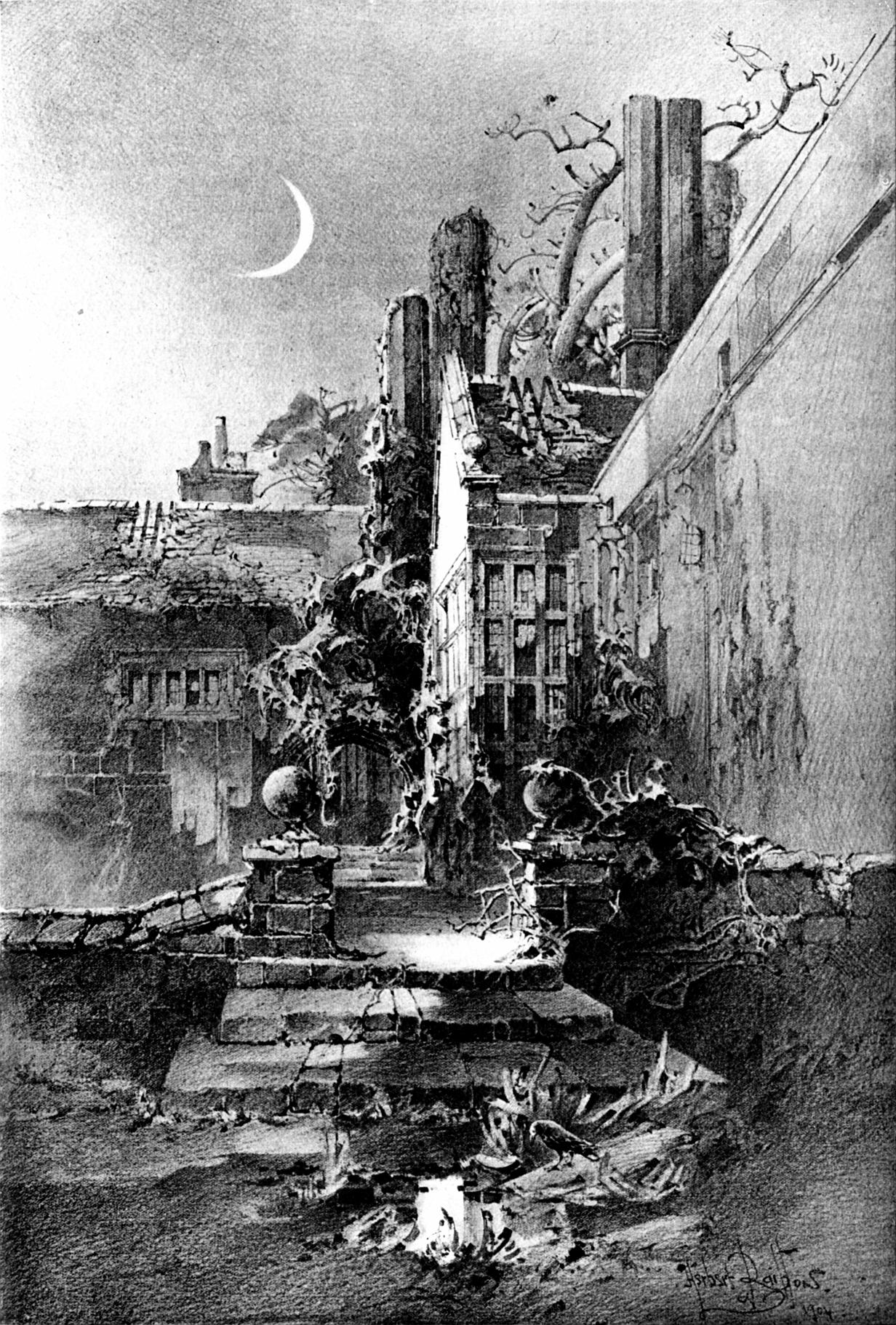 🇬🇧 United KingdomHobgoblin
A household spirit from English folklore known for chores and mischiefBeing · Cursing and harm · Luck and prosperity Historical
🇬🇧 United KingdomHobgoblin
A household spirit from English folklore known for chores and mischiefBeing · Cursing and harm · Luck and prosperity Historical
 🇩🇪 Germany and 1 moreAufhocker
A German folklore spirit that leaps on travelers and weighs them down.Being · Cursing and harm Legendary
🇫🇷 France and 1 moreDames Blanches
Spectral women in French folklore who demand dances or warn of dangerBeing · Cursing and harm · Protection Legendary
🇦🇱 AlbaniaKukudh
An undead revenant from Albanian folklore that haunts houses and spreads sickness.Being · Cursing and harm Legendary
🇲🇦 Morocco and 1 moreZuhriزوهري
A human-djinn hybrid child in North African folklore, sought for treasure ritualsBeing · Luck and prosperity · Cursing and harm Fading
🇸🇪 SwedenVittra
A forest spirit from northern Sweden linked to livestock and seductionBeing · Cursing and harm · Love and attraction Legendary
🇩🇪 Germany and 1 moreAufhocker
A German folklore spirit that leaps on travelers and weighs them down.Being · Cursing and harm Legendary
🇫🇷 France and 1 moreDames Blanches
Spectral women in French folklore who demand dances or warn of dangerBeing · Cursing and harm · Protection Legendary
🇦🇱 AlbaniaKukudh
An undead revenant from Albanian folklore that haunts houses and spreads sickness.Being · Cursing and harm Legendary
🇲🇦 Morocco and 1 moreZuhriزوهري
A human-djinn hybrid child in North African folklore, sought for treasure ritualsBeing · Luck and prosperity · Cursing and harm Fading
🇸🇪 SwedenVittra
A forest spirit from northern Sweden linked to livestock and seductionBeing · Cursing and harm · Love and attraction Legendary
 🇭🇹 Haiti and 5 moreLoogaroo
A shapeshifting vampire of Caribbean folklore, feared for its blood-drinking habits.Being · Cursing and harm Living
🇯🇵 JapanSankai産怪
A yōkai born from a woman during childbirth if proper care is neglectedBeing · Cursing and harm Legendary
🇮🇳 IndiaBaakবাক
A shapeshifting water spirit from Assamese folklore that mimics humans and fears torn nets.Being · Cursing and harm · Wonder and entertainment Living
🇵🇭 PhilippinesMandurugo
A shapeshifting spirit from Philippine folklore that feeds on human bloodBeing · Cursing and harm Legendary
🇮🇪 IrelandSleih beggey
Manx fairies and little people of the Isle of ManBeing · Cursing and harm Legendary
🇷🇺 RussiaMeduzaМедуза
A Russian mythic figure with a woman's head and a serpent body, linked to trickery.Being · Cursing and harm Legendary
🇬🇧 United KingdomBiast Bhealach Odail
A shapeshifting spirit of a Scottish mountain passBeing · Cursing and harm Historical
🇯🇵 JapanHashihime橋姫
A Japanese bridge spirit linked to jealousy and demonic transformation in folklore and Noh theatre.Being · Protection · Cursing and harm Historical
🇬🇧 United KingdomLazy Laurence
A mischievous English pixie who makes orchard workers lazy and gives them indigestionBeing · Protection · Cursing and harm Historical
🇭🇹 Haiti and 5 moreLoogaroo
A shapeshifting vampire of Caribbean folklore, feared for its blood-drinking habits.Being · Cursing and harm Living
🇯🇵 JapanSankai産怪
A yōkai born from a woman during childbirth if proper care is neglectedBeing · Cursing and harm Legendary
🇮🇳 IndiaBaakবাক
A shapeshifting water spirit from Assamese folklore that mimics humans and fears torn nets.Being · Cursing and harm · Wonder and entertainment Living
🇵🇭 PhilippinesMandurugo
A shapeshifting spirit from Philippine folklore that feeds on human bloodBeing · Cursing and harm Legendary
🇮🇪 IrelandSleih beggey
Manx fairies and little people of the Isle of ManBeing · Cursing and harm Legendary
🇷🇺 RussiaMeduzaМедуза
A Russian mythic figure with a woman's head and a serpent body, linked to trickery.Being · Cursing and harm Legendary
🇬🇧 United KingdomBiast Bhealach Odail
A shapeshifting spirit of a Scottish mountain passBeing · Cursing and harm Historical
🇯🇵 JapanHashihime橋姫
A Japanese bridge spirit linked to jealousy and demonic transformation in folklore and Noh theatre.Being · Protection · Cursing and harm Historical
🇬🇧 United KingdomLazy Laurence
A mischievous English pixie who makes orchard workers lazy and gives them indigestionBeing · Protection · Cursing and harm Historical
 🇯🇵 Japan and 1 moreBake-danuki化け狸
A shape-shifting raccoon dog spirit from Japanese folklore known for pranks and illusions.Being · Cursing and harm · Luck and prosperity Legendary
🇯🇵 JapanNyūdō-bōzu入道坊主
A Japanese yokai that grows taller when stared at and can kill or vanish depending on the responseBeing · Cursing and harm Legendary
🇯🇵 Japan and 1 moreBake-danuki化け狸
A shape-shifting raccoon dog spirit from Japanese folklore known for pranks and illusions.Being · Cursing and harm · Luck and prosperity Legendary
🇯🇵 JapanNyūdō-bōzu入道坊主
A Japanese yokai that grows taller when stared at and can kill or vanish depending on the responseBeing · Cursing and harm Legendary
 🇯🇵 JapanKamikiri髪切り
A Japanese yōkai blamed for the sudden disappearance of human hairBeing · Cursing and harm Historical
🇯🇵 JapanKamikiri髪切り
A Japanese yōkai blamed for the sudden disappearance of human hairBeing · Cursing and harm Historical
 🇷🇺 Russia and 5 moreFiredrakeognennyi zmei
A European dragon myth born from sightings of shooting stars and will-o'-the-wispsBeing · Cursing and harm · Luck and prosperity Historical
🇷🇴 RomaniaMuma Pădurii
A forest spirit in Romania who protects nature and punishes those who harm itBeing · Protection · Cursing and harm Legendary
🇷🇺 Russia and 5 moreFiredrakeognennyi zmei
A European dragon myth born from sightings of shooting stars and will-o'-the-wispsBeing · Cursing and harm · Luck and prosperity Historical
🇷🇴 RomaniaMuma Pădurii
A forest spirit in Romania who protects nature and punishes those who harm itBeing · Protection · Cursing and harm Legendary
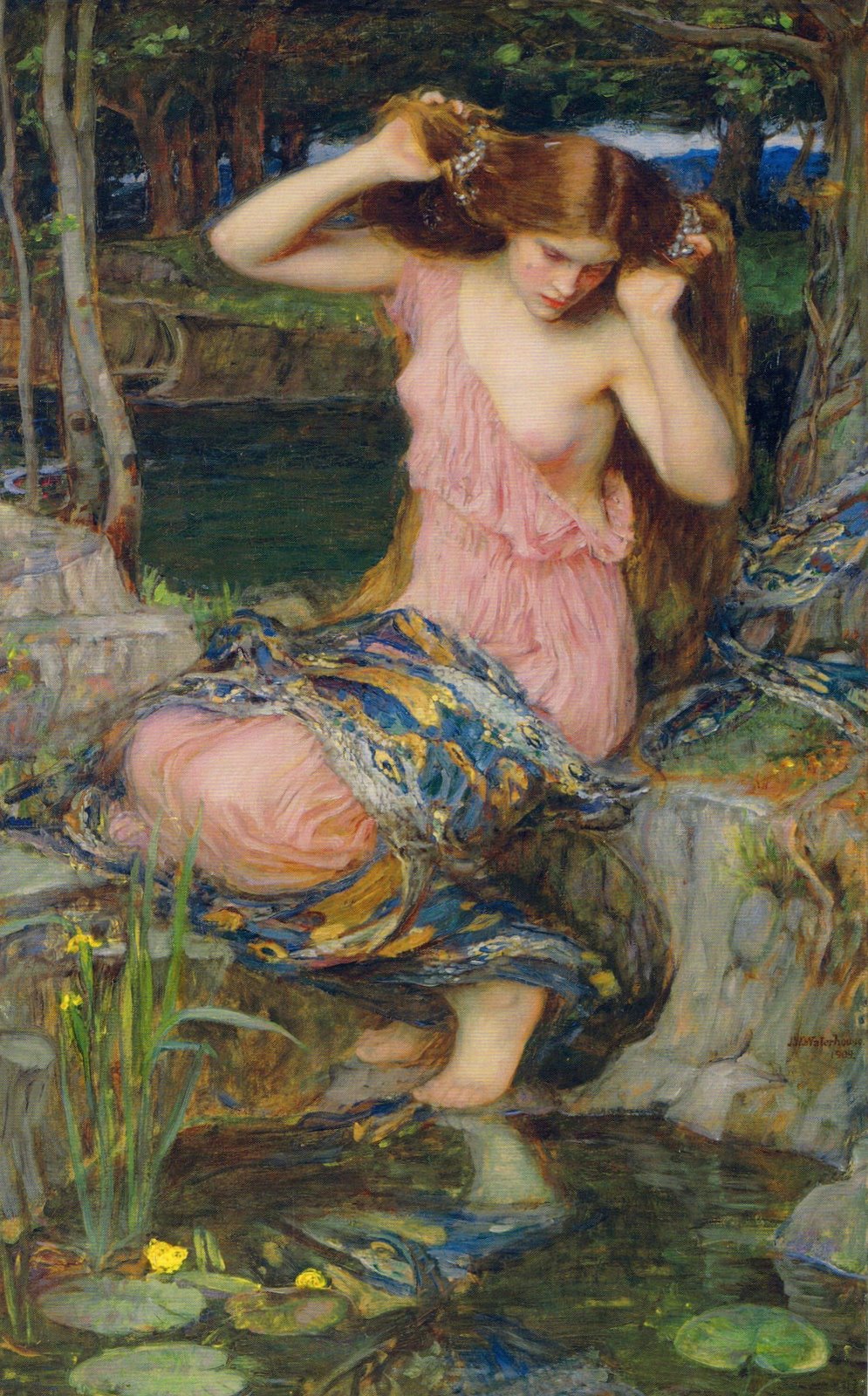 🇪🇸 SpainXana
A water spirit of Asturian myth who offers treasures or madness to those who hear her song.Being · Luck and prosperity · Cursing and harm Legendary
🇯🇵 JapanUmi zatō海座頭
A sea yōkai depicted as a giant blind musician that threatens shipsBeing · Cursing and harm Historical
🇯🇵 JapanYamajijii山爺
A one-eyed mountain spirit from Shikoku folklore known for its thunderous voice and unpredictable nature.Being · Cursing and harm · Luck and prosperity Historical
🇪🇬 EgyptEn-Naddahaالنداهة
A water spirit of the Nile who lures men to their doom with a hypnotic callBeing · Cursing and harm Fading
🇧🇷 BrazilLobisomem
A South American shape-shifter born from family fate or sin, often linked to the full moon.Being · Cursing and harm Legendary
🇪🇸 SpainXana
A water spirit of Asturian myth who offers treasures or madness to those who hear her song.Being · Luck and prosperity · Cursing and harm Legendary
🇯🇵 JapanUmi zatō海座頭
A sea yōkai depicted as a giant blind musician that threatens shipsBeing · Cursing and harm Historical
🇯🇵 JapanYamajijii山爺
A one-eyed mountain spirit from Shikoku folklore known for its thunderous voice and unpredictable nature.Being · Cursing and harm · Luck and prosperity Historical
🇪🇬 EgyptEn-Naddahaالنداهة
A water spirit of the Nile who lures men to their doom with a hypnotic callBeing · Cursing and harm Fading
🇧🇷 BrazilLobisomem
A South American shape-shifter born from family fate or sin, often linked to the full moon.Being · Cursing and harm Legendary
 🇯🇵 JapanShidaidaka次第高
A tall spirit in Japan that grows when you look up and shrinks when you look down.Being · Cursing and harm Legendary
🇬🇧 United KingdomCeffyl Dŵr
A Welsh water spirit that takes the form of a horse to test or harm travellers.Being · Cursing and harm · Luck and prosperity Legendary
🇯🇵 JapanShidaidaka次第高
A tall spirit in Japan that grows when you look up and shrinks when you look down.Being · Cursing and harm Legendary
🇬🇧 United KingdomCeffyl Dŵr
A Welsh water spirit that takes the form of a horse to test or harm travellers.Being · Cursing and harm · Luck and prosperity Legendary
 🇮🇸 IcelandGrýla
A monstrous Icelandic troll associated with Christmas and the Yule LadsBeing · Cursing and harm Living
🇦🇱 AlbaniaXhindi
Invisible spirits in Albanian mythology that appear at night and may help or harm.Being · Cursing and harm · Power and authority Legendary
🇩🇪 GermanyWitte Wiwer
Subterranean spirits of Low German folklore known for music and child exchangeBeing · Cursing and harm · Luck and prosperity Legendary
🇯🇵 JapanNoderabō野寺坊
A Japanese yōkai of abandoned temples and broken vowsBeing · Cursing and harm Historical
🇨🇳 China and 1 moreMōryō魍魎
Spirits of nature and graves in East Asian folklore, often linked to corpse theft.Being · Cursing and harm Legendary
🇷🇴 RomaniaSântoaderi
Supernatural beings in Romanian folklore known for causing illness through music and danceBeing · Cursing and harm · Luck and prosperity Legendary
🇬🇧 United Kingdom and 1 moreElder Mother
A guardian spirit of elder trees in English and Scandinavian folkloreBeing · Protection · Cursing and harm Historical
🇮🇳 IndiaChedipeचेदिप
A witch-vampire spirit of the Godavari region that drains men and feeds on sorrowBeing · Cursing and harm Legendary
🇮🇸 IcelandGrýla
A monstrous Icelandic troll associated with Christmas and the Yule LadsBeing · Cursing and harm Living
🇦🇱 AlbaniaXhindi
Invisible spirits in Albanian mythology that appear at night and may help or harm.Being · Cursing and harm · Power and authority Legendary
🇩🇪 GermanyWitte Wiwer
Subterranean spirits of Low German folklore known for music and child exchangeBeing · Cursing and harm · Luck and prosperity Legendary
🇯🇵 JapanNoderabō野寺坊
A Japanese yōkai of abandoned temples and broken vowsBeing · Cursing and harm Historical
🇨🇳 China and 1 moreMōryō魍魎
Spirits of nature and graves in East Asian folklore, often linked to corpse theft.Being · Cursing and harm Legendary
🇷🇴 RomaniaSântoaderi
Supernatural beings in Romanian folklore known for causing illness through music and danceBeing · Cursing and harm · Luck and prosperity Legendary
🇬🇧 United Kingdom and 1 moreElder Mother
A guardian spirit of elder trees in English and Scandinavian folkloreBeing · Protection · Cursing and harm Historical
🇮🇳 IndiaChedipeचेदिप
A witch-vampire spirit of the Godavari region that drains men and feeds on sorrowBeing · Cursing and harm Legendary
Photo credits on this page
The small pictures above come from Wikimedia Commons under free licences. Some are cropped to fit.
- Supernatural beings in Slavic religion: Bartolomeo Giuliano, CC BY-SA 3.0, source
- Grýla: Andrii Gladii, CC BY-SA 4.0, source
- Xana: John William Waterhouse, Public domain, source
- Changeling: Henry Fuseli, Public domain, source
- Hobgoblin: Herbert Railton, Public domain, source
- Drude: Ramessos, Public domain, source
- Babi ngepet: Tropenmuseum, CC BY-SA 3.0, source
- Guajona: Francisco Goya / Francisco Goya, Public domain, source
- Aufhocker: Longbow4u, Public domain, source
- Bake-danuki: Poposhka at English Wikipedia, Public domain, source
- Kamikiri: Sawaki Suushi (佐脇嵩之, Japanese, *1707, †1772), Public domain, source
- Firedrake: Ramesh Kumar R, CC BY-SA 4.0, source
- Shidaidaka: by Reggaeman, CC BY-SA 3.0, source
- Loogaroo: A.F.Pannemaker, Public domain, source