
Loogaroo
from the French loup-garou, meaning werewolf
A shapeshifting vampire of Caribbean folklore, feared for its blood-drinking habits.
The Loogaroo is a shapeshifter and sorcerer found in Caribbean and African diaspora traditions. It is believed to drain the blood of sleeping victims or children to maintain its cursed existence or deal with dark forces.
- Name comes from French loup-garou, meaning werewolf.
- Haitian lougawou drains blood from sleeping victims.
- Trinidadian Lagahoo has a coffin for a head with candles.
- Striking Lagahoo with holy water stick defeats it.
- Mauritian Touni Minwi appeared after Cyclone Hollanda.
What it is
The Loogaroo is a creature of Caribbean myth, often described as a sorcerer or shapeshifter. It resembles a vampire or werewolf in its ability to change form and consume blood. The figure appears across various islands and diaspora communities, serving as a warning against nighttime dangers. Stories describe it as a human who has made a pact with dark powers, allowing it to shed its skin or transform into animals and flames. It is a figure of fear, used to keep children indoors after dark.
Where it comes from
The name derives from the French term loup-garou, which translates directly to werewolf. The myths spread through the Caribbean islands and later reached other areas with Caribbean populations, such as London. While early tales focused on female witches, later versions introduced male figures corrupted by wealth. The lore shares similarities with the Soucouyant, another regional shapeshifter myth.
How it is done
In Haiti, the lougawou transforms into an animal to feed on sleeping people. Dominican legends describe the Lugarú taking forms of animals or objects like trees, maintaining immortality by drinking children's blood. Trinidadian Lagahoo appears as a tall man with a coffin for a head, carrying candles and feeding on livestock. To defeat this form, one must strike it nine times with a stick dipped in holy water and oils, forcing it to shift through dog, bull, and wave forms before vanishing as mist.
Tools and materials
Defeating the Trinidadian Lagahoo requires specific ritual items: a wooden stick soaked in holy water and blessed oils. The creature itself is associated with a Devil Tree, often identified as a silk cotton tree, where it hides its human skin. In Mauritius, protection involves consulting a longanis or treter, local spiritual specialists who offer safeguards against the Lougarou's influence.
Loogaroo, drawn and placed
- Living
- Revived
- Fading
- Historical
- Legendary
- Performed
- Lineage
- Caribbean folk mythology
- Timing
- at night, during full moon
What it is for
These stories function primarily as cautionary tales for children, discouraging them from wandering outside at night. The Loogaroo represents the danger of the unknown darkness. In some narratives, the creature's actions are driven by a supernatural bargain; a witch may need fresh blood to prevent the Devil from consuming her own soul. For others, it is a punishment for greed or moral corruption.
Who does it
The Loogaroo is not practiced but feared. Communities rely on spiritual intermediaries like the longanis or treter in Mauritius for protection. Scholars study these figures as part of broader Caribbean folklore. The creatures themselves are former humans, witches or wealthy men, who have lost their humanity through dark pacts, becoming monsters that haunt the night.
Peoples and places
Haitian tradition features the lougawou, typically female, draining sleepers. Dominican culture knows the Lugarú or Galipote, a bulletproof shapeshifter. Trinidad and Tobago tell of the Lagahoo, a candle-headed beast. Mauritius fears the Lougarou, especially during full moons or after storms, such as the Touni Minwi apparitions following Cyclone Hollanda. These variations show how the core myth adapts to local cultures.
At a glance: who, where and when
Who does it
Belief worlds
What people believe
The Loogaroo exists within a worldview where magic and dark pacts are real threats. A witch might trade her soul for power, requiring nightly blood offerings to the Devil. Immortality is maintained through violence against the vulnerable. The belief system includes specific vulnerabilities, such as holy water weakening the Lagahoo, and sacred sites like the Devil Tree hiding the creature's true form.
When it is done
The creature is most active at night, making it a threat during evening hours. In Mauritius, sightings are linked to the full moon. Specific events, like Cyclone Hollanda in 1994, triggered waves of reported sightings, showing how natural disasters can intensify belief in these entities. The timing is always tied to darkness and vulnerability.
How scholars and sceptics see it
Researchers view the Loogaroo as a cultural artifact reflecting historical anxieties. Lauren Derby connects these revenants to French and US influences in Haitian Vodou. Alfred Métraux documented the role of such figures in Haitian religious life. Anthropologists see the myths as ways to explain misfortune, enforce social norms, and process trauma related to colonialism and slavery.
Cautions and what is closed
The myths serve to protect children from real dangers like wild animals or crime by attributing them to supernatural causes. In Mauritius, mass hysteria around the Touni Minwi led to public mobilization and fear. There is no risk of practicing the Loogaroo; it is a subject of folklore study. The stories warn of the consequences of moral failure and dealing with evil forces.
Compare and confuse
The Loogaroo is closely related to the Rougarou of Louisiana and the Soucouyant of the Lesser Antilles. All are shapeshifters rooted in French colonial vocabulary but adapted by enslaved and free Black populations. The term loup-garou links them linguistically, while their behaviors vary by island, from blood-drinking to object transformation.
Law and persecution
There are no specific laws against the Loogaroo, as it is a mythical entity. However, the consultation of healers and spirit workers like the longanis is part of local religious practice.
Questions people ask about Loogaroo
What is a Loogaroo?
It is a shapeshifting sorcerer or vampire from Caribbean folklore. Believed to be a human who made a dark pact, it transforms into animals or flames to drink blood.
Where does the name come from?
The word derives from the French loup-garou, which translates directly to werewolf. It spread through Caribbean islands and diaspora communities.
How do you stop a Lagahoo?
In Trinidadian myth, you must strike the creature nine times with a stick dipped in holy water and holy oils. This forces it to change forms until it turns to mist.
Is it only a female creature?
Early myths often featured female witches, but later stories include male Loogaroos. These men are sometimes depicted as wealthy individuals corrupted by their deals with the Devil.
Good reading and sources
The facts on this page come from the Wikipedia article "Loogaroo", written by its contributors and used under the CC BY-SA 4.0 licence, and from its Wikidata record (CC0). EveryJaadu rewrote the text in its own words, with AI assistance, and compares every page with the article to make sure no passage is copied. It may be reused under the same CC BY-SA 4.0 licence with a link back.
It may contain mistakes. Names and customs differ from one community to the next, and some knowledge is closed to outsiders and left out here. This page describes belief and practice. It does not say that any of it works, it is not a how-to, and it is not medical advice. If something is wrong, tell us. Last refreshed 2026-10-11.
More from Haiti
All the entries from Haiti 🇭🇹 Haiti and 2 moreLwa
Spirits in Haitian Vodou that mediate between people and the creator god.Being · Protection · Healing Living
🇭🇹 Haiti and 2 moreLwa
Spirits in Haitian Vodou that mediate between people and the creator god.Being · Protection · Healing Living
 🇭🇹 Haiti and 1 moreEzili DantorÈzili Dantò
A fierce mother spirit in Haitian Vodou who protects the marginalized and demands loyalty.Being · Protection · Love and attraction Living
🇭🇹 Haiti and 1 moreEzili DantorÈzili Dantò
A fierce mother spirit in Haitian Vodou who protects the marginalized and demands loyalty.Being · Protection · Love and attraction Living
 🇭🇹 HaitiGedeGuédé
A family of spirits in Haitian Vodou who guard the dead and grant fertility.Being · Speaking with spirits and the dead · Protection Living
🇭🇹 HaitiGedeGuédé
A family of spirits in Haitian Vodou who guard the dead and grant fertility.Being · Speaking with spirits and the dead · Protection Living
Related elsewhere
All being 🇷🇸 Serbia and 5 moreVampire
An undead creature from folklore that feeds on the blood or life force of the livingBeing · Cursing and harm · Luck and prosperity Legendary
🇷🇸 Serbia and 5 moreVampire
An undead creature from folklore that feeds on the blood or life force of the livingBeing · Cursing and harm · Luck and prosperity Legendary
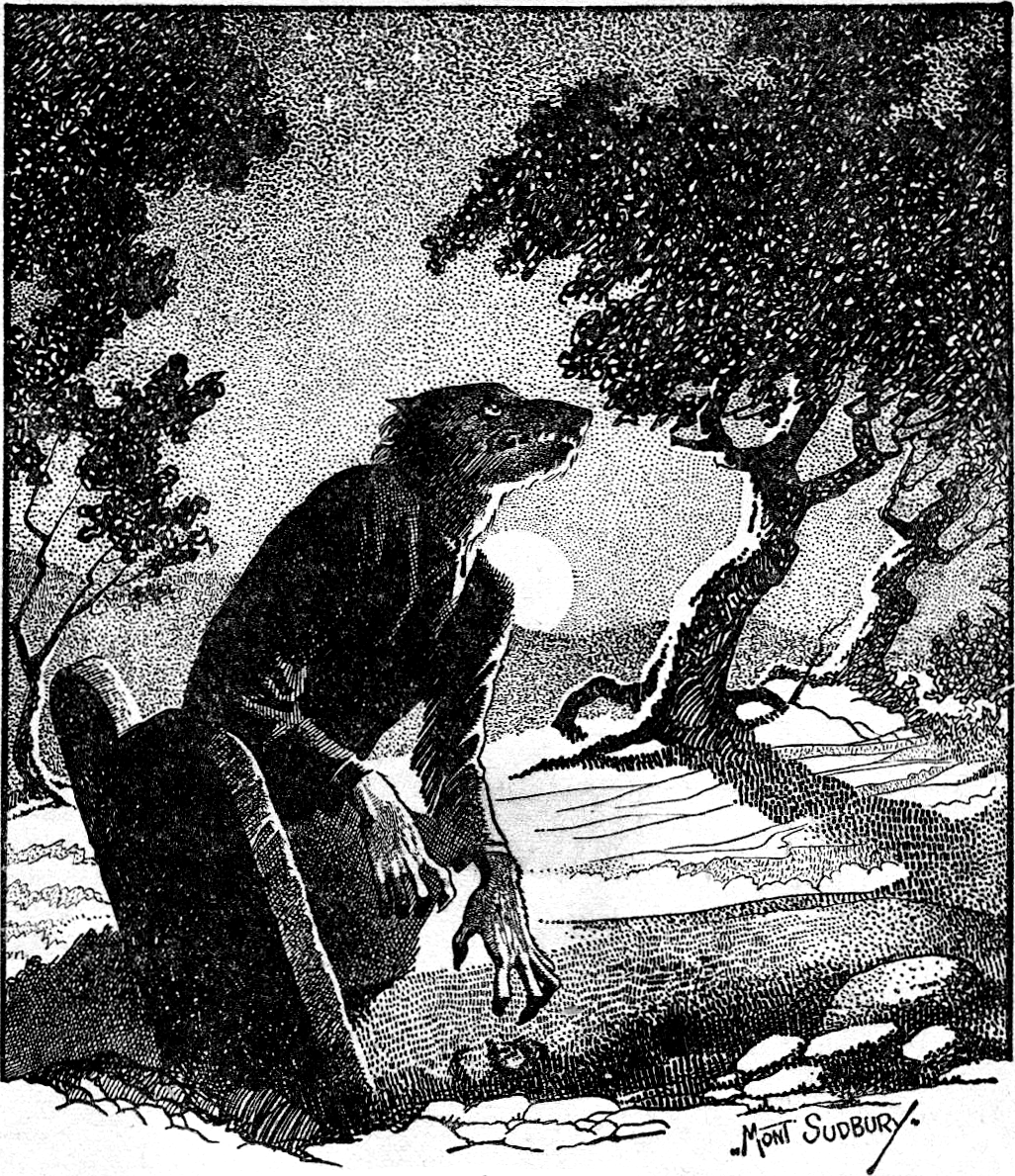 🇫🇷 France and 5 moreWerewolf
A mythical shapeshifter that turns into a wolf, central to European witch-hunts and Gothic horror.Being · Cursing and harm · Wonder and entertainment Legendary
🇫🇷 France and 5 moreWerewolf
A mythical shapeshifter that turns into a wolf, central to European witch-hunts and Gothic horror.Being · Cursing and harm · Wonder and entertainment Legendary
 🇪🇬 Egypt and 1 moreLilithלִילִית
A feminine figure from Mesopotamian and Jewish mythology, often depicted as a night demon or spirit.Being · Cursing and harm Legendary
🇪🇬 Egypt and 1 moreLilithלִילִית
A feminine figure from Mesopotamian and Jewish mythology, often depicted as a night demon or spirit.Being · Cursing and harm Legendary
 🇪🇬 EgyptCurse
A spoken wish for misfortune to befall a person or placeBelief · Cursing and harm · Luck and prosperity Historical
🇪🇬 EgyptCurse
A spoken wish for misfortune to befall a person or placeBelief · Cursing and harm · Luck and prosperity Historical