Xana
Unclear origin; some scholars link it to the Latin name for Diana
A water spirit of Asturian myth who offers treasures or madness to those who hear her song.
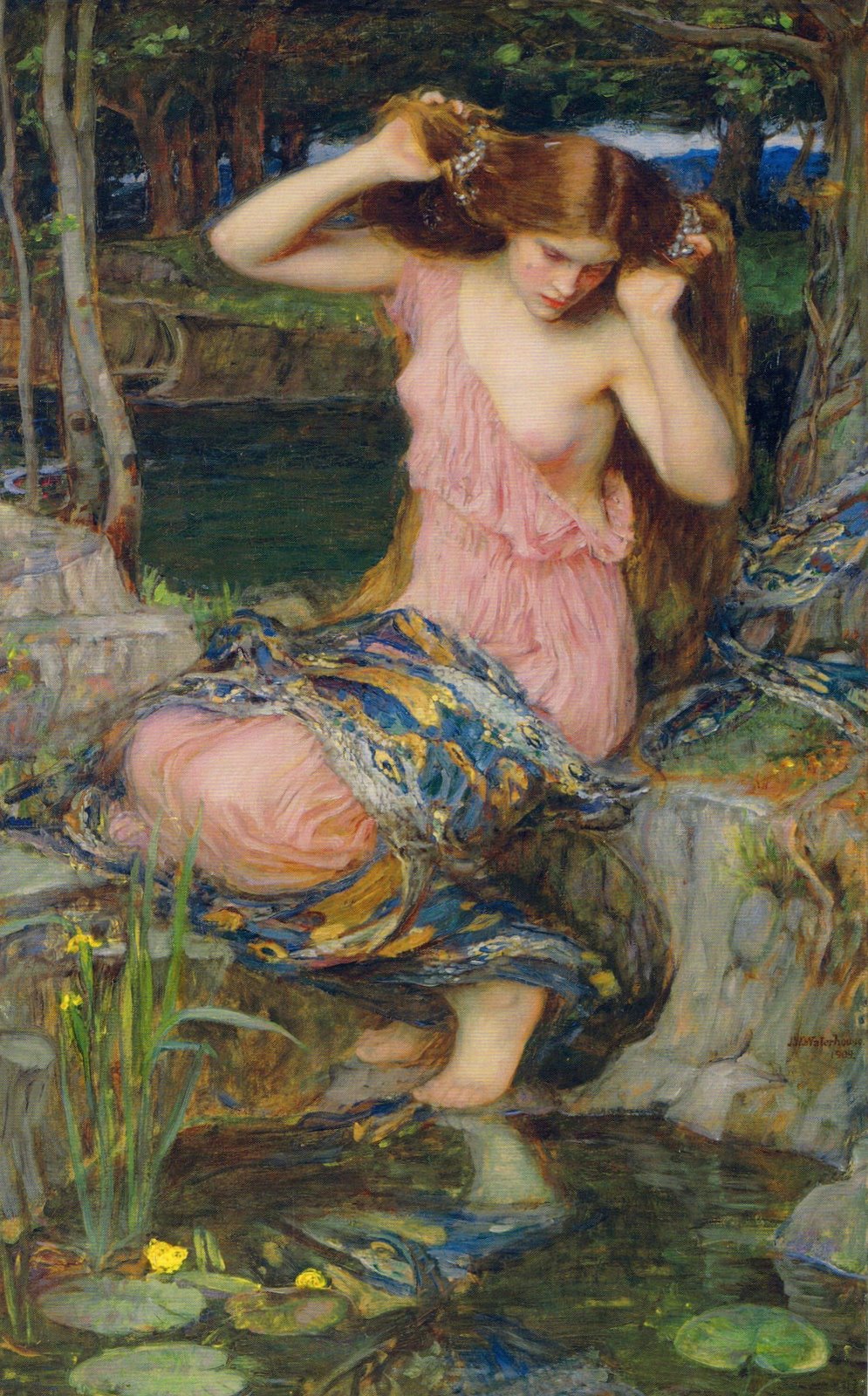
The xana is a female figure from Asturian mythology, often linked to fountains and rivers. She is said to offer gold or drive the unworthy insane with her voice, and she swaps human infants for fairy changelings.
- Female water spirit of Asturian mythology
- Lives in fountains and forested regions
- Voice brings peace or madness depending on soul purity
- Swaps human babies for fairy changelings
- Similar to Galician Anjanas and Portuguese Mouras
What it is
The xana is a mythical female being found in the folklore of Asturias. She lives near pure water sources like fountains, rivers, and waterfalls. People believe she possesses extraordinary beauty and can grant wealth to those she deems worthy. However, she is also dangerous. Her voice can soothe the pure-hearted but suffocate and drive the impure insane. She is known for hiding treasures and sometimes attacking people to steal their food.
Where it comes from
The word xana appears in Asturian toponyms, marking places where these spirits were thought to dwell. The etymology is uncertain, though some researchers suggest it derives from the Latin name for the goddess Diana. Similar figures appear in Eastern Galician and Cantabrian myths, where they are called Anjanas. These connections show how the legend spread across northern Spain.
Tools and materials
Xanas are associated with love water and precious metals like gold and silver. To detect a changeling, families use egg shells and pots near a fire. If the fairy child is present, it will reveal its age by complaining about seeing so many egg shells after supposedly living for a century.
Xana, drawn and placed
- Living
- Revived
- Fading
- Historical
- Legendary
- Performed
- Lineage
- Asturian mythology
- Timing
- spring and summer nights
What it is for
Stories focus on the xana's dual nature. She rewards purity with peace and treasure but punishes impurity with madness. Some tales involve breaking spells through secret rituals. Others describe her stealing riches or transforming into animals. A common motif involves her entering homes through keyholes to enchant victims.
Peoples and places
The belief is rooted in Asturian culture, with variations found among Galician and Cantabrian communities. In literature, Cuban writer Daína Chaviano used the xana in her novel The Island of Eternal Love. American author Kelley Armstrong included characters believed to be xanas in her Darkness Rising series, linking them to genetic modification and water powers.
At a glance: who, where and when
Belief worlds
What people believe
Xanas are part of a folk worldview where nature spirits interact with humans. They have children called xaninos but cannot produce milk. This leads them to swap human babies for their own fairy offspring. The changelings grow rapidly, allowing humans to discover the switch. The belief system includes rules for detecting these swaps and breaking magical spells.
Compare and confuse
The xana is similar to other European water spirits and fairies. It shares traits with the Enchanted Moura of Galicia and Portugal. The name Zana and Zână appear in related regional myths. Like changelings elsewhere, the xana replaces human infants, creating a parallel between human and fairy family structures.
Questions people ask about Xana
What is a xana?
A xana is a female mythical being from Asturian folklore. She lives near clean water and is known for her beauty, ability to hide treasures, and powerful voice that affects those who hear it.
Where does the word come from?
The origin is unclear. Some scholars think it comes from the Latin name for the goddess Diana. The term appears in local place names across Asturias.
What do xanas do to babies?
They cannot feed their own young, so they swap human babies for fairy children called xaninos. Humans can spot the change because the fairy baby grows very fast.
Good reading and sources
The facts on this page come from the Wikipedia article "Xana", written by its contributors and used under the CC BY-SA 4.0 licence, and from its Wikidata record (CC0). EveryJaadu rewrote the text in its own words, with AI assistance, and compares every page with the article to make sure no passage is copied. It may be reused under the same CC BY-SA 4.0 licence with a link back.
It may contain mistakes. Names and customs differ from one community to the next, and some knowledge is closed to outsiders and left out here. This page describes belief and practice. It does not say that any of it works, it is not a how-to, and it is not medical advice. If something is wrong, tell us. Last refreshed 2026-10-06.
More from Spain
All the entries from Spain 🇪🇸 Spain and 5 moreDuende
A humanoid spirit of Iberian and Latin American folklore, ranging from household pranksters to forest guardians.Being · Protection · Cursing and harm Living
🇪🇸 Spain and 5 moreDuende
A humanoid spirit of Iberian and Latin American folklore, ranging from household pranksters to forest guardians.Being · Protection · Cursing and harm Living
 🇮🇹 Italy and 1 moreCupidCupīdō
A Roman deity of desire and erotic love, often depicted with a bow and arrow.Being · Love and attraction · Cursing and harm Legendary
🇮🇹 Italy and 1 moreCupidCupīdō
A Roman deity of desire and erotic love, often depicted with a bow and arrow.Being · Love and attraction · Cursing and harm Legendary
 🇯🇵 Japan and 4 moreHousehold deity
A spirit or minor god believed to guard a home and its family members.Being · Protection · Speaking with spirits and the dead Historical
🇯🇵 Japan and 4 moreHousehold deity
A spirit or minor god believed to guard a home and its family members.Being · Protection · Speaking with spirits and the dead Historical
 🇪🇸 SpainBasajaun
A hairy forest lord of Basque myth who protects livestock and teaches human skillsBeing · Protection · Power and authority Legendary
🇪🇸 SpainBasajaun
A hairy forest lord of Basque myth who protects livestock and teaches human skillsBeing · Protection · Power and authority Legendary
Related elsewhere
All being 🇪🇬 EgyptCurse
A spoken wish for misfortune to befall a person or placeBelief · Cursing and harm · Luck and prosperity Historical
🇺🇸 United StatesPukwudgie
A short forest spirit from Algonquian lore, known for mischief and danger.Being · Cursing and harm · Luck and prosperity Legendary
🇪🇬 EgyptCurse
A spoken wish for misfortune to befall a person or placeBelief · Cursing and harm · Luck and prosperity Historical
🇺🇸 United StatesPukwudgie
A short forest spirit from Algonquian lore, known for mischief and danger.Being · Cursing and harm · Luck and prosperity Legendary
 🇮🇳 India and 5 moreHoliहोली
A Hindu spring festival marked by coloured powders and bonfires to celebrate love and virtue.Tradition · Love and attraction · Cursing and harm Living
🇮🇳 India and 5 moreHoliहोली
A Hindu spring festival marked by coloured powders and bonfires to celebrate love and virtue.Tradition · Love and attraction · Cursing and harm Living
 🇺🇸 United States and 2 moreLouisiana Voodoo
An African diasporic religion practiced in Louisiana from the 18th to early 20th centuriesTradition · Healing · Protection Historical
🇺🇸 United States and 2 moreLouisiana Voodoo
An African diasporic religion practiced in Louisiana from the 18th to early 20th centuriesTradition · Healing · Protection Historical