Witte Wiwer
from Low German meaning 'white women'
Subterranean spirits of Low German folklore known for music and child exchange
The witte Wiwer are legendary white women from Low German folklore who dwell underground. They are said to play music, trade with humans, and swap unbaptized infants for changelings if protective lights are not kept burning.
- Name means white women in Low German
- Dwell in underground pits and hills
- Swap unbaptized babies for changelings
- Borrow brewing coppers at twilight
- Pursued by the wild huntress
What it is
The witte Wiwer are mythical creatures described as white women in Low German tradition. They live beneath the earth in hills, under shrubs, or inside caves with fountains. These beings are distinct from other similar figures like the weiße Frauen. They are known for their beautiful voices and merry music. Folklore says they interact with humans through trades and threats. They are also pursued by the wild hunt, a spectral chase led by a huntress.
Where it comes from
These figures come from the folklore of northern Germany, particularly among Low German speakers. The name translates directly to white women in the local dialect. Regional variations exist, such as unterirdische Weiber in Mecklenburg and Sibyllen in the northwest. Stories link them to specific landscapes like the island of Rügen and Westphalian pits. Their origins are rooted in pre-Christian or early modern folk beliefs about hidden peoples.
How it is done
No active ritual is performed by practitioners today, as these are legendary beings. However, stories describe how humans might encounter them. People leave lights burning beside cradles to prevent the witte Wiwer from swapping newborns. In some tales, households lend brewing coppers to the spirits at twilight, receiving filled vessels back later. Weddings might involve offering sweet porridge to appease them.
Tools and materials
The witte Wiwer are associated with domestic and natural items. They borrow brewing coppers from human homes. They dwell near clear fountains in subterranean pits called Wittewiwerskule. Sweet porridge is mentioned as an offering during weddings. Oak trees on Rügen are linked to their presence, with one tree withering when the spirits were driven away.
Witte Wiwer, drawn and placed
- Living
- Revived
- Fading
- Historical
- Legendary
- Performed
- Lineage
- German folklore
- Timing
- at night, new moon twilight, weddings
What it is for
Humans historically feared the witte Wiwer for their role in infant abduction. Leaving a light by the cradle was believed to ward off changeling swaps. They were also seen as potential partners in small trades, like borrowing household tools. Their pursuit by the wild hunt suggests they were viewed as chaotic or hunted entities within the spirit world.
Who does it
There are no living practitioners of the witte Wiwer tradition. They belong to the realm of legend and folklore rather than active religious practice. Scholars study the tales recorded in historical texts. The beings themselves are the subjects of the stories, not participants in a cult.
Peoples and places
The witte Wiwer are central to Low German folklore in Germany. They are specifically tied to regions like Mecklenburg, Westphalia, and the island of Rügen. Different areas have unique names and details for the same type of spirit. This reflects the localized nature of European folk traditions before standardization.
At a glance: who, where and when
Peoples
Belief worlds
What people believe
The belief system places these women in the earth, connecting them to the underworld or hidden realms. They operate by their own rules, trading goods and threatening those who fail to protect their children. Their conflict with the wild hunt introduces a hierarchy of spirits. The withered oak prophecy ties their fate to the natural environment.
When it is done
Encounters are linked to specific times. Lights must be kept burning at night near newborns. Borrowing of coppers happens at the new moon during twilight. Offerings of porridge are made during weddings. These timings suggest a connection to lunar cycles and life events.
How scholars and sceptics see it
Folklorists and historians have documented these creatures in collections of German legends. Works by Karl Bartsch and others preserve the regional variations. Researchers analyze the witte Wiwer as part of broader European myths about subterranean beings and changelings. The studies focus on linguistic roots and regional storytelling differences.
Cautions and what is closed
In the stories, the witte Wiwer pose a danger to unbaptized infants and postpartum women. They threaten violence if not respected or protected against. The wild hunt also poses a risk, capturing these spirits. Modern readers view these as metaphors for infant mortality and the fears of early motherhood.
Compare and confuse
The witte Wiwer are similar to other European earth spirits and white ladies. They differ from the weiße Frauen in specific regional traits. The concept of changelings appears in many cultures. The wild hunt is a widespread myth across Europe, often interacting with local spirits.
Questions people ask about Witte Wiwer
What does the name Witte Wiwer mean?
The name comes from Low German and translates directly to white women. It refers to legendary female spirits found in the folklore of northern Germany.
Where do the Witte Wiwer live?
They are said to dwell underground in hills, under shrubs, or in caves with fountains. Specific locations include Mecklenburg, Westphalia, and the island of Rügen.
How can people protect their babies from them?
Folklore advises keeping a light burning beside the cradle at night. This is believed to stop the spirits from swapping healthy newborns for changelings.
What is their relationship with the Wild Hunt?
The witte Wiwer are chased by the Wild Hunt. A huntress named Fru Waur catches them, sometimes binding their hair together while riding her horse.
Good reading and sources
The facts on this page come from the Wikipedia article "Witte Wiwer", written by its contributors and used under the CC BY-SA 4.0 licence, and from its Wikidata record (CC0). EveryJaadu rewrote the text in its own words, with AI assistance, and compares every page with the article to make sure no passage is copied. It may be reused under the same CC BY-SA 4.0 licence with a link back.
It may contain mistakes. Names and customs differ from one community to the next, and some knowledge is closed to outsiders and left out here. This page describes belief and practice. It does not say that any of it works, it is not a how-to, and it is not medical advice. If something is wrong, tell us. Last refreshed 2026-10-06.
More from Germany
All the entries from Germany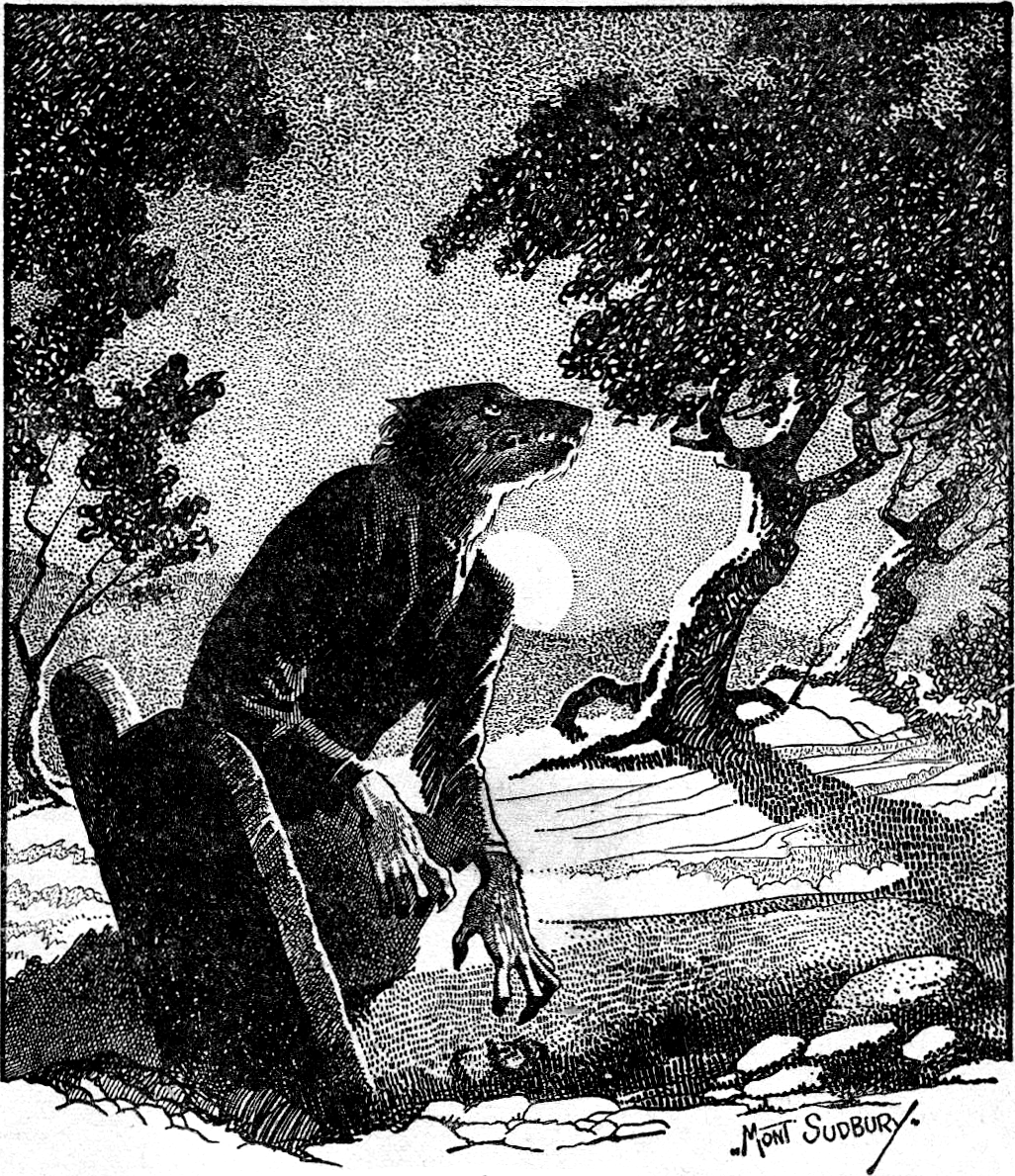 🇫🇷 France and 5 moreWerewolf
A mythical shapeshifter that turns into a wolf, central to European witch-hunts and Gothic horror.Being · Cursing and harm · Wonder and entertainment Legendary
🇩🇪 Germany and 1 moreNachzehrer
A German revenant believed to consume the living from beyond the graveBeing · Cursing and harm Legendary
🇫🇷 France and 5 moreWerewolf
A mythical shapeshifter that turns into a wolf, central to European witch-hunts and Gothic horror.Being · Cursing and harm · Wonder and entertainment Legendary
🇩🇪 Germany and 1 moreNachzehrer
A German revenant believed to consume the living from beyond the graveBeing · Cursing and harm Legendary
 🇩🇪 GermanyAlp
A Germanic spirit that presses on sleepers and drinks milkBeing · Cursing and harm · Luck and prosperity Historical
🇩🇪 GermanyAlp
A Germanic spirit that presses on sleepers and drinks milkBeing · Cursing and harm · Luck and prosperity Historical
 🇷🇺 Russia and 4 moreLady MiddayPoludnitsa
A Slavic noon spirit who watches over fields and punishes those who work during the hottest hours.Being · Cursing and harm · Protection Historical
🇷🇺 Russia and 4 moreLady MiddayPoludnitsa
A Slavic noon spirit who watches over fields and punishes those who work during the hottest hours.Being · Cursing and harm · Protection Historical
Related elsewhere
All being 🇪🇬 EgyptCurse
A spoken wish for misfortune to befall a person or placeBelief · Cursing and harm · Luck and prosperity Historical
🇪🇬 EgyptCurse
A spoken wish for misfortune to befall a person or placeBelief · Cursing and harm · Luck and prosperity Historical
 🇵🇭 PhilippinesTikbalang
A horse-headed spirit of Philippine forests that leads travelers astrayBeing · Cursing and harm · Luck and prosperity Living
🇵🇭 PhilippinesTikbalang
A horse-headed spirit of Philippine forests that leads travelers astrayBeing · Cursing and harm · Luck and prosperity Living
 🇮🇳 India and 5 moreHoliहोली
A Hindu spring festival marked by coloured powders and bonfires to celebrate love and virtue.Tradition · Love and attraction · Cursing and harm Living
🇺🇸 United StatesPukwudgie
A short forest spirit from Algonquian lore, known for mischief and danger.Being · Cursing and harm · Luck and prosperity Legendary
🇮🇳 India and 5 moreHoliहोली
A Hindu spring festival marked by coloured powders and bonfires to celebrate love and virtue.Tradition · Love and attraction · Cursing and harm Living
🇺🇸 United StatesPukwudgie
A short forest spirit from Algonquian lore, known for mischief and danger.Being · Cursing and harm · Luck and prosperity Legendary