Lazy Laurence
possibly linked to St Lawrence or a joke about his martyrdom
A mischievous English pixie who makes orchard workers lazy and gives them indigestion
Lazy Laurence is a nature spirit from English folklore linked to the New Forest in Hampshire and Dorset. He is said to protect cider and orchards while punishing those who work too hard or behave rudely by making them dither or fall ill.
- Pixie spirit of the New Forest
- Punishes apple thieves with cramps
- Name may link to St Lawrence
- Resides at Laurence's Barrow
- Used to scare children in Somerset
What it is
Lazy Laurence is a sprite found in English folk tales who lives in the New Forest area of southern England. He acts as a guardian of apple orchards and cider production. People believe he punishes greed or rudeness by causing stomach pain or forcing victims into a sleepy, unproductive state. Locals used to say someone was idle because 'Laurence has got upon him'.
Where it comes from
The figure appears in regional dialects across Sussex, Somerset, Devon and Cornwall. Early stories describe him as a bogeyman used to frighten children. A pamphlet titled The Pleasant history of lazy Laurence appeared in the 1770s. Scholars suggest the name might reference the heat around August 10, the feast day of St Lawrence. Another theory links it to a joke about the saint being too tired to move on his gridiron.
Tools and materials
He uses apples and fruit trees as tools of influence. Orchard workers who take too many apples without permission are said to receive indigestion from him. His presence is tied to specific earthworks like Laurence's Barrow, a bell barrow on Beaulieu Heath that shares space with other pixie sites.
Lazy Laurence, drawn and placed
- Living
- Revived
- Fading
- Historical
- Legendary
- Performed
- Lineage
- English folklore
What it is for
Locals viewed him with awe rather than simple fear. He enforced social rules about sharing harvest bounty. Tourists or thieves who took fruit faced physical discomfort. The belief served to protect agricultural resources and maintain order among harvesters through supernatural consequences.
Who does it
No living practitioners perform rituals for him today. Historical accounts from writers like John Wise in 1862 document how villagers spoke of his power. The spirit was part of local oral tradition rather than organized worship. Children were told stories about him to discourage bad behavior.
Peoples and places
The legend centers on Hampshire and Dorset but spread to neighboring counties. In Devon and Cornwall, the focus shifted more toward laziness than orchard protection. Different regions emphasized different aspects of his character, from protective spirit to frightening bogeyman.
At a glance: who, where and when
What people believe
Folklore holds that spirits inhabit natural landscapes. Laurence represents the wild energy of the forest. He demands respect for the land and its produce. The barrows where he resides mark sacred ground shared with other fairy beings like Watt's Parlour and Cold Pixies' Cave.
How scholars and sceptics see it
Researchers study Lazy Laurence as an example of regional folklore evolution. Brewer's Dictionary of Phrase and Fable notes the possible religious connections to St Lawrence. Historians track how the story changed as it moved between counties and dialects.
Compare and confuse
He resembles other English pixies and brownies who punish theft or laziness. Unlike domestic house spirits, he stays in the wild forest. His connection to St Lawrence sets him apart from purely pagan nature spirits.
Questions people ask about Lazy Laurence
Who is Lazy Laurence?
He is a mischievous pixie from English folklore who lives in the New Forest. He protects orchards and punishes those who take fruit or act rudely.
What does he do to people?
He is believed to cause stomach cramps in apple thieves. He also makes people feel lazy, dithering or sleepy when they cross him.
Where does he live?
He inhabits the New Forest in Hampshire and Dorset. His main home is thought to be Laurence's Barrow on Beaulieu Heath.
Why is he called Lazy Laurence?
The name might come from the heat of St Lawrence's feast day. Or it could reference a joke about the saint being too lazy to move on his gridiron.
Good reading and sources
The facts on this page come from the Wikipedia article "Lazy Laurence", written by its contributors and used under the CC BY-SA 4.0 licence, and from its Wikidata record (CC0). EveryJaadu rewrote the text in its own words, with AI assistance, and compares every page with the article to make sure no passage is copied. It may be reused under the same CC BY-SA 4.0 licence with a link back.
It may contain mistakes. Names and customs differ from one community to the next, and some knowledge is closed to outsiders and left out here. This page describes belief and practice. It does not say that any of it works, it is not a how-to, and it is not medical advice. If something is wrong, tell us. Last refreshed 2026-10-06.
More from the United Kingdom
All the entries from the United Kingdom 🇬🇧 United KingdomCeridwenCerridwen
A Welsh enchantress and modern goddess of poetic inspiration and transformation.Being · Change and initiation Revived
🇬🇧 United KingdomCeridwenCerridwen
A Welsh enchantress and modern goddess of poetic inspiration and transformation.Being · Change and initiation Revived
 🇬🇧 United Kingdom and 1 moreEach-uisge
A fierce water spirit of the Scottish Highlands and Irish shores that takes the form of a horse.Being · Cursing and harm Legendary
🇬🇧 United Kingdom and 1 moreEach-uisge
A fierce water spirit of the Scottish Highlands and Irish shores that takes the form of a horse.Being · Cursing and harm Legendary
Related elsewhere
All being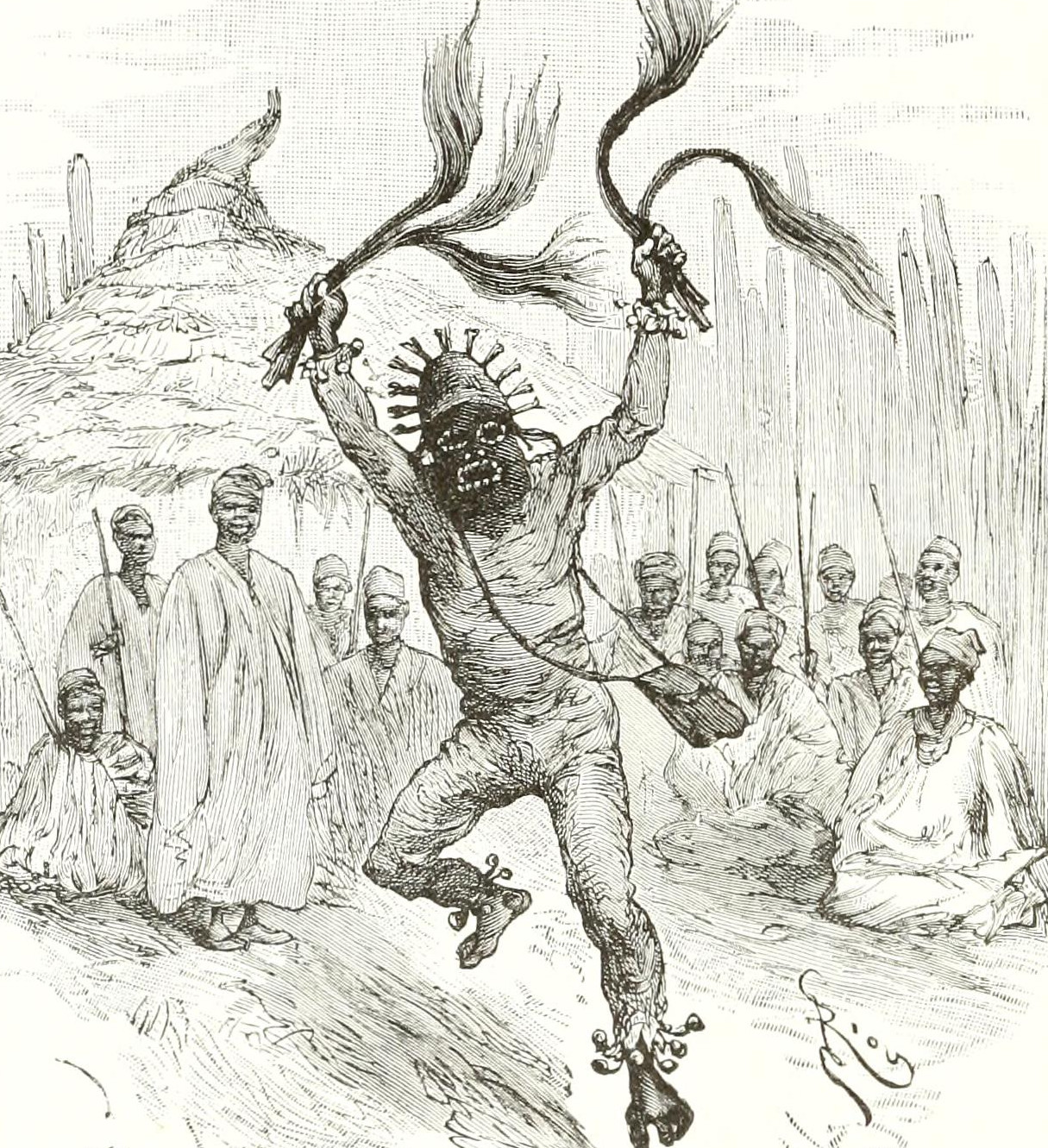 🇺🇸 United States and 2 moreLouisiana Voodoo
An African diasporic religion practiced in Louisiana from the 18th to early 20th centuriesTradition · Healing · Protection Historical
🇺🇸 United States and 2 moreLouisiana Voodoo
An African diasporic religion practiced in Louisiana from the 18th to early 20th centuriesTradition · Healing · Protection Historical
 🇮🇳 India and 1 moreYoginiयोगिनी
A female master of yoga and tantra, or a fierce goddess aspect in Indian temples.Tradition · Power and authority · Protection Historical
🇮🇳 India and 1 moreYoginiयोगिनी
A female master of yoga and tantra, or a fierce goddess aspect in Indian temples.Tradition · Power and authority · Protection Historical
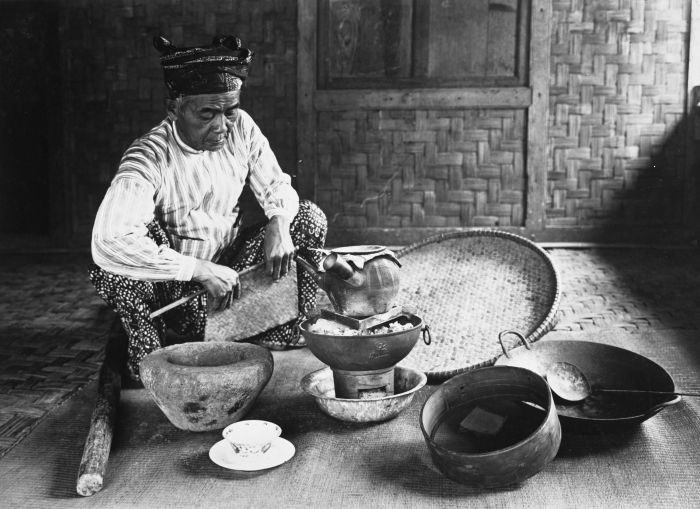 🇮🇩 Indonesia and 2 moreDukun
A traditional healer and spirit medium in Indonesian folk practiceTradition · Healing · Seeing and foretelling Living
🇮🇩 Indonesia and 2 moreDukun
A traditional healer and spirit medium in Indonesian folk practiceTradition · Healing · Seeing and foretelling Living
 🇮🇷 Iran and 1 moreJinnجِنّ
Supernatural beings in Islamic and pre-Islamic Arabian belief, created from smokeless fire.Being · Protection · Cursing and harm Living
🇮🇷 Iran and 1 moreJinnجِنّ
Supernatural beings in Islamic and pre-Islamic Arabian belief, created from smokeless fire.Being · Protection · Cursing and harm Living