Dames Blanches
from French for White Ladies, possibly derived from ancient guardian goddesses called Matres
Spectral women in French folklore who demand dances or warn of danger
Dames Blanches are spirits from French mythology often depicted as women dressed in white. They appear on roads and bridges to demand dances or offer warnings about death and hazards.
- Spectral women dressed entirely in white
- Demand travelers dance before allowing passage
- Appear in France and Quebec
- Considered harbingers of death
- May originate from ancient Matres goddesses
What it is
Dames Blanches are spectral figures found in French folklore and horror stories. They are typically described as women wearing all white. These entities act as both ghosts and fairies. They are similar to the Weiße Frauen found in Dutch and German myths. People report seeing them in natural landscapes or near human structures. The spirits are known for their unpredictable nature. Some versions portray them as malevolent forces that cause harm. Others view them as protective guardians. Their presence is often tied to specific locations like ravines or castles.
Where it comes from
Scholar J. A. MacCulloch suggests these spirits originated from pre-Christian female deities. He proposed that the title Dame comes from the Matres, ancient guardian goddesses. Old inscriptions mention Dominæ who watched over homes. Over time, these divine titles may have shifted into medieval folklore. The concept spread across Europe, appearing in various cultural traditions. The French version specifically emphasizes the white attire and demanding behavior.
How it is done
Encounters usually involve a test of respect or obedience. Travelers might be asked to dance with the spirit before passing safely. Refusing this request can lead to being thrown into thistles or tormented by other creatures. In some tales, the spirit forces people to dance until they die from exhaustion. Greeting the spirit properly is crucial for safety. Failure to acknowledge her increases the risk of accidents. Drivers who ignore her warning signs face deadly consequences on the road.
Tools and materials
The primary visual marker is white clothing worn by the spirit. This stark appearance distinguishes them from other ghosts. They are often associated with natural features like bridges and ravines. Castles also serve as common habitats for treasure-protecting variants. The environment plays a key role in their manifestation. Full moons are mentioned as times when they become visible.
Dames Blanches, drawn and placed
- Living
- Revived
- Fading
- Historical
- Legendary
- Performed
- Lineage
- French folklore
- Timing
- at night or during the full moon
What it is for
These spirits serve multiple roles in local belief systems. They act as harbingers of death for those who encounter them improperly. Some function as warnings about dangerous road conditions. Others guard hidden treasures within old castles. The requirement to dance serves as a ritualistic barrier. It tests the traveler's humility and willingness to engage with the supernatural world.
Who does it
There are no formal practitioners of Dames Blanches. They are subjects of folklore rather than active religious rites. Local populations tell stories about encounters with these spirits. Scholars study them as part of mythological analysis. The legends persist through oral tradition and written accounts.
Peoples and places
The Dames Blanches are central to French mythology. Specific legends exist in Normandy, such as La Dame d'Apringy in Bayeux. Another tale involves a bridge in Falaise where knees must be bent. In Canada, Quebec has its own version linked to Montmorency Falls. The Canadian story involves a bride named Mathilde who died on her wedding day.
At a glance: who, where and when
Belief worlds
What people believe
The worldview behind these spirits blends pagan and Christian elements. They represent ancient guardian figures adapted into modern ghost stories. The demand for dance reflects older rituals of appeasing nature spirits. Fear of the unknown drives many of the cautionary tales. Respect for the dead and the landscape is embedded in the narratives.
When it is done
Full moons are specifically mentioned as times when these spirits appear. No fixed festivals are associated with them. Encounters happen randomly during travel or at night. The legend of Mathilde ties her appearance to her tragic death date.
How scholars and sceptics see it
Academics like J. A. MacCulloch analyze these figures through historical lenses. They connect them to pre-Christian goddess worship. The shift from divine titles to folkloric names is studied carefully. Researchers examine how these myths evolved across different regions and cultures.
Cautions and what is closed
Refusing to dance or greet the spirit can result in severe harm. Travelers may be injured by thistles or attacked by helper creatures. Accidents on roads are believed to be caused by ignoring these omens. The tales serve as warnings against disrespecting the supernatural realm.
Compare and confuse
Dames Blanches are comparable to the Weiße Frauen of German and Dutch lore. They share traits with other white lady ghosts across Europe. The Moura Encantada in Portuguese tradition offers similarities. All these figures involve spectral women demanding respect or service.
Questions people ask about Dames Blanches
What are Dames Blanches?
They are spirits from French folklore depicted as women in white. They appear on roads and bridges to demand dances or warn of danger.
Where do they come from?
They originate in French mythology and are linked to ancient guardian goddesses called Matres by scholars.
What happens if you refuse to dance with them?
Refusal can lead to being thrown into thistles, tormented by creatures, or forced to dance until exhaustion kills you.
Are they only found in France?
No, legends also exist in Canada, particularly in Quebec, involving a bride named Mathilde at Montmorency Falls.
Good reading and sources
The facts on this page come from the Wikipedia article "Dames blanches", written by its contributors and used under the CC BY-SA 4.0 licence, and from its Wikidata record (CC0). EveryJaadu rewrote the text in its own words, with AI assistance, and compares every page with the article to make sure no passage is copied. It may be reused under the same CC BY-SA 4.0 licence with a link back.
It may contain mistakes. Names and customs differ from one community to the next, and some knowledge is closed to outsiders and left out here. This page describes belief and practice. It does not say that any of it works, it is not a how-to, and it is not medical advice. If something is wrong, tell us. Last refreshed 2026-10-07.
More from France
All the entries from France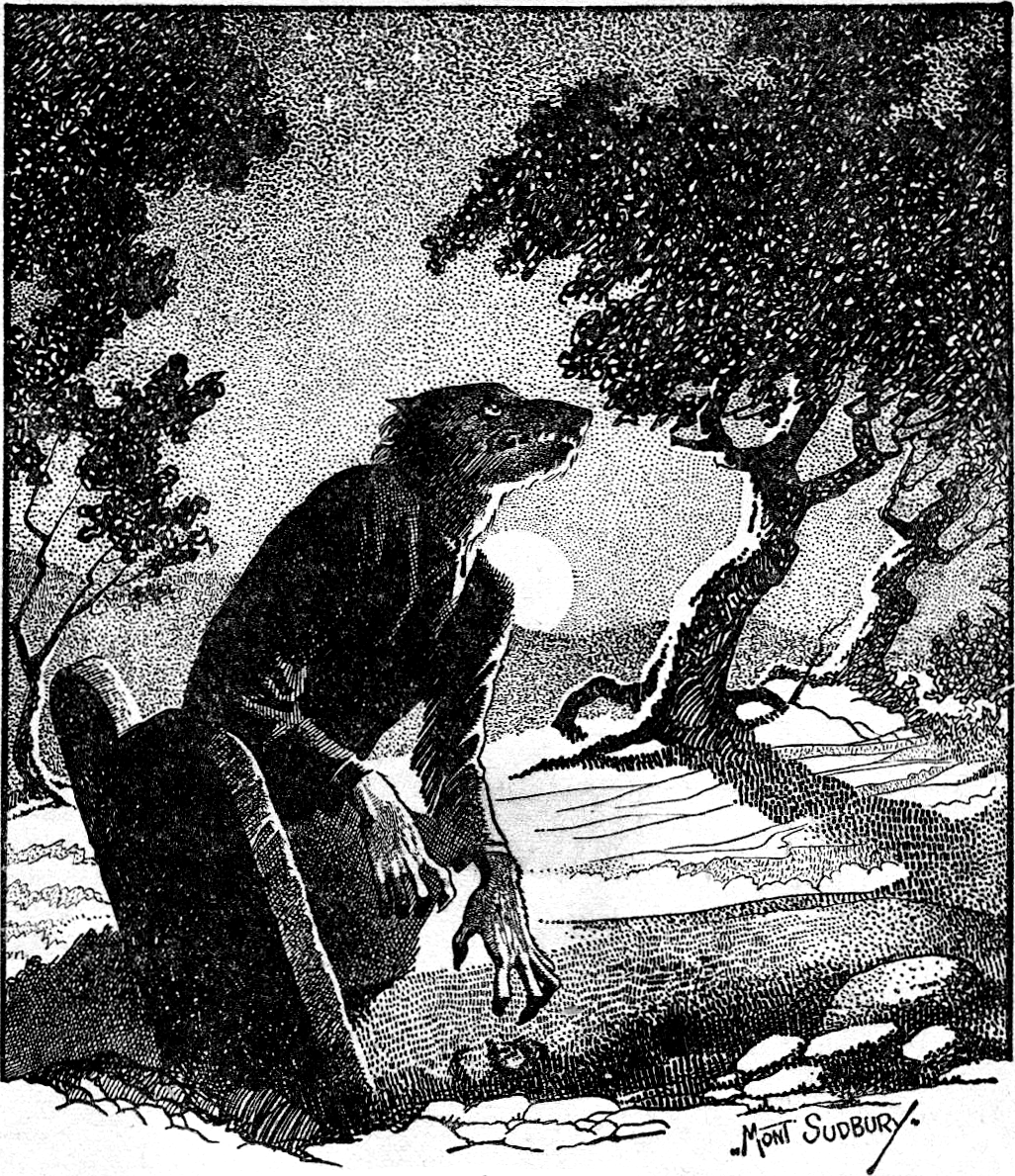 🇫🇷 France and 5 moreWerewolf
A mythical shapeshifter that turns into a wolf, central to European witch-hunts and Gothic horror.Being · Cursing and harm · Wonder and entertainment Legendary
🇫🇷 France and 5 moreWerewolf
A mythical shapeshifter that turns into a wolf, central to European witch-hunts and Gothic horror.Being · Cursing and harm · Wonder and entertainment Legendary
 🇫🇷 France and 5 moreRevenant
An animated corpse or spirit that returns from the grave to haunt the livingBeing · Cursing and harm Legendary
🇫🇷 France and 5 moreRevenant
An animated corpse or spirit that returns from the grave to haunt the livingBeing · Cursing and harm Legendary
 🇫🇷 France and 1 moreCernunnos
An antlered Celtic deity depicted with torcs and serpents, known from Roman-era Gaul.Being · Power and authority · Luck and prosperity Historical
🇫🇷 France and 1 moreCernunnos
An antlered Celtic deity depicted with torcs and serpents, known from Roman-era Gaul.Being · Power and authority · Luck and prosperity Historical
 🇬🇷 Greece and 3 moreHippocampusἱππόκαμπος
A mythological hybrid of a horse and fish from ancient Mediterranean culturesBeing · Wonder and entertainment Legendary
🇬🇷 Greece and 3 moreHippocampusἱππόκαμπος
A mythological hybrid of a horse and fish from ancient Mediterranean culturesBeing · Wonder and entertainment Legendary
Related elsewhere
All being 🇮🇷 Iran and 1 moreJinnجِنّ
Supernatural beings in Islamic and pre-Islamic Arabian belief, created from smokeless fire.Being · Protection · Cursing and harm Living
🇮🇷 Iran and 1 moreJinnجِنّ
Supernatural beings in Islamic and pre-Islamic Arabian belief, created from smokeless fire.Being · Protection · Cursing and harm Living
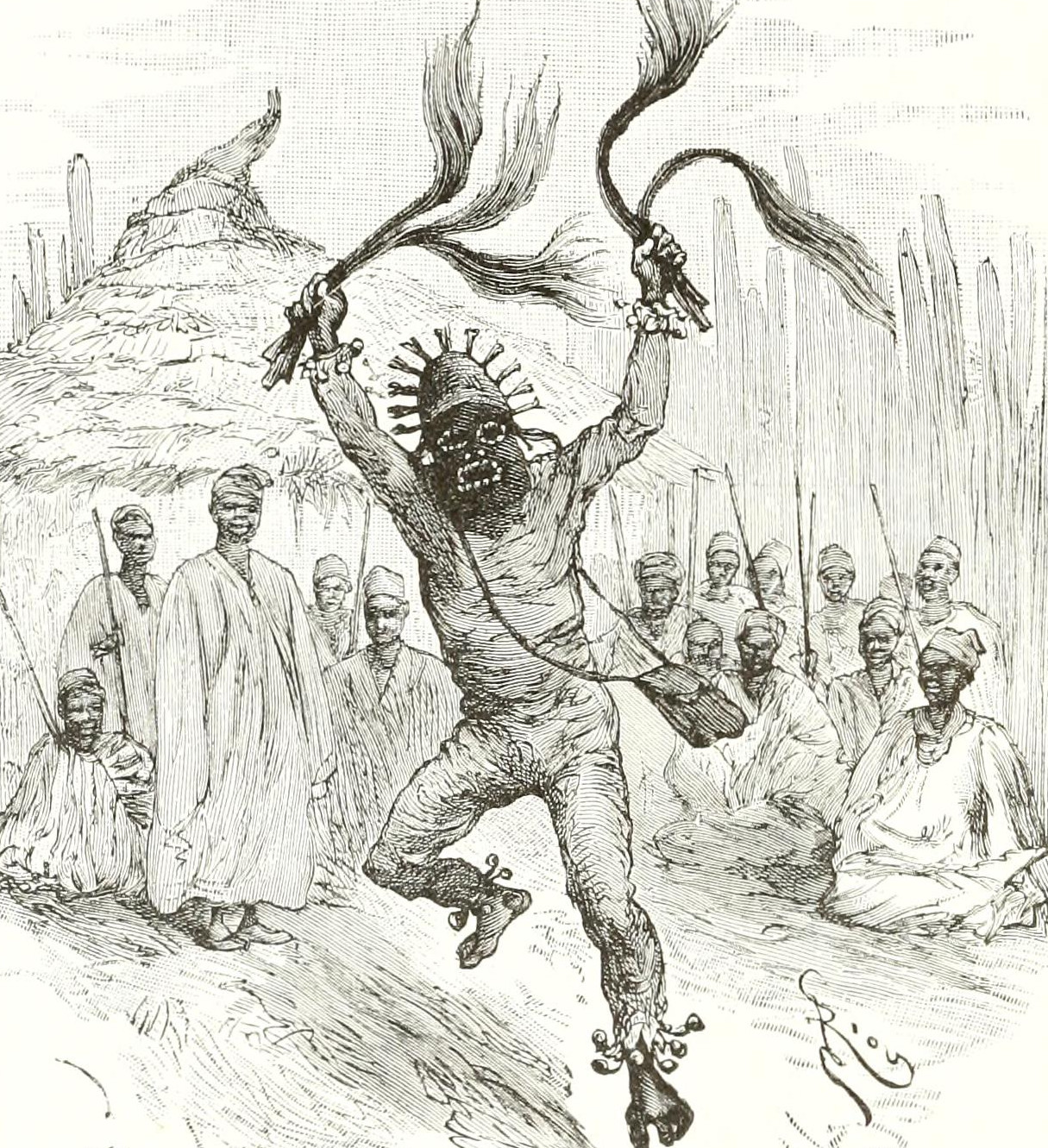 🇺🇸 United States and 2 moreLouisiana Voodoo
An African diasporic religion practiced in Louisiana from the 18th to early 20th centuriesTradition · Healing · Protection Historical
🇺🇸 United States and 2 moreLouisiana Voodoo
An African diasporic religion practiced in Louisiana from the 18th to early 20th centuriesTradition · Healing · Protection Historical
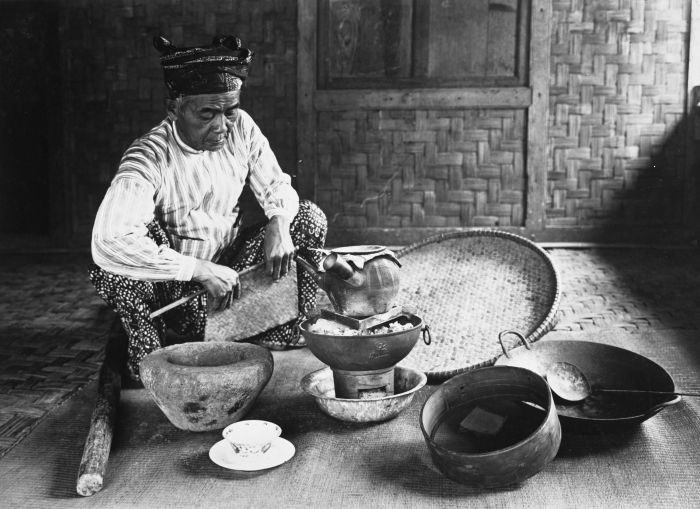 🇮🇩 Indonesia and 2 moreDukun
A traditional healer and spirit medium in Indonesian folk practiceTradition · Healing · Seeing and foretelling Living
🇮🇩 Indonesia and 2 moreDukun
A traditional healer and spirit medium in Indonesian folk practiceTradition · Healing · Seeing and foretelling Living
 🇨🇬 Republic of the CongoNkisi
Spirit containers and power figures from the Congo Basin used for justice and healingCharm · Protection · Healing Living
🇨🇬 Republic of the CongoNkisi
Spirit containers and power figures from the Congo Basin used for justice and healingCharm · Protection · Healing Living