Bauk
In its own language: Баук
from the sound it makes, bau
A bear-like creature from Serbian folklore that lurks in the dark.
The bauk is a mythical beast from Serbian tradition, described as a clumsy animal hiding in shadows to devour people. It is said to be driven back by light and loud sounds. Scholars believe the legend preserves memories of real bears that once lived in the region.
- The bauk hides in holes and abandoned houses.
- Light and noise drive the creature away.
- Its name comes from the sound 'bau'.
- Scholars link it to extinct regional bears.
- It translates 'goblin' in Serbian fantasy books.
What it is
The bauk is a figure from Serbian folklore, depicted as an animal-like monster. It is known for its clumsy movement, called bauljanje, and its deep voice, bau. The creature is said to hide in dark spots, holes, or empty buildings. It waits there to grab and eat people. Light and noise are believed to scare it away.
Where it comes from
The word began as a playful name for a bear. Over time, it became the name of a monster. Real bears disappeared from parts of Serbia. People kept telling stories about them. The bauk is seen as a memory of those extinct animals. It survives in local tales as a shadowy threat.
Tools and materials
The bauk uses darkness and hidden spaces like holes and abandoned houses. These places serve as its lairs. It relies on surprise to catch victims. Light and noise act as defenses against it.
Bauk, drawn and placed
- Living
- Revived
- Fading
- Historical
- Legendary
- Performed
- Lineage
- Serbian mythology
What it is for
The bauk represents a fear of wild animals and the unknown. It is a cautionary figure for children. Parents might use the story to keep kids away from dangerous places. It embodies the danger of the dark forest.
Who does it
Scholars study the bauk to understand how legends form. They link the myth to the history of bears in the Balkans. No specific group performs rituals involving the bauk today.
Peoples and places
The bauk belongs to Serbian culture. It appears in modern media as a translation for goblins and bogarts. Croatian editions of fantasy books also use the term. Video games feature it as a monster to fight.
At a glance: who, where and when
Peoples
Belief worlds
What people believe
The belief in the bauk stems from encounters with real bears. As bears vanished, they became spirits of the woods. The clumsy gait and sound match bear behavior. It is a folk explanation for missing persons or attacks.
How scholars and sceptics see it
Researchers see the bauk as a cultural echo of wildlife. They note that bears were once common in Serbia. The myth adapts to explain their absence. It shows how nature shapes local stories.
Compare and confuse
It is similar to other bear myths in Europe. In fantasy literature, it translates creatures like goblins. This shifts its meaning from a real animal to a generic monster.
Today
The bauk lives on in translations and games. It appears in Serbian versions of Tolkien and Harry Potter. A video game trailer shows a character fighting one. It remains a recognizable part of Serbian pop culture.
Questions people ask about Bauk
What is a Bauk?
It is a bear-like monster from Serbian folklore. It hides in dark places to attack people. It moves clumsily and makes a 'bau' sound.
Where does the word come from?
It comes from the onomatopoeia 'bau', mimicking a bear's growl. It started as a nickname for bears before becoming a monster name.
How do you stop a Bauk?
According to the tale, light and loud noises scare it away. It prefers dark, quiet places like holes or empty buildings.
Good reading and sources
The facts on this page come from the Wikipedia article "Bauk (mythology)", written by its contributors and used under the CC BY-SA 4.0 licence, and from its Wikidata record (CC0). EveryJaadu rewrote the text in its own words, with AI assistance, and compares every page with the article to make sure no passage is copied. It may be reused under the same CC BY-SA 4.0 licence with a link back.
It may contain mistakes. Names and customs differ from one community to the next, and some knowledge is closed to outsiders and left out here. This page describes belief and practice. It does not say that any of it works, it is not a how-to, and it is not medical advice. If something is wrong, tell us. Last refreshed 2026-10-07.
More from Serbia
All the entries from Serbia 🇷🇸 Serbia and 5 moreVampire
An undead creature from folklore that feeds on the blood or life force of the livingBeing · Cursing and harm · Luck and prosperity Legendary
🇷🇸 Serbia and 5 moreVampire
An undead creature from folklore that feeds on the blood or life force of the livingBeing · Cursing and harm · Luck and prosperity Legendary
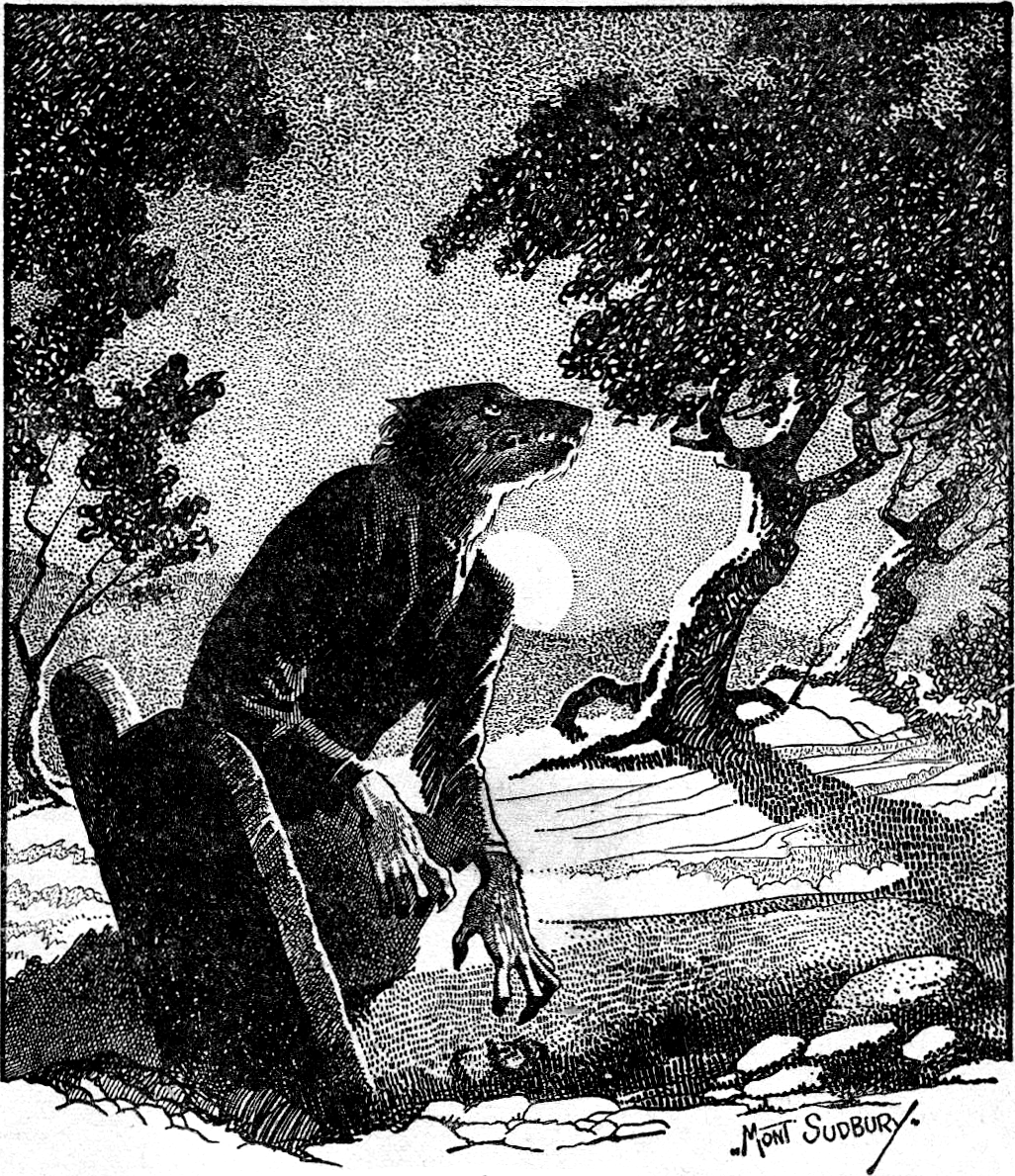 🇫🇷 France and 5 moreWerewolf
A mythical shapeshifter that turns into a wolf, central to European witch-hunts and Gothic horror.Being · Cursing and harm · Wonder and entertainment Legendary
🇷🇸 Serbia and 1 moreDrekavacДрекавац
A South Slavic night creature born from unbaptised souls or sinnersBeing · Cursing and harm Legendary
🇫🇷 France and 5 moreWerewolf
A mythical shapeshifter that turns into a wolf, central to European witch-hunts and Gothic horror.Being · Cursing and harm · Wonder and entertainment Legendary
🇷🇸 Serbia and 1 moreDrekavacДрекавац
A South Slavic night creature born from unbaptised souls or sinnersBeing · Cursing and harm Legendary
 🇷🇺 Russia and 4 moreLady MiddayPoludnitsa
A Slavic noon spirit who watches over fields and punishes those who work during the hottest hours.Being · Cursing and harm · Protection Historical
🇷🇺 Russia and 4 moreLady MiddayPoludnitsa
A Slavic noon spirit who watches over fields and punishes those who work during the hottest hours.Being · Cursing and harm · Protection Historical
Related elsewhere
All being 🇪🇬 Egypt and 1 moreLilithלִילִית
A feminine figure from Mesopotamian and Jewish mythology, often depicted as a night demon or spirit.Being · Cursing and harm Legendary
🇪🇬 Egypt and 1 moreLilithלִילִית
A feminine figure from Mesopotamian and Jewish mythology, often depicted as a night demon or spirit.Being · Cursing and harm Legendary
 🇪🇬 EgyptCurse
A spoken wish for misfortune to befall a person or placeBelief · Cursing and harm · Luck and prosperity Historical
🇪🇬 EgyptCurse
A spoken wish for misfortune to befall a person or placeBelief · Cursing and harm · Luck and prosperity Historical
 🇺🇸 United StatesSalem Witch Trials
A colonial legal crisis where over two hundred people faced accusations of sorcery in Massachusetts.Belief · Cursing and harm Historical
🇺🇸 United StatesSalem Witch Trials
A colonial legal crisis where over two hundred people faced accusations of sorcery in Massachusetts.Belief · Cursing and harm Historical
 🇮🇳 India and 5 moreHoliहोली
A Hindu spring festival marked by coloured powders and bonfires to celebrate love and virtue.Tradition · Love and attraction · Cursing and harm Living
🇮🇳 India and 5 moreHoliहोली
A Hindu spring festival marked by coloured powders and bonfires to celebrate love and virtue.Tradition · Love and attraction · Cursing and harm Living