Umi zatō
In its own language: 海座頭
A sea yōkai depicted as a giant blind musician that threatens ships
The Umi zatō is a Japanese supernatural being illustrated in Edo-period art by Toriyama Sekien and in various handscrolls. It appears as a massive biwa hōshi standing on water, carrying a lute and holding a rod.
- Depicted by Toriyama Sekien in the Gazu Hyakki Yagyō
- Resembles a giant blind biwa hōshi musician
- Walks on water and threatens ships
- Appears at the end of the month
- Carries a pipa and holds a rod
What it is
The Umi zatō is a creature from Japanese folklore classified as a yōkai. It was first recorded in visual form within the Gazu Hyakki Yagyō created by the artist Toriyama Sekien. The figure also appears in several emakimono, or picture scrolls, including the Matsui Library's Hyakki Yagyō Emaki. In these depictions, the entity resembles a giant biwa hōshi, which is a blind itinerant musician. It stands above the ocean surface while holding a rod in one hand and carrying a pipa, a type of lute, on its back. No explanatory text accompanies these images, leaving the exact nature of the spirit ambiguous to modern scholars.
Where it comes from
The creature originates from Japanese artistic traditions of the Edo period. It is primarily known through the works of Toriyama Sekien and specific handscroll collections. Some researchers, such as Murakami Kenji, argue that the Umi zatō exists only within these paintings without a broader oral history. Later interpretations have linked it to the umibōzu, spirits often seen off the coast of Sanriku and Rikuchū Province. While umibōzu appear at different times, the Umi zatō is said to emerge when other spirits are absent, typically at the end of the month.
How it is done
The Umi zatō is described as walking across the top of the water. It is believed to threaten local fishermen and beckon passing ships toward danger. In some accounts, the spirit causes vessels to capsize or swallows them whole. It may take the form of a zatō, a member of a guild for blind persons or musicians, to frighten people. Folklore suggests that if observers answer the creature's words correctly, it will depart peacefully.
Tools and materials
The entity carries a pipa on its back and holds a rod in its right hand. These items identify it visually with the biwa hōshi tradition. The pipa is a fretted string instrument, and the rod serves as a walking stick for the blind musicians it mimics.
Umi zatō, drawn and placed
- Living
- Revived
- Fading
- Historical
- Legendary
- Performed
- Lineage
- Japanese yōkai tradition
- Timing
- end of the month
What it is for
The Umi zatō is feared for its ability to harm mariners and destroy property. It is said to threaten fishermen and cause ships to sink. The spirit uses its appearance to intimidate those at sea. Responding to its speech is considered a way to avoid this harm and make the entity leave.
Peoples and places
The Umi zatō is part of the Japanese yōkai tradition. It is documented in Japanese art and folklore. The connection to the umibōzu links it to the coastal regions of Iwate prefecture. The depiction relies on the cultural understanding of blind musician guilds and sea spirits common in Japan.
At a glance: who, where and when
Peoples
Belief worlds
Questions people ask about Umi zatō
What does the Umi zatō look like?
It looks like a giant blind musician called a biwa hōshi. It stands on the sea holding a rod and carries a pipa lute on its back.
Where does the Umi zatō come from?
It comes from Japanese folklore and is featured in Edo-period art by Toriyama Sekien and various handscrolls.
What does the Umi zatō do?
It walks on water, threatens fishermen, and causes ships to capsize or be swallowed. Answering its words makes it go away.
Good reading and sources
The facts on this page come from the Wikipedia article "Umi zatō", written by its contributors and used under the CC BY-SA 4.0 licence, and from its Wikidata record (CC0). EveryJaadu rewrote the text in its own words, with AI assistance, and compares every page with the article to make sure no passage is copied. It may be reused under the same CC BY-SA 4.0 licence with a link back.
It may contain mistakes. Names and customs differ from one community to the next, and some knowledge is closed to outsiders and left out here. This page describes belief and practice. It does not say that any of it works, it is not a how-to, and it is not medical advice. If something is wrong, tell us. Last refreshed 2026-10-10.
More from Japan
All the entries from Japan 🇨🇳 China and 3 moreChinese dragon龍
A legendary water deity and imperial symbol in East Asian cultureBeing · Protection · Luck and prosperity Historical
🇨🇳 China and 3 moreChinese dragon龍
A legendary water deity and imperial symbol in East Asian cultureBeing · Protection · Luck and prosperity Historical
 🇯🇵 JapanOni鬼(おに)
A horned demon of Japanese folklore known for strength and evil deedsBeing · Cursing and harm · Luck and prosperity Legendary
🇯🇵 JapanOni鬼(おに)
A horned demon of Japanese folklore known for strength and evil deedsBeing · Cursing and harm · Luck and prosperity Legendary
 🇯🇵 JapanBaku獏
A Japanese spirit said to eat bad dreams and protect sleepersBeing · Protection Living
🇯🇵 JapanKuda-gitsune管狐 (kuda-gitsune)
A small spirit kept in a tube or sleeve to aid fortune-telling and cursing in Japanese folklore.Being · Seeing and foretelling · Cursing and harm Legendary
🇯🇵 JapanBaku獏
A Japanese spirit said to eat bad dreams and protect sleepersBeing · Protection Living
🇯🇵 JapanKuda-gitsune管狐 (kuda-gitsune)
A small spirit kept in a tube or sleeve to aid fortune-telling and cursing in Japanese folklore.Being · Seeing and foretelling · Cursing and harm Legendary
Related elsewhere
All being 🇷🇸 Serbia and 5 moreVampire
An undead creature from folklore that feeds on the blood or life force of the livingBeing · Cursing and harm · Luck and prosperity Legendary
🇷🇸 Serbia and 5 moreVampire
An undead creature from folklore that feeds on the blood or life force of the livingBeing · Cursing and harm · Luck and prosperity Legendary
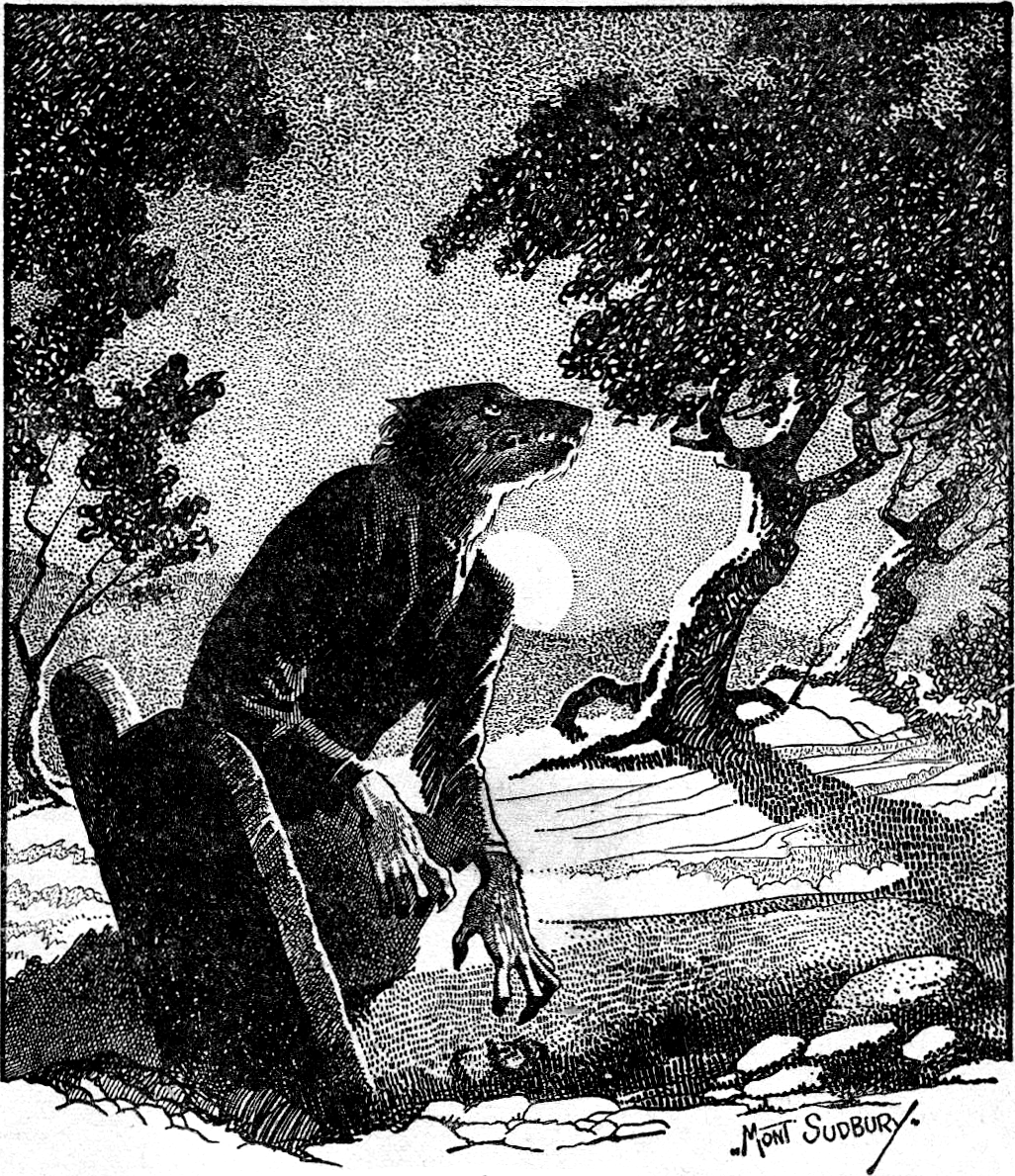 🇫🇷 France and 5 moreWerewolf
A mythical shapeshifter that turns into a wolf, central to European witch-hunts and Gothic horror.Being · Cursing and harm · Wonder and entertainment Legendary
🇫🇷 France and 5 moreWerewolf
A mythical shapeshifter that turns into a wolf, central to European witch-hunts and Gothic horror.Being · Cursing and harm · Wonder and entertainment Legendary
 🇪🇬 Egypt and 1 moreLilithלִילִית
A feminine figure from Mesopotamian and Jewish mythology, often depicted as a night demon or spirit.Being · Cursing and harm Legendary
🇪🇬 Egypt and 1 moreLilithלִילִית
A feminine figure from Mesopotamian and Jewish mythology, often depicted as a night demon or spirit.Being · Cursing and harm Legendary
 🇪🇬 EgyptCurse
A spoken wish for misfortune to befall a person or placeBelief · Cursing and harm · Luck and prosperity Historical
🇪🇬 EgyptCurse
A spoken wish for misfortune to befall a person or placeBelief · Cursing and harm · Luck and prosperity Historical