Charms, amulets and talismans
Made and worn things: the nazar, the hamsa, the omamori, the mojo bag and the witch bottle.
Charms, amulets and talismans are things made or chosen to carry a purpose. The blue glass nazar in Turkey, the hamsa hand across North Africa and the Middle East, the Japanese omamori, the Haitian pwen, the Italian cornicello and the Hoodoo mojo bag all belong here. They are small, portable and personal, and found on every continent. This page looks at what they are said to do and how they are made, sold and understood.
Amulet or talisman
The two words are often used loosely. An amulet is usually said to protect by what it is, such as a blue bead against the evil eye. A talisman is made or empowered for a purpose, often with writing, a name or a date. Islamic, Jewish, Taoist and Hindu traditions all have written talismans: the Taoist fu, the Jewish kame'a, the Hindu yantra and the Muslim hirz. The common thread is that something small and personal is believed to hold a purpose on behalf of its owner.
Making and keeping
Many charms are made by specialists, then blessed or sold at a temple, shrine or market. Others are made at home, such as a red thread, a knotted cord, or a horseshoe nailed over a door. Practitioners usually say a charm should be kept clean, respected and not shown off. In Japan an omamori is returned to its shrine after a year. Charm makers are often women, jewellers, scribes or temple staff, and the person who makes a charm may not be the person who blesses it.
Faith and suspicion
Religious authorities disagree on charms. Some Islamic scholars allow Quranic verses carried as a reminder and reject objects held to work by themselves. Many Christian churches have blessed medals and scapulars while condemning amulets of folk origin. Sikh teaching rejects charms altogether. Anthropologists read them as ways to hold fear and uncertainty in a form a person can carry. Interpretation is divided within religions too, so one family may treat a bead as decoration while a neighbour treats it as a serious shield.
Market and appropriation
Charms are big business. Evil-eye beads sell as fashion on every high street, and the hamsa appears as a decoration far from its homes. Fakes are common, and some sellers promise outcomes in ways that amount to fraud, particularly in expensive gemstone or lottery charm schemes. Sacred designs used as a logo can offend the community they come from. Designers have taken eyes, hands and runes as motifs, and while many communities are glad to see them shared, others ask that sacred symbols not be turned into trivia or used by brands.
Charm on EveryJaadu
The entries written up so far, best known first.
 🇺🇸 United States and 5 moreMojo bag
A cloth pouch holding charms for protection, luck, or love in the Hoodoo tradition.Charm · Protection · Healing Living
🇺🇸 United States and 5 moreMojo bag
A cloth pouch holding charms for protection, luck, or love in the Hoodoo tradition.Charm · Protection · Healing Living
 🇰🇭 Cambodia and 3 moreSak Yantសាក់យ័ន្ត
A Southeast Asian tattoo tradition using sacred geometry for protection and powerTradition · Protection · Luck and prosperity Living
🇰🇭 Cambodia and 3 moreSak Yantសាក់យ័ន្ត
A Southeast Asian tattoo tradition using sacred geometry for protection and powerTradition · Protection · Luck and prosperity Living
 🇨🇬 Republic of the CongoNkisi
Spirit containers and power figures from the Congo Basin used for justice and healingCharm · Protection · Healing Living
🇨🇬 Republic of the CongoNkisi
Spirit containers and power figures from the Congo Basin used for justice and healingCharm · Protection · Healing Living
 🇦🇷 Argentina and 2 moreSan La Muerte
A skeletal folk saint venerated in South America for protection and favorsTradition · Protection · Healing Living
🇦🇷 Argentina and 2 moreSan La Muerte
A skeletal folk saint venerated in South America for protection and favorsTradition · Protection · Healing Living
 🇨🇳 China and 1 moreFulu符籙
Taoist talismans with cryptic symbols used for healing and protectionCharm · Healing · Protection Living
🇨🇳 China and 1 moreFulu符籙
Taoist talismans with cryptic symbols used for healing and protectionCharm · Healing · Protection Living
 🇫🇷 France and 3 moreReliquary
A container for sacred remains or objects, crafted across many faithsCharm · Protection · Speaking with spirits and the dead Living
🇫🇷 France and 3 moreReliquary
A container for sacred remains or objects, crafted across many faithsCharm · Protection · Speaking with spirits and the dead Living
 🇮🇹 Italy and 5 moreRelic
An object or body part kept to honor a holy person and mark their connection to the divineCharm · Protection · Healing Living
🇮🇹 Italy and 5 moreRelic
An object or body part kept to honor a holy person and mark their connection to the divineCharm · Protection · Healing Living
 🇬🇧 United Kingdom and 4 moreCorn dolly
A woven straw figure made from the last sheaf of a European harvest to house the crop spirit.Tradition · Protection · Speaking with spirits and the dead Revived
🇬🇧 United Kingdom and 4 moreCorn dolly
A woven straw figure made from the last sheaf of a European harvest to house the crop spirit.Tradition · Protection · Speaking with spirits and the dead Revived
 🇷🇺 Russia and 2 moreCaul
A birth membrane kept as a talisman for luck and protection from drowningCharm · Protection · Luck and prosperity Historical
🇷🇺 Russia and 2 moreCaul
A birth membrane kept as a talisman for luck and protection from drowningCharm · Protection · Luck and prosperity Historical
 🇪🇬 EgyptScarab
A carved beetle amulet and seal used in ancient Egypt for protection, identity, and ritual.Charm · Protection · Luck and prosperity Historical
🇯🇵 JapanOmamori (sample)お守り
A small shrine charm in a brocade pouch.Charm · Protection · Luck and prosperity Living
🇹🇷 TurkeyHamsa (sample)Khamsa
An open hand with an eye, hung on doors.Charm · Protection · Luck and prosperity Living
🇬🇧 United KingdomWitch bottle (sample)
A stoppered bottle set out against curses.Charm · Protection · Cursing and harm Historical
🇬🇧 United KingdomEvil eye bead (sample)Nazar boncuğu
A blue glass bead hung to turn aside envy.Charm · Protection Living
🇪🇬 EgyptScarab
A carved beetle amulet and seal used in ancient Egypt for protection, identity, and ritual.Charm · Protection · Luck and prosperity Historical
🇯🇵 JapanOmamori (sample)お守り
A small shrine charm in a brocade pouch.Charm · Protection · Luck and prosperity Living
🇹🇷 TurkeyHamsa (sample)Khamsa
An open hand with an eye, hung on doors.Charm · Protection · Luck and prosperity Living
🇬🇧 United KingdomWitch bottle (sample)
A stoppered bottle set out against curses.Charm · Protection · Cursing and harm Historical
🇬🇧 United KingdomEvil eye bead (sample)Nazar boncuğu
A blue glass bead hung to turn aside envy.Charm · Protection Living
 🇮🇹 Italy and 2 moreBulla
A round Roman amulet given to freeborn boys as a mark of status and protectionCharm · Protection · Luck and prosperity Historical
🇮🇹 Italy and 2 moreBulla
A round Roman amulet given to freeborn boys as a mark of status and protectionCharm · Protection · Luck and prosperity Historical
 🇯🇵 JapanSaruboboさるぼぼ
A faceless red doll from Japan, given as a charm for family and fortuneCharm · Luck and prosperity · Protection Living
🇯🇵 JapanSaruboboさるぼぼ
A faceless red doll from Japan, given as a charm for family and fortuneCharm · Luck and prosperity · Protection Living
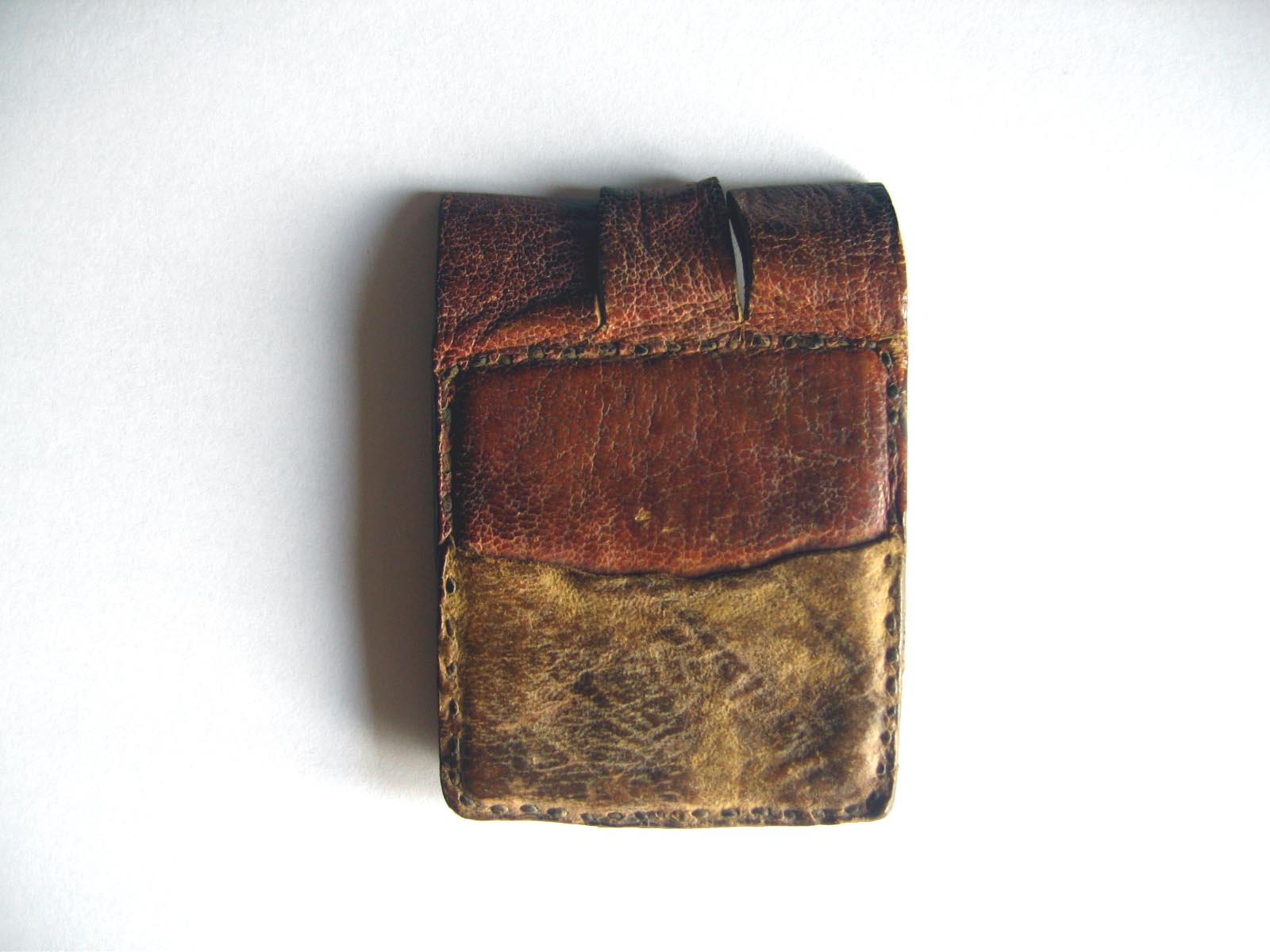 🇲🇱 Mali and 3 moreGris-gris
A small pouch or charm from West Africa used for protection and luck.Charm · Protection · Luck and prosperity Living
🇲🇱 Mali and 3 moreGris-gris
A small pouch or charm from West Africa used for protection and luck.Charm · Protection · Luck and prosperity Living
 🇯🇵 Japan and 1 moreGood Luck Flag寄せ書き日の丸 (yosegaki hinomaru)
A Japanese national flag signed by loved ones to wish a soldier safety and victory.Charm · Protection · Luck and prosperity Living
🇯🇵 Japan and 1 moreGood Luck Flag寄せ書き日の丸 (yosegaki hinomaru)
A Japanese national flag signed by loved ones to wish a soldier safety and victory.Charm · Protection · Luck and prosperity Living
 🇹🇷 Turkey and 1 moreTalismanic shirttılsımlı gömlek
A worn textile inscribed with sacred verses and symbols for protection in the Muslim worldCharm · Protection Historical
🇹🇷 Turkey and 1 moreTalismanic shirttılsımlı gömlek
A worn textile inscribed with sacred verses and symbols for protection in the Muslim worldCharm · Protection Historical
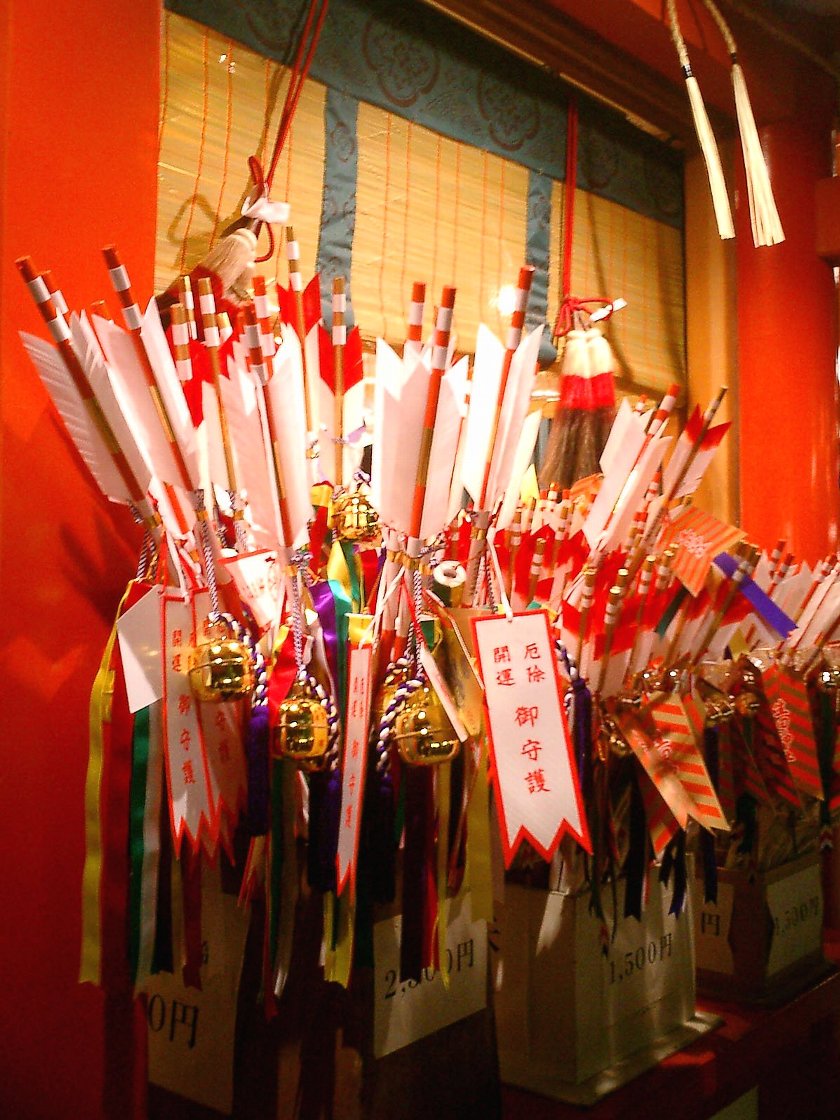 🇯🇵 JapanHamaya破魔矢
A blunt arrow given at shrines to ward off evil and secure good luck for the new yearCharm · Protection · Luck and prosperity Living
🇯🇵 JapanHamaya破魔矢
A blunt arrow given at shrines to ward off evil and secure good luck for the new yearCharm · Protection · Luck and prosperity Living
 🇪🇬 Egypt and 1 moreHypocephalus
An ancient Egyptian disk placed under the head of the dead for protection and rebirthCharm · Protection · Speaking with spirits and the dead Historical
🇪🇬 Egypt and 1 moreHypocephalus
An ancient Egyptian disk placed under the head of the dead for protection and rebirthCharm · Protection · Speaking with spirits and the dead Historical
 🇹🇭 Thailand and 1 morePalad khikปลัดขิก
A Thai phallic amulet believed to bring luck and protectionCharm · Protection · Luck and prosperity Living
🇹🇭 Thailand and 1 morePalad khikปลัดขิก
A Thai phallic amulet believed to bring luck and protectionCharm · Protection · Luck and prosperity Living
 🇩🇪 Germany and 1 moreHercules' ClubHerkuleskeule
A club-shaped amulet worn in the Roman Empire and by Germanic peoples as a protective charm.Charm · Protection Historical
🇩🇪 Germany and 1 moreHercules' ClubHerkuleskeule
A club-shaped amulet worn in the Roman Empire and by Germanic peoples as a protective charm.Charm · Protection Historical
 🇨🇳 China and 2 moreCoin-sword辟邪劍 (bì xié jiàn)
A Chinese numismatic talisman made of cash coins strung on a rod to ward off evil spiritsCharm · Protection Living
🇨🇳 China and 2 moreCoin-sword辟邪劍 (bì xié jiàn)
A Chinese numismatic talisman made of cash coins strung on a rod to ward off evil spiritsCharm · Protection Living
 🇻🇳 Vietnam and 2 moreVietnamese numismatic charmsBùa Việt Nam
Coin-shaped charms used for protection, luck, and ritual in Vietnamese cultureCharm · Protection · Luck and prosperity Historical
🇻🇳 Vietnam and 2 moreVietnamese numismatic charmsBùa Việt Nam
Coin-shaped charms used for protection, luck, and ritual in Vietnamese cultureCharm · Protection · Luck and prosperity Historical
 🇹🇭 Thailand and 1 morePra Jiadประเจียด
A Muay Thai armband worn for luck and confidenceCharm · Luck and prosperity · Protection Living
🇹🇭 Thailand and 1 morePra Jiadประเจียด
A Muay Thai armband worn for luck and confidenceCharm · Luck and prosperity · Protection Living
 🇪🇬 Egypt and 5 moreAmulet
A portable object worn or carried to ward off harm and invite protection.Charm · Protection · Healing Living
🇪🇬 Egypt and 5 moreAmulet
A portable object worn or carried to ward off harm and invite protection.Charm · Protection · Healing Living
 🇪🇬 Egypt and 4 moreScarab
An ancient Egyptian amulet and seal shaped like a dung beetleCharm · Protection · Luck and prosperity Historical
🇮🇩 IndonesiaIndonesian numismatic charmUang Gobog
Coin-like amulets from Indonesia used for protection and ritual offerings.Charm · Protection · Luck and prosperity Living
🇪🇬 Egypt and 4 moreScarab
An ancient Egyptian amulet and seal shaped like a dung beetleCharm · Protection · Luck and prosperity Historical
🇮🇩 IndonesiaIndonesian numismatic charmUang Gobog
Coin-like amulets from Indonesia used for protection and ritual offerings.Charm · Protection · Luck and prosperity Living
 🇪🇬 EgyptBirth tusk
Ivory rods inscribed with protective figures for childbirth and infant safety in ancient Egypt.Charm · Protection Historical
🇪🇬 EgyptBirth tusk
Ivory rods inscribed with protective figures for childbirth and infant safety in ancient Egypt.Charm · Protection Historical
 🇨🇳 China and 2 moreBuddhist coin charm佛教品壓勝錢
Amulets shaped like coins that bear Buddhist symbols and prayers for protection.Charm · Protection · Luck and prosperity Historical
🇯🇵 Japan and 2 moreJapanese numismatic charm絵銭
Coin-shaped charms from Japan used for protection, luck, and blessings.Charm · Protection · Luck and prosperity Living
🇨🇳 China and 2 moreBuddhist coin charm佛教品壓勝錢
Amulets shaped like coins that bear Buddhist symbols and prayers for protection.Charm · Protection · Luck and prosperity Historical
🇯🇵 Japan and 2 moreJapanese numismatic charm絵銭
Coin-shaped charms from Japan used for protection, luck, and blessings.Charm · Protection · Luck and prosperity Living
 🇬🇧 United Kingdom and 1 moreBirthing girdle
A medieval charm worn during pregnancy to ensure a safe deliveryCharm · Protection Historical
🇬🇧 United Kingdom and 1 moreBirthing girdle
A medieval charm worn during pregnancy to ensure a safe deliveryCharm · Protection Historical
 🇮🇷 IranSkandolasikina ḏ-aula
An iron talismanic seal used by Mandaeans to ward off evil and mark life transitions.Charm · Protection Living
🇪🇸 SpainDetente bala
A cloth charm worn by Spanish soldiers to stop bullets in the name of JesusCharm · Protection Living
🇮🇷 IranSkandolasikina ḏ-aula
An iron talismanic seal used by Mandaeans to ward off evil and mark life transitions.Charm · Protection Living
🇪🇸 SpainDetente bala
A cloth charm worn by Spanish soldiers to stop bullets in the name of JesusCharm · Protection Living
 🇨🇳 China and 2 moreChinese burial money瘞錢 (yì qián)
Imitations of currency placed in Chinese graves to serve the deceased in the afterlife.Charm · Protection · Luck and prosperity Historical
🇨🇳 China and 1 moreZhengde Tongbao正德通寶
A fantasy cash coin used as a Chinese and Vietnamese amulet for luck and protection.Charm · Luck and prosperity · Protection Living
🇨🇳 China and 2 moreChinese burial money瘞錢 (yì qián)
Imitations of currency placed in Chinese graves to serve the deceased in the afterlife.Charm · Protection · Luck and prosperity Historical
🇨🇳 China and 1 moreZhengde Tongbao正德通寶
A fantasy cash coin used as a Chinese and Vietnamese amulet for luck and protection.Charm · Luck and prosperity · Protection Living
 🇸🇪 SwedenKvinneby amulet
An 11th-century Swedish copper plate with a long runic inscription seeking protectionCharm · Protection Historical
🇸🇪 SwedenKvinneby amulet
An 11th-century Swedish copper plate with a long runic inscription seeking protectionCharm · Protection Historical
 🇨🇳 China and 1 moreTaoist coin charm道教品壓生錢
Chinese and Vietnamese numismatic charms used for protection and feng shuiCharm · Protection · Cursing and harm Historical
🇨🇳 China and 1 moreTaoist coin charm道教品壓生錢
Chinese and Vietnamese numismatic charms used for protection and feng shuiCharm · Protection · Cursing and harm Historical
 🇰🇷 South Korea and 3 moreKorean numismatic charm열쇠패
Coin-shaped objects used as protective and decorative charms in Korean cultureCharm · Protection · Luck and prosperity Historical
🇰🇷 South Korea and 3 moreKorean numismatic charm열쇠패
Coin-shaped objects used as protective and decorative charms in Korean cultureCharm · Protection · Luck and prosperity Historical
 🇮🇩 IndonesiaPancar Merah
An engraved Islamic talisman from South Borneo used for protection and charismaCharm · Protection · Power and authority Historical
🇮🇩 IndonesiaPancar Merah
An engraved Islamic talisman from South Borneo used for protection and charismaCharm · Protection · Power and authority Historical
 🇨🇳 China and 1 moreLock charms家锁 / 锁片 (jiā suǒ / suǒ piàn)
A Chinese metal pendant shaped like a lock to protect children from harm and death.Charm · Protection · Luck and prosperity Historical
🇨🇳 China and 1 moreLock charms家锁 / 锁片 (jiā suǒ / suǒ piàn)
A Chinese metal pendant shaped like a lock to protect children from harm and death.Charm · Protection · Luck and prosperity Historical
 🇨🇳 China and 1 moreLei Ting curse charm符咒钱
A numismatic charm invoking the thunder god to banish evil spirits.Charm · Protection · Cursing and harm Historical
🇨🇳 China and 1 moreLei Ting curse charm符咒钱
A numismatic charm invoking the thunder god to banish evil spirits.Charm · Protection · Cursing and harm Historical
 🇨🇳 China and 1 moreVault protector coin鎮庫錢 (zhèn kù qián)
Large Chinese numismatic charms cast to guard mint treasuries and attract wealth.Charm · Protection · Luck and prosperity Historical
🇨🇳 China and 1 moreVault protector coin鎮庫錢 (zhèn kù qián)
Large Chinese numismatic charms cast to guard mint treasuries and attract wealth.Charm · Protection · Luck and prosperity Historical
 🇨🇳 China and 3 moreMarriage coin charm夫婦和合花錢
Coin-shaped amulets from East Asia that celebrate marriage, fertility, and conjugal harmonyCharm · Protection · Luck and prosperity Historical
🇮🇱 IsraelSegulaסגולה
A Jewish charm or ritual believed to bring protection, healing, or blessings.Charm · Protection · Healing Living
🇨🇳 China and 3 moreMarriage coin charm夫婦和合花錢
Coin-shaped amulets from East Asia that celebrate marriage, fertility, and conjugal harmonyCharm · Protection · Luck and prosperity Historical
🇮🇱 IsraelSegulaסגולה
A Jewish charm or ritual believed to bring protection, healing, or blessings.Charm · Protection · Healing Living
 🇨🇳 China and 1 moreConfucian coin charms
Amulets bearing Confucian moral teachings and historical storiesCharm · Protection · Luck and prosperity Historical
🇨🇳 China and 1 moreConfucian coin charms
Amulets bearing Confucian moral teachings and historical storiesCharm · Protection · Luck and prosperity Historical
 🇪🇬 EgyptWeres
An Egyptian amulet shaped like a headrest for mummiesCharm · Protection Historical
🇪🇬 EgyptWeres
An Egyptian amulet shaped like a headrest for mummiesCharm · Protection Historical
Photo credits on this page
The small pictures above come from Wikimedia Commons under free licences. Some are cropped to fit.
- Vault protector coin: 风之清扬, CC BY-SA 3.0, source
- Sarubobo: Unknown author, CC BY-SA 3.0, source
- Good Luck Flag: takato marui, CC BY-SA 2.0, source
- Birthing girdle: Sarah Fiddyment , Natalie J. Goodison , Elma Brenner , Stefania Signor, CC BY 4.0, source
- Gris-gris: Teogomez, CC BY-SA 3.0, source
- Amulet: Anonymous ( Egypt ) Unknown author, Public domain, source
- Bulla: Anonymous ( Category:Etruscans ) Unknown author, Public domain, source
- Amniomancy: JC Brand, CC BY-SA 4.0, source
- Mojo bag: Liza Khomenko, CC BY-SA 4.0, source
- Sak Yant: Mikhailovich, CC BY 3.0, source
- Chinese burial money: Gary Todd, CC0, source
- Nkisi: MiddleOfAfrica, CC BY-SA 4.0, source
- San La Muerte: Sergio Serrano, CC BY-SA 2.0, source
- Hamaya: Tomomarusan, CC BY 2.5, source
- Fulu: Youle26, CC BY-SA 4.0, source
- Reliquary: Attributed to Jean de Toul, also written Jehan de Touyl in one source, CC0, source
- Relic: MathieuGuy, CC BY-SA 3.0, source
- Corn dolly: Renata ( talk ), Public domain, source
- Scarab: Unknown author, CC BY 4.0, source
- Kvinneby amulet: Ulrik Skans SHMM, CC BY-SA 2.5, source
- Talismanic shirt: Ibrahim Husain Meraj, CC BY-SA 4.0, source
- Lock charms: Scott Semans World Coins (CoinCoin.com)., CC BY 3.0, source
- Palad khik: deror_avi, CC BY-SA 3.0, source
- Hypocephalus: rob koopman, CC BY-SA 2.0, source
- Lei Ting curse charm: Donald_Trung, CC BY-SA 4.0, source
- Hercules' Club: Wolfgang Sauber, CC BY-SA 4.0, source
- Coin-sword: Etnografiska museet, CC BY 2.5, source
- Pra Jiad: Samy Sana, CC BY-SA 3.0, source
- Scarab: Rama, CC BY-SA 2.0 fr, source
- Birth tusk: Anonymous ( Egypt ) Unknown author, Public domain, source
- Taoist coin charm: Etnografiska Museet, CC BY 2.5, source
- Korean numismatic charm: Unknown author(s)., Public domain, source
- Pancar Merah: Stameni011, CC BY-SA 4.0, source
- Buddhist coin charm: Scott Semans, CC BY 3.0, source
- Skandola: Akamanda, CC BY-SA 4.0, source
- Confucian coin charms: Jean-Michel Moullec, CC BY 2.0, source
- Marriage coin charm: Scott Semans, CC BY 3.0, source
- Vietnamese numismatic charms: Jean-Michel Moullec, CC BY 2.0, source
- Weres: Unknown author, CC0, source