
Pancar Merah
An engraved Islamic talisman from South Borneo used for protection and charisma
Pancar Merah is a circular Islamic talisman made by Banjar people in South Borneo. It is crafted to protect the wearer and enhance their standing among high-status individuals like tribal leaders.
- Circular talisman made by Banjar people in South Borneo
- Engraved with the 99 Names of Allah on the front
- Created by a kyai during specific prayer or fasting times
- Used for protection and interaction with high-status leaders
- Notable pieces made in Dalam Pagar before World War II
What it is
Pancar Merah is a small, circular talisman created within the Islamic traditions of the Banjar people in South Borneo. The object serves as a protective amulet and a tool for social influence. It is designed to shield the bearer from harm and to assist them when interacting with figures of authority, such as kings or tribal chiefs. The physical form is typically between fifty and seventy millimeters in diameter. Both sides are covered in detailed engravings that carry spiritual significance for the user.
Where it comes from
The practice of making these talismans is rooted in the culture of South Kalimantan, Indonesia. A specific village named Dalam Pagar, located near the city of Martapura, was known for producing notable pieces before World War II. These items were not mass-produced but were instead custom orders. The craft relies on a lineage of skilled makers who combine metalworking with religious devotion. The tradition reflects the intersection of local Banjar customs and broader Islamic spiritual practices.
How it is done
Creation requires a maker with a high spiritual standing, usually a kyai, which refers to an Islamic scholar or sheikh. The crafting process is timed carefully, occurring only during specific periods before or after prayer or fasting rituals. This timing is believed to imbue the object with the necessary spiritual power. The maker selects metals such as silver, copper, or brass and engraves both sides. The front side typically features the ninety-nine names of Allah. The back side contains inscriptions tailored to the specific wishes of the person ordering the talisman, such as requests for fortune, security, or love.
Tools and materials
The primary materials are precious or base metals including silver, copper, silver-plated copper, and brass. The tools of the trade include engraving instruments capable of fine work on metal surfaces. The content of the engravings consists of Arabic scripts. The front always displays the Al Asma Ul Husna, the ninety-nine names of God. The back displays text based on the client's specific intent, allowing for personalized magical effects ranging from charisma to protection.
Pancar Merah, drawn and placed
- Living
- Revived
- Fading
- Historical
- Legendary
- Performed
- Lineage
- Islamic tradition
- Timing
- before or after prayer or fasting
What it is for
The talisman is primarily used for protection and gaining favor with powerful people. Bearers use it to defend themselves when dealing with high-status individuals like tribal leaders or kings. It is also ordered for personal benefits such as fortune, security, love, and charisma. The object acts as a bridge between the wearer and divine protection, while simultaneously serving as a social tool to navigate hierarchical relationships. It is believed to provide a shield against negative influences and to enhance the wearer's personal presence.
Who does it
Only individuals with significant spiritual authority create Pancar Merah. These makers are typically kyai, recognized as ulama or sheikhs within the community. They must possess a high level of spiritual purity and knowledge. The creation is not a casual act but a ritualized process requiring strict adherence to religious timings. The practitioner’s status ensures that the talisman carries the weight of their spiritual standing. This exclusivity means that authentic pieces are rare and tied directly to the reputation of the maker.
Peoples and places
The tradition belongs specifically to the Banjar people of South Borneo, now part of Indonesia. The practice is concentrated in areas like Martapura and the village of Dalam Pagar. While the Banjar people are Muslim, this specific form of talisman-making represents a localized interpretation of Islamic magic. It distinguishes itself from general Islamic amulets by its specific cultural context and the emphasis on social protection among high-status interactions. The tradition remains a distinct part of Banjar heritage.
At a glance: who, where and when
What people believe
The efficacy of the talisman is derived from Islamic theology and the spiritual power of the maker. The inclusion of the ninety-nine names of Allah is central to its protective function. The belief holds that the combination of sacred text, pure intention, and the spiritual state of the kyai creates a potent object. The timing of creation relative to prayer and fasting is crucial, as it aligns the physical object with spiritual discipline. Users believe the talisman actively works to ward off harm and attract positive outcomes based on the inscribed wishes.
When it is done
There are no fixed annual festivals associated with Pancar Merah. Instead, the creation is tied to daily religious observances. Makers produce the talismans only during specific times before or after prayers or periods of fasting. This connects the object’s birth to the rhythm of daily worship rather than a seasonal calendar. The timing ensures that the spiritual energy of the maker is at its peak during the engraving process.
How scholars and sceptics see it
Anthropologists and historians view Pancar Merah as an example of folk Islam in Southeast Asia. It illustrates how local communities integrate universal Islamic symbols with specific cultural needs for social navigation and protection. The practice highlights the importance of spiritual hierarchy in Banjar society. Researchers study these objects to understand the persistence of traditional magic within modern religious frameworks.
Cautions and what is closed
The production of Pancar Merah is restricted to those with verified spiritual authority. Outsiders cannot simply replicate the object because the spiritual component is considered essential. There is a risk of fraud if unqualified individuals claim to make these talismans. Authentic pieces are valued for their provenance and the reputation of the kyai who made them. The tradition does not involve harmful rituals but focuses on protection and social harmony.
Compare and confuse
Pancar Merah is similar to other Islamic talismans found across the Muslim world that use the ninety-nine names of Allah. However, it differs in its specific Banjar cultural context and its focus on social protection among elites. Unlike generic amulets, it requires a specific maker and timing. It is distinct from non-Islamic charms in South Borneo due to its heavy reliance on Arabic script and Islamic theology.
Law and persecution
There are no specific laws prohibiting the possession or creation of Pancar Merah in Indonesia. The practice is generally accepted as part of local cultural and religious heritage. However, the authenticity of these items depends on the reputation of the maker. Legal issues may arise only if fraud is involved, where unqualified persons sell fake talismans. The tradition operates within the broader framework of Indonesian law regarding religious artifacts.
Questions people ask about Pancar Merah
What is Pancar Merah?
It is a circular Islamic talisman from the Banjar people of South Borneo, Indonesia. It is engraved with Arabic scripts and used for protection and social influence.
Who makes Pancar Merah?
It is made by a kyai, an Islamic scholar or sheikh with high spiritual standing. The maker must craft it during specific times before or after prayer or fasting.
What is it used for?
Practitioners hold that it protects the bearer and helps them deal with high-status people like tribal leaders or kings. It is also ordered for fortune and security.
Where does it come from?
It originates from the Banjar culture in South Kalimantan, Indonesia. The village of Dalam Pagar near Martapura was famous for making these talismans before World War II.
Good reading and sources
The facts on this page come from the Wikipedia article "Pancar Merah", written by its contributors and used under the CC BY-SA 4.0 licence, and from its Wikidata record (CC0). EveryJaadu rewrote the text in its own words, with AI assistance, and compares every page with the article to make sure no passage is copied. It may be reused under the same CC BY-SA 4.0 licence with a link back.
It may contain mistakes. Names and customs differ from one community to the next, and some knowledge is closed to outsiders and left out here. This page describes belief and practice. It does not say that any of it works, it is not a how-to, and it is not medical advice. If something is wrong, tell us. Last refreshed 2026-10-06.
More from Indonesia
All the entries from Indonesia 🇵🇭 Philippines and 1 moreAgimatAnting-anting
A Filipino amulet or charm believed to grant protection, power, and supernatural abilities.Charm · Protection · Love and attraction Living
🇵🇭 Philippines and 1 moreAgimatAnting-anting
A Filipino amulet or charm believed to grant protection, power, and supernatural abilities.Charm · Protection · Love and attraction Living
 🇹🇭 Thailand and 7 moreSpirit house
A small roofed shrine that shelters a place's protective spiritCharm · Protection Living
🇮🇩 IndonesiaIndonesian numismatic charmUang Gobog
Coin-like amulets from Indonesia used for protection and ritual offerings.Charm · Protection · Luck and prosperity Living
🇹🇭 Thailand and 7 moreSpirit house
A small roofed shrine that shelters a place's protective spiritCharm · Protection Living
🇮🇩 IndonesiaIndonesian numismatic charmUang Gobog
Coin-like amulets from Indonesia used for protection and ritual offerings.Charm · Protection · Luck and prosperity Living
 🇮🇩 IndonesiaOgoh-ogohᬳᭀᬕᭀᬄ ᬳᭀᬕᭀᬄ
Balinese sculptures paraded and burned to cleanse the environment before NyepiTradition · Cursing and harm · Cleansing and purification Living
🇮🇩 IndonesiaOgoh-ogohᬳᭀᬕᭀᬄ ᬳᭀᬕᭀᬄ
Balinese sculptures paraded and burned to cleanse the environment before NyepiTradition · Cursing and harm · Cleansing and purification Living
Related elsewhere
All charm 🇨🇳 China and 3 moreChinese dragon龍
A legendary water deity and imperial symbol in East Asian cultureBeing · Protection · Luck and prosperity Historical
🇨🇳 China and 3 moreChinese dragon龍
A legendary water deity and imperial symbol in East Asian cultureBeing · Protection · Luck and prosperity Historical
 🇮🇳 India and 2 moreHomaहोम
A fire ritual found across Asian religions where offerings are burned as a votive exchange with the divine.Rite · Protection · Speaking with spirits and the dead Living
🇮🇳 India and 2 moreHomaहोम
A fire ritual found across Asian religions where offerings are burned as a votive exchange with the divine.Rite · Protection · Speaking with spirits and the dead Living
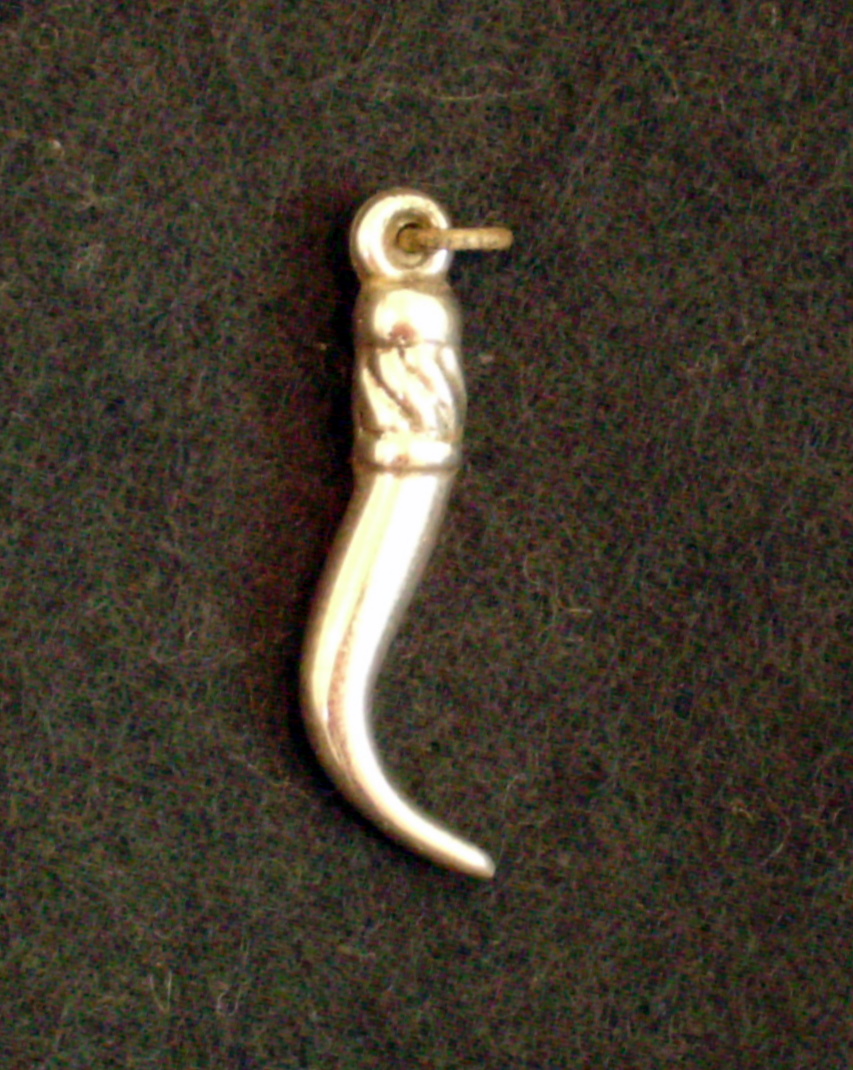 🇮🇹 ItalyCornicello
A twisted horn charm worn in Italy to ward off the evil eye and invite luck.Charm · Protection · Luck and prosperity Living
🇮🇹 ItalyCornicello
A twisted horn charm worn in Italy to ward off the evil eye and invite luck.Charm · Protection · Luck and prosperity Living
 🇫🇷 France and 5 moreYule log
A large wooden log burned in the hearth during winter festivals across Europe and North America.Tradition · Protection · Luck and prosperity Living
🇫🇷 France and 5 moreYule log
A large wooden log burned in the hearth during winter festivals across Europe and North America.Tradition · Protection · Luck and prosperity Living