Charms, amulets and talismans
Made and worn things: the nazar, the hamsa, the omamori, the mojo bag and the witch bottle.
Charms, amulets and talismans are things made or chosen to carry a purpose. The blue glass nazar in Turkey, the hamsa hand across North Africa and the Middle East, the Japanese omamori, the Haitian pwen, the Italian cornicello and the Hoodoo mojo bag all belong here. They are small, portable and personal, and found on every continent. This page looks at what they are said to do and how they are made, sold and understood.
Amulet or talisman
The two words are often used loosely. An amulet is usually said to protect by what it is, such as a blue bead against the evil eye. A talisman is made or empowered for a purpose, often with writing, a name or a date. Islamic, Jewish, Taoist and Hindu traditions all have written talismans: the Taoist fu, the Jewish kame'a, the Hindu yantra and the Muslim hirz. The common thread is that something small and personal is believed to hold a purpose on behalf of its owner.
Making and keeping
Many charms are made by specialists, then blessed or sold at a temple, shrine or market. Others are made at home, such as a red thread, a knotted cord, or a horseshoe nailed over a door. Practitioners usually say a charm should be kept clean, respected and not shown off. In Japan an omamori is returned to its shrine after a year. Charm makers are often women, jewellers, scribes or temple staff, and the person who makes a charm may not be the person who blesses it.
Faith and suspicion
Religious authorities disagree on charms. Some Islamic scholars allow Quranic verses carried as a reminder and reject objects held to work by themselves. Many Christian churches have blessed medals and scapulars while condemning amulets of folk origin. Sikh teaching rejects charms altogether. Anthropologists read them as ways to hold fear and uncertainty in a form a person can carry. Interpretation is divided within religions too, so one family may treat a bead as decoration while a neighbour treats it as a serious shield.
Market and appropriation
Charms are big business. Evil-eye beads sell as fashion on every high street, and the hamsa appears as a decoration far from its homes. Fakes are common, and some sellers promise outcomes in ways that amount to fraud, particularly in expensive gemstone or lottery charm schemes. Sacred designs used as a logo can offend the community they come from. Designers have taken eyes, hands and runes as motifs, and while many communities are glad to see them shared, others ask that sacred symbols not be turned into trivia or used by brands.
Charm on EveryJaadu
The entries written up so far, best known first.
 🇨🇳 China and 5 moreHorseshoe
A curved plate fixed to a horse's hoof for protection, also kept as a charm for fortune.Charm · Protection · Luck and prosperity Living
 🇪🇬 Egypt and 5 moreAmulet
A portable object worn or carried to ward off harm and invite fortuneCharm · Protection · Luck and prosperity Living
 🇯🇵 Japan and 3 moreManeki-neko招き猫
A Japanese figurine of a beckoning cat believed to bring luck and prosperityCharm · Luck and prosperity · Protection Living
 🇪🇬 Egypt and 5 moreTalisman
An object believed to channel specific forces for protection, healing, or influence.Charm · Protection · Healing Historical
 🇬🇷 Greece and 2 moreCurse tabletκατάδεσμος
A lead sheet inscribed with a binding curse in the Greco-Roman worldCharm · Cursing and harm · Love and attraction Historical
 🇮🇪 Ireland and 4 moreFour-leaf clover
A rare plant mutation believed to bring good luck and used as a symbol of fortune.Charm · Luck and prosperity Living
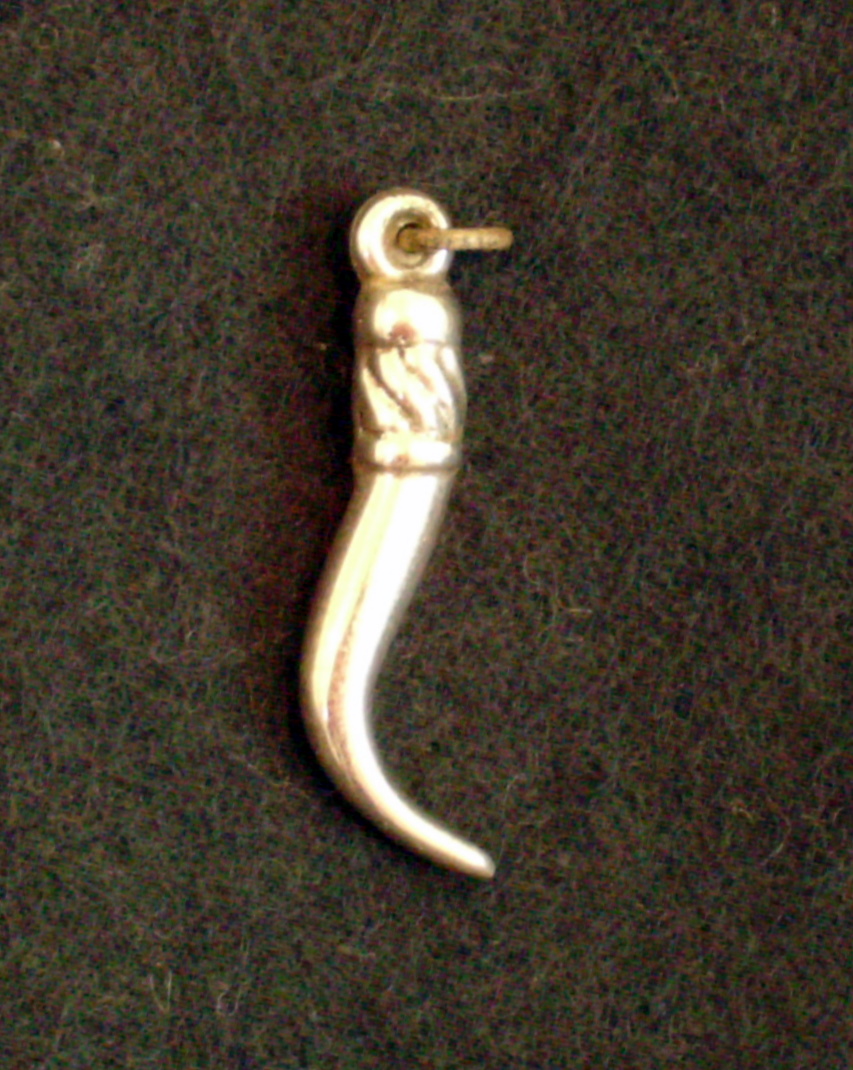 🇮🇹 ItalyCornicello
A twisted horn charm worn in Italy to ward off the evil eye and invite luck.Charm · Protection · Luck and prosperity Living
 🇮🇳 India and 2 moreYantraयन्त्र
A geometric diagram from Indian traditions used for worship and meditationCharm · Protection · Speaking with spirits and the dead Living
 🇨🇳 China and 5 moreChinese guardian lions石獅 (shíshī)
Stone lion pairs placed at entrances to ward off harm and welcome fortuneCharm · Protection · Luck and prosperity Living
 🇮🇸 IcelandNábrók
A pair of pants made from human skin, said to generate endless wealth in Icelandic folklore.Charm · Luck and prosperity Legendary
 🇬🇧 United Kingdom and 4 moreCorn dolly
A straw figure made from the last sheaf of a harvest to house the crop spiritTradition · Protection · Luck and prosperity Revived
 🇮🇳 India and 1 moreDiyaदीया
A small oil lamp used in prayers and festivals across the Indian subcontinentTradition · Protection · Luck and prosperity Living
 🇯🇵 JapanDaruma doll達磨
A round Japanese talisman that rights itself when knocked overCharm · Luck and prosperity · Power and authority Living
 🇮🇳 India and 5 moreBindibindú
A dot worn on the forehead to mark spiritual focus and marital status in South Asia.Charm · Protection · Power and authority Living
 🇮🇪 Ireland and 1 moreBrigid's crossCros Bhríde
A woven straw charm hung for protection, named after Ireland's patron saintCharm · Protection · Luck and prosperity Living
 🇮🇳 India and 5 moreCowrie
A sea snail shell used as currency, divination tool, and charm across many culturesSubstance · Seeing and foretelling · Luck and prosperity Living
 🇬🇧 United Kingdom and 5 moreConcealed shoes
Shoes hidden in building structures as folk charms for protection and fertilityCharm · Protection · Speaking with spirits and the dead Historical
 🇰🇭 Cambodia and 3 moreSak Yantសាក់យ័ន្ត
Sacred geometric tattoos from Southeast Asia believed to grant protection and powerTradition · Protection · Luck and prosperity Living
 🇲🇳 Mongolia and 2 moreWind Horseརླུང་རྟ་
An East and Central Asian symbol of the soul, luck, and vital energyBeing · Luck and prosperity · Protection Living
 🇪🇬 EgyptScarab
An ancient Egyptian amulet shaped like a dung beetle, symbolizing rebirth and serving as a seal.Charm · Protection · Luck and prosperity Historical
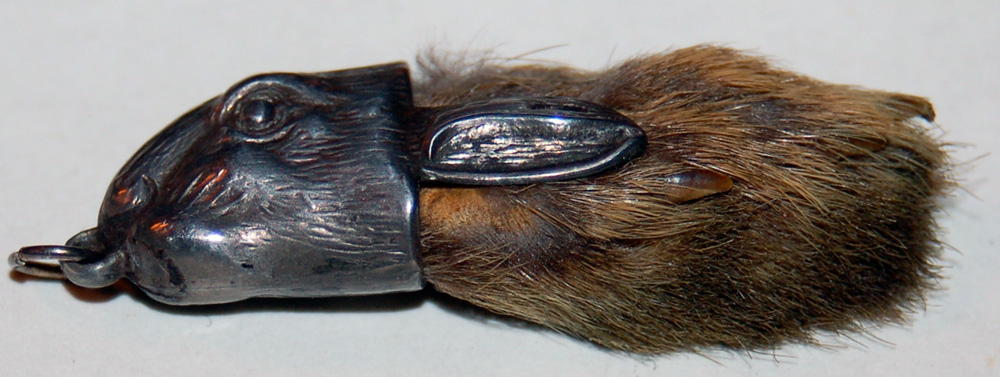 🇺🇸 United States and 2 moreRabbit's foot
A charm carried for luck, often linked to graveyards and strict folk rulesCharm · Luck and prosperity Historical
 🇬🇧 United Kingdom and 2 moreAdder stone
A naturally perforated stone used as a protective talisman in European folkloreCharm · Protection · Luck and prosperity Historical
 🇪🇬 Egypt and 3 moreEx-voto
A gift left in a shrine to mark a vow kept or a miracle receivedCharm · Protection · Healing Living
 🇷🇺 Russia and 1 moreCaul
A birth membrane kept as a talisman for luck and protection from drowningCharm · Protection · Luck and prosperity Historical
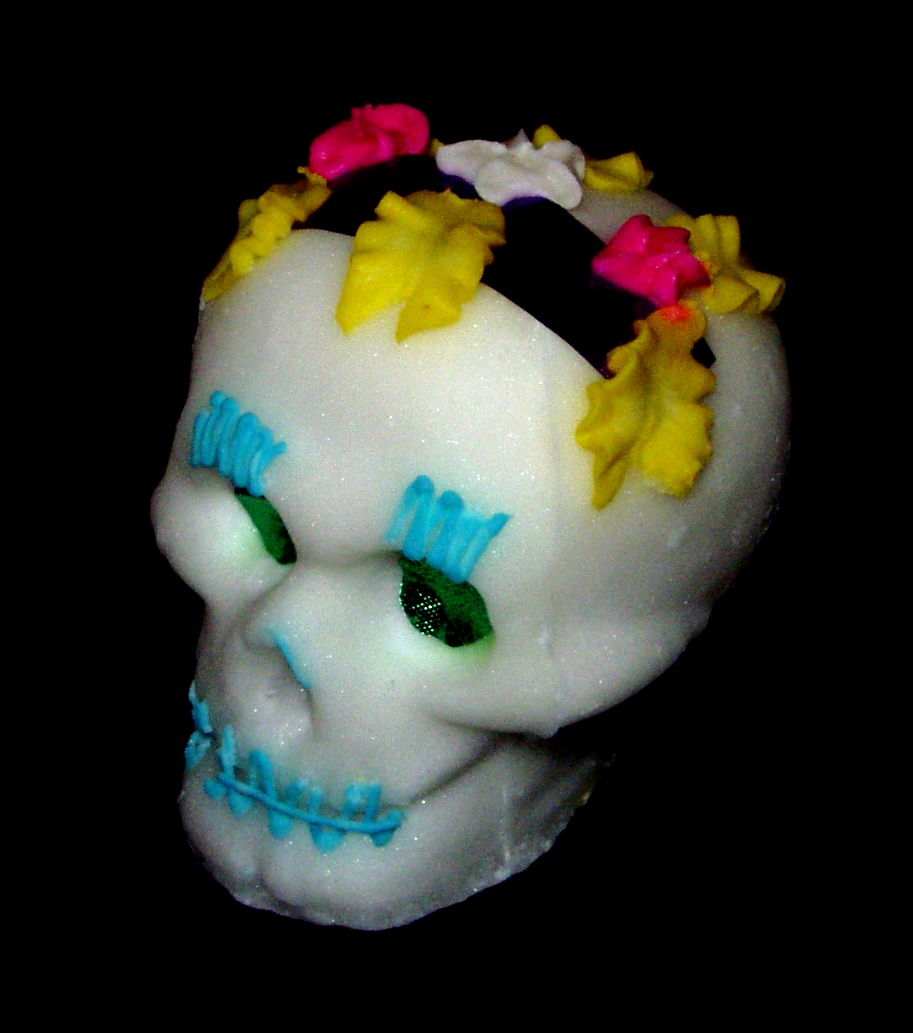 🇲🇽 MexicoCalavera
A sugar or clay skull used in Mexican Day of the Dead celebrations.Charm · Speaking with spirits and the dead · Luck and prosperity Living
 🇺🇸 United States and 5 moreMojo bag
A flannel pouch holding charms for protection and luck in African American Hoodoo traditionCharm · Protection · Healing Living
 🇲🇳 Mongolia and 1 moreOvooовоо
A stone or branch cairn used as a shrine and border marker in Mongolic folk religion.Tradition · Protection · Speaking with spirits and the dead Living
 🇹🇭 Thailand and 3 moreThai Buddha amuletsพระเครื่อง (phrakhrueang)
Sacred Buddhist images and relics worn for protection, merit, and fortune in Thailand.Charm · Protection · Luck and prosperity Living
 🇦🇷 Argentina and 2 moreSan La Muerte
A skeletal folk saint venerated in South America for protection and favorsTradition · Protection · Healing Living
 🇯🇵 JapanOfudaお札/御札
Paper or wood talismans from Japanese shrines and temples believed to hold divine power.Charm · Protection · Cursing and harm Living
 🇮🇳 India and 5 moreHeliotrope
A green and red mineral aggregate known as bloodstone and used in amuletsSubstance · Protection · Healing Historical
 🇮🇳 India and 1 moreAshtamangalaअष्टमङ्गल (Aṣṭamaṅgala)
A set of eight sacred symbols used in Indian religions to mark auspicious occasions and teach spiritual truths.Charm · Luck and prosperity · Protection Living
 🇨🇳 China and 5 moreJoss paper金紙
Paper burned as money and goods for ancestors, gods and the deadCharm · Speaking with spirits and the dead · Luck and prosperity Living
 🇬🇧 United Kingdom and 2 moreSoul cake
A spiced cake given to soulers during Allhallowtide to remember the dead.Tradition · Speaking with spirits and the dead · Luck and prosperity Living
 🇪🇬 Egypt and 5 moreHamsaخمسة
A palm-shaped amulet used across North Africa and the Middle East for protection.Charm · Protection · Luck and prosperity Living
 🇸🇪 Sweden and 3 moreSilver bullet
A projectile of silver said to pierce supernatural armor, and a metaphor for a simple fix.Charm · Cursing and harm · Luck and prosperity Historical
 🇨🇳 China and 5 moreSky lantern天燈
A paper hot air balloon lifted by flame to carry wishes and blessingsRite · Luck and prosperity · Protection Living
 🇯🇵 JapanOmamori御守/お守り
Japanese amulets sold at shrines and temples for protection and luckCharm · Protection · Luck and prosperity Living
🇯🇵 JapanOmamori (sample)お守り
A small shrine charm in a brocade pouch.Charm · Protection · Luck and prosperity Living
🇹🇷 TurkeyHamsa (sample)Khamsa
An open hand with an eye, hung on doors.Charm · Protection · Luck and prosperity Living
 🇯🇵 JapanTeru teru bōzuてるてる坊主
A white paper doll hung outside to ask for sunny weatherCharm · Luck and prosperity Living
 🇮🇹 Italy and 2 moreBulla
A round Roman amulet given to freeborn boys as a mark of status and protectionCharm · Protection · Luck and prosperity Historical
 🇺🇸 United States and 1 moreBarnstar
A painted or carved star used to decorate barns in parts of the United States and Canada.Charm · Luck and prosperity · Wonder and entertainment Living
 🇯🇵 JapanSaruboboさるぼぼ
A faceless red doll from Japan, given as a charm for family and fortuneCharm · Luck and prosperity · Protection Living
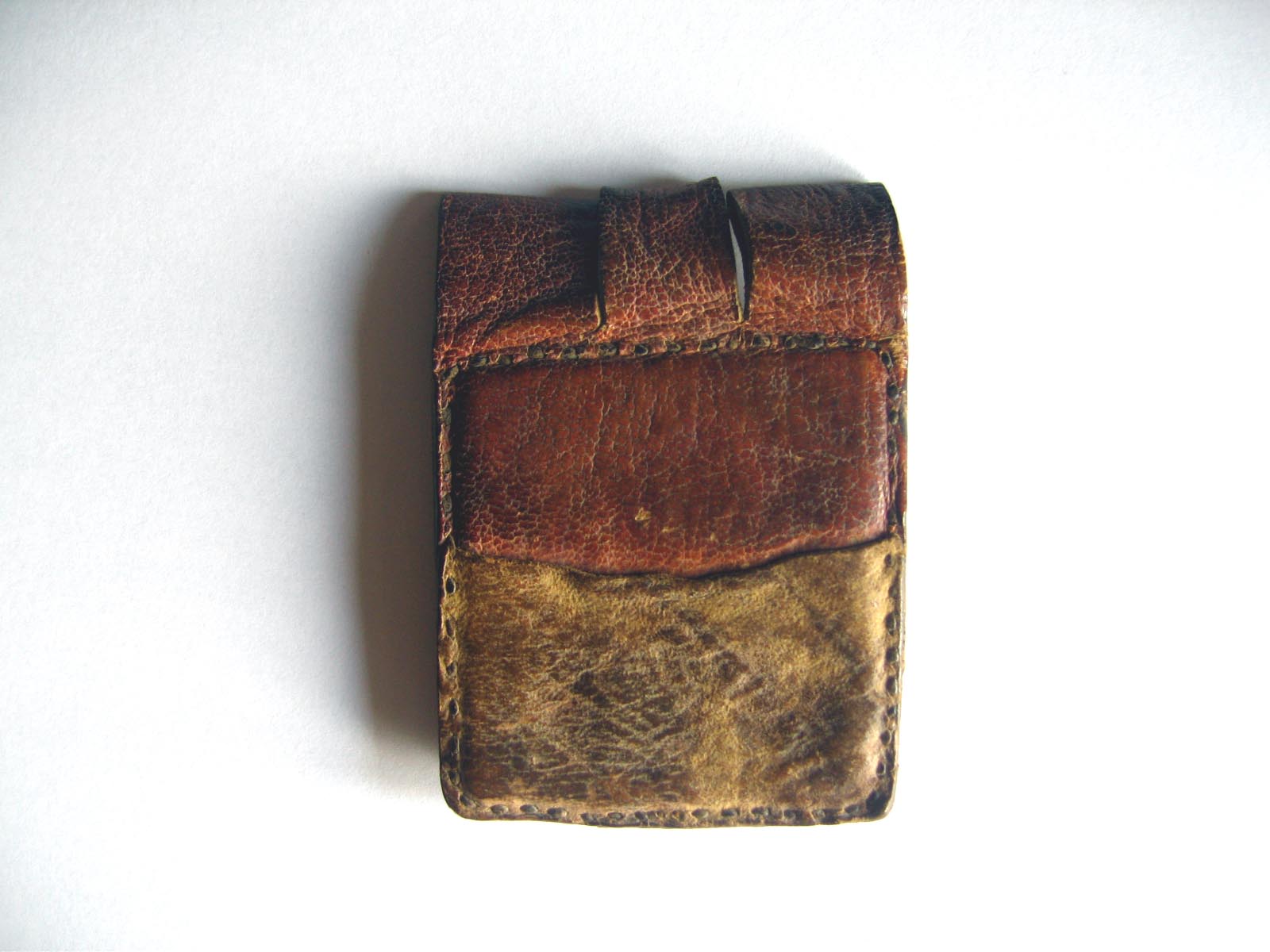 🇲🇱 Mali and 3 moreGris-gris
A small pouch or charm from West Africa used for protection and luck.Charm · Protection · Luck and prosperity Living
 🇯🇵 Japan and 1 moreGood Luck Flag寄せ書き日の丸 (yosegaki hinomaru)
A Japanese national flag signed by loved ones to wish a soldier safety and victory.Charm · Protection · Luck and prosperity Living
 🇯🇵 JapanKin no unko金のうんこ
A Japanese charm shaped like faeces that is believed to bring good fortuneCharm · Luck and prosperity Living
 🇳🇿 New ZealandHei matau
A stylized fish hook amulet symbolizing safe travel and prosperity in Māori cultureCharm · Luck and prosperity · Protection Living
Photo credits on this page
The small pictures above come from Wikimedia Commons under free licences. Some are cropped to fit.
- Barnstar: Una Smith, CC BY-SA 4.0, source
- Calavera: Unknown author, CC BY-SA 3.0, source
- Soul cake: Samantha, CC BY 2.0, source
- Silver bullet: Smithsonian Institution, CC0, source
- Daruma doll: Crisco 1492, Public domain, source
- Corn dolly: Renata ( talk ), Public domain, source
- Hei matau: Skyring, CC BY-SA 4.0, source
- Bindi: Vinay Sahay, CC BY-SA 4.0, source
- Brigid's cross: Culnacreann, CC BY 3.0, source
- Sarubobo: Unknown author, CC BY-SA 3.0, source
- Sky lantern: Richy, CC BY-SA 3.0, source
- Maneki-neko: Su--May, CC BY 2.0, source
- Four-leaf clover: Phyzome under the GFDL., CC BY-SA 3.0, source
- Ex-voto: JTSH26, CC BY-SA 4.0, source
- Caul: JC Brand, CC BY-SA 4.0, source
- Teru teru bōzu: Novaric at English Wikipedia, CC BY-SA 3.0, source
- San La Muerte: Sergio Serrano, CC BY-SA 2.0, source
- Ofuda: 教派研究 (Sectarian research), CC BY-SA 3.0, source
- Bulla: Anonymous ( Category:Etruscans ) Unknown author, Public domain, source
- Good Luck Flag: takato marui, CC BY-SA 2.0, source
- Joss paper: Vmenkov, CC BY-SA 3.0, source
- Gris-gris: Teogomez, CC BY-SA 3.0, source
- Omamori: Leongboy1, Public domain, source
- Ovoo: Bouette ., CC BY-SA 3.0, source
- Cowrie: NOAA (Photo Collection of Dr. James P. McVey, NOAA Sea Grant Program), Public domain, source
- Amulet: Anonymous ( Egypt ) Unknown author, Public domain, source
- Horseshoe: Cgoodwin, CC BY-SA 3.0, source
- Heliotrope: Ra'ike (see also: de:Benutzer:Ra'ike ), CC BY-SA 3.0, source
- Scarab: Unknown author, CC BY 4.0, source
- Cornicello: Antonio Cavallo, Public domain, source
- Wind Horse: Clemensmarabu, CC BY-SA 3.0, source
- Mojo bag: Liza Khomenko, CC BY-SA 4.0, source
- Hamsa: Kritzolina, CC BY-SA 4.0, source
- Ashtamangala: Redtigerxyz, CC BY-SA 3.0, source
- Sak Yant: Mikhailovich, CC BY 3.0, source
- Rabbit's foot: Sobebunny, CC BY-SA 3.0, source
- Adder stone: Ansgar Koreng, CC BY-SA 3.0 de, source
- Diya: Suyash Dwivedi, CC BY-SA 4.0, source
- Curse tablet: Unknown artist, Public domain, source
- Concealed shoes: Edmund Patrick, CC BY-SA 3.0, source
- Nábrók: Bernard McManus, CC BY 2.0, source
- Kin no unko: enmoto, CC BY 2.0, source
- Yantra: Photo by Daniel Conrad (Chromacon), artwork by Daniel Conrad under dir, Public domain, source
- Chinese guardian lions: Pvt pauline, CC BY-SA 3.0, source
- Thai Buddha amulets: User:Mattes, Public domain, source
- Talisman: Sasha India, CC BY 2.0, source