Muut is a spirit of death in the traditions of the Cahuilla people of southern California and northern Mexico. He serves as a guide for departing souls and is usually represented by owls or their calls.
- Muut is a Cahuilla spirit of death and soul guidance.
- He is typically represented by owls or their calls.
- He belongs to the nukatem, beings created by Mukat.
- His role prevents overpopulation and maintains life balance.
What it is
Muut stands as a spirit of death within the cultural stories of the Cahuilla people of southern California and northern Mexico. He operates as a messenger and guide for souls leaving the world. Most accounts describe him through the image of an owl or simply the quiet sound of its call. He belongs to a special group called nukatem, which are distinct beings brought into existence during the very first days of creation.
Where it comes from
The creator figure Mukat formed Muut alongside the other nukatem at the start of time. This specific assignment was made to manage the growing number of living beings across the region. Mukat reasoned that unchecked population growth would lead to severe hardship and resource shortages for the community.
Muut, drawn and placed
- Living
- Revived
- Fading
- Historical
- Legendary
- Performed
- Lineage
- Cahuilla mythology
What it is for
Communities view his presence as a steady guide rather than a terrifying figure. His work ensures that souls move forward after they pass. The underlying aim is to keep the balance between the living and the departed, preventing the strain that too many people would place on the land.
At a glance: who, where and when
Peoples
What people believe
The Cahuilla understand death as a required step in the cycle of life. They do not treat Muut as a punishment or a monster. Instead, he is accepted as a natural part of the world order, placed there by the creator to maintain stability and allow new generations to take their place.
Questions people ask about Muut
Who is Muut?
Muut is a spirit of death in the traditions of the Cahuilla people of southern California and northern Mexico. He acts as a guide for souls leaving the world and is usually linked to owls or their calls.
Why does Muut exist?
The creator figure Mukat established Muut to manage the growing number of living beings. He was given this role to prevent overpopulation and ensure the community could sustain itself without facing severe hardship.
How is Muut viewed by the Cahuilla?
The Cahuilla see him as a necessary guide rather than a frightening figure. Death is understood as a required part of life, and Muut helps maintain balance between the living and the departed.
Good reading and sources
The facts on this page come from the Wikipedia article "Muut", written by its contributors and used under the CC BY-SA 4.0 licence, and from its Wikidata record (CC0). EveryJaadu rewrote the text in its own words, with AI assistance, and compares every page with the article to make sure no passage is copied. It may be reused under the same CC BY-SA 4.0 licence with a link back.
It may contain mistakes. Names and customs differ from one community to the next, and some knowledge is closed to outsiders and left out here. This page describes belief and practice. It does not say that any of it works, it is not a how-to, and it is not medical advice. If something is wrong, tell us. Last refreshed 2026-10-07.
More from the United States
All the entries from the United States 🇺🇸 United States and 5 moreNight hag
A supernatural being believed to sit on sleepers and cause paralysisBeing · Cursing and harm Legendary
🇺🇸 United States and 5 moreNight hag
A supernatural being believed to sit on sleepers and cause paralysisBeing · Cursing and harm Legendary
 🇺🇸 United StatesJersey Devil
A legendary creature from South Jersey folklore said to inhabit the Pine Barrens.Being · Wonder and entertainment Legendary
🇺🇸 United StatesJersey Devil
A legendary creature from South Jersey folklore said to inhabit the Pine Barrens.Being · Wonder and entertainment Legendary
 🇺🇸 United States and 2 moreRougarou
A lycanthrope legend from French-speaking communities in North AmericaBeing · Cursing and harm Legendary
🇺🇸 United States and 2 moreRougarou
A lycanthrope legend from French-speaking communities in North AmericaBeing · Cursing and harm Legendary
Related elsewhere
All being 🇮🇳 IndiaChakraचक्र
Meditation points in the subtle body used in Hindu and Buddhist yogaTradition · Speaking with spirits and the dead · Change and initiation Living
🇮🇳 IndiaChakraचक्र
Meditation points in the subtle body used in Hindu and Buddhist yogaTradition · Speaking with spirits and the dead · Change and initiation Living
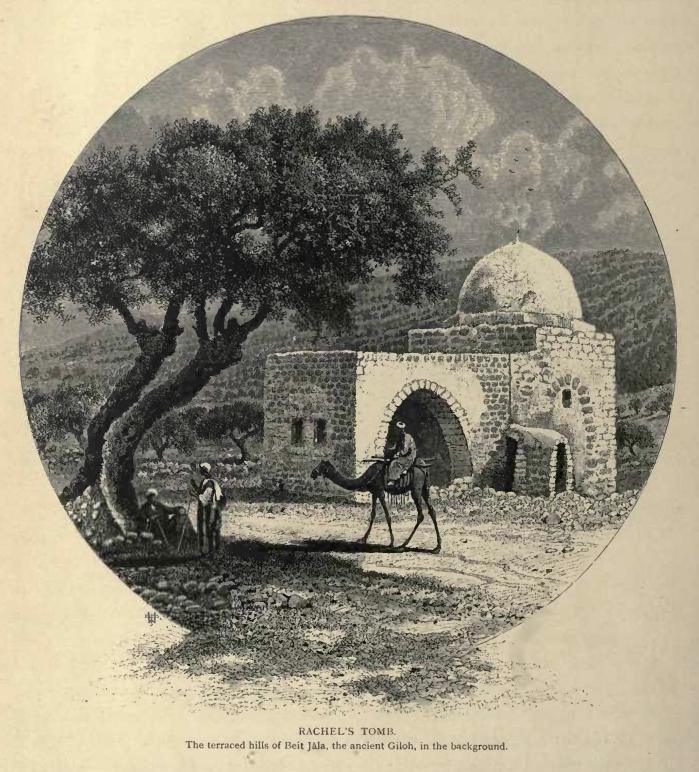 🇵🇸 Palestine and 1 moreRachel's TombQever Raḥel; Qabr Rāḥīl
A shared holy site near Bethlehem revered by Jews, Christians, and MuslimsTradition · Speaking with spirits and the dead · Protection Living
🇵🇸 Palestine and 1 moreRachel's TombQever Raḥel; Qabr Rāḥīl
A shared holy site near Bethlehem revered by Jews, Christians, and MuslimsTradition · Speaking with spirits and the dead · Protection Living
 🇳🇬 NigeriaOrunmilaỌ̀rúnmìlà
Yoruba deity of wisdom and the creator of the Ifá divination systemBeing · Seeing and foretelling · Speaking with spirits and the dead Living
🇳🇬 NigeriaOrunmilaỌ̀rúnmìlà
Yoruba deity of wisdom and the creator of the Ifá divination systemBeing · Seeing and foretelling · Speaking with spirits and the dead Living
 🇪🇸 Spain and 5 moreSt John's Eve
A Christian vigil marked by bonfires and plant gathering on the summer solstice eveRite · Protection · Speaking with spirits and the dead Living
🇪🇸 Spain and 5 moreSt John's Eve
A Christian vigil marked by bonfires and plant gathering on the summer solstice eveRite · Protection · Speaking with spirits and the dead Living