
Hoop snake
from the way it rolls like a hoop
A legendary rolling serpent found in North American and Australian folklore
The hoop snake is a mythical creature said to grasp its tail and roll like a wheel. It appears in the folk traditions of the United States, Canada, and Australia.
- Rolls like a wheel by holding its tail in its mouth
- Appears in US, Canada, and Australian folklore
- Straightens to strike with a venomous tail
- Raymond Ditmars offered $10,000 for proof
- Linked to the Greek ouroboros symbol
What it is
The hoop snake is a legendary creature described in the folklore of the United States, Canada, and Australia. It is known for grasping its own tail in its jaws to form a circle. This shape allows it to roll across the ground like a wheel while hunting. The creature belongs to a group of strange animals often called fearsome critters. It is not a real animal but a story passed down through oral tradition and literature.
Where it comes from
Stories about this rolling serpent predate the famous Pecos Bill tales. A letter from 1784 describes the creature moving in a circle with its tail pointed forward. The name comes from this unique rolling motion. The myth traveled into African-American traditions, where elders feared its deadly power. Some suggest the story began as a misunderstanding of snakes swallowing their tails or lying in loose circles.
How it is done
The creature rolls toward its prey like a spinning wheel. In one version, it straightens out at the last moment to skewer its victim with a venomous tail. Another Australian version claims it has spines along its inner body to trap limbs. The only way to survive is to hide behind a tree, which takes the blow instead. When fleeing, it crawls on its belly like a normal snake.
Tools and materials
The creature relies on its flexible body to form a perfect circle. It uses a venomous tail or a sharp horn to strike victims. The Australian version adds elongated spines along the inside of its ring. These features allow it to entrap or kill targets without leaving the rolling position.
Hoop snake, drawn and placed
- Living
- Revived
- Fading
- Historical
- Legendary
- Performed
- Lineage
- Fearsome critters
- Timing
- when attacking prey
What it is for
The hoop snake exists in stories to explain strange events or to frighten listeners. It is believed to hunt other animals and humans. Its ability to roll makes it a fast and dangerous predator in these tales. People tell the stories to warn others about hidden dangers in the wild.
Who does it
Scholars study the hoop snake as part of folklore history. Naturalists have tried to find proof of its existence. Raymond Ditmars offered money for evidence but received none. Scientists believe the creature is a myth based on misidentified snakes. No living practitioners perform rituals involving this beast.
Peoples and places
The hoop snake appears in the folklore of the United States, Canada, and Australia. Sightings are reported in Virginia, West Virginia, and along the Minnesota-Wisconsin border. African-American communities also hold stories about its deadly sting. The Australian version describes a larger snake that traps kangaroos and dingoes.
At a glance: who, where and when
Peoples
What people believe
The hoop snake is linked to the ouroboros symbol from Greek mythology. It represents a cycle of self-consumption and movement. Believers hold that its venom is lethal upon contact. The creature is seen as a supernatural predator that defies normal snake behavior. It serves as a cautionary figure in local legends.
When it is done
There are no specific festivals or calendar days tied to the hoop snake. Stories are told whenever a listener needs a warning or entertainment. The creature is associated with general encounters in the wild rather than seasonal events.
How scholars and sceptics see it
The scientific community rejects the existence of the hoop snake. Researchers suggest it is a distorted description of sidewinders or mud snakes. Some think it comes from observations of snakes eating their own tails. The dwarf reed snake in Southeast Asia shows similar cartwheeling movements, which may have inspired the myth.
Cautions and what is closed
No physical harm can come from a mythical creature. However, people who believe in the hoop snake may fear certain snakes more deeply. The legend warns against underestimating unknown dangers in nature. There are no legal risks or fraud cases associated with the creature itself.
Compare and confuse
The hoop snake is related to the ouroboros, a symbol of a snake eating its tail. It shares traits with the joint snake and the tsuchinoko. The amphisbaena is another two-headed serpent from ancient myths. All these creatures represent unusual serpentine abilities in folklore.
Law and persecution
There are no laws regarding the hoop snake because it is not real. No persecution or suppression has occurred. The creature remains a subject of folklore studies and naturalist curiosity.
Questions people ask about Hoop snake
What is a hoop snake?
It is a legendary creature from North American and Australian folklore. It is said to grasp its tail and roll like a wheel to hunt prey.
Where does the hoop snake live?
Stories place it in the United States, Canada, and Australia. Sightings are claimed in places like Virginia, Minnesota, and British Columbia.
How does it attack?
It rolls toward victims and then straightens to strike with a venomous tail or horn. Hiding behind a tree is said to save you.
Is it a real animal?
No. Scientists say it is a myth. It may come from seeing snakes swallow their tails or lie in circles.
Good reading and sources
- Hoop snake on WikipediaEncyclopedia
- More photos on Wikimedia CommonsPhotos and video
- Wikidata recordOpen data
The facts on this page come from the Wikipedia article "Hoop snake", written by its contributors and used under the CC BY-SA 4.0 licence, and from its Wikidata record (CC0). EveryJaadu rewrote the text in its own words, with AI assistance, and compares every page with the article to make sure no passage is copied. It may be reused under the same CC BY-SA 4.0 licence with a link back.
It may contain mistakes. Names and customs differ from one community to the next, and some knowledge is closed to outsiders and left out here. This page describes belief and practice. It does not say that any of it works, it is not a how-to, and it is not medical advice. If something is wrong, tell us. Last refreshed 2026-10-06.
More from the United States
All the entries from the United States 🇺🇸 United States and 5 moreNight hag
A supernatural being believed to sit on sleepers and cause paralysisBeing · Cursing and harm Legendary
🇺🇸 United States and 5 moreNight hag
A supernatural being believed to sit on sleepers and cause paralysisBeing · Cursing and harm Legendary
 🇺🇸 United StatesJersey Devil
A legendary creature from South Jersey folklore said to inhabit the Pine Barrens.Being · Wonder and entertainment Legendary
🇺🇸 United StatesJersey Devil
A legendary creature from South Jersey folklore said to inhabit the Pine Barrens.Being · Wonder and entertainment Legendary
 🇺🇸 United States and 2 moreRougarou
A lycanthrope legend from French-speaking communities in North AmericaBeing · Cursing and harm Legendary
🇺🇸 United States and 2 moreRougarou
A lycanthrope legend from French-speaking communities in North AmericaBeing · Cursing and harm Legendary
Related elsewhere
All being 🇷🇸 Serbia and 5 moreVampire
An undead creature from folklore that feeds on the blood or life force of the livingBeing · Cursing and harm · Luck and prosperity Legendary
🇷🇸 Serbia and 5 moreVampire
An undead creature from folklore that feeds on the blood or life force of the livingBeing · Cursing and harm · Luck and prosperity Legendary
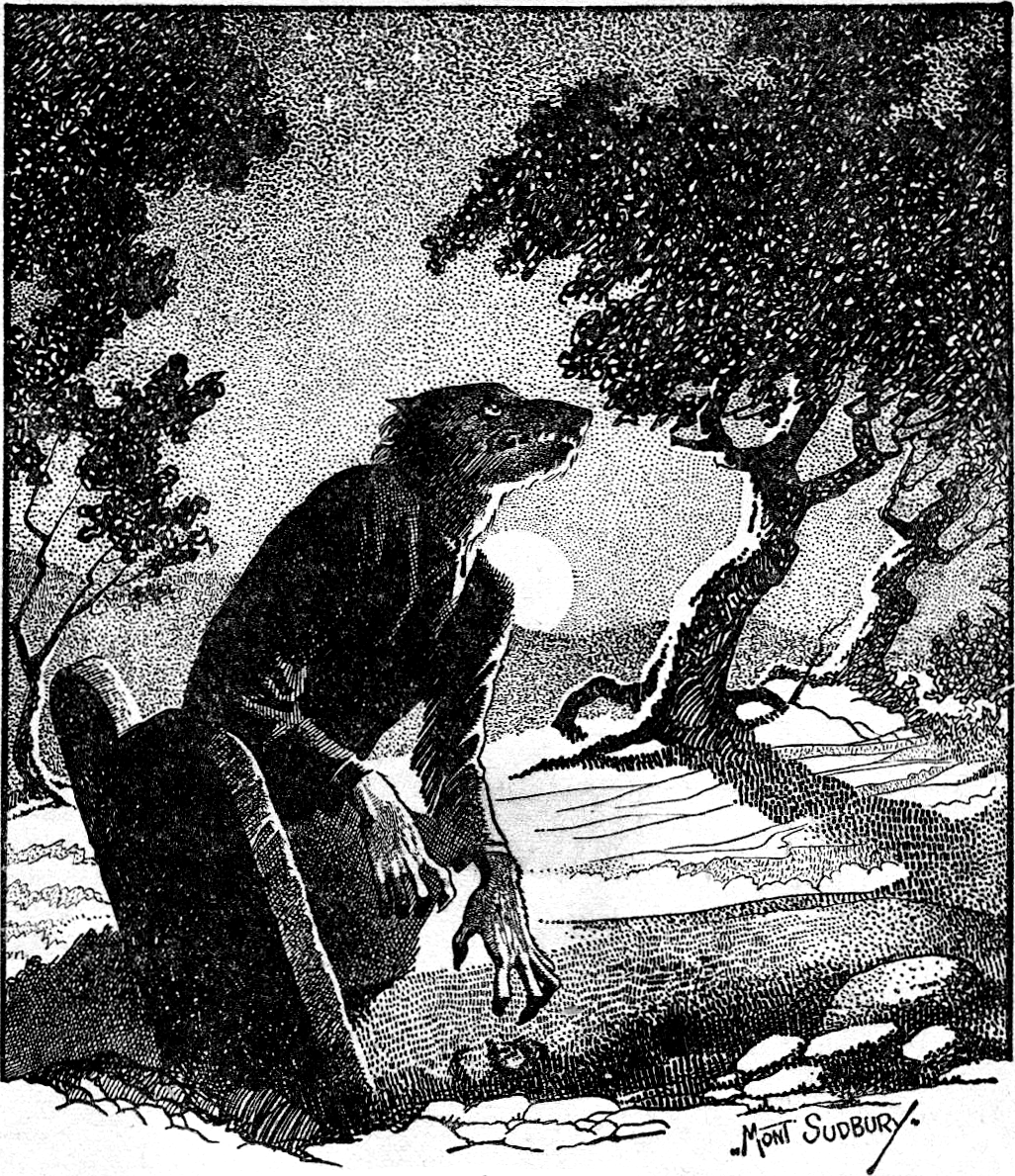 🇫🇷 France and 5 moreWerewolf
A mythical shapeshifter that turns into a wolf, central to European witch-hunts and Gothic horror.Being · Cursing and harm · Wonder and entertainment Legendary
🇫🇷 France and 5 moreWerewolf
A mythical shapeshifter that turns into a wolf, central to European witch-hunts and Gothic horror.Being · Cursing and harm · Wonder and entertainment Legendary
 🇪🇬 Egypt and 1 moreLilithלִילִית
A feminine figure from Mesopotamian and Jewish mythology, often depicted as a night demon or spirit.Being · Cursing and harm Legendary
🇪🇬 Egypt and 1 moreLilithלִילִית
A feminine figure from Mesopotamian and Jewish mythology, often depicted as a night demon or spirit.Being · Cursing and harm Legendary
 🇪🇬 EgyptCurse
A spoken wish for misfortune to befall a person or placeBelief · Cursing and harm · Luck and prosperity Historical
🇪🇬 EgyptCurse
A spoken wish for misfortune to befall a person or placeBelief · Cursing and harm · Luck and prosperity Historical