
Bell Witch
derived from the surname of the local Tennessee family
A Tennessee legend of a shapeshifting spirit that tormented the Bell family in the early nineteenth century.
The Bell Witch is a figure from Southern United States folklore, centered on a series of events reported between 1817 and 1821 in Robertson County, Tennessee. The legend describes an invisible entity named Kate that harassed the Bell family through physical attacks, clairvoyance, and supernatural speech.
- The haunting occurred between 1817 and 1821 in Tennessee.
- The spirit was named Kate after claiming to be Old Kate Batts' witch.
- John Bell Sr. was poisoned by the entity in 1821.
- Martin V. Ingram published the first full record in 1894.
- The spirit could shapeshift and mimic voices perfectly.
What it is
The Bell Witch is a legendary creature from American folklore, specifically rooted in the history of the Southern United States. It is described as a mostly invisible spirit capable of shapeshifting into animals like dogs or birds, affecting physical objects, and speaking with human voices. The entity is frequently compared to a poltergeist, a term meaning noisy ghost, due to the violent nature of the disturbances it caused. Some accounts also attribute clairvoyant abilities to the spirit, noting its capacity to know distant events or mimic voices perfectly.
Where it comes from
The legend centers on the Bell family, who lived along the Red River in northwest Robertson County, Tennessee, near the modern town of Adams. The reported haunting began in 1817 and continued intermittently until 1821. Early reports describe strange creatures and noises before the activity moved inside the home. One account suggests the spirit originated from the disturbance of a Native American burial mound on the property. A separate oral tradition from Mississippi claims the spirit was the ghost of an overseer murdered by John Bell.
How it is done
The spirit manifested through physical violence and auditory phenomena. It scratched, pinched, and slapped family members, particularly Betsy Bell, and pulled sheets from beds. It created sounds of gnawing, fighting dogs, and dragging chains. The entity spoke loudly, answered questions, and mimicked voices of people far away. It also displayed clairvoyance by repeating sermons given miles apart and revealing private family matters. Physical forms included a dog, a large bird, and a girl in a green dress.
Bell Witch, drawn and placed
- Living
- Revived
- Fading
- Historical
- Legendary
- Performed
- Lineage
- American folklore
What it is for
The spirit's actions were largely hostile toward the Bell patriarch, John Bell Sr., whom it threatened and eventually poisoned. It expressed displeasure regarding Betsy Bell's engagement to Joshua Gardner, leading to the cancellation of their wedding. While generally malicious, the entity showed kindness to Lucy Bell, singing hymns and giving her fruit. It also engaged in religious arguments and shared gossip about other households, suggesting a desire for attention and interaction.
Peoples and places
The legend is specific to the Bell family of Tennessee. Historical records mention visitors traveling great distances to witness the phenomenon. The story gained wider recognition through Martin V. Ingram's 1894 book, Authenticated History of the Bell Witch. Modern interpretations have expanded the legend through film and music, moving it beyond regional folklore. Skeptics view the accounts as historical fiction or fraud, while others see them as reflections of 19th-century regional beliefs.
At a glance: who, where and when
Peoples



How scholars and sceptics see it
Martin V. Ingram's 1894 publication serves as the primary source for the legend. Modern researchers are divided on its validity. Some skeptics classify Ingram's work as historical fiction or deliberate fraud. Other scholars view it as an early example of folklore study that accurately captures the beliefs and social dynamics of the region during the 1800s. The connection between the legend and historical figures like Andrew Jackson remains part of the oral tradition rather than verified fact.
Compare and confuse
The Bell Witch is often compared to a poltergeist due to the physical disturbances involved. Its supernatural powers are sometimes likened to jinn in mythology. The spirit's ability to mimic voices and speak remotely has led to theories of ventriloquism. Different versions of the story exist, including one where the spirit is a murdered overseer, which shares traits with vampire lore.
Today
The Bell Witch Cave, discovered in the 20th century, has become a site of continuing interest and belief. It is not part of the original recorded legend but generates new lore. Contemporary artistic interpretations in film and music have kept the legend alive. The site attracts visitors interested in paranormal activities and local history, maintaining the story's presence in American cultural memory.
Questions people ask about Bell Witch
What is the Bell Witch?
It is a legendary spirit from Tennessee folklore that haunted the Bell family in the early 1800s. It is known for physical attacks, shapeshifting, and speaking with human voices.
Where did the Bell Witch legend originate?
The legend originates in Robertson County, Tennessee, near the town of Adams. It centers on the experiences of farmer John Bell Sr. and his family between 1817 and 1821.
Who was Kate?
Kate is the name given to the spirit by the Bell family. The voice claimed to be 'Old Kate Batts' witch' and responded favorably to this name throughout the haunting.
How did the Bell Witch end?
After poisoning John Bell Sr. in 1821, the spirit told the family it would leave but return in seven years. It returned in 1828 but left again when the family refused to engage with it.
Good reading and sources
- Bell Witch on WikipediaEncyclopedia
- More photos on Wikimedia CommonsPhotos and video
- Wikidata recordOpen data
The facts on this page come from the Wikipedia article "Bell Witch", written by its contributors and used under the CC BY-SA 4.0 licence, and from its Wikidata record (CC0). EveryJaadu rewrote the text in its own words, with AI assistance, and compares every page with the article to make sure no passage is copied. It may be reused under the same CC BY-SA 4.0 licence with a link back.
It may contain mistakes. Names and customs differ from one community to the next, and some knowledge is closed to outsiders and left out here. This page describes belief and practice. It does not say that any of it works, it is not a how-to, and it is not medical advice. If something is wrong, tell us. Last refreshed 2026-10-07.
More from the United States
All the entries from the United States 🇺🇸 United States and 5 moreNight hag
A supernatural being believed to sit on sleepers and cause paralysisBeing · Cursing and harm Legendary
🇺🇸 United States and 5 moreNight hag
A supernatural being believed to sit on sleepers and cause paralysisBeing · Cursing and harm Legendary
 🇺🇸 United StatesJersey Devil
A legendary creature from South Jersey folklore said to inhabit the Pine Barrens.Being · Wonder and entertainment Legendary
🇺🇸 United StatesJersey Devil
A legendary creature from South Jersey folklore said to inhabit the Pine Barrens.Being · Wonder and entertainment Legendary
 🇺🇸 United States and 2 moreRougarou
A lycanthrope legend from French-speaking communities in North AmericaBeing · Cursing and harm Legendary
🇺🇸 United States and 2 moreRougarou
A lycanthrope legend from French-speaking communities in North AmericaBeing · Cursing and harm Legendary
Related elsewhere
All being 🇷🇸 Serbia and 5 moreVampire
An undead creature from folklore that feeds on the blood or life force of the livingBeing · Cursing and harm · Luck and prosperity Legendary
🇷🇸 Serbia and 5 moreVampire
An undead creature from folklore that feeds on the blood or life force of the livingBeing · Cursing and harm · Luck and prosperity Legendary
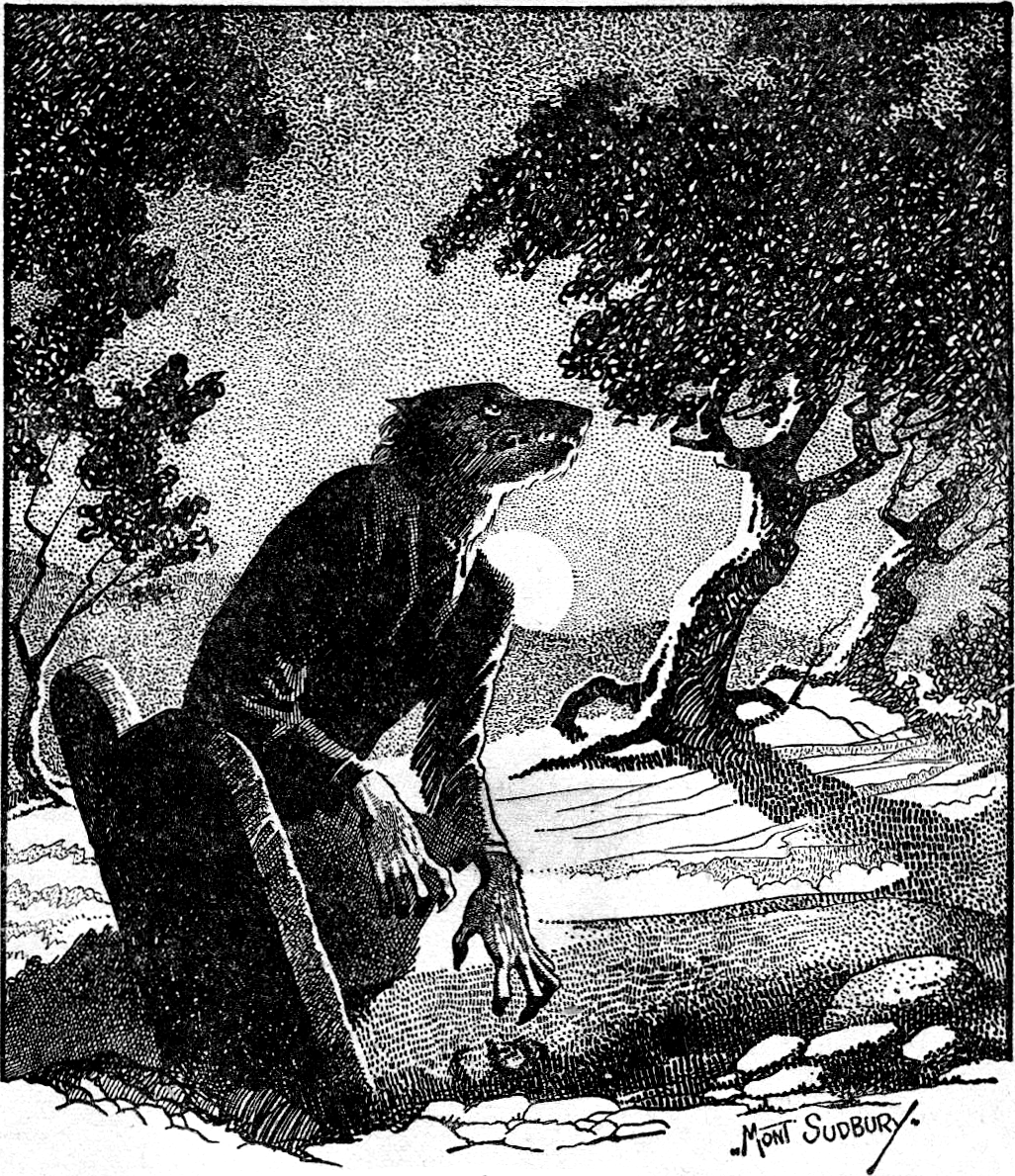 🇫🇷 France and 5 moreWerewolf
A mythical shapeshifter that turns into a wolf, central to European witch-hunts and Gothic horror.Being · Cursing and harm · Wonder and entertainment Legendary
🇫🇷 France and 5 moreWerewolf
A mythical shapeshifter that turns into a wolf, central to European witch-hunts and Gothic horror.Being · Cursing and harm · Wonder and entertainment Legendary
 🇪🇬 Egypt and 1 moreLilithלִילִית
A feminine figure from Mesopotamian and Jewish mythology, often depicted as a night demon or spirit.Being · Cursing and harm Legendary
🇪🇬 Egypt and 1 moreLilithלִילִית
A feminine figure from Mesopotamian and Jewish mythology, often depicted as a night demon or spirit.Being · Cursing and harm Legendary
 🇪🇬 EgyptCurse
A spoken wish for misfortune to befall a person or placeBelief · Cursing and harm · Luck and prosperity Historical
🇪🇬 EgyptCurse
A spoken wish for misfortune to befall a person or placeBelief · Cursing and harm · Luck and prosperity Historical