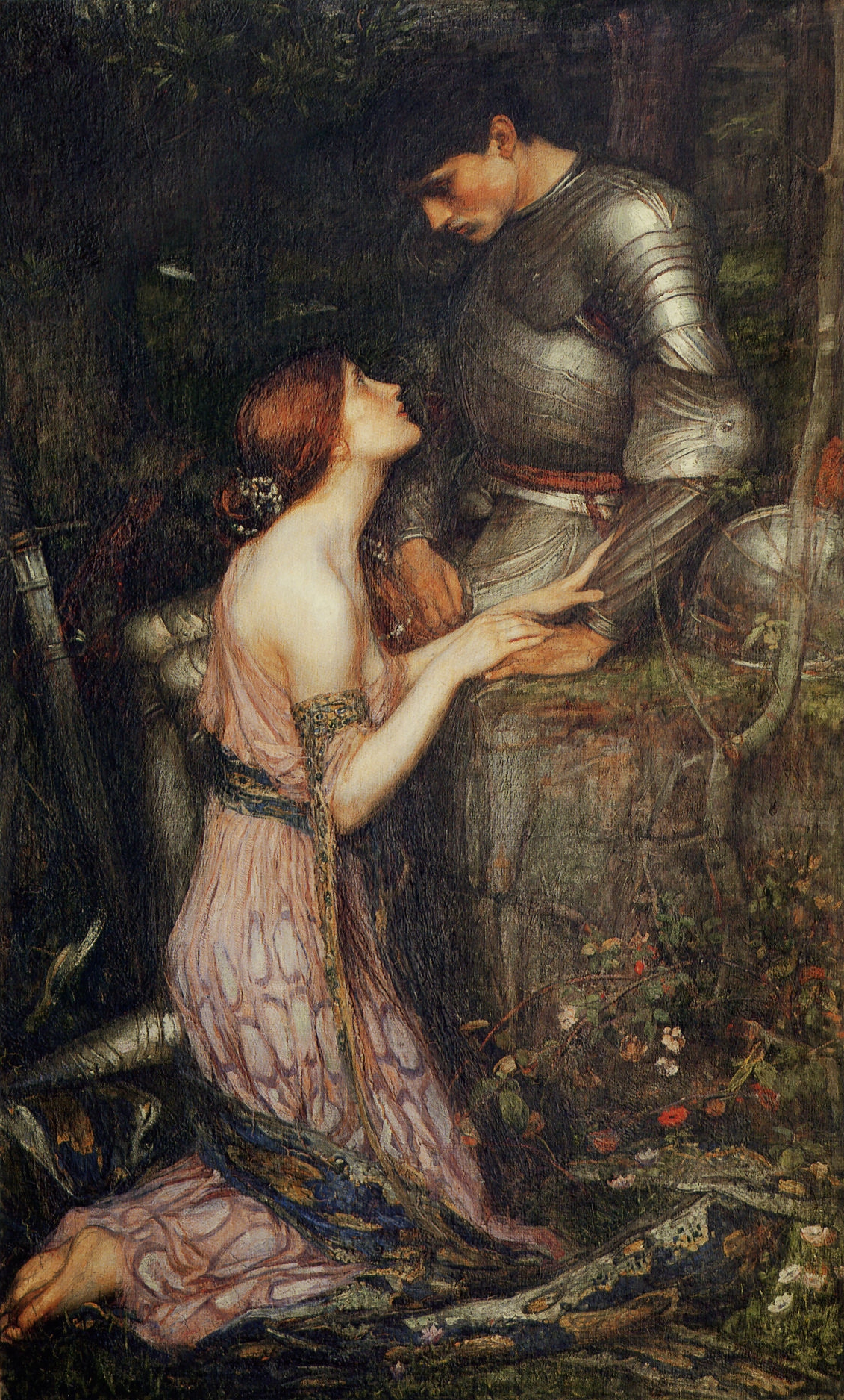
Lamia
In its own language: Λάμια
Scholars link the name to Proto-Indo-European *lem-, a nocturnal spirit, while an ancient commentator traced it to Greek
A child-snatching monster and night phantom from ancient Greek myth
In ancient Greek lore, Lamia was a Libyan queen transformed into a child-devouring monster after losing her own offspring to Hera. Later traditions regarded her kind as seductive, serpentine night spirits that preyed on young men or served as bogeys to discipline unruly children.
- Zeus granted Lamia the ability to remove and replace her eyes to relieve her endless sleeplessness.
- Classical writers portrayed lamiai as seductresses who lured young men to feast on their fresh blood.
- Greek mothers and nurses historically invoked Lamia as a bedtime bogey to make children behave.
- Jerome translated the Hebrew figure Lilith as lamia in the fourth-century Latin Vulgate Bible.
What it is
Lamia is a monstrous figure from ancient Greek myth, remembered both as an individual creature and as a class of night-haunting spirits known as lamiai. Early tales portray her as a child-devourer who steals infants from their cradles. In later classical eras, writers depicted lamiai as alluring phantoms akin to the empousai. These seductive apparitions charmed young men, entrapping them in illusions of grand estates before consuming their flesh and fresh blood. Lamia was also imagined with serpentine features, sometimes having the lower body of a snake or snakes emerging from her brow. Aside from haunting adult desires, she functioned in Hellenistic and later Greek homes as a nursery bogey invoked by parents to frighten misbehaving children.
Where it comes from
According to classical myth, Lamia began as a beautiful ruler of ancient Libya, fathered by King Belus of Egypt. After she bore children to Zeus, his jealous consort Hera either stole the offspring, killed them directly, or compelled Lamia to destroy them herself. Grief drove the queen into madness, sparking her hunger to prey on the children of others, an ordeal that twisted her physical form into a beast. To ease her torment after Hera cursed her with sleeplessness, Zeus granted Lamia removable eyes and gifted her the talent of prophecy alongside shapeshifting. Rationalizing ancient historians offered other accounts: Diodorus Siculus described an earthly Libyan queen born in a cave whose harsh cruelty ruined her looks, while Heraclitus claimed Hera blinded her directly.
Lamia, drawn and placed
- Living
- Revived
- Fading
- Historical
- Legendary
- Performed
- Lineage
- Ancient Greek mythology and folklore
Peoples and places
Greek households historically invoked the Lamia as a fearsome nursery bogey to compel young children into obedience, serving a disciplinary role akin to the Coco in Iberian folklore. Lore also linked her to ancient Italy, where Zeus allegedly transported her and where the city of Lamos drew its name from her legend. In Roman-era Thessaly, literary accounts described local witches as lamiae who attacked sleeping victims to draw their blood.
At a glance: who, where and when
Peoples

What people believe
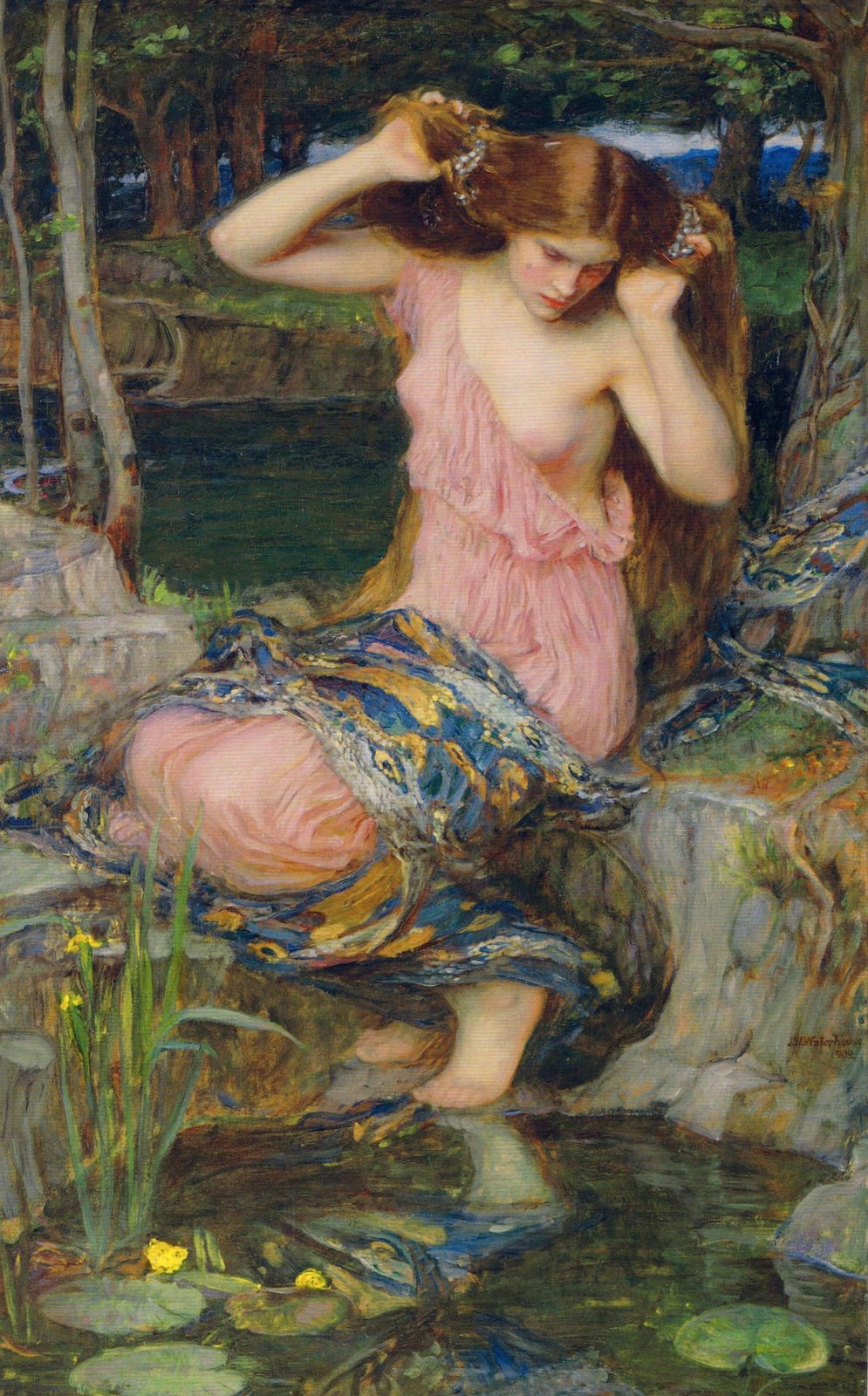
In the classical worldview, lamiai were daimones or phantasms capable of altering their forms to deceive mortal senses. A tale recorded by Philostratus describes a lamia creating the illusion of a lavish Corinthian palace, complete with servants, to marry and fatten a young scholar. Beneath such mirages, ancient lore linked these beings to serpents disguised as fair women. The tradition also reflects belief in divine curses, such as Hera stripping Lamia of sleep, counterbalanced by Zeus permitting her to take out her eyes and store them in a vessel for rest.
How scholars and sceptics see it
Ancient commentators and later scholars frequently analyzed Lamia from rational and allegorical angles. Diodorus Siculus reasoned that tales of her detachable eyes simply arose from a Libyan monarch neglecting her state in drunken bouts, allowing her subjects unmonitored freedom. In Christian late antiquity and the Middle Ages, ecclesiastical writers adapted the creature into moral theology. The Latin Vulgate bible employed the word lamia in the Book of Isaiah to translate the Hebrew figure Lilith. Commenting on the Book of Job, Pope Gregory I interpreted the lamia as an emblem of hypocrisy or religious heresy. Later, Archbishop Hincmar of Reims classified lamiai among spiritual threats against holy matrimony, identifying them with reproductive spirits.
Compare and confuse
Classical and medieval lexicons regularly equated lamiai with other supernatural bogeys, particularly the shape-shifting empousai, Mormo, and Gello. Hesychius of Alexandria noted they were viewed as phantoms or even sea creatures, while Isidore of Seville compared them to baby-snatching predators. Parallels also link Lamia to the avenging beast Poine of Argos, the monstrous colonies of Syrtis, Medusa, and the serpent-bodied sea terror Scylla.
Questions people ask about Lamia
What is a Lamia?
In Greek mythology, Lamia is a child-devouring monster and night-wandering daimon. Later traditions also describe lamiai as deceptive phantoms who take the form of seductive women or half-serpent beasts to prey on young men and drink their blood.
Where does the Lamia legend come from?
The figure originates in ancient Libyan and Greek lore. Early stories identify her as a beautiful daughter of King Belus of Egypt who became queen of Libya. After Hera destroyed her offspring by Zeus, grief drove her to hunt other infants.
Why could Lamia take out her eyes?
According to classical myth, Hera cursed Lamia with insomnia so that she could never stop grieving for her lost children. To bring her relief, Zeus gave her the power to detach her eyes and place them into a container so she could finally sleep.
How did ordinary people view the Lamia in later centuries?
In Greece, parents and nurses used Lamia as a household bogeyman. They told stories of the child-stealing creature to frighten unruly youngsters into obedience, treating her much like the Coco was used across Spain, Portugal, and Latin America.
Good reading and sources
The facts on this page come from the Wikipedia article "Lamia", written by its contributors and used under the CC BY-SA 4.0 licence, and from its Wikidata record (CC0). EveryJaadu rewrote the text in its own words, with AI assistance, and compares every page with the article to make sure no passage is copied. It may be reused under the same CC BY-SA 4.0 licence with a link back.
It may contain mistakes. Names and customs differ from one community to the next, and some knowledge is closed to outsiders and left out here. This page describes belief and practice. It does not say that any of it works, it is not a how-to, and it is not medical advice. If something is wrong, tell us. Last refreshed 2026-10-23.
More from Libya
All the entries from Libya 🇬🇷 Greece and 5 moreZeusΖεύς
Supreme king of the Greek gods and ruler of the sky and thunderBeing · Power and authority Legendary
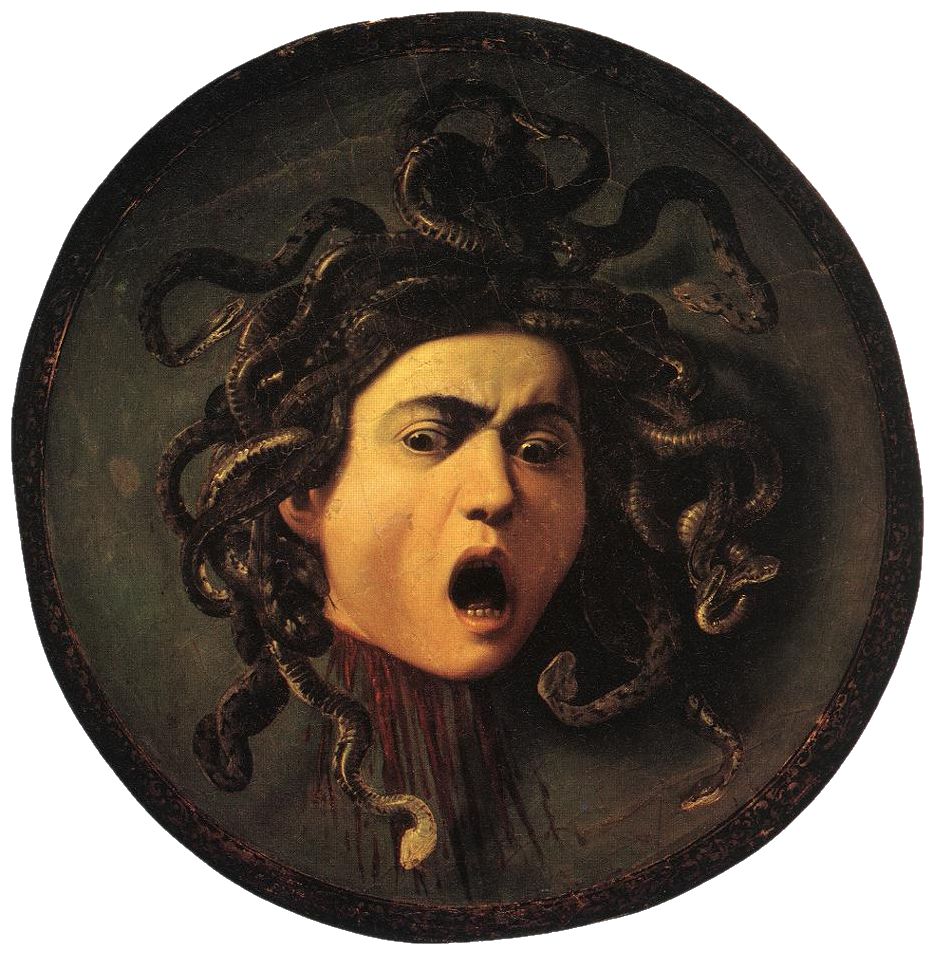 🇬🇷 Greece and 1 moreMedusaΜέδουσα
A mortal Greek monster whose gaze turns onlookers to stoneFigure · Cursing and harm Legendary
 🇬🇷 Greece and 5 moreSibylΣίβυλλα (Sibylla)
Ancient Greek prophetesses who spoke divine counsel at holy shrinesFigure · Seeing and foretelling · Power and authority Legendary
 🇬🇷 Greece and 3 moreHippocampusἱππόκαμπος
A mythological hybrid of a horse and fish from ancient Mediterranean culturesBeing · Wonder and entertainment Legendary
Related elsewhere
All being 🇮🇩 Indonesia and 2 moreDukun
A traditional healer and spirit medium in Indonesian folk practiceTradition · Healing · Seeing and foretelling Living
 🇲🇽 Mexico and 5 moreLa Llorona
A vengeful ghost in Hispanic American folklore who mourns drowned children near water.Being · Cursing and harm · Seeing and foretelling Legendary
🇲🇾 Malaysia and 1 moreBomohبوموه
A Malay shaman and traditional healer who works with spirits, herbs, and geomancy.Tradition · Healing · Seeing and foretelling Living
 🇨🇳 China and 1 moreScapulimancy
Divination using animal shoulder blades, practiced across Asia and the Americas.Oracle · Seeing and foretelling · Cursing and harm Living