Indigenous and shamanic: magic in this belief world
Ceremony, healing and spirit knowledge of Indigenous peoples; some of it closed to outsiders and described here only as far as its people share it.
Indigenous and shamanic traditions are the ceremony, healing and spirit knowledge of peoples from the Arctic to the Amazon, Australia, the Pacific and Africa. They are not one religion, and each community has its own names, laws and stories. Some knowledge is closed to outsiders by the community's own rule, and this guide describes it only as far as the people concerned share it. Terms such as Indigenous and shamanic can hide great variety, so the guide gives each people its own entry wherever it can.
Many peoples, many practices
Examples include the Sami noaidi, Mongolian and Siberian shamans, the Navajo and Lakota ceremonial systems, Amazonian plant healers, Andean offerings to Pachamama, Maori tohunga, Hawaiian kahuna and Aboriginal Dreaming law. Each is rooted in land, kinship and responsibility. Many peoples hold that knowledge belongs to the people and place it came from, and cannot be taken or sold. Elders say that these practices were given to a community and cannot be separated from its language, land and obligations, so that they function differently in the hands of outsiders.
Closed and open knowledge
A great deal is restricted by gender, age, initiation or clan. Some Aboriginal ceremonies, parts of Pueblo and Hopi religion, and many African initiation societies are not for outsiders, and describing them in detail would break the community's law. Visitors should ask before attending, photographing or recording, and accept a refusal. Where this guide is silent on a detail, that is deliberate. In many communities, healers and ceremonial leaders are chosen by calling, family and long training, and they do not advertise.
Suppression and recovery
Colonisers banned ceremonies, as in the United States, where the Plains Sun Dance and the Pacific Northwest potlatch were outlawed. Canada banned the potlatch from 1885 to 1951. Missionaries called practice devil worship and removed children to boarding schools. The American Indian Religious Freedom Act of 1978 recognised rights in US law, and revival and language movements continue. Colonial law in Australia, the United States, Canada, New Zealand, Brazil and elsewhere sought to end such practice, and some communities lost part of their ceremonial knowledge as a result.
Appropriation and respect
Sweat lodges run by outsiders have caused deaths, notably in Arizona in 2009. Sacred plants are sold as products, and costume and names are taken for branding. Indigenous leaders ask for consent, credit and benefit-sharing. Some Indigenous writers prefer to speak of religion, law or medicine, not magic, and this guide follows their lead where it can. Ask first and give back: those are the rules most communities state, and the guide asks readers to follow them.
Indigenous and shamanic on EveryJaadu
The entries written up so far, best known first.
 🇳🇿 New Zealand and 5 moreFace tattoo
Marks inked on the face for spiritual protection, identity, rank, and rite of passageTradition · Protection · Power and authority Living
 🇵🇭 PhilippinesPhilippine mythology
The indigenous stories and spirits of the Philippines, shaped by centuries of trade and colonization.Tradition · Speaking with spirits and the dead · Power and authority Living
 🇲🇬 MadagascarSikidy
An algebraic geomancy practiced by Malagasy peoples using seeds to read fate and prescribe remediesOracle · Seeing and foretelling · Protection Living
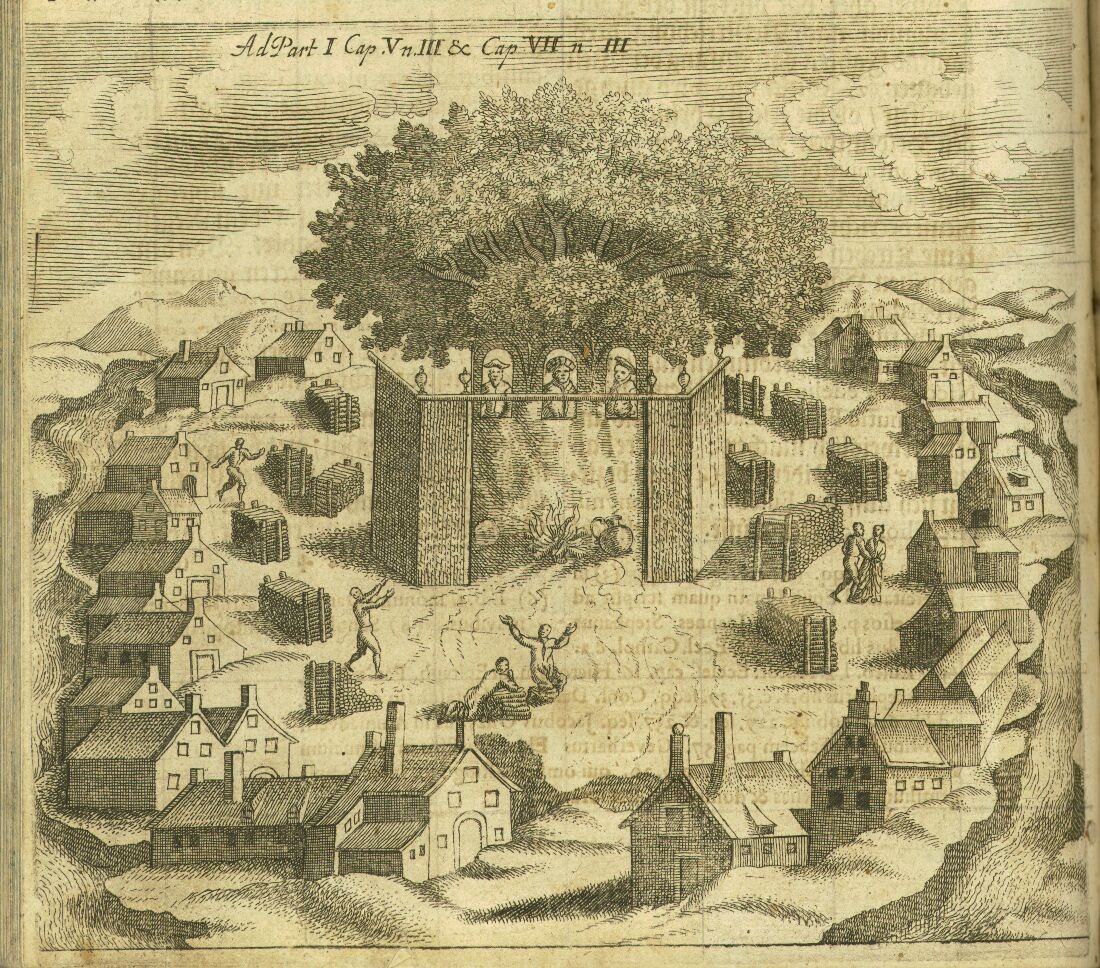 🇱🇹 Lithuania and 1 moreLithuanian mythologyLietuvių mitologija
The ancient polytheistic beliefs of the Baltic people, preserved in folklore and early chroniclesTradition · Speaking with spirits and the dead · Luck and prosperity Historical
 🇳🇬 Nigeria and 5 moreIfá
A Yoruba divination system using palm nuts or chains to consult OrunmilaTradition · Seeing and foretelling · Speaking with spirits and the dead Living
 🇮🇶 Iraq and 1 moreRabisu
A wind spirit in Akkadian myth sent to correct human transgressionsBeing · Cursing and harm · Cleansing and purification Historical
 🇬🇷 Greece and 5 moreNecromancy
A form of divination that seeks to speak with the dead for hidden knowledge.Tradition · Seeing and foretelling · Power and authority Historical
 🇹🇹 Trinidad and Tobago and 3 moreCaribbean folklore
The blended tales and spirits of the Caribbean islandsTradition · Wonder and entertainment Living
 🇻🇺 Vanuatu and 3 moreKastom
A Melanesian term for traditional life, covering magic, law and ritualTradition · Speaking with spirits and the dead · Power and authority Living
 🇧🇷 Brazil and 5 moreAmethyst
A violet quartz variety historically believed to guard against drunkenness and used in ritual jewelry.Substance · Protection · Power and authority Living
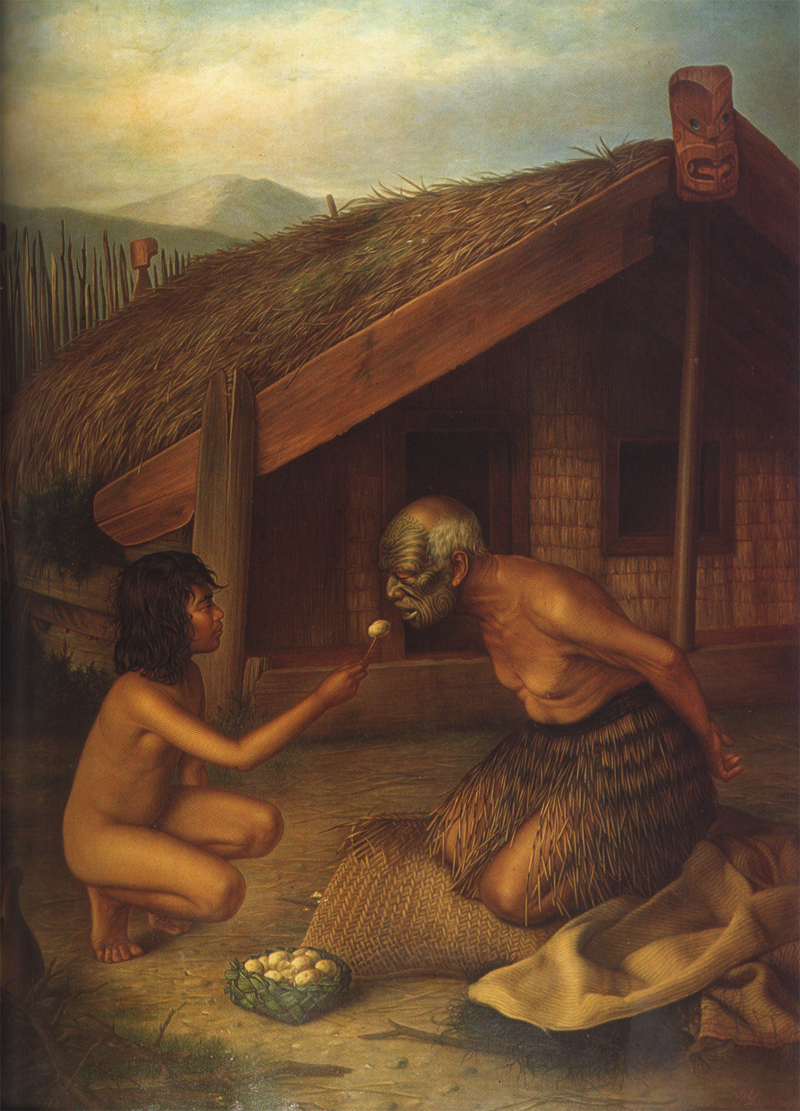 🇳🇿 New ZealandTohunga
A Māori expert practitioner of sacred or secular arts, from priests to carvers.Tradition · Healing · Seeing and foretelling Living
 🇳🇿 New ZealandTaniwha
Supernatural beings in Māori lore, acting as guardians or dangerous predators of water and landBeing · Protection · Cursing and harm Living
🇸🇪 Sweden and 3 moreRunic magic
The use of ancient Germanic letters for spells, divination, and protectionTradition · Protection · Seeing and foretelling Living
 🇺🇸 United StatesGhost DanceNanissaanah
A circular movement seeking spiritual renewal and reunion with ancestorsRite · Speaking with spirits and the dead · Change and initiation Living
 🇿🇦 South Africa and 5 moreTraditional healers of Southern Africa
Practitioners who blend herbal medicine with ancestral divination in Southern AfricaTradition · Healing · Protection Living
 🇪🇬 EgyptImhotepỉỉ-m-ḥtp
An ancient Egyptian architect deified as a god of healing and wisdomBeing · Healing · Power and authority Historical
 🇳🇴 NorwaySami religion
The animist and polytheistic beliefs of the Sámi people across northern ScandinaviaTradition · Protection · Luck and prosperity Historical
 🇧🇯 Benin and 5 moreVodun art
Religious sculpture and temple painting from West African Vodun traditionsTradition · Protection · Speaking with spirits and the dead Living
 🇪🇹 Ethiopia and 5 moreZārزار (Arabic), ዛር (Ge'ez)
A spirit possession tradition and healing ritual in the Horn of Africa and Middle EastTradition · Healing · Speaking with spirits and the dead Living
 🇦🇺 AustraliaRainbow Serpent
A creator spirit of water and land in Aboriginal Australian mythologyBeing · Healing · Cursing and harm Living
 🇮🇳 India and 5 moreAncestor veneration
Rituals honoring the dead to maintain kinship bonds and seek guidance from spiritsTradition · Speaking with spirits and the dead · Protection Living
 🇲🇳 Mongolia and 1 moreOvooовоо
A stone or branch cairn used as a shrine and border marker in Mongolic folk religion.Tradition · Protection · Speaking with spirits and the dead Living
 🇷🇺 Russia and 2 moreSiberian Shamanism
Spirit journey and healing rituals of North Asian ethnic groupsTradition · Healing · Speaking with spirits and the dead Fading
 🇬🇪 Georgia and 2 moreGeorgian mythologyქართული მითოლოგია
The pre-Christian beliefs of the Kartvelian peoples in the South CaucasusTradition · Protection · Seeing and foretelling Historical
 🇨🇴 ColombiaColombian folklore
Beliefs and legends passed down through generations in ColombiaTradition · Wonder and entertainment Living
 🇳🇬 Nigeria and 1 moreBoriBòòríí
A traditional Hausa spirit possession system and healing practice in West AfricaTradition · Healing · Protection Living
 🇫🇷 France and 1 moreLaying on of handsסמיכה
A physical gesture used across religions to convey authority, healing, or spiritual presence.Rite · Healing · Power and authority Living
 🇺🇸 United StatesKahuna
A Hawaiian expert or priest, keeper of hidden knowledge in craft and spiritTradition · Healing · Seeing and foretelling Living
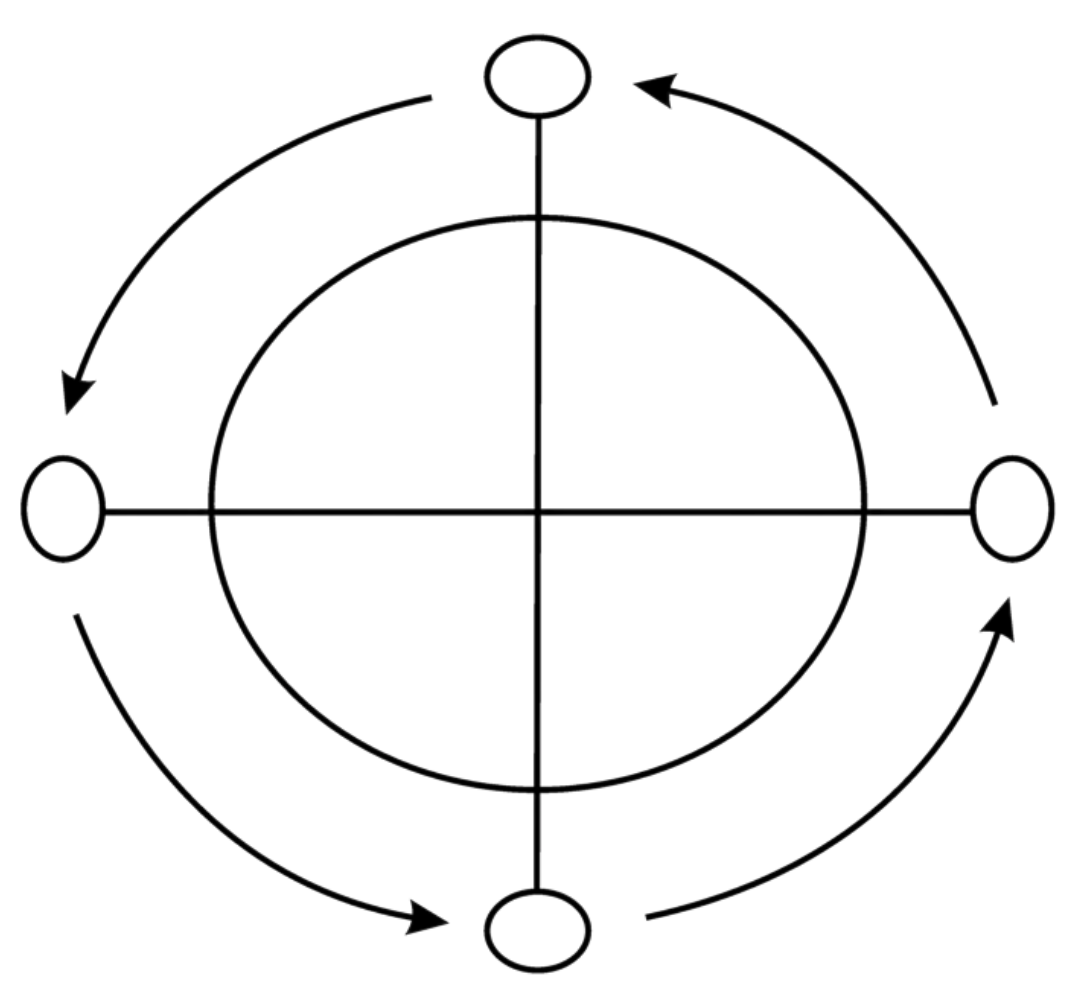 🇦🇴 Angola and 2 moreKongo religionBukongo
The animistic beliefs and ancestor veneration of the Bakongo people in Central AfricaTradition · Speaking with spirits and the dead · Protection Living
 🇫🇮 Finland and 1 moreFinnish mythology
The pre-Christian folklore and cosmology of the Finns and KareliansTradition · Speaking with spirits and the dead · Protection Revived
🇵🇪 Peru and 1 morePishtacoñañaq; kharisiri
An Andean bogeyman said to steal human fat for oil and medicineBeing · Cursing and harm · Power and authority Living
 🇧🇯 Benin and 3 moreZangbeto
A masked night-guardian tradition among the Ogu people of West AfricaTradition · Protection · Cursing and harm Living
 🇮🇷 Iran and 4 moreChaharshanbe Suriچهارشنبهسوری
An Iranian fire festival marking the end of winter and the eve of NowruzTradition · Luck and prosperity · Speaking with spirits and the dead Living
 🇬🇹 Guatemala and 1 moreMaya calendar
A system of timekeeping used by ancient and modern Maya communities to track days, years, and historical cycles.Tradition · Seeing and foretelling · Luck and prosperity Living
 🇳🇬 Nigeria and 2 moreỌya
A Yoruba orisha of storms and the dead, worshipped in Africa and the Americas.Being · Protection · Speaking with spirits and the dead Living
🇨🇩 Democratic Republic of the Congo and 4 moreNganga
A spiritual healer and ritual specialist in Kongo religion and its diaspora traditionsTradition · Healing · Seeing and foretelling Living
 🇮🇩 Indonesia and 4 moreKejawènꦏꦗꦮꦺꦤ꧀ (Kajawèn)
A Javanese tradition blending animism, Hinduism, Buddhism and Islam into a path of inner harmony.Tradition · Protection · Speaking with spirits and the dead Living
 🇳🇵 Nepal and 1 morePrayer flagLung ta
Cloth banners printed with mantras, hung in high places to spread blessings on the windCharm · Protection · Cleansing and purification Living
 🇨🇳 China and 1 moreLuoshu Square洛書
An ancient Chinese magic square linked to river myths and Feng Shui geomancyText · Power and authority · Seeing and foretelling Historical
 🇮🇪 Ireland and 1 moreAos Sí
Supernatural beings of Irish and Scottish folklore, said to dwell in mounds and influence the human world.Being · Protection · Cursing and harm Living
 🇨🇳 China and 2 moreJiang Ziya姜子牙
A historical strategist and war god who helped establish the Zhou dynastyFigure · Power and authority · Cursing and harm Historical
 🇯🇵 Japan and 1 moreOni鬼(おに)
A horned demon of Japanese folklore known for strength and evil, later softened into a symbol of fortune.Being · Protection · Cursing and harm Living
 🇮🇳 India and 5 moreCowrie
A sea snail shell used as currency, divination tool, and charm across many culturesSubstance · Seeing and foretelling · Luck and prosperity Living
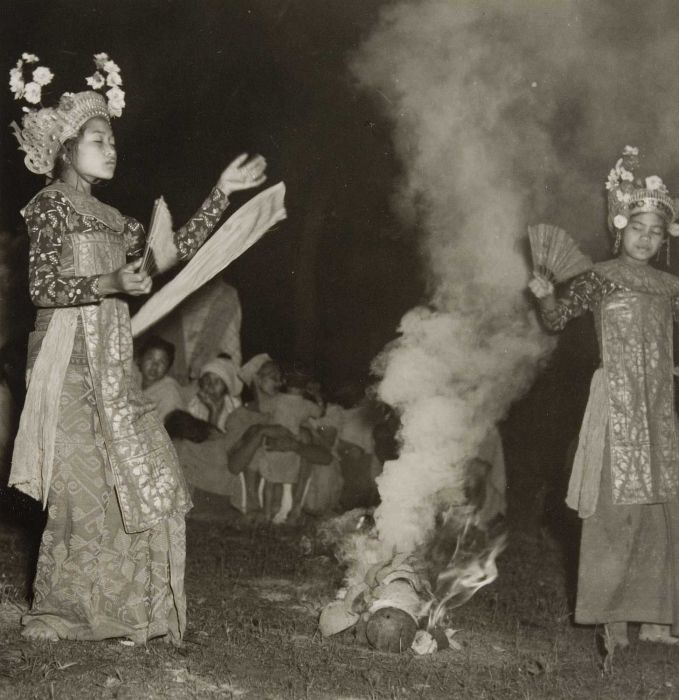 🇮🇩 IndonesiaSanghyangᬲᬂᬳ᭄ᬬᬂ (Tari Sanghyang)
A Balinese sacred dance where performers enter trance to host spiritual entitiesIllusion · Speaking with spirits and the dead Living
 🇰🇭 Cambodia and 3 moreSak Yantសាក់យ័ន្ត
Sacred geometric tattoos from Southeast Asia believed to grant protection and powerTradition · Protection · Luck and prosperity Living
🇪🇪 EstoniaFinnic mythologies
The spiritual traditions of the Finnic peoples across northern EurasiaTradition · Speaking with spirits and the dead Historical
 🇨🇺 Cuba and 4 moreSanteríaRegla de Ocha
An Afro-Cuban religion blending Yoruba spirits with Catholic saintsTradition · Protection · Healing Living
Photo credits on this page
The small pictures above come from Wikimedia Commons under free licences. Some are cropped to fit.
- Zār: Emad Nemati, CC BY-SA 4.0, source
- Necromancy: Unknown author, CC BY 4.0, source
- Ancient Mesopotamian religion: editor Austen Henry Layard , drawing by L. Gruner, Public domain, source
- Jiang Ziya: Wang Qi, Public domain, source
- Caribbean folklore: Biblioteca Juvenil Mayaguez ( talk · contribs ), CC BY-SA 4.0, source
- Ghost Dance: Unknown author, Public domain, source
- Kahuna: Unknown author, Public domain, source
- Zangbeto: Grete Howard, CC BY 3.0, source
- Simbi: MiddleOfAfrica, CC BY-SA 4.0, source
- Philippine mythology: The original uploader was Rodsan18 at English Wikipedia . ( Original t, CC BY 2.5, source
- Lithuanian mythology: Prussian historian Christophorus Hartknoch (1644-1687), Public domain, source
- Taniwha: Pseudopanax at en.wikipedia, Public domain, source
- Imhotep: Rama, CC BY-SA 3.0 fr, source
- Vodun art: Fraipont, Gustave (1849-1923), Public domain, source
- Rainbow Serpent: unknown (as drawn by an Aboriginal), Public domain, source
- Siberian Shamanism: Аркадий Зарубин, CC BY-SA 3.0, source
- Colombian folklore: Unknown author, Public domain, source
- Bori: Tremearne, A. J. N. (Arthur John Newman), 1877-1915, Public domain, source
- Ọya: Picture taken by Eurico Zimbres, CC BY-SA 2.5, source
- Aos Sí: AE [George William Russell] (1867-1935), CC BY 4.0, source
- Ancestor veneration: Thang Nguyen, CC BY-SA 2.0, source
- Face tattoo: Gottfried Lindauer, Public domain, source
- Sikidy: Unknown author, Public domain, source
- Ifá: Toluaye, Public domain, source
- Amethyst: JJ Harrison ( https://jjharrison.com.au/ ), CC BY-SA 3.0, source
- Tohunga: Gottfried Lindauer, Public domain, source
- Traditional healers of Southern Africa: Wizzy, CC BY-SA 3.0, source
- Sami religion: Zouavman Le Zouave, CC BY-SA 3.0, source
- Ovoo: Bouette ., CC BY-SA 3.0, source
- Georgian mythology: Mostafameraji, CC BY-SA 4.0, source
- Finnish mythology: Väinö Blomstedt, Public domain, source
- Maya calendar: MBisanz, CC BY-SA 3.0, source
- Kejawèn: Greenland4, Public domain, source
- Prayer flag: Wotan, CC BY 2.5, source
- Luoshu Square: An unknown Tibetan artist, Public domain, source
- Oni: Katsushika Hokusai 葛飾北斎 (1760-1849), Public domain, source
- Cowrie: NOAA (Photo Collection of Dr. James P. McVey, NOAA Sea Grant Program), Public domain, source
- Chaharshanbe Suri: Philippe Giabbanelli, CC BY 3.0, source
- Kastom: Graham Crumb, CC BY-SA 3.0, source
- Laying on of hands: User:Lipsio, CC BY 3.0, source
- Sak Yant: Mikhailovich, CC BY 3.0, source
- Santería: Jorge Royan, CC BY-SA 3.0, source
- Sanghyang: Unknown author, CC BY-SA 3.0, source