
A collection of stories, characters, and beliefs from the Caribbean region. It combines African, Indigenous, European, and Asian influences into a unique cultural expression.
- Anancy stories originate from West African traditions.
- Papa Bois is a guardian of animals and trees.
- Mama Dlo is a water spirit similar to Mammy Wata.
- Soucouyant is a shape-shifting blood-sucking entity.
- Nalo Hopkinson incorporates folklore into modern novels.
What it is
Caribbean folklore is a shared body of traditional tales, songs, and beliefs across the islands. It reflects a history of colonial rule, slavery, and migration. The stories blend African, Indigenous American, European, and Asian elements. Characters like Anancy and Papa Bois represent different aspects of nature and society. These narratives preserve the spirit of the region through oral and written forms.
Where it comes from
The tradition emerged from the convergence of diverse cultures in the Caribbean. African traditions arrived with enslaved people, while Indigenous, European, and Asian groups added their own lore. This mix created a unique regional identity. The stories evolved through oral transmission and later literary adaptation. Writers have used these themes to explore issues of race, memory, and belonging.
How it is done
Stories are passed down through generations via speech and performance. They often feature trickster figures who use wit to survive difficult situations. Rituals and superstitions are also part of the practice. Some tales involve encounters with supernatural beings like water spirits or shape-shifters. The narratives serve to teach moral lessons and explain natural phenomena.
Tools and materials
Key figures include Anancy the spider, Papa Bois the forest guardian, and Mama Dlo the water mother. Other entities are La Diablesse, the Soucouyant, and the Ligahoo. These characters embody specific traits such as cunning, protection, or danger. They appear in both folk tales and modern literature.
Caribbean folklore, drawn and placed
- Living
- Revived
- Fading
- Historical
- Legendary
- Performed
What it is for
The folklore provides a framework for understanding the world and human behavior. It helps communities maintain their identity amidst historical upheaval. Stories offer entertainment, moral guidance, and a sense of continuity. They also serve as a bridge between different cultural groups in the region.
Who does it
Storytellers and writers play a central role in preserving these traditions. Authors like Roy Heath, Grace Hallworth, Dionne Brand, and Nalo Hopkinson have adapted folklore for modern audiences. They weave traditional motifs into novels and poetry. Scholars also study these texts to understand Caribbean culture and history.
Peoples and places
The tradition is widespread across the Caribbean islands. It has strong roots in West African cultures, particularly among the Asante, Yoruba, and Ibo peoples. Indigenous American influences are also present. European and Asian contributions add further layers to the narrative landscape. The stories vary by island but share common themes and characters.
At a glance: who, where and when
Who does it
Belief worlds
What people believe
Many tales involve supernatural beings that interact with humans. Papa Bois protects animals and warns against wasteful hunting. Mama Dlo can grant wealth or abduct travelers. The Soucouyant is a vampire-like figure who sheds her skin at night. These beliefs reflect a worldview where the natural and spiritual realms are closely linked.
When it is done
However, the stories are often shared during community gatherings and family events. Carnival and other cultural celebrations may incorporate folk characters and themes.
How scholars and sceptics see it
Researchers analyze Caribbean folklore as a form of resistance and cultural preservation. They examine how oral traditions influenced written literature. Studies focus on the interplay between different cultural influences and the development of a distinct regional identity. Scholars also look at the psychological and social functions of these stories.
Cautions and what is closed
Some tales serve as warnings about dangerous places or behaviors. For example, La Diablesse lures unsuspecting travelers to their doom. The Soucouyant preys on victims at night. These stories reinforce social norms and cautionary tales within the community.
Compare and confuse
Caribbean folklore shares similarities with West African oral traditions, particularly Anancy stories. It also has parallels with European fairy tales and myths. However, the unique historical context of the Caribbean gives it a distinct character. It differs from mainland Latin American folklore in its specific blend of influences.
Law and persecution
The folklore is generally celebrated as part of the cultural heritage. There are no reported laws restricting its practice or dissemination.
Questions people ask about Caribbean folklore
What is Caribbean folklore?
It is a collection of stories, songs, and beliefs from the Caribbean islands. It blends African, Indigenous, European, and Asian influences into a unique cultural expression.
Who are some famous characters in these tales?
Popular figures include Anancy the spider, Papa Bois the forest guardian, Mama Dlo the water mother, and the Soucouyant, a shape-shifting vampire.
Where do these stories come from?
They originated from the mixing of cultures in the Caribbean after colonization and slavery. African, Indigenous, European, and Asian traditions converged to create this unique body of lore.
How are these stories preserved today?
They are kept alive through oral storytelling and modern literature. Writers like Nalo Hopkinson and Dionne Brand adapt traditional motifs for contemporary audiences.
Good reading and sources
- Caribbean folklore on WikipediaEncyclopedia
- More photos on Wikimedia CommonsPhotos and video
- Wikidata recordOpen data
The facts on this page come from the Wikipedia article "Caribbean folklore", written by its contributors and used under the CC BY-SA 4.0 licence, and from its Wikidata record (CC0). EveryJaadu rewrote the text in its own words, with AI assistance, and compares every page with the article to make sure no passage is copied. It may be reused under the same CC BY-SA 4.0 licence with a link back.
It may contain mistakes. Names and customs differ from one community to the next, and some knowledge is closed to outsiders and left out here. This page describes belief and practice. It does not say that any of it works, it is not a how-to, and it is not medical advice. If something is wrong, tell us. Last refreshed 2026-10-05.
More from Trinidad and Tobago
All the entries from Trinidad and Tobago 🇯🇲 Jamaica and 5 moreObeah
A Caribbean tradition of ritual healing and spell-casting with African rootsTradition · Protection · Healing Living
🇯🇲 Jamaica and 5 moreObeah
A Caribbean tradition of ritual healing and spell-casting with African rootsTradition · Protection · Healing Living
 🇹🇹 Trinidad and Tobago and 5 moreSpiritual Baptist
An Afro-Caribbean Christian faith blending African traditions with Baptist worshipTradition · Speaking with spirits and the dead · Protection Living
🇹🇹 Trinidad and Tobago and 5 moreSpiritual Baptist
An Afro-Caribbean Christian faith blending African traditions with Baptist worshipTradition · Speaking with spirits and the dead · Protection Living
 🇮🇳 India and 5 moreHoliहोली
A Hindu spring festival marked by coloured powders and bonfires to celebrate love and virtue.Tradition · Love and attraction · Cursing and harm Living
🇮🇳 India and 5 moreHoliहोली
A Hindu spring festival marked by coloured powders and bonfires to celebrate love and virtue.Tradition · Love and attraction · Cursing and harm Living
 🇮🇳 India and 6 moreChurel
A female revenant of South Asian folklore, feared for luring men awayBeing · Cursing and harm Legendary
🇮🇳 India and 6 moreChurel
A female revenant of South Asian folklore, feared for luring men awayBeing · Cursing and harm Legendary
Related elsewhere
All tradition 🇬🇧 United Kingdom and 2 moreKing ArthurBrenin Arthur
A legendary British king and folk hero of medieval literature and Welsh mythologyFigure · Power and authority · Wonder and entertainment Legendary
🇬🇧 United Kingdom and 2 moreKing ArthurBrenin Arthur
A legendary British king and folk hero of medieval literature and Welsh mythologyFigure · Power and authority · Wonder and entertainment Legendary
 🇪🇬 Egypt and 1 moreSphinx
A mythical hybrid with a human head and lion body, serving as guardian or riddler in Egyptian and Greek traditions.Being · Protection · Wonder and entertainment Legendary
🇪🇬 Egypt and 1 moreSphinx
A mythical hybrid with a human head and lion body, serving as guardian or riddler in Egyptian and Greek traditions.Being · Protection · Wonder and entertainment Legendary
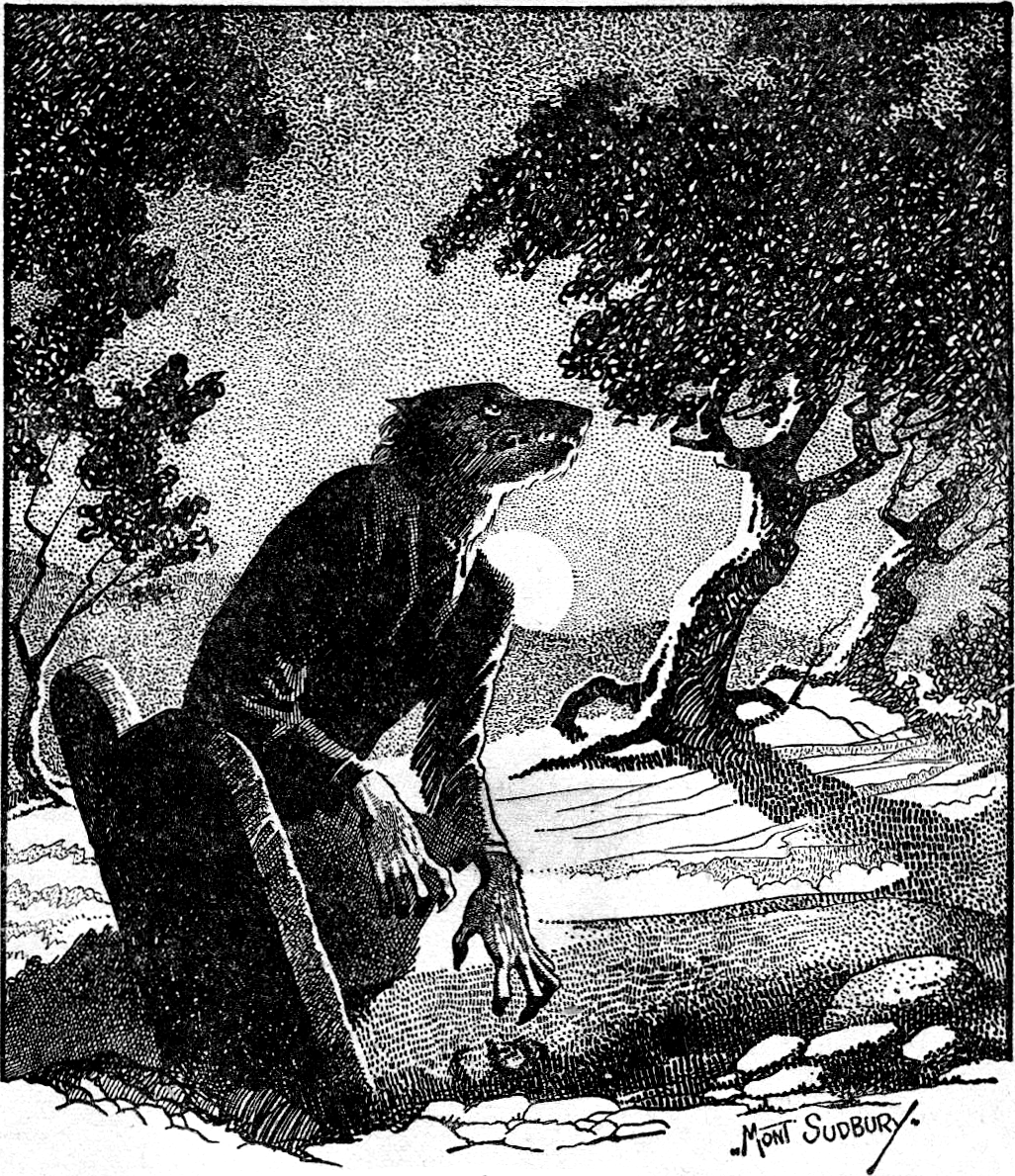 🇫🇷 France and 5 moreWerewolf
A mythical shapeshifter that turns into a wolf, central to European witch-hunts and Gothic horror.Being · Cursing and harm · Wonder and entertainment Legendary
🇫🇷 France and 5 moreWerewolf
A mythical shapeshifter that turns into a wolf, central to European witch-hunts and Gothic horror.Being · Cursing and harm · Wonder and entertainment Legendary
 🇪🇸 Spain and 5 moreSt John's Eve
A Christian vigil marked by bonfires and plant gathering on the summer solstice eveRite · Protection · Speaking with spirits and the dead Living
🇪🇸 Spain and 5 moreSt John's Eve
A Christian vigil marked by bonfires and plant gathering on the summer solstice eveRite · Protection · Speaking with spirits and the dead Living