Folk and village custom: magic in this belief world
Rural and household beliefs that belong to no single organised religion.
Folk and village custom is the large body of belief and practice that belongs to no organised religion: the charm against the evil eye, the cure for warts, the fairy hawthorn, the household spirit, the lucky day. It is passed within families and communities and exists in every society. This page looks at how it is kept, who keeps it, and why it is both valued and dismissed. It is also called popular religion, vernacular religion or lived religion by scholars.
Keepers and settings
Keepers are often older women, farmers, midwives, shepherds and craftsmen. Settings are the house, field, well, crossroads and church porch. European cunning folk offered help for fees and kept charms and books. In many Asian and African villages the specialist is a healer, a diviner or a spirit medium working beside religion. The same grandmother may light a candle at church, tie a thread on a child and say a charm for a burn, and see no conflict between them.
Names and labels
The same thing carries many names: the evil eye is the nazar, mal de ojo and ayin hara. Folklorists collected such customs from the nineteenth century, sometimes as relics of a vanished past and sometimes as living culture. The label folk also marks class, since the term often implies rural, poor or uneducated, a bias that modern scholars try to avoid. Where the village has a wise woman or a bone-setter, the community knows what to ask of her and what she will refuse to do.
Religion, state and reform
Churches, mosques and temples have absorbed, tolerated and condemned folk practice in turn. States have banned it as backward: Chinese campaigns against superstition in the twentieth century closed local temples and shrines, and Soviet policy targeted village healers. At times governments have turned to it as national heritage, as in revived festivals across Europe and Asia. Historians and folklorists note that it often keeps old customs alive within newer religions, such as lighting fires at midsummer within Christian saints' days.
Change and commerce
Urban life and migration thin out folk knowledge, while heritage projects and the internet gather it. Customs reappear as products, such as protective charms in shops and festival tourism. Some folk practice carries harm: village accusation of witchcraft, treatments that delay medical care, and fees charged to relieve fear. Illness needs real medical care. In places with active heritage movements, folk custom has become a source of pride, and young people record songs and cures from grandparents before they are lost.
Folk and village custom on EveryJaadu
The entries written up so far, best known first.
 🇮🇳 India and 2 moreBhootभूत
A restless spirit of the dead in South Asian belief and folkloreBeing · Cursing and harm · Protection Living
🇮🇳 India and 2 moreBhootभूत
A restless spirit of the dead in South Asian belief and folkloreBeing · Cursing and harm · Protection Living
 🇬🇷 Greece and 4 moreKallikantzarosκαλικάντζαρος
A malevolent goblin that dwells underground and surfaces during the twelve days of Christmas.Being · Cursing and harm · Luck and prosperity Historical
🇬🇷 Greece and 4 moreKallikantzarosκαλικάντζαρος
A malevolent goblin that dwells underground and surfaces during the twelve days of Christmas.Being · Cursing and harm · Luck and prosperity Historical
 🇬🇧 United KingdomPuck
A mischievous domestic sprite of English folklore known for practical jokes and household choresBeing · Cursing and harm · Luck and prosperity Legendary
🇬🇧 United KingdomPuck
A mischievous domestic sprite of English folklore known for practical jokes and household choresBeing · Cursing and harm · Luck and prosperity Legendary
 🇷🇸 Serbia and 5 moreZduhaćздухаћ
A South Slavic belief in men who fight storms and hail to protect their cropsBeing · Protection · Cursing and harm Historical
🇮🇳 India and 1 morePichal periਪਿੱਛਲ ਪੈਰੀ
A backward-footed female spirit of northwestern South Asia and Central AsiaBeing · Cursing and harm Legendary
🇷🇸 Serbia and 5 moreZduhaćздухаћ
A South Slavic belief in men who fight storms and hail to protect their cropsBeing · Protection · Cursing and harm Historical
🇮🇳 India and 1 morePichal periਪਿੱਛਲ ਪੈਰੀ
A backward-footed female spirit of northwestern South Asia and Central AsiaBeing · Cursing and harm Legendary
 🇮🇹 ItalyBadaliscBadalisch
A mythical goat-headed creature from the Italian Alps, captured and mocked during Epiphany celebrations.Being · Cursing and harm · Wonder and entertainment Living
🇹🇹 Trinidad and Tobago and 5 moreSoucouyant
A shape-shifting vampire spirit of Caribbean folklore that sheds its skin to fly as a fireballBeing · Cursing and harm Living
🇮🇹 ItalyBadaliscBadalisch
A mythical goat-headed creature from the Italian Alps, captured and mocked during Epiphany celebrations.Being · Cursing and harm · Wonder and entertainment Living
🇹🇹 Trinidad and Tobago and 5 moreSoucouyant
A shape-shifting vampire spirit of Caribbean folklore that sheds its skin to fly as a fireballBeing · Cursing and harm Living
 🇺🇸 United States and 2 moreRougarou
A lycanthrope legend from French-speaking communities in North AmericaBeing · Cursing and harm Legendary
🇳🇴 Norway and 1 moreTroll cat
A familiar spirit in Nordic folklore blamed for stealing milk and cream from farmsBeing · Cursing and harm Legendary
🇷🇴 Romania and 2 moreSolomonariȘolomonar
A Romanian weather wizard who rides a dragon and controls the storms.Being · Cursing and harm · Luck and prosperity Legendary
🇵🇱 Poland and 1 moreDydko
A Polish folk creature evolved from a Slavic house demon into a night-time scarecrow.Being · Cursing and harm Legendary
🇬🇧 United KingdomWirry-cow
A Scottish folk figure representing a frightening object or spiritBeing · Cursing and harm Historical
🇦🇿 AzerbaijanBastyBasdı
A group of evil spirits and goblins from Turkic folklore in Anatolia.Being · Cursing and harm Legendary
🇯🇵 JapanMisaki御先
Japanese spirit-like entities that serve gods or possess humans with illness and calamityBeing · Cursing and harm · Speaking with spirits and the dead Living
🇦🇱 Albania and 4 moreDhampir
A half-vampire figure from Balkan folklore who hunts the undeadBeing · Cursing and harm Legendary
🇺🇸 United States and 2 moreRougarou
A lycanthrope legend from French-speaking communities in North AmericaBeing · Cursing and harm Legendary
🇳🇴 Norway and 1 moreTroll cat
A familiar spirit in Nordic folklore blamed for stealing milk and cream from farmsBeing · Cursing and harm Legendary
🇷🇴 Romania and 2 moreSolomonariȘolomonar
A Romanian weather wizard who rides a dragon and controls the storms.Being · Cursing and harm · Luck and prosperity Legendary
🇵🇱 Poland and 1 moreDydko
A Polish folk creature evolved from a Slavic house demon into a night-time scarecrow.Being · Cursing and harm Legendary
🇬🇧 United KingdomWirry-cow
A Scottish folk figure representing a frightening object or spiritBeing · Cursing and harm Historical
🇦🇿 AzerbaijanBastyBasdı
A group of evil spirits and goblins from Turkic folklore in Anatolia.Being · Cursing and harm Legendary
🇯🇵 JapanMisaki御先
Japanese spirit-like entities that serve gods or possess humans with illness and calamityBeing · Cursing and harm · Speaking with spirits and the dead Living
🇦🇱 Albania and 4 moreDhampir
A half-vampire figure from Balkan folklore who hunts the undeadBeing · Cursing and harm Legendary
 🇨🇭 Switzerland and 3 moreTatzelwurm
A cat-headed lizard of the Alps, said to guard mines and drink cow milk.Being · Cursing and harm · Luck and prosperity Legendary
🇨🇭 Switzerland and 3 moreTatzelwurm
A cat-headed lizard of the Alps, said to guard mines and drink cow milk.Being · Cursing and harm · Luck and prosperity Legendary
 🇹🇭 Thailand and 5 moreKrasueกระสือ
A floating head with trailing organs from Southeast Asian folkloreBeing · Cursing and harm Living
🇹🇭 Thailand and 5 moreKrasueกระสือ
A floating head with trailing organs from Southeast Asian folkloreBeing · Cursing and harm Living
 🇸🇪 Sweden and 5 moreLindwormlindorm
A serpentine dragon of Northern and Central European folklore, often depicted as limbless or winged.Being · Luck and prosperity · Cursing and harm Legendary
🇸🇪 Sweden and 5 moreLindwormlindorm
A serpentine dragon of Northern and Central European folklore, often depicted as limbless or winged.Being · Luck and prosperity · Cursing and harm Legendary
 🇷🇺 Russia and 3 moreChortчёрт
A Slavic demon spirit with horns and hooves, known in folklore as a trickster or minor evil force.Being · Cursing and harm · Luck and prosperity Historical
🇷🇺 Russia and 3 moreChortчёрт
A Slavic demon spirit with horns and hooves, known in folklore as a trickster or minor evil force.Being · Cursing and harm · Luck and prosperity Historical
 🇷🇴 Romania and 2 moreStrixστρίξ
A classical bird of ill omen that evolved into a term for witches and vampires across Europe.Being · Cursing and harm · Luck and prosperity Historical
🇷🇴 Romania and 2 moreStrixστρίξ
A classical bird of ill omen that evolved into a term for witches and vampires across Europe.Being · Cursing and harm · Luck and prosperity Historical
 🇯🇵 JapanNurikabe塗り壁
A spirit that manifests as an invisible wall to block travelers at nightBeing · Cursing and harm Historical
🇷🇴 Romania and 5 moreBalaur
A many-headed dragon from Romanian folklore that guards treasures and controls the weather.Being · Cursing and harm · Power and authority Legendary
🇯🇵 JapanNurikabe塗り壁
A spirit that manifests as an invisible wall to block travelers at nightBeing · Cursing and harm Historical
🇷🇴 Romania and 5 moreBalaur
A many-headed dragon from Romanian folklore that guards treasures and controls the weather.Being · Cursing and harm · Power and authority Legendary
 🇵🇱 Poland and 3 moreStrzyga
A female demon in Polish folklore, linked to owls and vampiric traitsBeing · Cursing and harm · Protection Historical
🇯🇵 JapanKijo鬼女
A demon woman from Japanese folklore, born of resentment and karma.Being · Cursing and harm Legendary
🇵🇱 Poland and 3 moreStrzyga
A female demon in Polish folklore, linked to owls and vampiric traitsBeing · Cursing and harm · Protection Historical
🇯🇵 JapanKijo鬼女
A demon woman from Japanese folklore, born of resentment and karma.Being · Cursing and harm Legendary
 🇦🇱 Albania and 3 moreKulshedra
A multi-headed serpent demon in Albanian folklore that controls storms and droughts.Being · Cursing and harm · Luck and prosperity Legendary
🇦🇱 Albania and 3 moreKulshedra
A multi-headed serpent demon in Albanian folklore that controls storms and droughts.Being · Cursing and harm · Luck and prosperity Legendary
 🇪🇬 Egypt and 2 moreAbyzou
A female demon of envy who targets newborns and pregnant women in late antique magic.Being · Cursing and harm · Protection Historical
🇷🇺 Russia and 4 moreFiery serpentsогненный змей
A pan-Slavic spirit of fire and wind, seen as a demon or a household helperBeing · Cursing and harm · Luck and prosperity Historical
🇷🇴 Romania and 2 moreZmeu
A humanoid dragon from Romanian folklore that kidnaps maidens and steals treasures.Being · Cursing and harm · Love and attraction Legendary
🇮🇩 IndonesiaSundel bolong
A vengeful ghost of Java, a woman whose long black hair hides the hole in her back.Being · Cursing and harm Legendary
🇪🇬 Egypt and 2 moreAbyzou
A female demon of envy who targets newborns and pregnant women in late antique magic.Being · Cursing and harm · Protection Historical
🇷🇺 Russia and 4 moreFiery serpentsогненный змей
A pan-Slavic spirit of fire and wind, seen as a demon or a household helperBeing · Cursing and harm · Luck and prosperity Historical
🇷🇴 Romania and 2 moreZmeu
A humanoid dragon from Romanian folklore that kidnaps maidens and steals treasures.Being · Cursing and harm · Love and attraction Legendary
🇮🇩 IndonesiaSundel bolong
A vengeful ghost of Java, a woman whose long black hair hides the hole in her back.Being · Cursing and harm Legendary
 🇬🇷 GreeceGelloΓελλώ
A Greek demon of infancy and a class of beings blamed for infant death.Being · Cursing and harm · Protection Historical
🇷🇺 RussiaShishigaшишига
A female swamp spirit of Russian and Komi folklore that brings misfortune and death.Being · Cursing and harm Legendary
🇬🇷 GreeceGelloΓελλώ
A Greek demon of infancy and a class of beings blamed for infant death.Being · Cursing and harm · Protection Historical
🇷🇺 RussiaShishigaшишига
A female swamp spirit of Russian and Komi folklore that brings misfortune and death.Being · Cursing and harm Legendary
 🇬🇧 United KingdomBoobrie
A shapeshifting loch monster from Scottish folklore that preys on livestock and horses.Being · Cursing and harm Legendary
🇯🇲 Jamaica and 3 moreDuppy
A Caribbean term for a ghost or malevolent spirit, rooted in West African folklore.Being · Cursing and harm · Luck and prosperity Living
🇬🇧 United KingdomBoobrie
A shapeshifting loch monster from Scottish folklore that preys on livestock and horses.Being · Cursing and harm Legendary
🇯🇲 Jamaica and 3 moreDuppy
A Caribbean term for a ghost or malevolent spirit, rooted in West African folklore.Being · Cursing and harm · Luck and prosperity Living
 🇸🇪 Sweden and 1 moreSkogsrå
A forest spirit in Swedish folklore who appears as a beautiful woman but hides a hollow back and animal feet.Being · Luck and prosperity · Cursing and harm Legendary
🇯🇵 Japan and 2 moreChimimōryō魑魅魍魎
A Chinese term for mountain and river spirits that spread to Japan and VietnamBeing · Cursing and harm Legendary
🇵🇱 PolandTopielec
A Slavic water spirit of the drowned dead that pulls victims into lakes.Being · Cursing and harm Historical
🇸🇪 Sweden and 1 moreSkogsrå
A forest spirit in Swedish folklore who appears as a beautiful woman but hides a hollow back and animal feet.Being · Luck and prosperity · Cursing and harm Legendary
🇯🇵 Japan and 2 moreChimimōryō魑魅魍魎
A Chinese term for mountain and river spirits that spread to Japan and VietnamBeing · Cursing and harm Legendary
🇵🇱 PolandTopielec
A Slavic water spirit of the drowned dead that pulls victims into lakes.Being · Cursing and harm Historical
 🇩🇪 Germany and 3 moreWiedergänger
A German term for a revenant or ghost that returns to the world of the living.Being · Cursing and harm Historical
🇷🇺 Russia and 1 moreLikhoradkaЛихорадка
A fever spirit in Slavic myth who brings illness and sicknessBeing · Cursing and harm Legendary
🇷🇴 RomaniaCăpcăun
A Romanian ogre with a dog head known for kidnapping children and eating peopleBeing · Cursing and harm Legendary
🇩🇪 Germany and 3 moreWiedergänger
A German term for a revenant or ghost that returns to the world of the living.Being · Cursing and harm Historical
🇷🇺 Russia and 1 moreLikhoradkaЛихорадка
A fever spirit in Slavic myth who brings illness and sicknessBeing · Cursing and harm Legendary
🇷🇴 RomaniaCăpcăun
A Romanian ogre with a dog head known for kidnapping children and eating peopleBeing · Cursing and harm Legendary
 🇩🇪 Germany and 4 moreNight ravennattravn
A nocturnal creature of European folklore, feared as a child-stealer or seen as a ghost in bird form.Being · Cursing and harm Historical
🇩🇪 Germany and 4 moreNight ravennattravn
A nocturnal creature of European folklore, feared as a child-stealer or seen as a ghost in bird form.Being · Cursing and harm Historical
 🇫🇷 FranceYan-gant-y-tan
A Breton demon who carries five candles and is said to bring bad luck.Being · Cursing and harm · Wonder and entertainment Historical
🇫🇷 FranceYan-gant-y-tan
A Breton demon who carries five candles and is said to bring bad luck.Being · Cursing and harm · Wonder and entertainment Historical
 🇫🇷 France and 1 moreDusios
A Gaulish spirit type later classified as an incubus demon by early Christian writersBeing · Cursing and harm · Power and authority Historical
🇬🇧 United KingdomTrow
Nocturnal spirits of the Orkney and Shetland islands, known for mischief and musical abduction.Being · Cursing and harm · Wonder and entertainment Historical
🇫🇷 France and 1 moreDusios
A Gaulish spirit type later classified as an incubus demon by early Christian writersBeing · Cursing and harm · Power and authority Historical
🇬🇧 United KingdomTrow
Nocturnal spirits of the Orkney and Shetland islands, known for mischief and musical abduction.Being · Cursing and harm · Wonder and entertainment Historical
 🇨🇳 ChinaNine-headed bird九頭鳥
A mythical creature from ancient China that became a symbol of deceit.Being · Cursing and harm Legendary
🇮🇹 ItalySquasc
A small, tawny creature from Eastern Lombardy folklore that frightens children and plays jokes on young girlsBeing · Cursing and harm · Wonder and entertainment Legendary
🇨🇳 ChinaNine-headed bird九頭鳥
A mythical creature from ancient China that became a symbol of deceit.Being · Cursing and harm Legendary
🇮🇹 ItalySquasc
A small, tawny creature from Eastern Lombardy folklore that frightens children and plays jokes on young girlsBeing · Cursing and harm · Wonder and entertainment Legendary
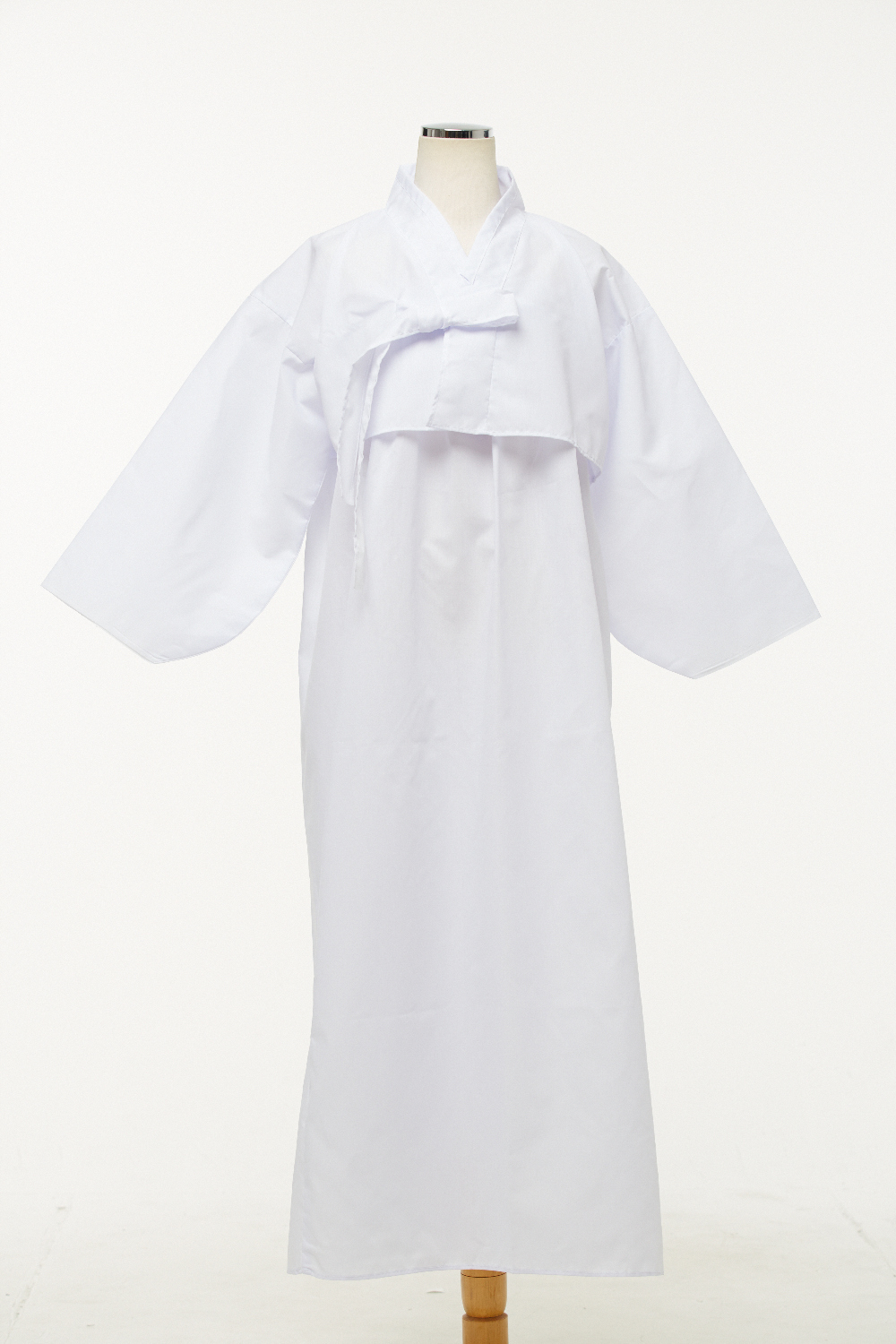 🇰🇷 South KoreaKorean virgin ghost처녀귀신 (cheonyeo-gwisin)
A spirit of an unmarried woman who died with resentment in Korean folklore.Being · Cursing and harm · Binding and oaths Historical
🇸🇪 SwedenAskafroa
A Scandinavian tree spirit believed to guard the ash and demand appeasement.Being · Cursing and harm · Protection Legendary
🇰🇷 South KoreaKorean virgin ghost처녀귀신 (cheonyeo-gwisin)
A spirit of an unmarried woman who died with resentment in Korean folklore.Being · Cursing and harm · Binding and oaths Historical
🇸🇪 SwedenAskafroa
A Scandinavian tree spirit believed to guard the ash and demand appeasement.Being · Cursing and harm · Protection Legendary
 🇫🇷 FranceMargot the fairy
Earthly fairies of Brittany known for dancing, building monuments, and testing human guests.Being · Luck and prosperity · Cursing and harm Historical
🇫🇷 FranceMargot the fairy
Earthly fairies of Brittany known for dancing, building monuments, and testing human guests.Being · Luck and prosperity · Cursing and harm Historical
Photo credits on this page
The small pictures above come from Wikimedia Commons under free licences. Some are cropped to fit.
- Bhoot: Anilbhardwajnoida, CC BY-SA 3.0, source
- Boobrie: Ole Worm - Olaus Wormius, Public domain, source
- Kallikantzaros: Katolophyromai, CC BY-SA 4.0, source
- Zduhać: Bidgee, CC BY-SA 3.0, source
- Korean virgin ghost: 국립국어원, CC BY-SA 2.0 kr, source
- Badalisc: Luca Giarelli, CC BY-SA 3.0, source
- Changeling: Henry Fuseli, Public domain, source
- Krasue: Xavier Romero-Frias, CC BY-SA 3.0, source
- Tatzelwurm: Abrasax, CC BY-SA 3.0 de, source
- Lindworm: Unknown author, Public domain, source
- Nurikabe: Anonymous Unknown author, Public domain, source
- Strix: Prosthetic Head, CC BY-SA 4.0, source
- Strzyga: Filip Gutowski, CC BY-SA 4.0, source
- Kulshedra: Bidgee, CC BY 3.0, source
- Abyzou: Paul Perdirizet (1870-4 juin 1938), Public domain, source
- Gello: Filippino Lippi, Public domain, source
- Skogsrå: Gunnar Creutz (Achird), CC BY-SA 3.0, source
- Wiedergänger: Unknown author, Public domain, source
- Yan-gant-y-tan: Louis Le Breton, Public domain, source
- Night raven: Kim Diaz Holm (den unge herr Holm), CC BY 4.0, source
- Dusios: Eric Hunt, CC BY-SA 2.5, source
- Nine-headed bird: Unknown author, Public domain, source
- Puck: Joseph Noel Paton, Public domain, source
- Rougarou: XxxJohnDoExxxx, CC BY-SA 4.0, source
- Chort: Unknown author, Public domain, source