Sundel bolong
from sundel, a prostitute, and Javanese bolong, a hole
A vengeful ghost of Java, a woman whose long black hair hides the hole in her back.
A vengeful ghost of Indonesian story, said to look like a woman in a long white dress whose black hair hides a hole in her back. Tales tie her to women who died pregnant or in childbirth; folklore researchers read the myth as a warning against prostitution in colonial Java.
- Her name pairs sundel, a word for a prostitute, with bolong, Javanese for hole.
- The hole in her back is said to come from a death in pregnancy or childbirth.
- Folklore researchers link the tale to curbs on prostitution in colonial Java.
- She is said to castrate men who refuse her and to carry off newborns.
- A 1981 horror film named Sundelbolong was directed by Sisworo Gautama Putra.
What it is
In the stories of Indonesia, the sundel bolong is a ghost who takes the shape of a woman. She wears a long white dress, and her black hair hangs long; that hair, the tales say, covers a large hole in her back. Javanese tradition counts her among the restless dead: a woman who died while carrying a child, or who lost her life in childbirth. People describe her as vengeful and active after dark, drawn to graveyards, houses held to be haunted, and the spots where deaths happened. Men who turn her away and small children are named as those she strikes. Her shape is much like that of the Pontianak, another female ghost of the archipelago.
Where it comes from
The name is drawn from the figure's looks: sundel is a word for a prostitute, and bolong means hole in Javanese, so the name as a whole describes a prostitute with a hole. Researchers of folklore trace the tale to Javan culture and hold that it grew during the era of the Dutch East Indies, the colonial rule of the islands, as a story meant to put people off prostitution. The tales themselves explain her wound through childbirth: a woman who died pregnant outside marriage was said to deliver in her grave, while a woman lost in labour was said to have the baby leave through her back, tearing the opening that her hair now hides.
Sundel bolong, drawn and placed
- Living
- Revived
- Fading
- Historical
- Legendary
- Performed
- Lineage
- Indonesian and Javanese ghost lore
- Timing
- at night
What it is for
The clearest use given for the story is a social one: researchers hold that it was built to discourage prostitution in colonial-era Java. Inside the tales, her aims are revenge and replacement. A man who refuses her is said to be castrated, and children, newborns above all, are said to be carried off to stand in for the baby she lost. Story lists class her among vengeful ghosts and the undead who walk at night.
Peoples and places
The tales are set in Indonesia, and the name is drawn from local speech, with bolong identified as Javanese. Her close likeness to the Pontianak places her within a family of long-haired female ghosts shared across the archipelago's lore. She has also travelled through modern media: Indonesian horror cinema has retold her story across the decades, the game studio Digital Happiness put her among the ghosts of DreadOut, and the animated series Marvel Anime: Blade casts the sundel bolong as a kind of Asian vampire.
At a glance: who, where and when
Peoples
Belief worlds
What people believe
As the tales run, she is a soul that did not rest: a woman who died in pregnancy or in childbirth and remains among the undead. She is said to move at night and to keep to graveyards, houses held to be haunted, and spots where a death occurred. Her wrath is said to fall on particular people. A man who turns her away is said to be castrated; children and especially newborns are said to be carried off, to serve in place of the baby she lost. Her hair has one duty in the stories: hiding the opening in her back from men's eyes.
How scholars and sceptics see it
Students of folklore treat the sundel bolong as a tale with work to do. In their reading, Javan culture shaped her during the Dutch East Indies years as a story to deter prostitution, and her name fits that account, since it joins the word for a prostitute with the word for a hole. Within the study of Indonesian myth, her likeness to the Pontianak marks the two as near kin among the region's female ghosts.
Compare and confuse
She is closely likened to the Pontianak, a female ghost of the same region with much the same appearance. Reference lists set her beside Bloody Mary, the Keres, Madam Koi Koi, the onryō, Phi Tai Hong and the White Lady, and name the Tai Thang Klom as a similar being.
Today
On screen and in games, the figure keeps returning. Sisworo Gautama Putra's adult horror feature Sundelbolong reached cinemas in 1981; Legenda Sundel Bolong followed in 2007, and a 2018 remake, Suzzanna: Bernapas dalam Kubur, brought her back again. Digital Happiness placed her among the spirits of its horror game DreadOut, and Marvel Anime: Blade recasts the sundel bolong as a vampire kind from Asia.
Questions people ask about Sundel bolong
What is a sundel bolong?
A ghost of Indonesian legend, told of as a woman in a long white dress with long black hair. The hair is said to cover a large hole in her back, and stories give her the role of a vengeful spirit.
Where does the story come from?
The figure belongs to the folklore of the Indonesian archipelago and is thought to have taken shape in Javan culture. Researchers of folklore connect it with moves to discourage prostitution while the islands formed the Dutch East Indies.
Why does she have a hole in her back?
Two beginnings are told. One is a woman who died pregnant outside marriage and delivered the child in her grave; the other is a death in labour, with the baby said to have left her body through her back.
Who does she attack?
Men and children are named as her main victims. A man who turns her away is said to be castrated, and babies, newborns above all, are said to be carried off to make up for the child she lost.
Has the figure appeared in films or games?
Yes: an adult horror film called Sundelbolong appeared in 1981, Legenda Sundel Bolong came in 2007, and a remake, Suzzanna: Bernapas dalam Kubur, followed in 2018. She is also a ghost in the game DreadOut and an Asian vampire kind in Marvel Anime: Blade.
Good reading and sources
The facts on this page come from the Wikipedia article "Sundel bolong", written by its contributors and used under the CC BY-SA 4.0 licence, and from its Wikidata record (CC0). EveryJaadu rewrote the text in its own words, with AI assistance, and compares every page with the article to make sure no passage is copied. It may be reused under the same CC BY-SA 4.0 licence with a link back.
It may contain mistakes. Names and customs differ from one community to the next, and some knowledge is closed to outsiders and left out here. This page describes belief and practice. It does not say that any of it works, it is not a how-to, and it is not medical advice. If something is wrong, tell us. Last refreshed 2026-10-06.
More from Indonesia
All the entries from Indonesia 🇲🇾 Malaysia and 5 morePenanggalan
A floating head with trailing organs from Malay folklore, said to hunt pregnant women and newborns.Being · Cursing and harm Legendary
🇮🇩 Indonesia and 2 moreKuntilanak
A vengeful female spirit of Indonesian and Malaysian folklore, known for luring victims with beauty before revealing a mBeing · Cursing and harm · Love and attraction Legendary
🇲🇾 Malaysia and 5 morePenanggalan
A floating head with trailing organs from Malay folklore, said to hunt pregnant women and newborns.Being · Cursing and harm Legendary
🇮🇩 Indonesia and 2 moreKuntilanak
A vengeful female spirit of Indonesian and Malaysian folklore, known for luring victims with beauty before revealing a mBeing · Cursing and harm · Love and attraction Legendary
Related elsewhere
All being 🇷🇸 Serbia and 5 moreVampire
An undead creature from folklore that feeds on the blood or life force of the livingBeing · Cursing and harm · Luck and prosperity Legendary
🇷🇸 Serbia and 5 moreVampire
An undead creature from folklore that feeds on the blood or life force of the livingBeing · Cursing and harm · Luck and prosperity Legendary
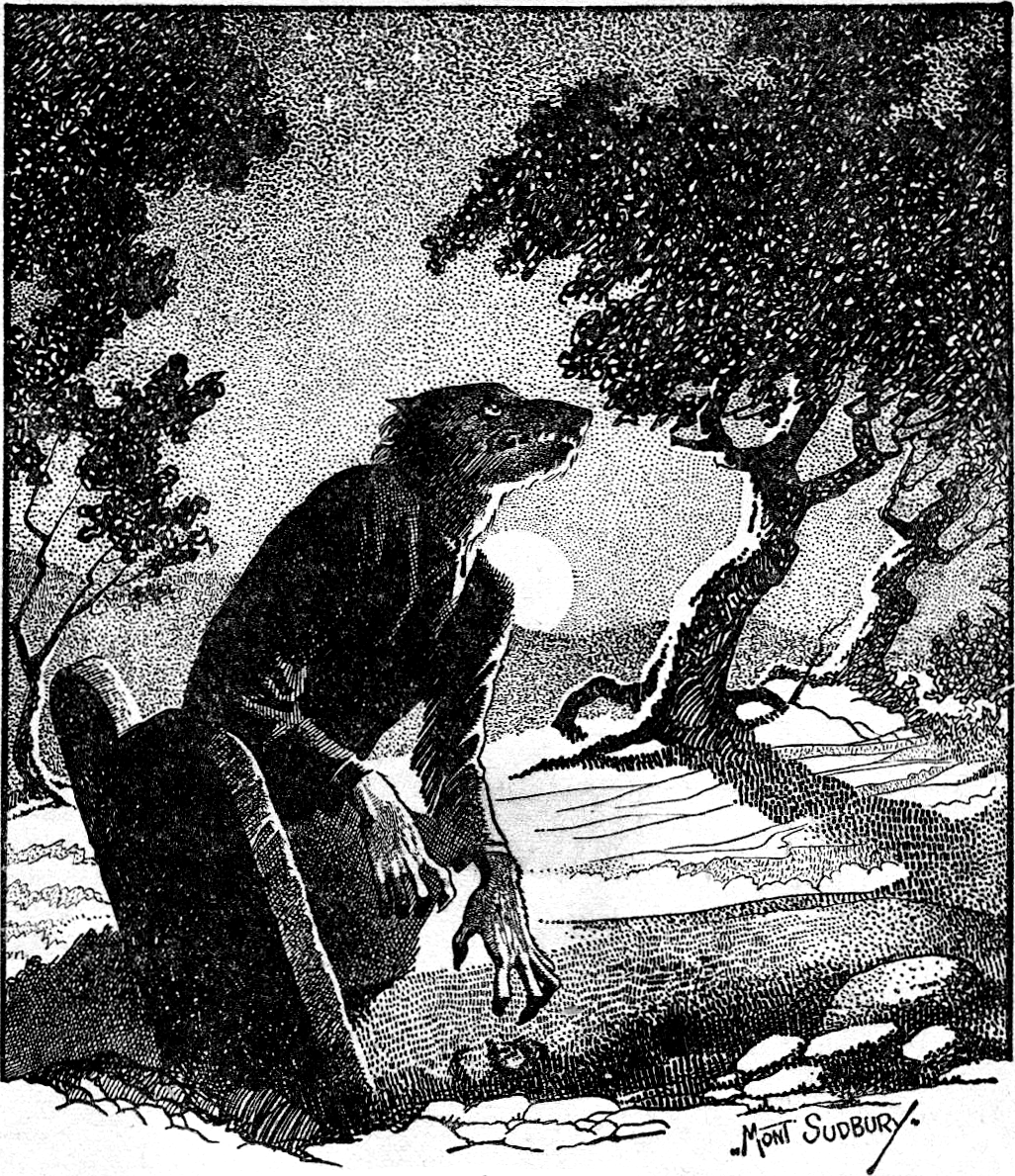 🇫🇷 France and 5 moreWerewolf
A mythical shapeshifter that turns into a wolf, central to European witch-hunts and Gothic horror.Being · Cursing and harm · Wonder and entertainment Legendary
🇫🇷 France and 5 moreWerewolf
A mythical shapeshifter that turns into a wolf, central to European witch-hunts and Gothic horror.Being · Cursing and harm · Wonder and entertainment Legendary
 🇪🇬 Egypt and 1 moreLilithלִילִית
A feminine figure from Mesopotamian and Jewish mythology, often depicted as a night demon or spirit.Being · Cursing and harm Legendary
🇪🇬 Egypt and 1 moreLilithלִילִית
A feminine figure from Mesopotamian and Jewish mythology, often depicted as a night demon or spirit.Being · Cursing and harm Legendary
 🇪🇬 EgyptCurse
A spoken wish for misfortune to befall a person or placeBelief · Cursing and harm · Luck and prosperity Historical
🇪🇬 EgyptCurse
A spoken wish for misfortune to befall a person or placeBelief · Cursing and harm · Luck and prosperity Historical