Priests and ritual specialists
Officiants of a religion who perform rites, blessings and exorcisms within it.
Priests and ritual specialists are the officiants of an organised religion who perform its blessings, protective rites and exorcisms. Many religions keep a place for what looks like magic inside the faith, such as the Hindu pandit's fire offering, the Catholic exorcist, the Tibetan lama's protection rites, the Shinto kannushi's purification, the Jewish ba'al shem and the Muslim imam reciting ruqyah. This page looks at how institutions handle power they regard as legitimate.
Rite and authority
Priestly rites are defined by tradition and lineage. A Hindu priest is born into or trained in a ritual line, a Catholic priest is ordained, a Shinto priest is trained at a recognised school. The authority comes from the institution and not from a personal gift. Priests commonly describe their work as worship and prayer, and not as magic, a distinction scholars say is often contested. The line is not the same everywhere: a rite that one tradition calls a blessing, another may call a spell.
Magic or religion
Scholars once drew a line: religion asks and magic compels. Later writers dropped the line as unworkable, since prayer, sacrifice and compulsion overlap in most traditions. The Catholic Church has a formal rite of exorcism, revised in 1999 and carried out by authorised priests, and a long tradition of blessings. Medieval Christians believed sacramental items such as holy water had power, which Protestants later rejected as superstition. They also keep records, calendars and texts, and in many societies priests were the first literate class.
Gender and exclusion
Priesthood is male in many traditions, including the Catholic and Orthodox churches and most Brahmin ritual. Women lead rites in Shinto, in Vodou and Candomblé, in Korean shaman practice, and in several Buddhist and Protestant settings. Class also shapes access: temple priests may refuse low-caste worshippers, and caste discrimination in temple access has been challenged in Indian courts. Within Christianity, the Catholic Church has had both a line of exorcists and a series of rules against selling blessings for money.
Misuse and reform
Priests have been accused of abuse in the name of deliverance, of exploiting the vulnerable for payment, and of staging miracles. Reform movements, such as the Protestant Reformation and the Arya Samaj in India, attacked priestly ritual. In many countries today, pastors in Pentecostal churches lead deliverance services that some scholars compare with older exorcism, with benefits for some and harm for others. Protestant, Salafi and modernist critics have often opposed ritual specialists as intermediaries who stand between a person and God.
Priests and ritual specialists on EveryJaadu
The entries written up so far, best known first.
 🇮🇳 India and 2 moreHomaहोम
A fire ritual found across Asian religions where offerings are burned as a votive exchange with the divine.Rite · Protection · Speaking with spirits and the dead Living
🇮🇳 India and 2 moreHomaहोम
A fire ritual found across Asian religions where offerings are burned as a votive exchange with the divine.Rite · Protection · Speaking with spirits and the dead Living
 🇪🇬 Egypt and 4 moreAnimal sacrifice
The ritual killing of livestock or wild animals as an offering to deitiesRite · Speaking with spirits and the dead · Power and authority Historical
🇪🇬 Egypt and 4 moreAnimal sacrifice
The ritual killing of livestock or wild animals as an offering to deitiesRite · Speaking with spirits and the dead · Power and authority Historical
 🇮🇹 ItalyLectisternium
An ancient Roman ritual where couches were draped and meals served to gods.Rite · Protection · Speaking with spirits and the dead Historical
🇮🇹 ItalyLectisternium
An ancient Roman ritual where couches were draped and meals served to gods.Rite · Protection · Speaking with spirits and the dead Historical
 🇲🇳 Mongolia and 2 moreMongolian shamanismBöö mörgöl
The animistic and shamanic ethnic religion of the Mongol peoples, centered on sky worship and ancestral spirits.Tradition · Protection · Healing Living
🇲🇳 Mongolia and 2 moreMongolian shamanismBöö mörgöl
The animistic and shamanic ethnic religion of the Mongol peoples, centered on sky worship and ancestral spirits.Tradition · Protection · Healing Living
 🇯🇵 JapanKagura神楽
A Shinto ritual dance where performers embody deities to purify and welcome spiritsTradition · Protection · Speaking with spirits and the dead Living
🇯🇵 JapanKagura神楽
A Shinto ritual dance where performers embody deities to purify and welcome spiritsTradition · Protection · Speaking with spirits and the dead Living
 🇨🇳 China and 1 moreAncestor veneration in China中國傳統宗法性宗教
Rites for dead kin who are thought to watch over the familyTradition · Protection · Speaking with spirits and the dead Living
🇨🇳 China and 1 moreAncestor veneration in China中國傳統宗法性宗教
Rites for dead kin who are thought to watch over the familyTradition · Protection · Speaking with spirits and the dead Living
 🇮🇳 IndiaNechung Oracleགནས་ཆུང་ཏ་བླ་མ
The official prophetic medium and spiritual advisor to Tibet's Dalai LamaOracle · Seeing and foretelling · Protection Living
🇮🇳 IndiaNechung Oracleགནས་ཆུང་ཏ་བླ་མ
The official prophetic medium and spiritual advisor to Tibet's Dalai LamaOracle · Seeing and foretelling · Protection Living
 🇪🇸 Spain and 5 moreSt John's Eve
A Christian vigil marked by bonfires and plant gathering on the summer solstice eveRite · Protection · Speaking with spirits and the dead Living
🇪🇸 Spain and 5 moreSt John's Eve
A Christian vigil marked by bonfires and plant gathering on the summer solstice eveRite · Protection · Speaking with spirits and the dead Living
 🇪🇬 Egypt and 2 moreLibation
The ritual pouring of liquid as an offering to spirits or the deadRite · Speaking with spirits and the dead · Protection Living
🇪🇬 Egypt and 2 moreLibation
The ritual pouring of liquid as an offering to spirits or the deadRite · Speaking with spirits and the dead · Protection Living
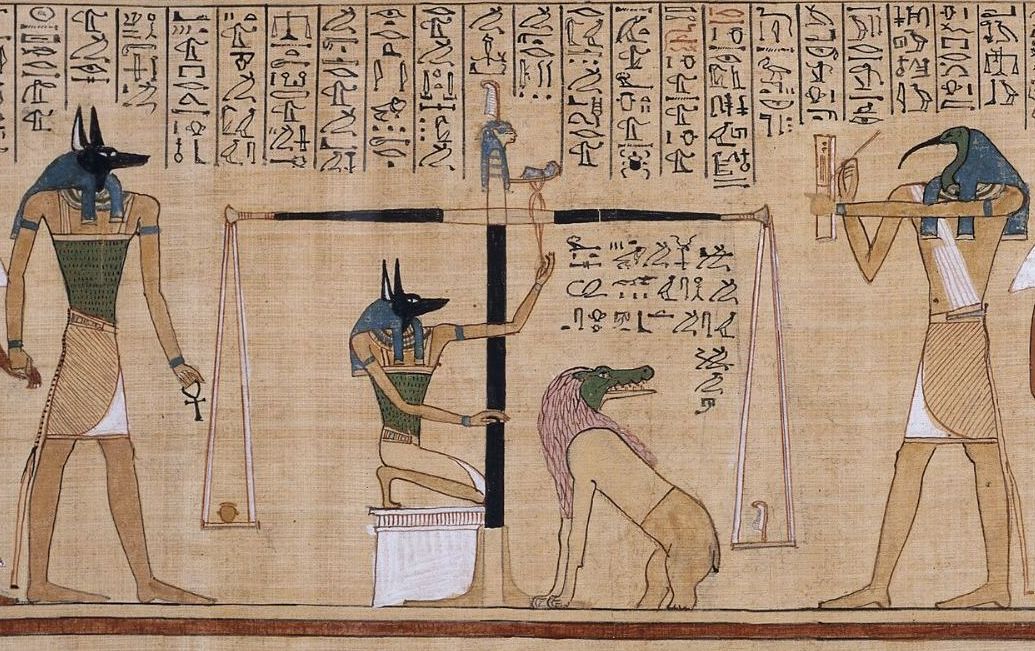 🇪🇬 EgyptAncient Egyptian afterlife beliefs
A system of rituals and texts guiding the soul through the underworld to eternal rebirthTradition · Protection · Speaking with spirits and the dead Historical
🇪🇬 EgyptAncient Egyptian afterlife beliefs
A system of rituals and texts guiding the soul through the underworld to eternal rebirthTradition · Protection · Speaking with spirits and the dead Historical
 🇮🇳 India and 5 moreAncestor worship
Rites of respect for the dead that maintain family bonds and seek spiritual guidanceTradition · Protection · Speaking with spirits and the dead Living
🇮🇳 India and 5 moreAncestor worship
Rites of respect for the dead that maintain family bonds and seek spiritual guidanceTradition · Protection · Speaking with spirits and the dead Living
 🇪🇬 Egypt and 5 moreSacred dance
Movement used in worship to honour deities, heal communities, or connect with the spirit world.Tradition · Protection · Healing Living
🇪🇬 Egypt and 5 moreSacred dance
Movement used in worship to honour deities, heal communities, or connect with the spirit world.Tradition · Protection · Healing Living
 🇨🇭 SwitzerlandMagic circle
A ritual boundary drawn or visualised to create sacred space and protectionTradition · Protection · Speaking with spirits and the dead Living
🇨🇭 SwitzerlandMagic circle
A ritual boundary drawn or visualised to create sacred space and protectionTradition · Protection · Speaking with spirits and the dead Living
 🇧🇷 Brazil and 5 moreSanto Daime
A Brazilian syncretic religion using ayahuasca for spiritual work and healingTradition · Healing · Speaking with spirits and the dead Living
🇱🇰 Sri Lanka and 2 moreParittaපිරිත් (Sinhala), ปริตร (Thai), ပရိတ် (Burmese)
Pali verses recited in Theravada Buddhism for protection and blessingsText · Protection · Healing Living
🇧🇷 Brazil and 5 moreSanto Daime
A Brazilian syncretic religion using ayahuasca for spiritual work and healingTradition · Healing · Speaking with spirits and the dead Living
🇱🇰 Sri Lanka and 2 moreParittaපිරිත් (Sinhala), ปริตร (Thai), ပရိတ် (Burmese)
Pali verses recited in Theravada Buddhism for protection and blessingsText · Protection · Healing Living
 🇪🇬 Egypt and 1 moreAncient Egyptian religion
Polytheistic worship, divine kingship, and funerary rites along the NileTradition · Protection · Speaking with spirits and the dead Historical
🇪🇬 Egypt and 1 moreAncient Egyptian religion
Polytheistic worship, divine kingship, and funerary rites along the NileTradition · Protection · Speaking with spirits and the dead Historical
 🇮🇪 Ireland and 4 moreWinter solstice
The shortest day and longest night of the year, marked by rites of solar returnTradition · Seeing and foretelling · Protection Living
🇮🇪 Ireland and 4 moreWinter solstice
The shortest day and longest night of the year, marked by rites of solar returnTradition · Seeing and foretelling · Protection Living
 🇱🇦 Laos and 3 moreTai folk religionສາສະໜາຜີ
Spirits, ancestor rites, and soul-calling ceremonies of the Tai peoplesTradition · Protection · Healing Living
🇱🇦 Laos and 3 moreTai folk religionສາສະໜາຜີ
Spirits, ancestor rites, and soul-calling ceremonies of the Tai peoplesTradition · Protection · Healing Living
 🇮🇱 Israel and 1 moreOrdeal of the bitter waterמֵי הַמָּרִים (mei ha-marim)
A biblical test for a wife accused of adultery when no witnesses are present.Rite · Cursing and harm · Protection Historical
🇳🇵 Nepal and 3 moreGurung ShamanismTamu Cho
The ancient shamanic beliefs and rituals of the Gurung people in NepalTradition · Protection · Speaking with spirits and the dead Living
🇮🇱 Israel and 1 moreOrdeal of the bitter waterמֵי הַמָּרִים (mei ha-marim)
A biblical test for a wife accused of adultery when no witnesses are present.Rite · Cursing and harm · Protection Historical
🇳🇵 Nepal and 3 moreGurung ShamanismTamu Cho
The ancient shamanic beliefs and rituals of the Gurung people in NepalTradition · Protection · Speaking with spirits and the dead Living
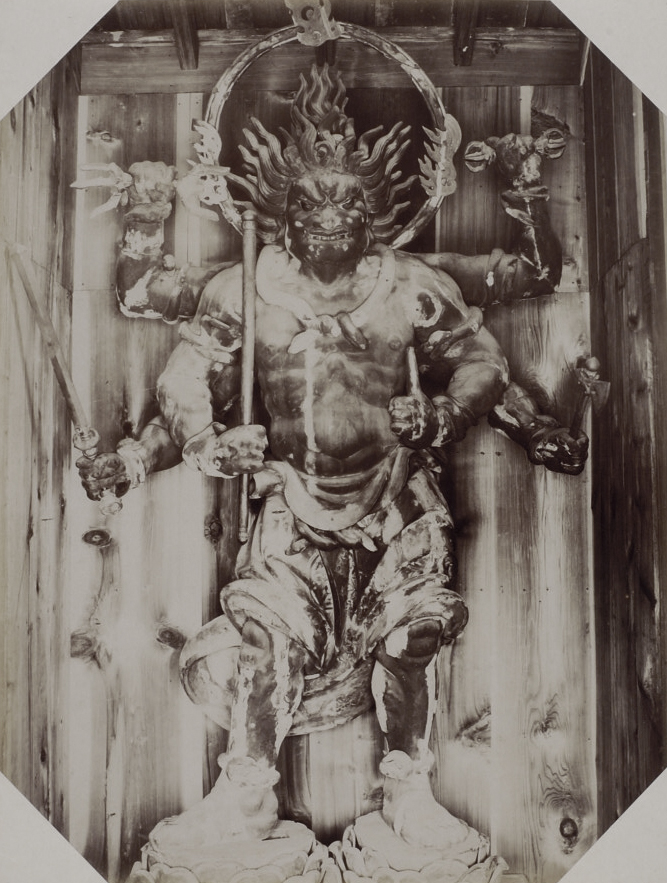 🇯🇵 JapanDaigensuihō大元帥法
An Esoteric Shingon Buddhist rite for military defense and cursing enemiesRite · Cursing and harm · Protection Historical
🇸🇾 Syria and 5 moreInsufflation
A ritual breath used in Christian rites to drive out evil or invite the spirit.Rite · Protection · Speaking with spirits and the dead Historical
🇯🇵 JapanDaigensuihō大元帥法
An Esoteric Shingon Buddhist rite for military defense and cursing enemiesRite · Cursing and harm · Protection Historical
🇸🇾 Syria and 5 moreInsufflation
A ritual breath used in Christian rites to drive out evil or invite the spirit.Rite · Protection · Speaking with spirits and the dead Historical
Photo credits on this page
The small pictures above come from Wikimedia Commons under free licences. Some are cropped to fit.
- St John's Eve: Jules Breton, Public domain, source
- Animal sacrifice: Wilfredor, CC0, source
- Lectisternium: Classical Numismatic Group (CNG), Inc., www.cngcoins.com, CC BY-SA 3.0, source
- Ordeal of the bitter water: Charadron, CC BY-SA 4.0, source
- Libation: Arkady Zarubin ( Аркадий Зарубин ), CC BY-SA 3.0, source
- Tai folk religion: ( เทวประภาส มากคล้าย ), Tevaprapas, Public domain, source
- Ancient Egyptian afterlife beliefs: Hunefer, Public domain, source
- Ancestor worship: Lyn Gateley, CC BY 2.0, source
- Sacred dance: Jorge Barrios, CC BY-SA 3.0, source
- Magic circle: John William Waterhouse, Public domain, source
- Santo Daime: Tonelada, CC BY-SA 3.0, source
- Ancient Egyptian religion: Moh hakem, CC BY-SA 4.0, source
- Winter solstice: Image by Przemyslaw " Blueshade " Idzkiewicz, CC BY-SA 2.0, source
- Mongolian shamanism: Enrique Bendicho, CC BY-SA 4.0, source
- Kagura: Elstner Hilton, Public domain, source
- Ancestor veneration in China: Three huntings, CC BY-SA 4.0, source
- Nechung Oracle: Christopher Michel, CC BY 2.0, source
- Daigensuihō: Kamakura-period artist; photo by Kudo Risaburo (工藤利三郎), Public domain, source
- Homa: Vyacheslav Argenberg, CC BY 4.0, source