
Lectisternium
from Latin lectum sternere, meaning to spread a couch
An ancient Roman ritual where couches were draped and meals served to gods.
The lectisternium was an ancient Roman ceremony where a meal was offered to deities. Divine images were placed on reclining couches while food was served before them. It began as an emergency rite during plagues and military defeats, later becoming a regular practice in temples.
- First recorded in 399 BC after a pestilence.
- Divine images reclined on draped couches.
- Priests consulted Sibylline Books to authorize rites.
- Goddesses received chairs in the Imperial era.
- Likely originated from Greek theoxenia traditions.
What it is
The lectisternium was an ancient Roman ceremony where a meal was offered to deities. Divine images, such as busts or portable figures, were placed on couches draped with fabric. The figures rested their arms on cushions, appearing to recline and eat. Food was served on tables before the couches. This ritual aimed to secure favor from the gods.
Where it comes from
The practice likely originated in Greece, resembling the theoxenia where gods hosted humans. The custom of reclining at meals was also Greek. Some scholars suggest an Etruscan origin, linking it to the Sibylline Books. The first recorded instance in Rome occurred in 399 BC following a plague.
How it is done
Priests prepared couches by draping them with cloth. Divine images were laid upon them, sometimes accompanied by sacred objects like triumph wreaths. Each couch typically held a pair of deities. In the Imperial era, goddesses received chairs instead of couches, creating a sellisternium. Meals were served on tables positioned before the reclining figures.
Tools and materials
The ritual used couches called lecti, draped in fabric. Divine representations included bronze, wax, or marble heads on wooden bodies, or bundles of herbs covered by masks. Cushions supported the arms of the figures. Tables held the food offerings intended for the guests.
Lectisternium, drawn and placed
- Living
- Revived
- Fading
- Historical
- Legendary
- Performed
- Lineage
- Ancient Roman religion
- Timing
- during crises, festivals, or daily in temples
What it is for
The ceremony aimed to propitiate the gods during emergencies like plagues or military defeats. It sought to banish sorrow and restore peace. Citizens kept open houses and released prisoners to foster goodwill. Later, it became a way to honor deities regularly or celebrate military victories.
Who does it
The ritual was overseen by the duumviri sacris faciundis, priestly officials who consulted the Sibylline Books. They determined when the ceremony was necessary. Ordinary citizens participated by keeping their homes open and forgiving debts. The priests managed the arrangement of the divine guests.
Peoples and places
The practice belonged to ancient Roman culture. It evolved over centuries, incorporating foreign deities like Apollo and Cybele. The ritual adapted to Roman social customs, such as the shift to chairs for women in the Imperial period. It remained a central part of Roman public worship until the rise of Christianity.
At a glance: who, where and when
Who does it
Peoples
Belief worlds
Occasions

What people believe
Romans believed the gods could accept physical hospitality through their images. The reclining posture suggested the deities were dining alongside humans. The ritual acknowledged foreign influences, particularly Greek customs regarding guest-friendship. It reflected a worldview where maintaining good relations with the divine ensured civic safety.
When it is done
Initially held only during crises, such as the plague of 399 BC or the defeat at Lake Trasimene. It was also performed during triumphs and religious festivals. Over time, it became a daily occurrence in various temples. The timing depended on omens and priestly decisions rather than fixed dates.
How scholars and sceptics see it
Historians like Livy documented the early ceremonies. Scholars debate whether the roots are Greek or Etruscan. Research highlights the connection to the Sibylline Books and their role in authorizing the rites. Studies also examine the transition from couches to chairs for goddesses, noting changes in Roman social norms.
Cautions and what is closed
The text does not mention specific cautions or risks associated with the ritual itself.
Compare and confuse
The lectisternium is similar to the Greek theoxenia but reverses the roles of host and guest. It differs from the epulum Jovis, where goddesses sat on chairs while men reclined. The sellisternium was a later variation using chairs for all female deities.
Today
The ritual exists as a historical record of Roman religion. It illustrates the integration of Greek customs into Roman worship. Modern scholars study it to understand ancient propitiation and public piety.
Questions people ask about Lectisternium
What is a lectisternium?
It is an ancient Roman ritual where a meal was offered to gods. Divine images were placed on couches to appear as guests.
When was it first held?
The first recorded instance was in 399 BC following a plague in Rome.
Who organized the ceremony?
Priestly officials known as the duumviri sacris faciundis managed the ritual.
How did it differ from Greek rituals?
While similar to Greek theoxenia, the Romans hosted the gods rather than being hosted by them.
Good reading and sources
The facts on this page come from the Wikipedia article "Lectisternium", written by its contributors and used under the CC BY-SA 4.0 licence, and from its Wikidata record (CC0). EveryJaadu rewrote the text in its own words, with AI assistance, and compares every page with the article to make sure no passage is copied. It may be reused under the same CC BY-SA 4.0 licence with a link back.
It may contain mistakes. Names and customs differ from one community to the next, and some knowledge is closed to outsiders and left out here. This page describes belief and practice. It does not say that any of it works, it is not a how-to, and it is not medical advice. If something is wrong, tell us. Last refreshed 2026-10-05.
More from Italy
All the entries from Italy 🇮🇪 Ireland and 5 moreBonfire
A large outdoor fire used in seasonal festivals and religious feasts across many culturesRite · Cleansing and purification · Speaking with spirits and the dead Living
🇮🇪 Ireland and 5 moreBonfire
A large outdoor fire used in seasonal festivals and religious feasts across many culturesRite · Cleansing and purification · Speaking with spirits and the dead Living
 🇩🇪 Germany and 5 moreMaypoleMaibaum
A tall wooden pole raised for European spring festivals, accompanied by dance and celebration.Tradition · Luck and prosperity · Love and attraction Living
🇩🇪 Germany and 5 moreMaypoleMaibaum
A tall wooden pole raised for European spring festivals, accompanied by dance and celebration.Tradition · Luck and prosperity · Love and attraction Living
 🇮🇪 Ireland and 4 moreTrial by combat
A medieval legal practice where two disputants fought to settle a caseRite · Cursing and harm Historical
🇮🇹 ItalyLemuriaLemuralia
An ancient Roman festival to send restless ghosts away from the homeRite · Cleansing and purification · Speaking with spirits and the dead Historical
🇮🇪 Ireland and 4 moreTrial by combat
A medieval legal practice where two disputants fought to settle a caseRite · Cursing and harm Historical
🇮🇹 ItalyLemuriaLemuralia
An ancient Roman festival to send restless ghosts away from the homeRite · Cleansing and purification · Speaking with spirits and the dead Historical
Related elsewhere
All rite 🇮🇳 India and 2 moreHomaहोम
A fire ritual found across Asian religions where offerings are burned as a votive exchange with the divine.Rite · Protection · Speaking with spirits and the dead Living
🇳🇿 New ZealandKarakia
Māori recitations used for spiritual guidance, protection, and formal greetingsTradition · Protection · Speaking with spirits and the dead Living
🇮🇳 India and 2 moreHomaहोम
A fire ritual found across Asian religions where offerings are burned as a votive exchange with the divine.Rite · Protection · Speaking with spirits and the dead Living
🇳🇿 New ZealandKarakia
Māori recitations used for spiritual guidance, protection, and formal greetingsTradition · Protection · Speaking with spirits and the dead Living
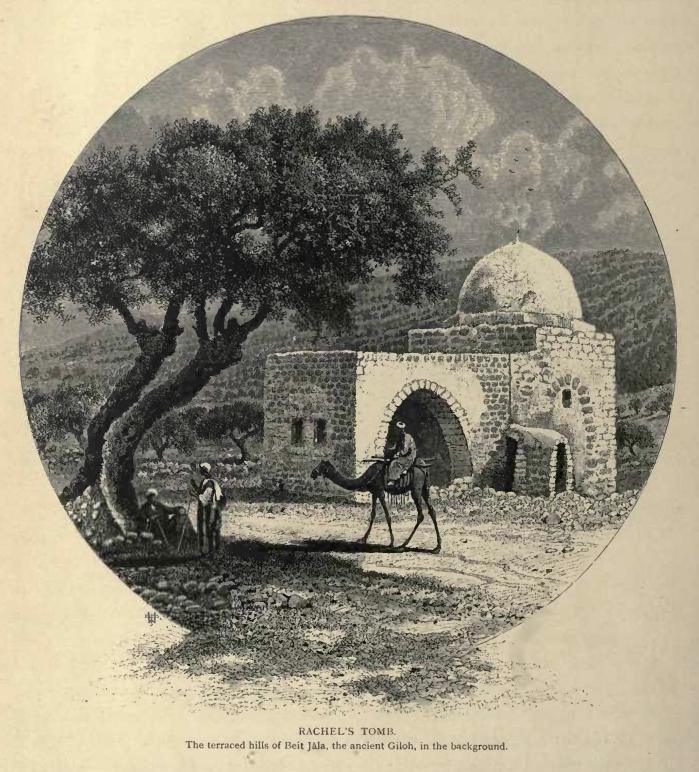 🇵🇸 Palestine and 1 moreRachel's TombQever Raḥel; Qabr Rāḥīl
A shared holy site near Bethlehem revered by Jews, Christians, and MuslimsTradition · Speaking with spirits and the dead · Protection Living
🇨🇳 China and 4 moreKitchen God灶君
The Chinese hearth deity who reports domestic conduct to the Jade EmperorBeing · Protection · Luck and prosperity Living
🇵🇸 Palestine and 1 moreRachel's TombQever Raḥel; Qabr Rāḥīl
A shared holy site near Bethlehem revered by Jews, Christians, and MuslimsTradition · Speaking with spirits and the dead · Protection Living
🇨🇳 China and 4 moreKitchen God灶君
The Chinese hearth deity who reports domestic conduct to the Jade EmperorBeing · Protection · Luck and prosperity Living