Households and ordinary people
Grandmothers, parents and neighbours doing the small things: the knot, the salt, the red thread.
Households and ordinary people do most of the world's magic: the grandmother who ties a thread on a baby's wrist, the neighbour who throws salt, the shopkeeper who hangs a lemon and chillies, the family that burns incense before a photograph. These people are not specialists and often do not call it magic. This page looks at the domestic side of the subject, which is the commonest and least written about.
Everyday customs
Household practice is woven into daily life: sweeping at new year, a bead on a cradle, a horseshoe over a door, a charm in a car. It tends to be practical, brief and handed down within the family. Many people say they do it because their mother did, or to be safe. It rarely needs a priest, a text or a fee. The hands that do it are those of mothers and grandmothers, who also cook, clean and care, so the magic is part of the labour of the home.
Women and the home
Women are the principal keepers of household custom in many societies, as mothers, grandmothers and aunts. Their knowledge covers birth, child care, food, illness, marriage and death. That knowledge is often undervalued by the formal religion and by scholars, and was also the source of accusations in the witch trials, in which women who were midwives or healers were prominent. A household custom is learned by watching and may never be explained, since the practitioner does not see it as special.
Faith and the home
Religious leaders have seen household custom as faith, as superstition or as a nuisance. Reformers in Protestant Europe, Salafi Islam and some Hindu and Buddhist movements have told people to give up such practices. Many people keep them regardless. In the diaspora, the home customs are sometimes the part of heritage that lasts longest, and are carried to new countries in suitcases. In cities, small shrines, protective charms and everyday rituals often survive in apartments, taxis and shops.
Why scholars care
Anthropologists of everyday religion and folklorists record these customs as evidence of how people manage risk. They show how belief and practice differ, since people may say they do not believe and still knock on wood. Household magic is also the easiest to commercialise, in shops selling charms and kits that detach customs from their homes. A new student or visitor may find that families who say they do not believe still follow such customs carefully, and this gap is one of the more interesting findings.
Households and ordinary people on EveryJaadu
The entries written up so far, best known first.
 🇪🇬 Egypt and 2 moreAmunjmn (Old/Middle Egyptian); Amoun (Coptic)
The hidden creator god of ancient Egypt, later fused with the sun deity Ra.Being · Power and authority · Protection Historical
🇮🇶 IraqKispu
An ancient Mesopotamian ritual to feed and honour the dead ancestorsRite · Speaking with spirits and the dead · Protection Historical
🇪🇬 Egypt and 2 moreAmunjmn (Old/Middle Egyptian); Amoun (Coptic)
The hidden creator god of ancient Egypt, later fused with the sun deity Ra.Being · Power and authority · Protection Historical
🇮🇶 IraqKispu
An ancient Mesopotamian ritual to feed and honour the dead ancestorsRite · Speaking with spirits and the dead · Protection Historical
 🇮🇹 ItalyFortunaFortūna
The Roman goddess of luck and fate, shown with a wheel and a horn of plentyBeing · Luck and prosperity · Seeing and foretelling Historical
🇮🇹 ItalyFortunaFortūna
The Roman goddess of luck and fate, shown with a wheel and a horn of plentyBeing · Luck and prosperity · Seeing and foretelling Historical
 🇪🇬 Egypt and 1 moreEye of Horuswḏꜣt
A stylized eye symbol in ancient Egypt representing healing and cosmic orderCharm · Protection · Healing Historical
🇵🇪 Peru and 1 moreSupay
An Andean spirit of the underworld who balances life and death forcesBeing · Cursing and harm · Protection Historical
🇪🇬 Egypt and 1 moreEye of Horuswḏꜣt
A stylized eye symbol in ancient Egypt representing healing and cosmic orderCharm · Protection · Healing Historical
🇵🇪 Peru and 1 moreSupay
An Andean spirit of the underworld who balances life and death forcesBeing · Cursing and harm · Protection Historical
 🇳🇴 NorwaySami religion
The animist and polytheistic beliefs of the Sámi people across northern ScandinaviaTradition · Protection · Luck and prosperity Historical
🇳🇴 NorwaySami religion
The animist and polytheistic beliefs of the Sámi people across northern ScandinaviaTradition · Protection · Luck and prosperity Historical
 🇪🇬 Egypt and 5 moreTalisman
An object believed to channel specific forces for protection, healing, or influence.Charm · Protection · Healing Historical
🇪🇬 Egypt and 5 moreTalisman
An object believed to channel specific forces for protection, healing, or influence.Charm · Protection · Healing Historical
 🇺🇸 United StatesFolk healer
An unlicensed community member who provides healing care using local plants and traditional knowledge.Tradition · Healing · Protection Historical
🇺🇸 United StatesFolk healer
An unlicensed community member who provides healing care using local plants and traditional knowledge.Tradition · Healing · Protection Historical
 🇸🇪 Sweden and 2 moreDísdísir
Female spirits of fate and protection in Norse traditionBeing · Protection · Luck and prosperity Historical
🇸🇪 Sweden and 2 moreDísdísir
Female spirits of fate and protection in Norse traditionBeing · Protection · Luck and prosperity Historical
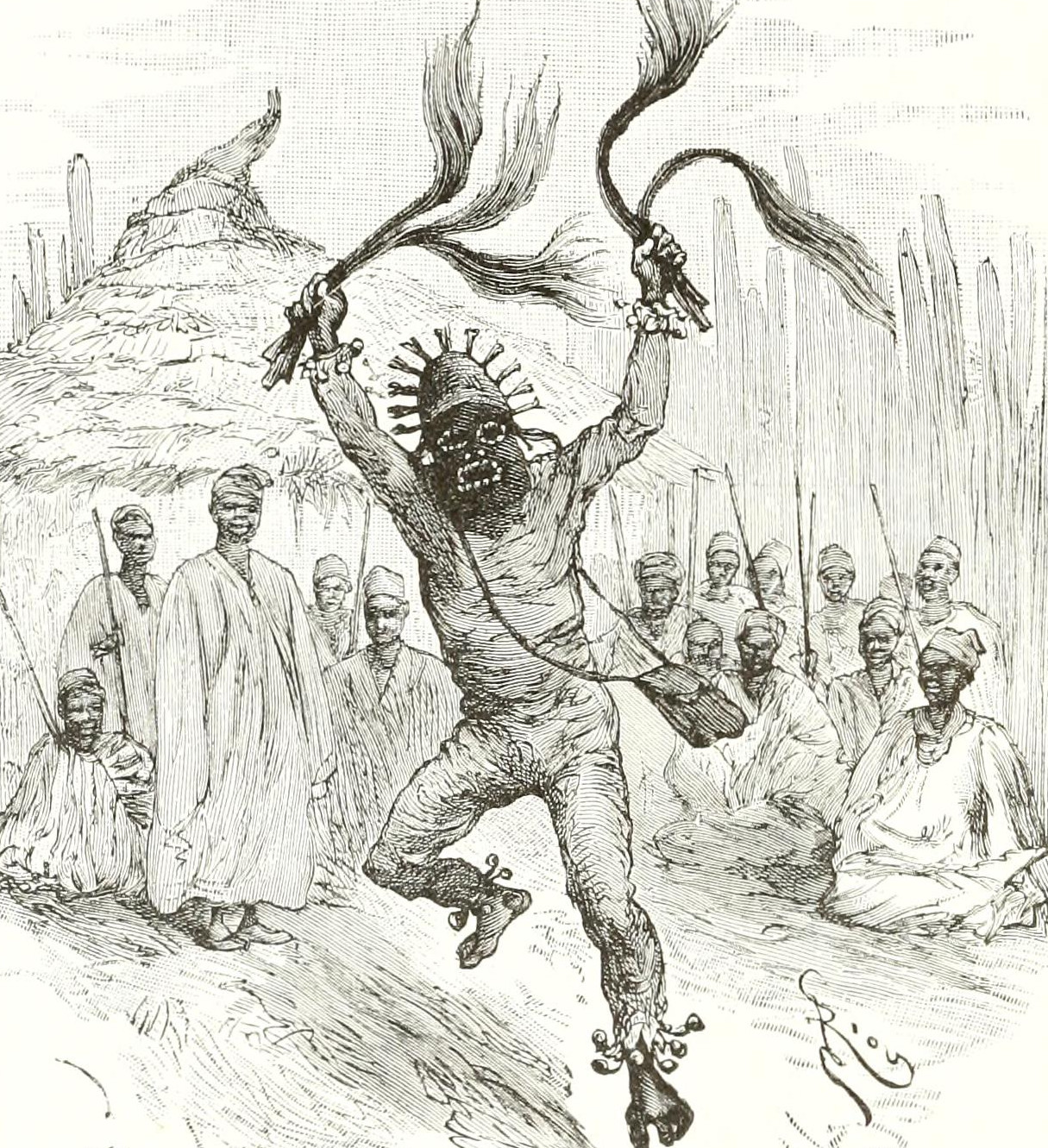 🇺🇸 United States and 2 moreLouisiana Voodoo
An African diasporic religion practiced in Louisiana from the 18th to early 20th centuriesTradition · Healing · Protection Historical
🇺🇸 United States and 2 moreLouisiana Voodoo
An African diasporic religion practiced in Louisiana from the 18th to early 20th centuriesTradition · Healing · Protection Historical
 🇮🇶 Iraq and 5 moreGrimoire
A textbook containing instructions for spells, rituals, and the creation of magical objects.Text · Protection · Healing Historical
🇮🇶 Iraq and 5 moreGrimoire
A textbook containing instructions for spells, rituals, and the creation of magical objects.Text · Protection · Healing Historical
 🇬🇧 United Kingdom and 2 moreWitch bottle
A container filled with personal items and sharp objects to trap harmful magicCharm · Protection · Cursing and harm Historical
🇬🇧 United Kingdom and 2 moreWitch bottle
A container filled with personal items and sharp objects to trap harmful magicCharm · Protection · Cursing and harm Historical
 🇷🇺 Russia and 2 moreCaul
A birth membrane kept as a talisman for luck and protection from drowningCharm · Protection · Luck and prosperity Historical
🇷🇺 Russia and 2 moreCaul
A birth membrane kept as a talisman for luck and protection from drowningCharm · Protection · Luck and prosperity Historical
 🇪🇬 EgyptScarab
A carved beetle amulet and seal used in ancient Egypt for protection, identity, and ritual.Charm · Protection · Luck and prosperity Historical
🇪🇬 EgyptScarab
A carved beetle amulet and seal used in ancient Egypt for protection, identity, and ritual.Charm · Protection · Luck and prosperity Historical
 🇮🇳 India and 1 moreHeliotrope
A green and red mineral stone used as an amulet for health, invisibility, and courage.Charm · Protection · Healing Historical
🇮🇳 India and 1 moreHeliotrope
A green and red mineral stone used as an amulet for health, invisibility, and courage.Charm · Protection · Healing Historical
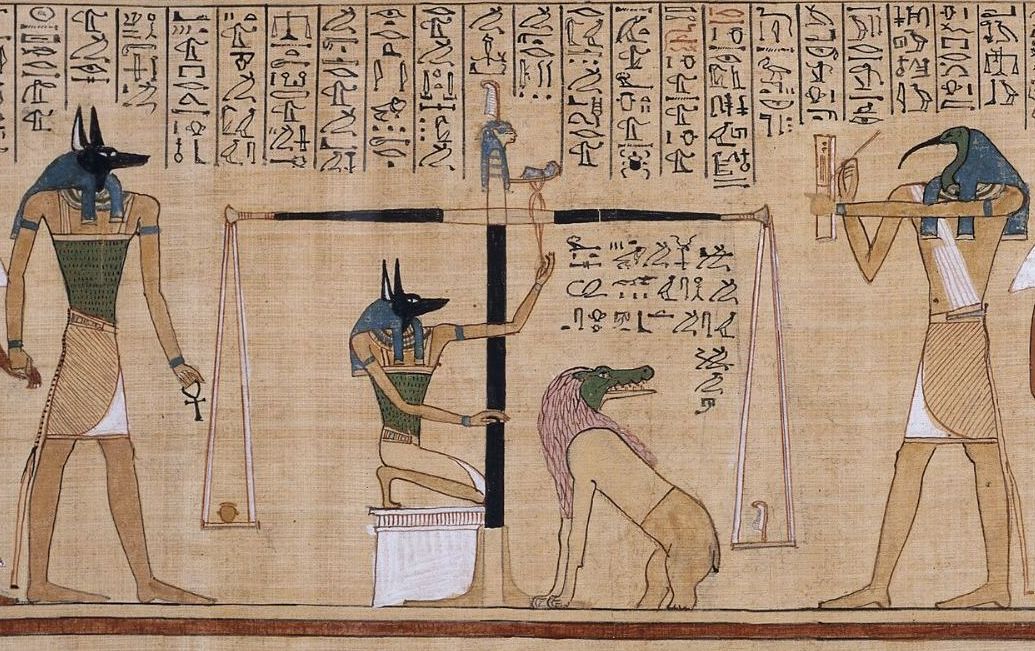 🇪🇬 EgyptAncient Egyptian afterlife beliefs
A system of rituals and texts guiding the soul through the underworld to eternal rebirthTradition · Protection · Speaking with spirits and the dead Historical
🇪🇬 EgyptAncient Egyptian afterlife beliefs
A system of rituals and texts guiding the soul through the underworld to eternal rebirthTradition · Protection · Speaking with spirits and the dead Historical
 🇩🇪 Germany and 4 moreNeed-fireNotfeuer
A ritual fire lit by friction to protect livestock and people from disease and witchcraftRite · Protection · Cleansing and purification Historical
🇩🇪 Germany and 4 moreNeed-fireNotfeuer
A ritual fire lit by friction to protect livestock and people from disease and witchcraftRite · Protection · Cleansing and purification Historical
 🇲🇽 MexicoAztec religion
The polytheistic and monistic belief system of the Aztec Empire in central MexicoTradition · Protection · Luck and prosperity Historical
🇲🇽 MexicoAztec religion
The polytheistic and monistic belief system of the Aztec Empire in central MexicoTradition · Protection · Luck and prosperity Historical
 🇷🇺 Russia and 2 moreDomovoyДомовой
A household spirit in Slavic folklore that guards the family and home.Being · Protection · Seeing and foretelling Historical
🇬🇧 United Kingdom and 1 moreKnocker
A mine spirit of Cornwall and Devon that warns of danger and plays tricks on workersBeing · Protection · Luck and prosperity Historical
🇷🇺 Russia and 2 moreDomovoyДомовой
A household spirit in Slavic folklore that guards the family and home.Being · Protection · Seeing and foretelling Historical
🇬🇧 United Kingdom and 1 moreKnocker
A mine spirit of Cornwall and Devon that warns of danger and plays tricks on workersBeing · Protection · Luck and prosperity Historical
 🇪🇬 Egypt and 1 moreAncient Egyptian religion
Polytheistic worship, divine kingship, and funerary rites along the NileTradition · Protection · Speaking with spirits and the dead Historical
🇪🇬 Egypt and 1 moreAncient Egyptian religion
Polytheistic worship, divine kingship, and funerary rites along the NileTradition · Protection · Speaking with spirits and the dead Historical
 🇬🇧 United Kingdom and 5 moreConcealed shoes
Shoes hidden in building structures as folk charms for protection and fertilityCharm · Protection · Speaking with spirits and the dead Historical
🇬🇧 United Kingdom and 5 moreConcealed shoes
Shoes hidden in building structures as folk charms for protection and fertilityCharm · Protection · Speaking with spirits and the dead Historical
 🇬🇷 Greece and 1 moreHecateἙκάτη
A Greek goddess of magic, crossroads, and the moon, often shown in three forms.Being · Protection · Power and authority Historical
🇬🇷 Greece and 1 moreHecateἙκάτη
A Greek goddess of magic, crossroads, and the moon, often shown in three forms.Being · Protection · Power and authority Historical
 🇮🇶 Iraq and 1 moreLamassu𒀭𒆗 (dlamma)
A Mesopotamian guardian spirit, a winged bull with a human head, set to watch the gatesBeing · Protection · Power and authority Historical
🇮🇶 Iraq and 1 moreLamassu𒀭𒆗 (dlamma)
A Mesopotamian guardian spirit, a winged bull with a human head, set to watch the gatesBeing · Protection · Power and authority Historical
 🇪🇬 Egypt and 1 moreFoundation deposit
Ritual burial of objects under buildings to protect them from ruinRite · Protection Historical
🇪🇬 Egypt and 1 moreFoundation deposit
Ritual burial of objects under buildings to protect them from ruinRite · Protection Historical
 🇪🇬 EgyptWadjetwꜢḏyt
The green cobra goddess who protected Lower Egypt and the pharaohs.Being · Protection · Power and authority Historical
🇪🇬 EgyptWadjetwꜢḏyt
The green cobra goddess who protected Lower Egypt and the pharaohs.Being · Protection · Power and authority Historical
 🇬🇧 United KingdomWitch ball
A glass sphere hung in windows to trap spirits and ward off evilCharm · Protection Historical
🇬🇧 United KingdomWitch ball
A glass sphere hung in windows to trap spirits and ward off evilCharm · Protection Historical
 🇬🇷 Greece and 1 moreCapnomancy
Divination by reading the shapes and movements of smoke from fires or incenseOracle · Seeing and foretelling · Protection Historical
🇬🇷 Greece and 1 moreCapnomancy
Divination by reading the shapes and movements of smoke from fires or incenseOracle · Seeing and foretelling · Protection Historical
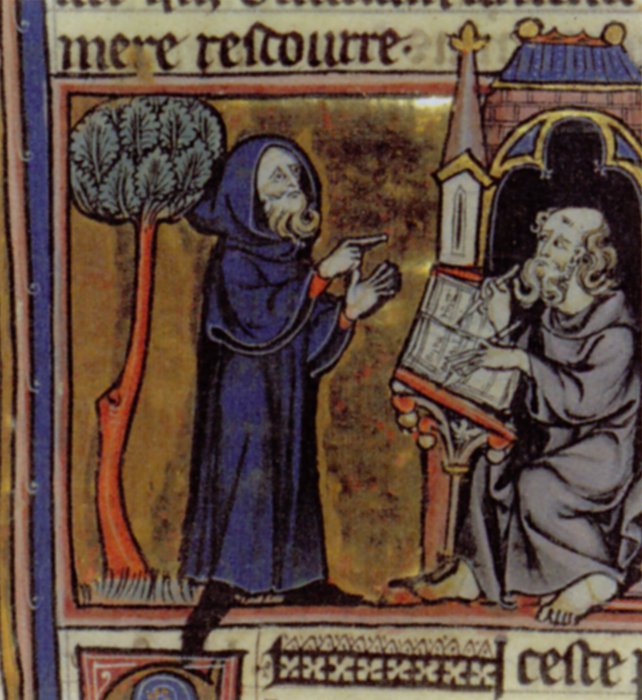 🇮🇹 Italy and 1 moreMedieval European magic
A broad category of ritual and natural practices in the Middle Ages, blending healing, divination, and religious belief.Tradition · Healing · Seeing and foretelling Historical
🇮🇹 Italy and 1 moreMedieval European magic
A broad category of ritual and natural practices in the Middle Ages, blending healing, divination, and religious belief.Tradition · Healing · Seeing and foretelling Historical
 🇮🇶 Iraq and 1 morePazuzu𒀭𒅆𒊒𒍪𒍪 (pà.zu.zu)
A Mesopotamian wind demon and protective amulet against child-harming spiritsBeing · Protection · Cursing and harm Historical
🇮🇶 Iraq and 1 morePazuzu𒀭𒅆𒊒𒍪𒍪 (pà.zu.zu)
A Mesopotamian wind demon and protective amulet against child-harming spiritsBeing · Protection · Cursing and harm Historical
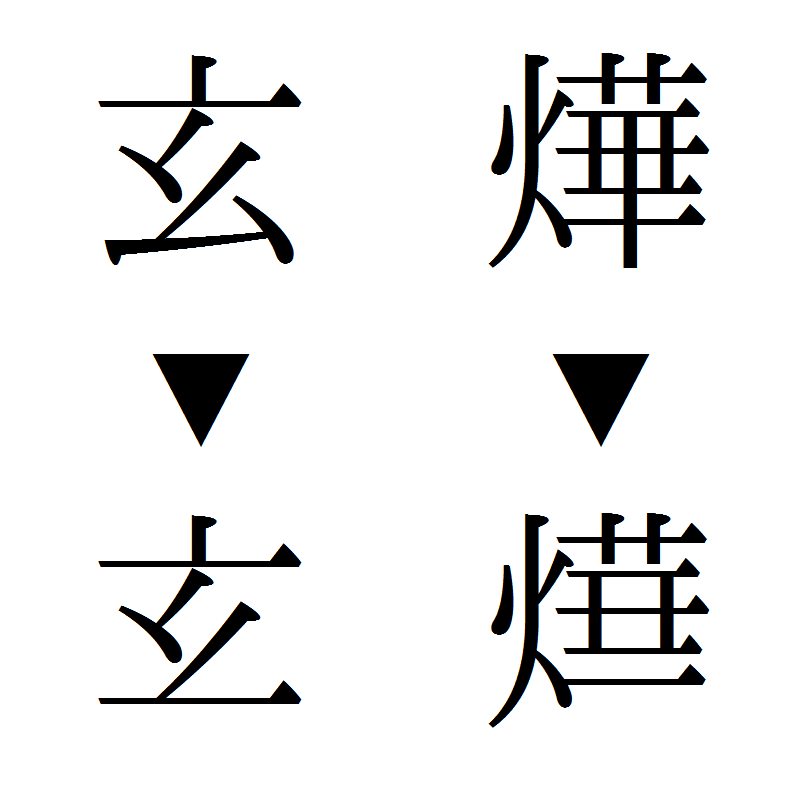 🇨🇳 China and 2 moreNaming taboo避諱
A cultural rule against speaking or writing the names of rulers and ancestors in East AsiaBelief · Protection Historical
🇨🇳 China and 2 moreNaming taboo避諱
A cultural rule against speaking or writing the names of rulers and ancestors in East AsiaBelief · Protection Historical
 🇪🇬 EgyptDjedḏd
An ancient Egyptian pillar symbol representing stability and resurrectionCharm · Protection · Power and authority Historical
🇪🇬 EgyptDjedḏd
An ancient Egyptian pillar symbol representing stability and resurrectionCharm · Protection · Power and authority Historical
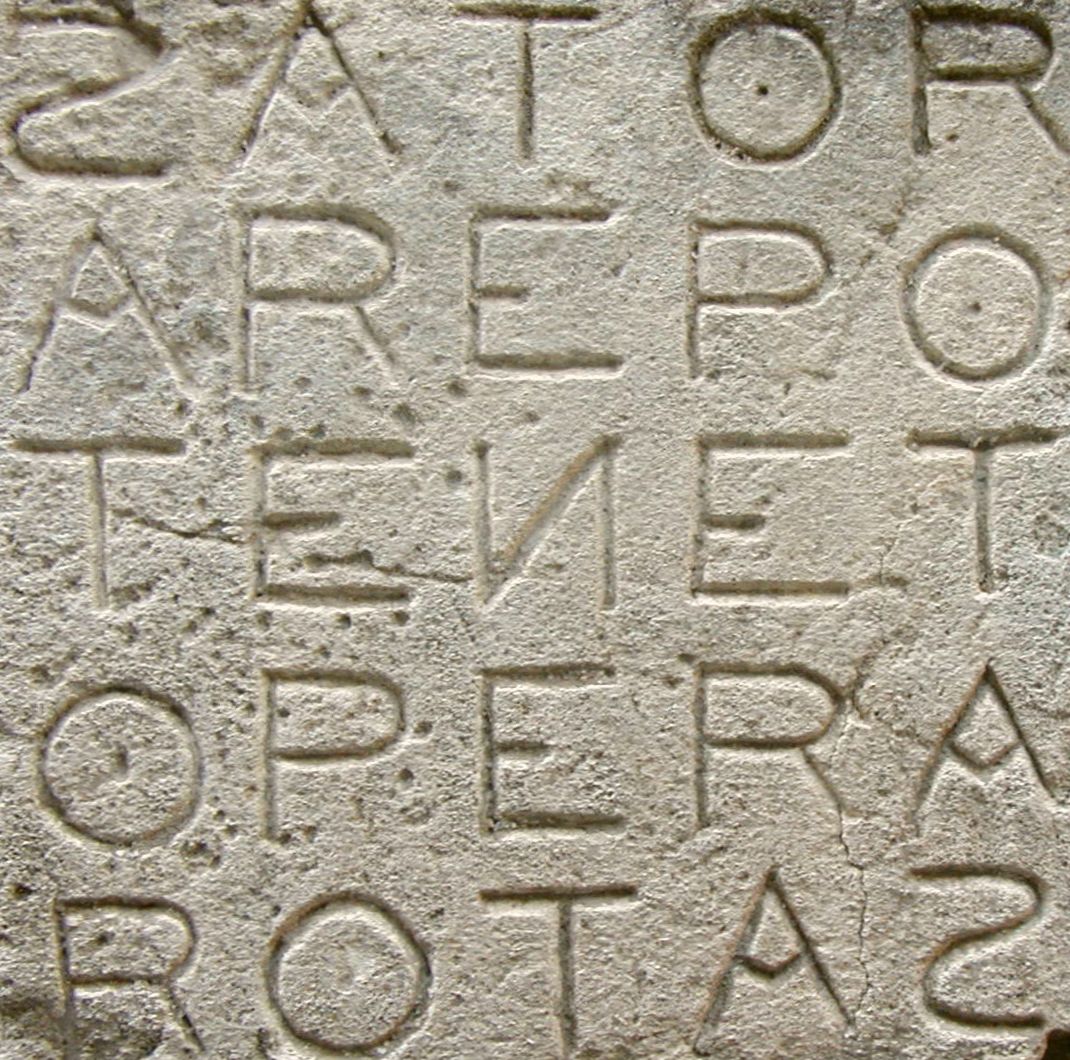 🇮🇹 Italy and 5 moreSator Square
A five-word Latin palindrome found in Roman ruins and medieval churchesCharm · Protection · Healing Historical
🇮🇹 Italy and 5 moreSator Square
A five-word Latin palindrome found in Roman ruins and medieval churchesCharm · Protection · Healing Historical
 🇪🇬 Egypt and 2 moreIsisꜣst (Egyptian)
Egyptian goddess of magic, mourning and kingship, mother of HorusBeing · Protection · Healing Historical
🇩🇪 Germany and 3 moreSixth and Seventh Books of Moses
A grimoire claiming to reveal the hidden spells of Moses for controlling spirits and natureText · Power and authority · Speaking with spirits and the dead Historical
🇪🇬 Egypt and 2 moreIsisꜣst (Egyptian)
Egyptian goddess of magic, mourning and kingship, mother of HorusBeing · Protection · Healing Historical
🇩🇪 Germany and 3 moreSixth and Seventh Books of Moses
A grimoire claiming to reveal the hidden spells of Moses for controlling spirits and natureText · Power and authority · Speaking with spirits and the dead Historical
 🇬🇧 United Kingdom and 3 moreJet
A black gemstone carved into amulets and mourning jewellery for centuriesCharm · Protection · Luck and prosperity Historical
🇬🇧 United Kingdom and 3 moreJet
A black gemstone carved into amulets and mourning jewellery for centuriesCharm · Protection · Luck and prosperity Historical
 🇬🇧 United Kingdom and 2 moreAdder stone
A naturally perforated stone used as a protective talisman in European folkloreCharm · Protection · Luck and prosperity Historical
🇬🇧 United KingdomWitch bottle (sample)
A stoppered bottle set out against curses.Charm · Protection · Cursing and harm Historical
🇬🇧 United Kingdom and 2 moreAdder stone
A naturally perforated stone used as a protective talisman in European folkloreCharm · Protection · Luck and prosperity Historical
🇬🇧 United KingdomWitch bottle (sample)
A stoppered bottle set out against curses.Charm · Protection · Cursing and harm Historical
 🇮🇹 Italy and 2 moreBulla
A round Roman amulet given to freeborn boys as a mark of status and protectionCharm · Protection · Luck and prosperity Historical
🇮🇹 Italy and 2 moreBulla
A round Roman amulet given to freeborn boys as a mark of status and protectionCharm · Protection · Luck and prosperity Historical
 🇮🇹 ItalySanctuary of Fortuna Primigenia
A vast Roman sanctuary complex in Palestrina that housed an oracle and a temple to the goddess of fate.Tradition · Seeing and foretelling · Protection Historical
🇮🇹 ItalySanctuary of Fortuna Primigenia
A vast Roman sanctuary complex in Palestrina that housed an oracle and a temple to the goddess of fate.Tradition · Seeing and foretelling · Protection Historical
 🇹🇷 Turkey and 1 moreTalismanic shirttılsımlı gömlek
A worn textile inscribed with sacred verses and symbols for protection in the Muslim worldCharm · Protection Historical
🇹🇷 Turkey and 1 moreTalismanic shirttılsımlı gömlek
A worn textile inscribed with sacred verses and symbols for protection in the Muslim worldCharm · Protection Historical
 🇪🇬 Egypt and 1 moreHypocephalus
An ancient Egyptian disk placed under the head of the dead for protection and rebirthCharm · Protection · Speaking with spirits and the dead Historical
🇪🇬 Egypt and 1 moreHypocephalus
An ancient Egyptian disk placed under the head of the dead for protection and rebirthCharm · Protection · Speaking with spirits and the dead Historical
 🇩🇪 Germany and 1 moreHercules' ClubHerkuleskeule
A club-shaped amulet worn in the Roman Empire and by Germanic peoples as a protective charm.Charm · Protection Historical
🇩🇪 Germany and 1 moreHercules' ClubHerkuleskeule
A club-shaped amulet worn in the Roman Empire and by Germanic peoples as a protective charm.Charm · Protection Historical
 🇻🇳 Vietnam and 2 moreVietnamese numismatic charmsBùa Việt Nam
Coin-shaped charms used for protection, luck, and ritual in Vietnamese cultureCharm · Protection · Luck and prosperity Historical
🇻🇳 Vietnam and 2 moreVietnamese numismatic charmsBùa Việt Nam
Coin-shaped charms used for protection, luck, and ritual in Vietnamese cultureCharm · Protection · Luck and prosperity Historical
 🇨🇳 China and 1 moreLei Ting curse charm符咒钱
A numismatic charm invoking the thunder god to banish evil spirits.Charm · Protection · Cursing and harm Historical
🇨🇳 China and 1 moreLei Ting curse charm符咒钱
A numismatic charm invoking the thunder god to banish evil spirits.Charm · Protection · Cursing and harm Historical
 🇨🇳 China and 2 moreBuddhist coin charm佛教品壓勝錢
Amulets shaped like coins that bear Buddhist symbols and prayers for protection.Charm · Protection · Luck and prosperity Historical
🇨🇳 China and 2 moreBuddhist coin charm佛教品壓勝錢
Amulets shaped like coins that bear Buddhist symbols and prayers for protection.Charm · Protection · Luck and prosperity Historical
 🇬🇧 United Kingdom and 1 moreBirthing girdle
A medieval charm worn during pregnancy to ensure a safe deliveryCharm · Protection Historical
🇬🇧 United Kingdom and 1 moreBirthing girdle
A medieval charm worn during pregnancy to ensure a safe deliveryCharm · Protection Historical
 🇨🇳 China and 2 moreChinese burial money瘞錢 (yì qián)
Imitations of currency placed in Chinese graves to serve the deceased in the afterlife.Charm · Protection · Luck and prosperity Historical
🇨🇳 China and 2 moreChinese burial money瘞錢 (yì qián)
Imitations of currency placed in Chinese graves to serve the deceased in the afterlife.Charm · Protection · Luck and prosperity Historical
Photo credits on this page
The small pictures above come from Wikimedia Commons under free licences. Some are cropped to fit.
- Grimoire: Bengt A. Lundberg, CC BY 2.5, source
- Rabisu: editor Austen Henry Layard , drawing by L. Gruner, Public domain, source
- Fortuna: Charles Samuel, CC BY-SA 4.0, source
- Birthing girdle: Sarah Fiddyment , Natalie J. Goodison , Elma Brenner , Stefania Signor, CC BY 4.0, source
- Folk healer: calliopejen, CC BY-SA 2.0, source
- Sanctuary of Fortuna Primigenia: MM, CC BY-SA 3.0, source
- Louisiana Voodoo: I cropped, original authors are Ridpath, John Clark, CC BY-SA 4.0, source
- Bulla: Anonymous ( Category:Etruscans ) Unknown author, Public domain, source
- Amniomancy: JC Brand, CC BY-SA 4.0, source
- Chinese burial money: Gary Todd, CC0, source
- Scarab: Unknown author, CC BY 4.0, source
- Heliotrope: Ra'ike (see also: de:Benutzer:Ra'ike ), CC BY-SA 3.0, source
- Ancient Egyptian afterlife beliefs: Hunefer, Public domain, source
- Need-fire: Unknown author, Public domain, source
- Hypocephalus: rob koopman, CC BY-SA 2.0, source
- Talismanic shirt: Ibrahim Husain Meraj, CC BY-SA 4.0, source
- Lei Ting curse charm: Donald_Trung, CC BY-SA 4.0, source
- Hercules' Club: Wolfgang Sauber, CC BY-SA 4.0, source
- Hecate: Henryk Siemiradzki, Public domain, source
- Lamassu: Daderot, CC0, source
- Foundation deposit: Unknown author, CC0, source
- Wadjet: Rama, CC BY-SA 3.0 fr, source
- Witch ball: John W. Schulze, CC BY 2.0, source
- Capnomancy: Tigerzeng, CC BY-SA 4.0, source
- Medieval European magic: Unknown author, Public domain, source
- Naming taboo: Haruno Akiha, Public domain, source
- Djed: Anonymous ( Egypt ) Unknown author, Public domain, source
- Sator Square: M Disdero, CC BY-SA 3.0, source
- Isis: Ägyptischer Maler um 1360 v. Chr., Public domain, source
- Buddhist coin charm: Scott Semans, CC BY 3.0, source
- Amun: MusikAnimal, CC BY-SA 4.0, source
- Adder stone: Ansgar Koreng, CC BY-SA 3.0 de, source
- Vietnamese numismatic charms: Jean-Michel Moullec, CC BY 2.0, source
- Jet: Thmsfrst, Public domain, source
- Concealed shoes: Edmund Patrick, CC BY-SA 3.0, source
- Sámi drum: Zouavman Le Zouave, CC BY-SA 3.0, source
- Ancient Egyptian religion: Moh hakem, CC BY-SA 4.0, source
- Domovoy: Ivan Bilibin, Public domain, source
- Aztec religion: Unknown author, Public domain, source
- Witch bottle: British Museum, Daniel Pett, 2004-10-25 15:27:22, CC BY-SA 2.0, source
- Dís: Emil Doepler, Public domain, source
- Talisman: Sasha India, CC BY 2.0, source
- Eye of Horus: Tangopaso, Public domain, source