Death and remembrance: practices that mark them
Guiding, honouring and warding the dead, and the rites of mourning.
Death and remembrance bring some of the most elaborate rites in the world, aimed at guiding the dead, protecting the living and keeping the bond between them. They include the Hindu cremation and Pitru Paksha offerings, the Tibetan Buddhist bardo teachings, the Jewish shiva, Islamic burial customs, the Irish wake, Chinese ancestor offerings, the Mexican Day of the Dead, the Ghanaian fantasy coffin and Aboriginal mourning rules. This page describes them as customs.
Guiding the dead
Many traditions see death as a journey that needs help. Hindu rites are said to carry the soul onward, Tibetan Buddhist texts guide the dead through an intermediate state, and ancient Egyptian rites prepared the dead for judgement. In many Chinese and Southeast Asian families, paper money, houses and goods are burned so the dead are provided for. Many such customs came from a time when disease and decay posed real danger, and the rules about touching and washing the body reflect that.
Protecting the living
The dead can be feared as well as loved. Customs aim to keep them from returning wrongly: covering mirrors in Jewish and some European homes, leaving by a different door, throwing salt, and cleansing after a funeral. Some Aboriginal communities do not speak a dead person's name for a time. Mourners often observe set periods and then rejoin ordinary life. In Judaism and Islam, burial is quick and simple, and mourners follow a defined period of grief that gradually returns them to normal life.
Remembrance and ancestors
In Mexico, families set out an ofrenda with photographs, marigolds and the favourite foods of the dead. In China, the Qingming festival sees graves swept. In West Africa, the dead are honoured as ancestors and consulted. In Madagascar, the famadihana turns the bones of ancestors in fresh cloth. Such rites are an active relationship. Rites for the dead continue after burial: remembrance days, annual visits to graves and prayers that mark anniversaries keep the memory of each person present.
Law, cost and exploitation
Funeral cost can be heavy and open to exploitation, and fraudulent mediums prey on the grieving. States regulate disposal of bodies, and some traditions, such as sky burial in Tibet and Hindu open-air cremation, have been restricted at times. Grief support from friends and professionals matters beside any rite. Grief takes many forms, and a rite does not replace mourning, though many mourners find that a shared ritual gives the first days a shape and gives friends and relatives something to do.
Death and remembrance on EveryJaadu
The entries written up so far, best known first.
 🇯🇵 Japan and 1 moreAinu religion
The animist spiritual beliefs and ritual practices of the Ainu people of Japan and RussiaTradition · Protection · Speaking with spirits and the dead Living
 🇰🇪 Kenya and 1 moreMaasai religion
The spiritual beliefs of the semi-nomadic Maasai people of East AfricaTradition · Protection · Healing Living
 🇲🇽 Mexico and 5 moreDay of the DeadDía de los Muertos
A Mexican holiday honoring the dead with altars, food, and humor during Allhallowtide.Tradition · Speaking with spirits and the dead · Luck and prosperity Living
 🇷🇴 Romania and 1 moreFolklore of RomaniaFolclorul românesc
The traditional stories, music and customs of the Romanian peopleTradition · Speaking with spirits and the dead · Wonder and entertainment Living
 🇯🇵 Japan and 3 moreObonお盆
A Japanese Buddhist festival honoring the spirits of ancestors through dance and offeringsTradition · Speaking with spirits and the dead · Luck and prosperity Living
 🇯🇵 JapanMount Osore恐山
A volcanic pilgrimage site in Japan believed to be a gateway to the underworldTradition · Speaking with spirits and the dead · Protection Living
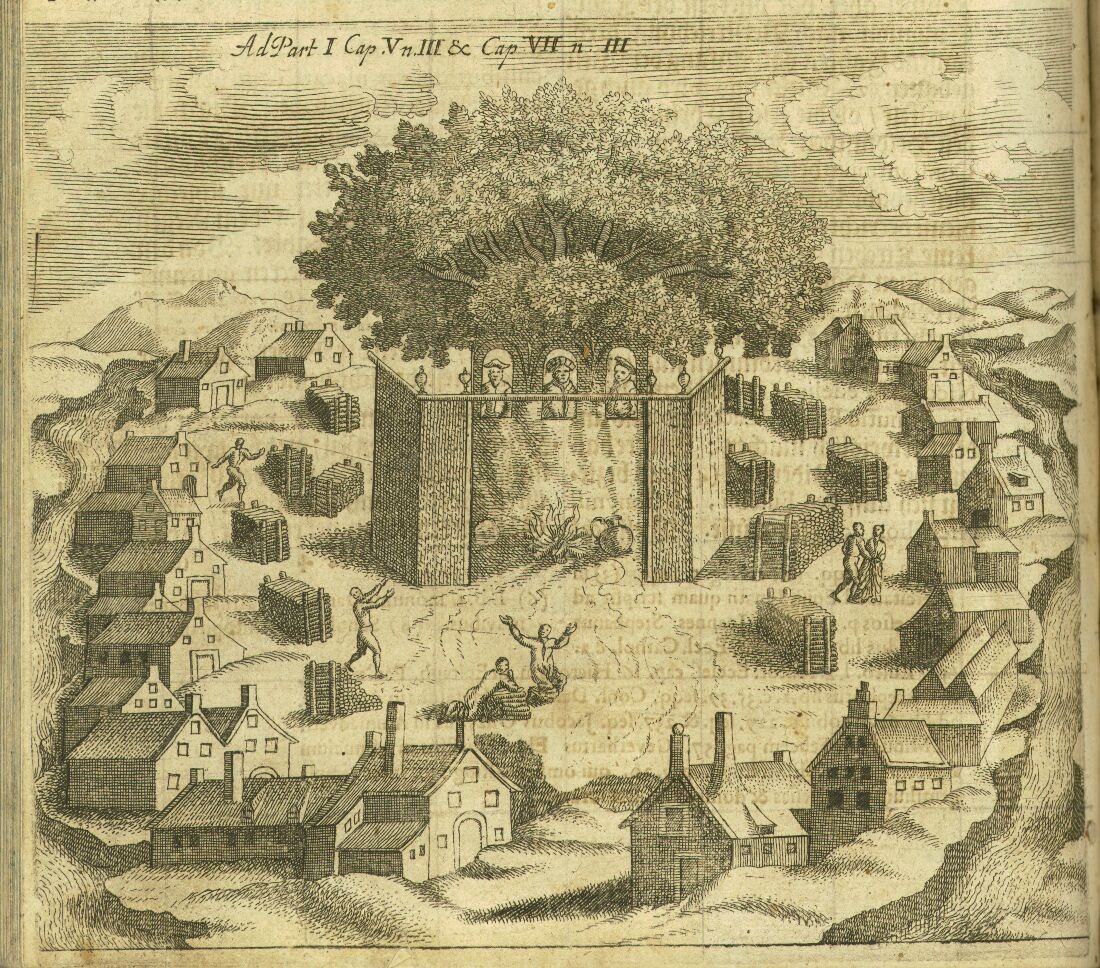 🇱🇹 Lithuania and 1 moreLithuanian mythologyLietuvių mitologija
The ancient polytheistic beliefs of the Baltic people, preserved in folklore and early chroniclesTradition · Speaking with spirits and the dead · Luck and prosperity Historical
 🇳🇬 Nigeria and 2 moreỌya
A Yoruba orisha of storms and the dead, worshipped in Africa and the Americas.Being · Protection · Speaking with spirits and the dead Living
 🇯🇵 JapanItakoイタコ
Blind women in Japan who train to channel spirits and communicate with the dead.Tradition · Speaking with spirits and the dead · Seeing and foretelling Fading
🇬🇧 United KingdomCŵn Annwn
Spectral hounds of the Welsh otherworld that hunt souls and signal deathBeing · Cursing and harm · Speaking with spirits and the dead Legendary
 🇻🇺 Vanuatu and 5 moreKava culture
A shared ritual across Oceania where a root brew marks ceremony, respect, and social gathering.Tradition · Speaking with spirits and the dead · Luck and prosperity Living
 🇲🇬 MadagascarFamadihana
A Malagasy ceremony where families rewrap and dance with ancestral remains.Rite · Speaking with spirits and the dead · Luck and prosperity Living
 🇦🇺 AustraliaSmoking ceremony
A ritual using herbal smoke for cleansing and welcoming among Aboriginal AustraliansRite · Cleansing and purification · Speaking with spirits and the dead Living
 🇸🇳 Senegal and 5 moreVeneration of the dead
Rituals of respect and offerings for ancestors across global culturesTradition · Protection · Speaking with spirits and the dead Living
🇭🇹 HaitiVodou veve (sample)Vèvè
Ground drawings that call the lwa.Tradition · Speaking with spirits and the dead Living
 🇯🇵 Japan and 1 moreGood Luck Flag寄せ書き日の丸 (yosegaki hinomaru)
A Japanese national flag signed by loved ones to wish a soldier safety and victory.Charm · Protection · Luck and prosperity Living
 🇪🇬 Egypt and 1 moreHypocephalus
An ancient Egyptian disk placed under the head of the dead for protection and rebirthCharm · Protection · Speaking with spirits and the dead Historical
 🇷🇺 RussiaReindeer in Siberian shamanism
The role of reindeer as spirit helpers, ritual tools, and burial vehicles in the shamanic traditions of Northern AsiaTradition · Healing · Speaking with spirits and the dead Living
 🇮🇷 IranFravashi
A personal spirit in Zoroastrian belief that guides the living and protects the dead.Being · Protection · Speaking with spirits and the dead Living
 🇨🇳 China and 1 moreNuo folk religion傩 (Nuó)
A Chinese exorcistic tradition using wooden masks and ancestor worship to drive away malevolent forcesTradition · Protection · Speaking with spirits and the dead Living
 🇬🇷 GreeceShadeσκιά
A ghostly shadow of the dead, said to linger in the world belowBeing · Speaking with spirits and the dead Legendary
🇨🇦 CanadaPinga
An Inuit goddess of the hunt and medicine who oversees caribou herds and souls.Being · Healing · Cursing and harm Historical
 🇨🇳 ChinaShi尸
A living descendant who sat in place of a dead ancestor during ancient Chinese ritualsRite · Speaking with spirits and the dead · Luck and prosperity Historical
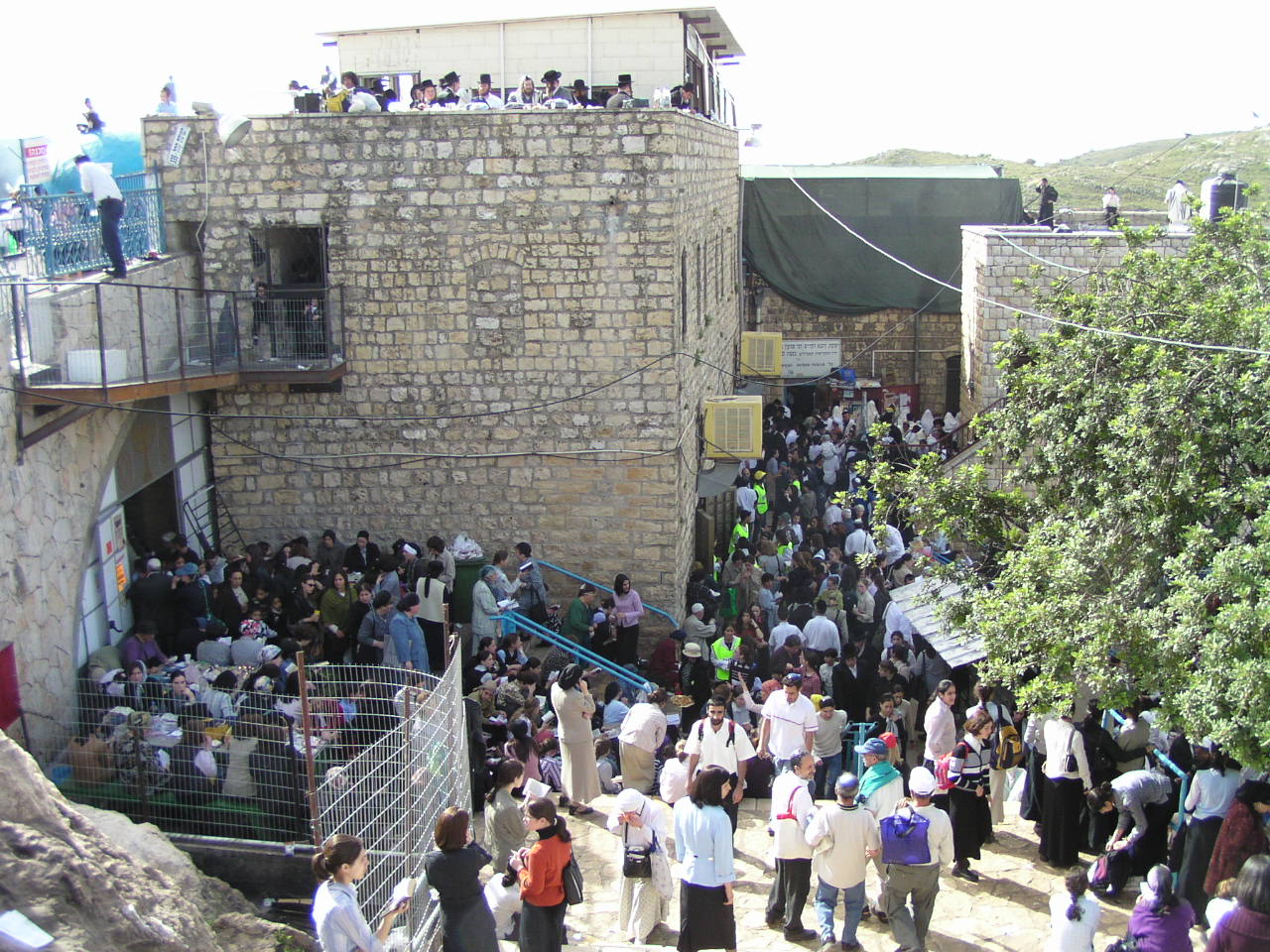 🇮🇱 Israel and 1 moreYom Hillulaיום הילולא
A joyous death anniversary for a saint in Jewish traditionRite · Speaking with spirits and the dead Living
 🇪🇬 EgyptHermanubisἙρμανοῦβις
A Graeco-Egyptian god who guides the souls of the dead to the underworld.Being · Speaking with spirits and the dead Historical
🇯🇲 Jamaica and 1 moreNine-Night
A nine-day Caribbean wake rooted in Akan tradition to celebrate the deceased and guide their spirit home.Rite · Speaking with spirits and the dead Living
 🇯🇵 Japan and 4 moreKṣitigarbhaक्षितिगर्भ
A bodhisattva vowed to empty the hells and guard children, shown with a staff and jewel.Being · Protection · Speaking with spirits and the dead Living
 🇮🇩 Indonesia and 1 moreSandung
A house-shaped ossuary for the bones of the deceased among Dayak peoples in Borneo.Charm · Speaking with spirits and the dead · Power and authority Living
 🇵🇭 PhilippinesIndigenous religious beliefs of the Tagbanwa people
The traditional spiritual system and rituals of the Tagbanwa indigenous community in the Philippines.Tradition · Protection · Healing Fading
 🇭🇹 HaitiChristian-Vodou
The blending of Haitian Vodou and Roman Catholicism into a single spiritual practiceTradition · Speaking with spirits and the dead · Protection Living
 🇮🇩 IndonesiaMarapu
Ancestral religion of Sumba and Flores in IndonesiaTradition · Speaking with spirits and the dead · Protection Living
 🇯🇵 JapanMagatama勾玉
A curved Japanese bead used as jewelry, status symbol, and sacred object in Shinto.Charm · Power and authority · Speaking with spirits and the dead Living
 🇨🇳 ChinaNaihe Bridge奈何桥
A mythical bridge in Chinese folk religion that souls cross to reach the afterlifeFigure · Speaking with spirits and the dead Legendary
🇬🇭 GhanaAmokye
Guardian of the entrance to Asamando in Akan and Ashanti beliefBeing · Speaking with spirits and the dead Living
 🇹🇷 TurkeyHittite sun disk
An ancient Anatolian bronze symbol used in Hattian and Hittite religious ceremoniesCharm · Speaking with spirits and the dead · Power and authority Historical
 🇿🇦 South Africa and 1 moreSacred caves of the Basotho
Cave networks in South Africa and Lesotho used by the Basotho for ancestral rituals and healingTradition · Healing · Protection Living
 🇮🇪 Ireland and 1 moreKeeningcaoineadh
A Gaelic vocal lament for the dead, performed by hired mourners in Ireland and ScotlandRite · Speaking with spirits and the dead Historical
 🇮🇪 IrelandTailteann GamesÁenach Tailteann
Ancient Irish funeral games and assemblies held in County Meath to honor the dead.Rite · Speaking with spirits and the dead · Luck and prosperity Historical
 🇨🇳 ChinaYao folk religion梅山教
The ethnic religion of the Yao, blended with Taoism since the 13th centuryTradition · Protection · Cleansing and purification Living
 🇮🇱 Israel and 1 moreAna BeKoachאנא בכח
A medieval Jewish liturgical poem linked to the 42-letter name of GodText · Power and authority · Protection Living
🇳🇵 Nepal and 3 moreGurung ShamanismTamu Cho
The ancient shamanic beliefs and rituals of the Gurung people in NepalTradition · Protection · Speaking with spirits and the dead Living
 🇨🇳 ChinaSuperstition in China
A broad category for folk beliefs and rituals dismissed as backward by modern Chinese authoritiesBelief · Protection · Luck and prosperity Living
🇮🇳 IndiaTarakeshwaraतारकेश्वर (Tārakeśvara)
A form of Shiva who guides souls to liberation through sacred mantrasFigure · Speaking with spirits and the dead · Change and initiation Living
 🇪🇬 Egypt and 1 morePsychopomp
A spirit or creature that guides the dead to the afterlifeBeing · Speaking with spirits and the dead Historical
🇯🇵 JapanReikon霊魂
The Shinto soul: it joins the ancestors after funeral rites, or haunts as a yūreiBeing · Speaking with spirits and the dead · Cursing and harm Living
 🇮🇱 IsraelMatzevahמַצֵּבָה
A standing stone used as a sacred marker or grave monument in ancient and Jewish traditionCharm · Speaking with spirits and the dead · Protection Living
🇺🇦 Ukraine and 5 moreBullroarer
A wooden slat on a string that produces a roaring sound for ritual and communication.Tradition · Protection · Speaking with spirits and the dead Living
 🇮🇳 India and 5 moreLock of hair
A piece of human hair kept for symbolic, sentimental, or superstitious reasons.Substance · Protection · Luck and prosperity Living
Photo credits on this page
The small pictures above come from Wikimedia Commons under free licences. Some are cropped to fit.
- Veneration of the dead: Anonymous ( Flemish ) Unknown author, Public domain, source
- Rada lwa: Calvin Hennick, for WBUR Boston, CC BY 3.0, source
- Shade: Henry Fuseli, Public domain, source
- Malagasy mythology: Saveoursmile (Hery Zo Rakotondramanana), CC BY-SA 2.0, source
- Kṣitigarbha: སངས་རྒྱས་བཅོམ་ལྡན་འདས།, Public domain, source
- Ainu religion: Unknown author, Public domain, source
- Maasai religion: Dr. Ondřej Havelka (cestovatel), CC BY 4.0, source
- Day of the Dead: RubeHM, CC BY-SA 4.0, source
- Folklore of Romania: TwoWings, CC BY-SA 3.0, source
- Witchcraft in the Philippines: The original uploader was Rodsan18 at English Wikipedia . ( Original t, CC BY 2.5, source
- Fravashi: Hooman Mallahzadeh, CC BY-SA 4.0, source
- Obon: Batholith, Public domain, source
- Mount Osore: Douglas P Perkins ( Douglaspperkins ( talk )), CC BY 3.0, source
- Lithuanian mythology: Prussian historian Christophorus Hartknoch (1644-1687), Public domain, source
- Sacred caves of the Basotho: JMK, CC BY-SA 3.0, source
- Ọya: Picture taken by Eurico Zimbres, CC BY-SA 2.5, source
- Itako: User Geomr~commonswiki self upload, CC BY-SA 3.0, source
- Yao folk religion: Daderot, Public domain, source
- Kava culture: Jaejay77, CC BY-SA 4.0, source
- Smoking ceremony: Shillings1005, CC BY-SA 4.0, source
- Good Luck Flag: takato marui, CC BY-SA 2.0, source
- Shi: Jason Zou, Public domain, source
- Marapu: Unknown author, CC BY-SA 3.0, source
- Naihe Bridge: Gisling, CC BY-SA 3.0, source
- Hittite sun disk: Noumenon, CC BY-SA 3.0, source
- Keening: W.H. Brooke, Public domain, source
- Tailteann Games: Unknown author, Public domain, source
- Ana BeKoach: Baruch Zvi Ring (c. 1872 - 1927) Details on Google Art Project, Public domain, source
- Hypocephalus: rob koopman, CC BY-SA 2.0, source
- Psychopomp: Unknown author, CC BY 2.5, source
- Reindeer in Siberian shamanism: Unknown author, Public domain, source
- Matzevah: Gilslovik, CC BY-SA 4.0, source
- Lock of hair: Unknown author, CC0, source
- Superstition in China: Gary Todd, CC0, source
- Magatama: Kakidai, CC BY-SA 3.0, source
- Yom Hillula: Jonathan Stein, Public domain, source
- Sandung: Wibowo Djatmiko ( Wie146 ), CC BY-SA 3.0, source
- Nuo folk religion: Wikiwikiyarou, CC BY-SA 3.0, source
- Hermanubis: Ad Meskens, CC BY-SA 3.0, source