Amokye is a figure in the religious traditions of the Akan and Ashanti peoples of Ghana. She guards the entrance to Asamando, the land of the dead, and welcomes souls into that realm.
- Amokye guards the entrance to Asamando in Akan and Ashanti belief
- She welcomes the souls of the dead into the land of the dead
- Ashanti burials included amoasie loincloths and jewelry
- These items were given to Amokye as payment for entry
- Asamando is the name for the Land of the Dead
What it is
Amokye is a spiritual figure in the beliefs of the Akan and Ashanti peoples of Ghana. She serves as the guardian of the threshold to Asamando, which translates to the Land of the Dead. Her primary role is to welcome the souls of deceased individuals into this otherworldly realm. She stands at the entrance, acting as the gatekeeper for those who have passed from life.
Where it comes from
She is presented as an established figure within the existing religious traditions of the Akan and Ashanti cultures without mention of her creation or first appearance.
How it is done
There are no described rituals or methods for interacting with Amokye in the provided text. The narrative focuses on her passive role as a guardian and welcome committee member for arriving souls rather than active practices performed by the living.
Tools and materials
According to belief, the Ashanti were traditionally dressed in amoasie, which are loincloths, along with jewelry for burial. These items are given to Amokye as payment. This offering serves as the toll or fee required for Amokye to allow the soul entry into Asamando.
Amokye, drawn and placed
- Living
- Revived
- Fading
- Historical
- Legendary
- Performed
- Lineage
- Akan and Ashanti religious tradition
- Timing
- at burial
What it is for
Amokye facilitates the transition of the dead into the afterlife. Her purpose is to guard the entrance to Asamando and ensure that souls can enter upon the payment of the required offerings. She represents the final barrier between the living world and the land of the ancestors.
Who does it
Amokye is not a practitioner but a being encountered during death.
Peoples and places
This figure is central to the religious traditions of the Akan people and specifically the Ashanti people of Ghana. The belief system describes how these groups view death and the journey to the otherworld, distinguishing their cultural understanding of the afterlife.
At a glance: who, where and when
Who does it
Belief worlds
Occasions
What people believe
In this worldview, Asamando is the designated land of the dead. The belief holds that entry is not automatic but requires a transaction. The deceased must present amoasie and jewelry to Amokye. This reflects a structured view of the afterlife where customs and payments continue to hold significance beyond death.
When it is done
Her presence is tied to the event of individual death and burial rather than a recurring seasonal or communal calendar date.
How scholars and sceptics see it
The provided text does not include analysis from anthropologists, historians, or psychologists. It presents the information strictly as part of the indigenous religious tradition without external academic commentary or interpretation.
Cautions and what is closed
The text does not discuss any dangers associated with Amokye or restrictions placed on outsiders regarding this belief.
Questions people ask about Amokye
Who is Amokye?
Amokye is a spiritual figure in the religious traditions of the Akan and Ashanti peoples of Ghana. She is believed to be the woman who guards the entrance to Asamando, the land of the dead.
What is Amokye's role?
Amokye welcomes the souls of deceased individuals to the otherworld. She acts as the guardian at the threshold, ensuring that proper protocols are followed before allowing entry into Asamando.
What is Asamando?
Asamando is the term used in Akan and Ashanti belief for the Land of the Dead. It is the otherworldly realm where souls go after death, under the care of Amokye.
What is given to Amokye?
According to belief, amoasie (loincloths) and jewelry are given to Amokye. These items, worn by the Ashanti at burial, serve as payment to allow the soul passage into Asamando.
Good reading and sources
The facts on this page come from the Wikipedia article "Amokye", written by its contributors and used under the CC BY-SA 4.0 licence, and from its Wikidata record (CC0). EveryJaadu rewrote the text in its own words, with AI assistance, and compares every page with the article to make sure no passage is copied. It may be reused under the same CC BY-SA 4.0 licence with a link back.
It may contain mistakes. Names and customs differ from one community to the next, and some knowledge is closed to outsiders and left out here. This page describes belief and practice. It does not say that any of it works, it is not a how-to, and it is not medical advice. If something is wrong, tell us. Last refreshed 2026-10-07.
More from Ghana
All the entries from Ghana 🇳🇬 Nigeria and 5 moreMami Wata
A water spirit of beauty and wealth in African folklore and the Atlantic diasporaBeing · Healing · Luck and prosperity Living
🇳🇬 Nigeria and 5 moreMami Wata
A water spirit of beauty and wealth in African folklore and the Atlantic diasporaBeing · Healing · Luck and prosperity Living
 🇬🇭 GhanaWitchcraft in Ghana
Beliefs in harmful magic and the social violence that follows accusations in GhanaBelief · Cursing and harm Living
🇬🇭 GhanaWitchcraft in Ghana
Beliefs in harmful magic and the social violence that follows accusations in GhanaBelief · Cursing and harm Living
Related elsewhere
All being 🇮🇳 IndiaChakraचक्र
Meditation points in the subtle body used in Hindu and Buddhist yogaTradition · Speaking with spirits and the dead · Change and initiation Living
🇮🇳 IndiaChakraचक्र
Meditation points in the subtle body used in Hindu and Buddhist yogaTradition · Speaking with spirits and the dead · Change and initiation Living
 🇪🇸 Spain and 5 moreSt John's Eve
A Christian vigil marked by bonfires and plant gathering on the summer solstice eveRite · Protection · Speaking with spirits and the dead Living
🇪🇸 Spain and 5 moreSt John's Eve
A Christian vigil marked by bonfires and plant gathering on the summer solstice eveRite · Protection · Speaking with spirits and the dead Living
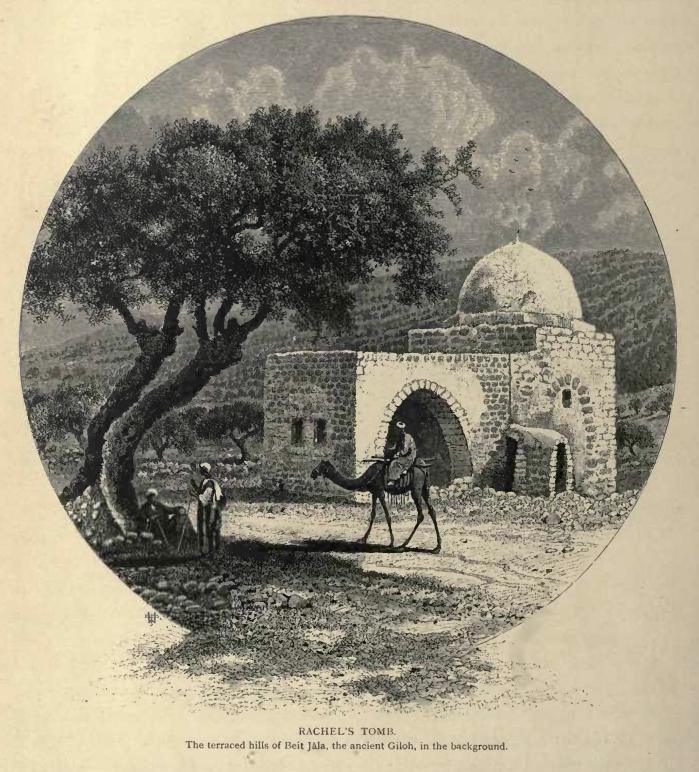 🇵🇸 Palestine and 1 moreRachel's TombQever Raḥel; Qabr Rāḥīl
A shared holy site near Bethlehem revered by Jews, Christians, and MuslimsTradition · Speaking with spirits and the dead · Protection Living
🇵🇸 Palestine and 1 moreRachel's TombQever Raḥel; Qabr Rāḥīl
A shared holy site near Bethlehem revered by Jews, Christians, and MuslimsTradition · Speaking with spirits and the dead · Protection Living
 🇲🇽 MexicoCalavera
A sugar or clay skull used in Mexican Day of the Dead celebrations.Charm · Speaking with spirits and the dead · Luck and prosperity Living
🇲🇽 MexicoCalavera
A sugar or clay skull used in Mexican Day of the Dead celebrations.Charm · Speaking with spirits and the dead · Luck and prosperity Living