All entries
2,844 entries so far, best known first. 1,901 more are on the list to be written. Narrow by region, kind, purpose, practitioner, belief world, occasion or how alive it is.
RegionSouth AsiaSoutheast AsiaEast AsiaCentral Asia and the CaucasusMiddle EastNorth AfricaSub-Saharan AfricaEuropeNorth AmericaLatin America and the CaribbeanOceania
PurposeProtectionHealingSeeing and foretellingLuck and prosperityLove and attractionCursing and harmCleansing and purificationSpeaking with spirits and the deadChange and initiationBinding and oathsPower and authorityWonder and entertainment
WhoShamansFolk healersPriests and ritual specialistsWitches, sorcerers and cunning folkDiviners and readersMediums and the possessedCeremonial magicians and alchemistsHouseholds and ordinary peopleStage magiciansScholars and sceptics
BeliefHindu and TantricBuddhistJainMuslim and SufiJewishChristianSikhZoroastrianShinto and TaoistIndigenous and shamanicAfrican and Afro-diasporicPagan and NeopaganEsoteric and occultFolk and village customSecular and stageOther traditions
 🇳🇵 Nepal and 1 moreMatsyendranathMacchindranāth, Mīnanātha
A yogi and rain deity revered across Hindu and Buddhist traditions in South Asia.Figure · Power and authority · Wonder and entertainment Living
 🇮🇳 India and 5 moreBhairavaभैरव
A fierce manifestation of Shiva and a Buddhist protector deity worshipped across South and East Asia.Being · Protection · Cursing and harm Living
 🇯🇵 Japan and 1 moreOni鬼(おに)
A horned demon of Japanese folklore known for strength and evil, later softened into a symbol of fortune.Being · Protection · Cursing and harm Living
 🇮🇳 India and 1 moreNakshatraनक्षत्रम् (Nakṣatram)
A system of lunar mansions used in Hindu and Buddhist astrology to map the sky.Tradition · Seeing and foretelling · Luck and prosperity Living
 🇹🇭 ThailandYi Pengยี่เป็ง
A northern Thai festival of lights featuring sky lanterns and Buddhist merit-makingTradition · Speaking with spirits and the dead · Luck and prosperity Living
 🇻🇳 Vietnam and 2 moreThiên Y A Na
A Vietnamese goddess worshipped in folk religion and Đạo Mẫu through spirit mediumshipBeing · Protection · Luck and prosperity Living
 🇹🇭 ThailandSongkranสงกรานต์
The Thai solar New Year marked by water rituals and sand pagodasTradition · Cleansing and purification · Luck and prosperity Living
 🇮🇳 IndiaNaropa
An Indian Buddhist master whose teachings shaped Tibetan Vajrayana practiceFigure · Change and initiation Historical
 🇮🇳 India and 3 moreDakiniḍākinī
A goddess figure in Hinduism and Buddhism, ranging from flesh-eating demoness to enlightened energy.Being · Cursing and harm · Power and authority Historical
 🇲🇳 Mongolia and 2 moreWind Horseརླུང་རྟ་
An East and Central Asian symbol of the soul, luck, and vital energyBeing · Luck and prosperity · Protection Living
 🇰🇷 South Korea and 3 moreKorean shamanism무속
A Korean folk religion of ritual specialists who mediate between humans and spirits.Tradition · Protection · Luck and prosperity Living
 🇮🇳 India and 1 morePishachaपिशाच (piśāca)
A flesh-eating demon from Indian religions, feared for possession and madness.Being · Cursing and harm Legendary
 🇮🇪 Ireland and 5 moreBonfire
A large outdoor fire used in seasonal festivals and religious feasts across many culturesRite · Cleansing and purification · Speaking with spirits and the dead Living
 🇳🇵 NepalTaleju𑐟𑐮𑐾𑐖𑐸 (Newar) / तलेजु (Devanagari)
A royal goddess of the Kathmandu Valley, worshipped as Durga and Tara.Being · Protection · Power and authority Living
 🇹🇭 Thailand and 1 moreGhosts in Thai cultureผี (phi)
A wide range of spirits and ghosts found in Thai folklore and popular belief.Belief · Protection · Cursing and harm Living
 🇨🇳 China and 5 moreGuanyin觀音 (Guānyīn)
The Bodhisattva of compassion, worshipped across East Asia as a listener to human sufferingBeing · Protection · Healing Living
 🇺🇸 United States and 3 moreSandpainting
A ritual art of pouring colored sand to create temporary images for healing or spiritual teachingTradition · Healing · Speaking with spirits and the dead Living
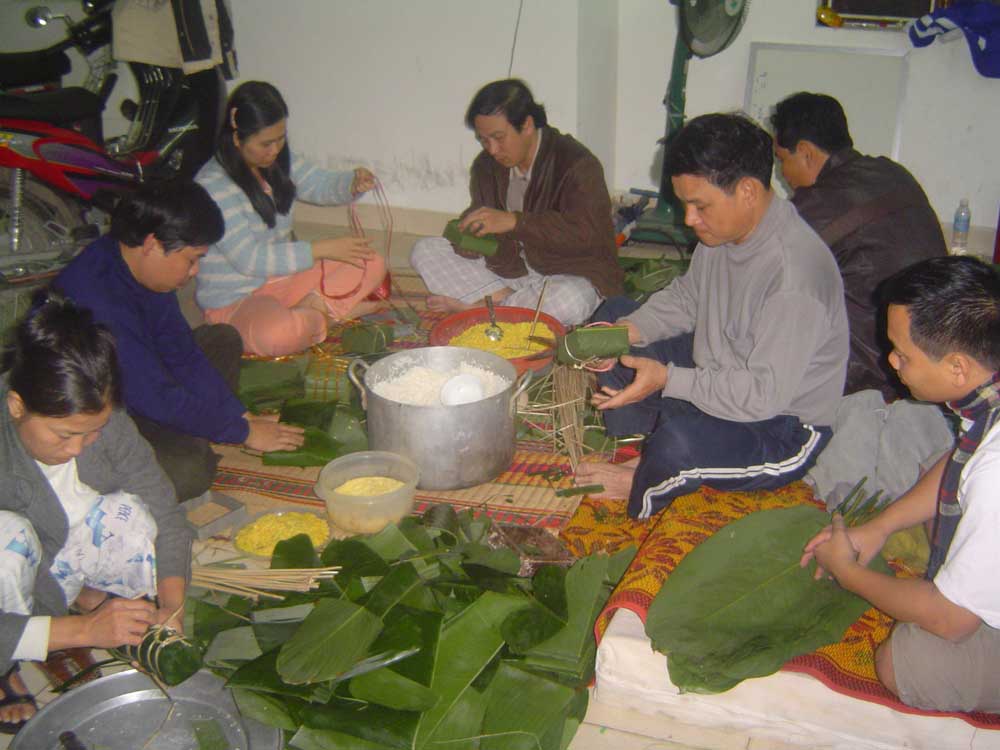 🇻🇳 Vietnam and 5 moreTếtTết Nguyên Đán
The Vietnamese lunisolar new year and the most important annual celebration in VietnamTradition · Luck and prosperity · Speaking with spirits and the dead Living
 🇮🇳 India and 1 moreMantraमन्त्रम्
A sacred sound or phrase repeated to focus the mind and invoke spiritual powerText · Speaking with spirits and the dead · Power and authority Living
🇯🇵 Japan and 1 moreKuji-in九字印
A system of nine syllables and hand gestures used for protection and spiritual alignment in Japanese esoteric traditionsRite · Protection · Speaking with spirits and the dead Historical
 🇰🇷 South KoreaJeoseung Saja저승사자
A Korean psychopomp who escorts the dead to the afterlife.Being · Speaking with spirits and the dead Living
 🇬🇷 Greece and 2 moreAstragalomancy
Divination by casting marked bones, carved rods, or numbered diceOracle · Seeing and foretelling · Speaking with spirits and the dead Living
 🇮🇪 Ireland and 4 moreCairncarn
A human-made pile of stones used as a marker, memorial, or ritual object across many cultures.Tradition · Protection · Speaking with spirits and the dead Living
 🇮🇳 IndiaNechung Oracleགནས་ཆུང་ཏ་བླ་མ
The official prophetic medium and spiritual advisor to Tibet's Dalai LamaOracle · Seeing and foretelling · Protection Living
 🇲🇲 MyanmarWeizzaဝိဇ္ဇာ
Burmese mystics who seek immortality and await the future BuddhaTradition · Protection · Healing Living
 🇮🇳 IndiaChödགཅོད
A Tibetan Buddhist ritual that uses fear and self-offering to sever attachment to the selfTradition · Cursing and harm · Change and initiation Living
🇮🇳 IndiaSiddhiसिद्धि
Magical powers and spiritual attainments in Indian religionsBelief · Power and authority · Seeing and foretelling Living
 🇮🇳 India and 2 moreYantraयन्त्र
A geometric diagram from Indian traditions used for worship and meditationCharm · Protection · Speaking with spirits and the dead Living
 🇲🇲 MyanmarBurmese folk religionNat Worship
Animistic worship of nature spirits and ancestors in Myanmar, often practiced alongside Buddhism.Tradition · Protection · Luck and prosperity Living
 🇯🇵 JapanEn no Gyōja役小角
A legendary Japanese ascetic and founder of Shugendō mountain practiceFigure · Power and authority · Protection Historical
 🇮🇳 India and 2 moreHomaहोम
A fire ritual found in Indian religions and their Asian offshootsRite · Speaking with spirits and the dead · Protection Living
 🇨🇳 China and 1 moreAncestor veneration in China
Rites for dead kin who are thought to watch over the familyTradition · Protection · Speaking with spirits and the dead Living
 🇨🇳 China and 5 moreChinese guardian lions石獅 (shíshī)
Stone lion pairs placed at entrances to ward off harm and welcome fortuneCharm · Protection · Luck and prosperity Living
 🇮🇳 India and 1 moreAmritaअमृत (Sanskrit)
A concept of immortality and a sacred nectar found in Indian religions and traditions.Substance · Healing · Power and authority Living
 🇮🇳 India and 2 moreKalachakraདུས་ཀྱི་འཁོར་ལོ།
A Tibetan Buddhist tantric deity and system of yogic time cyclesTradition · Change and initiation · Speaking with spirits and the dead Living
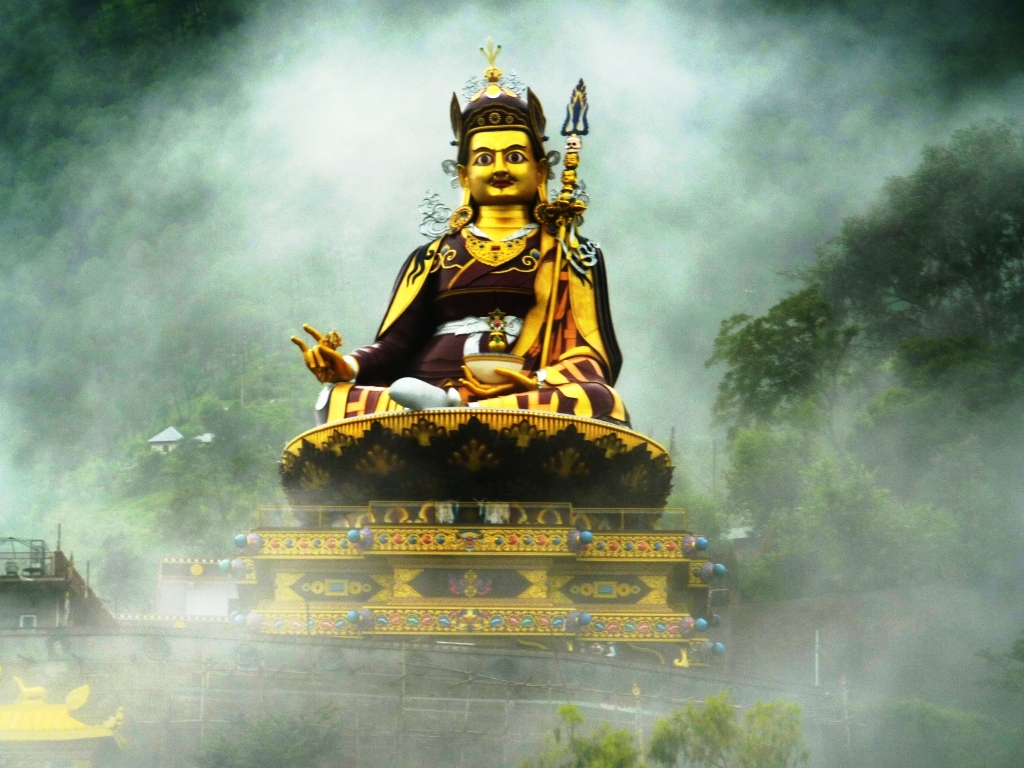 🇮🇳 India and 2 morePadmasambhavaཔདྨ་འབྱུང་གནས།
A tantric master credited with establishing Buddhism in Tibet and founding the Nyingma school.Figure · Protection · Power and authority Living
 🇸🇳 Senegal and 5 moreVeneration of the dead
Rituals of respect and offerings for ancestors across global culturesTradition · Protection · Speaking with spirits and the dead Living
 🇮🇳 India and 2 moreApsaraअप्सरस् (Sanskrit), អប្សរា (Khmer)
Celestial water spirits and dancers from Hindu and Buddhist traditions across South and Southeast AsiaBeing · Wonder and entertainment Legendary
 🇲🇽 Mexico and 5 morePersonifications of death
Figures from many cultures that embody the end of life and guide soulsFigure · Speaking with spirits and the dead Living
🇮🇳 India and 1 moreNeotantraनवतन्त्र (navatantra)
A Western movement blending Tantra with modern views on sacred sexualityTradition · Love and attraction · Change and initiation Living
 🇨🇳 China and 4 moreFuji扶乩
Chinese planchette writing: gods and ancestors reply through a stylus on sandRite · Speaking with spirits and the dead · Seeing and foretelling Living
 🇯🇵 Japan and 1 moreTennin天人
Heavenly beings in Japanese Buddhism, often depicted as beautiful women with feathered scarves.Being · Luck and prosperity Historical
 🇱🇦 Laos and 3 moreTai folk religionສາສະໜາຜີ
Spirits, ancestor rites, and soul-calling ceremonies of the Tai peoplesTradition · Protection · Healing Living
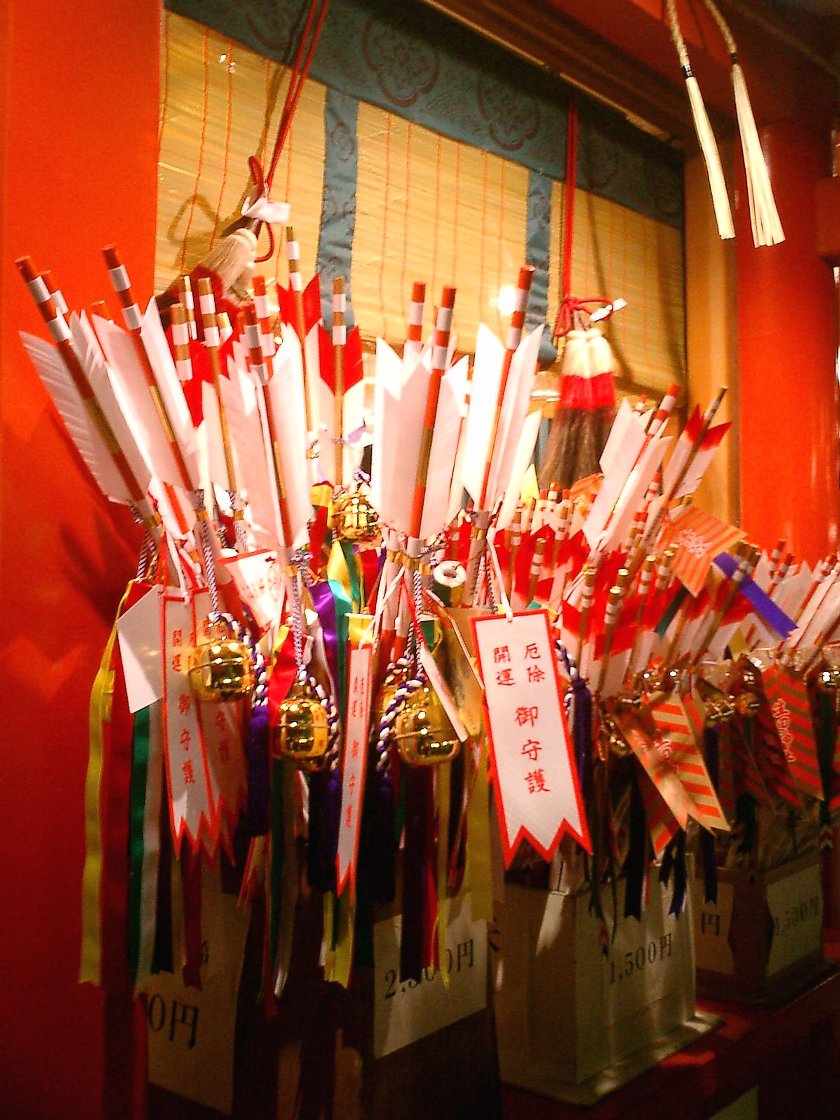 🇯🇵 JapanHamaya破魔矢
A blunt arrow given at shrines to ward off evil and secure good luck for the new yearCharm · Protection · Luck and prosperity Living
 🇨🇳 China and 1 moreLock charms家锁 / 锁片 (jiā suǒ / suǒ piàn)
A Chinese metal pendant shaped like a lock to protect children from harm and death.Charm · Protection · Luck and prosperity Historical
🇹🇭 ThailandTakrutตะกรุด
A Thai tubular amulet inscribed with sacred texts for protection and powerCharm · Protection · Luck and prosperity Living
 🇨🇳 China and 2 moreBuddhist coin charm佛教品壓勝錢
Amulets shaped like coins that bear Buddhist symbols and prayers for protection.Charm · Protection · Luck and prosperity Historical
 🇨🇳 China and 1 moreFalun Gong法轮功
A Chinese cultivation practice blending meditative exercises with moral principlesTradition · Healing · Protection Living
Photo credits on this page
The small pictures above come from Wikimedia Commons under free licences. Some are cropped to fit.
- Veneration of the dead: Anonymous ( Flemish ) Unknown author, Public domain, source
- Tennin: Unknown author, Public domain, source
- Buddhist coin charm: Scott Semans, CC BY 3.0, source
- Hamaya: Tomomarusan, CC BY 2.5, source
- Lock charms: Scott Semans World Coins (CoinCoin.com)., CC BY 3.0, source
- Personifications of death: No machine-readable author provided. Kirtap assumed (based on copyrigh, CC BY 2.5, source
- Matsyendranath: Unknown author, Public domain, source
- Bhairava: Saankav, CC BY-SA 4.0, source
- Oni: Katsushika Hokusai 葛飾北斎 (1760-1849), Public domain, source
- Nakshatra: Kishorekumar 62, CC BY-SA 3.0, source
- Yi Peng: Takeaway, CC BY-SA 3.0, source
- Thiên Y A Na: Lưu Ly ( thảo luận ), CC BY-SA 3.0, source
- Songkran: ผู้สร้างสรรค์ผลงาน/ส่งข้อมูลเก็บในคลังข้อมูลเสรีวิกิมีเดียคอมมอนส์ - เ, CC BY 3.0, source
- Naropa: Unknown author, CC BY-SA 3.0, source
- Dakini: Didier Descouens, Public domain, source
- Wind Horse: Clemensmarabu, CC BY-SA 3.0, source
- Korean shamanism: Steve46814, CC BY-SA 4.0, source
- Pishacha: Unknown author, Public domain, source
- Bonfire: S Marshall, CC BY 3.0, source
- Taleju: Unknown author, CC BY-SA 4.0, source
- Ghosts in Thai culture: Heinrich Damm ( User:Hdamm , Hdamm at de.wikipedia.org ), CC BY 2.0, source
- Apsara: Unknown author, CC0, source
- Guanyin: JL Cogburn, CC BY-SA 2.0, source
- Sandpainting: Mnolf, CC BY-SA 3.0, source
- Falun Gong: longtrekhome, CC BY 3.0, source
- Tết: vi:Lưu Ly, Public domain, source
- Mantra: Markrosenrosen, CC BY-SA 3.0, source
- Jeoseung Saja: National Folk Museum of Korea, CC BY 4.0, source
- Astragalomancy: Roland zh, CC BY-SA 3.0, source
- Cairn: Andrew Bossi, CC BY-SA 2.5, source
- Tai folk religion: ( เทวประภาส มากคล้าย ), Tevaprapas, Public domain, source
- Nechung Oracle: Christopher Michel, CC BY 2.0, source
- Weizza: YashiWong, CC BY-SA 3.0, source
- Chöd: Christopher J. Fynn, CC BY-SA 4.0, source
- Yantra: Photo by Daniel Conrad (Chromacon), artwork by Daniel Conrad under dir, Public domain, source
- Burmese folk religion: Wagaung ( talk ), CC BY-SA 3.0, source
- En no Gyōja: Wmpearl, CC0, source
- Homa: Vyacheslav Argenberg, CC BY 4.0, source
- Ancestor veneration in China: Three huntings, CC BY-SA 4.0, source
- Fuji: Unknown author, CC BY 4.0, source
- Chinese guardian lions: Pvt pauline, CC BY-SA 3.0, source
- Amrita: http://picasaweb.google.com/injamaven, CC BY 3.0, source
- Kalachakra: Nabin K. Sapkota, CC BY-SA 4.0, source
- Padmasambhava: John Hill, CC BY-SA 3.0, source