Cursing and harm
Curses, hexes and sorcery as people describe and fear them, with the counter-magic against them.
Cursing and harm are the part of magic that societies fear most. This page describes curses and sorcery as beliefs, and the social role of fear and accusation, and does not give instructions. The evil eye, the curse tablets of the Greek and Roman world, Hebrew and Arabic writings on harmful magic, sorcery in Melanesia and Africa, and the European witch are all part of this subject. Most of the harm recorded is that done to people accused.
What is believed
Many cultures hold that envy, anger or hostile ritual can bring illness, loss or death to a victim. The beliefs differ: in the Mediterranean, the evil eye needs no intent. In Azande society, studied by Evans-Pritchard, witchcraft was an inherited substance that explained why misfortune struck one person and not another. Greek and Roman lead curse tablets, often addressed to gods of the underworld, show the belief was written down in antiquity.
Accusation as social force
Where harm is feared, accusation follows. Anthropologists have shown that charges of witchcraft often follow tension inside a family or village, such as inheritance, jealousy or a sudden death. Accusers are usually in conflict with the accused, who is more likely to be old, poor, widowed or marginal. The belief can enforce norms and also destroy people. People also fear being accused, since an accusation can arrive without warning and can follow a family for generations.
Persecution and its present
European and colonial American witch trials, from the fifteenth to the eighteenth century, put tens of thousands to death, including the Salem trials of 1692. The practice has not ended. Mobs and families still attack accused people in parts of Africa, India, Papua New Guinea and elsewhere, and Saudi Arabia has executed people for sorcery. Albino people have been killed for body parts in East Africa. Several states are drafting or enforcing laws against accusation itself.
Counter-magic and scholarship
Where harm is feared, so is protection: amulets, cleansing, and a specialist who can say who sent it. Scholars see curses as a language of grievance, and psychologists have documented the nocebo effect, in which belief in harm can bring on real distress. A person who is afraid should seek medical and social help, and talk to someone they trust. People who believe they have been cursed should be helped to find practical support, including from health services, and not left alone with fear.
Cursing and harm on EveryJaadu
The entries written up so far, best known first.
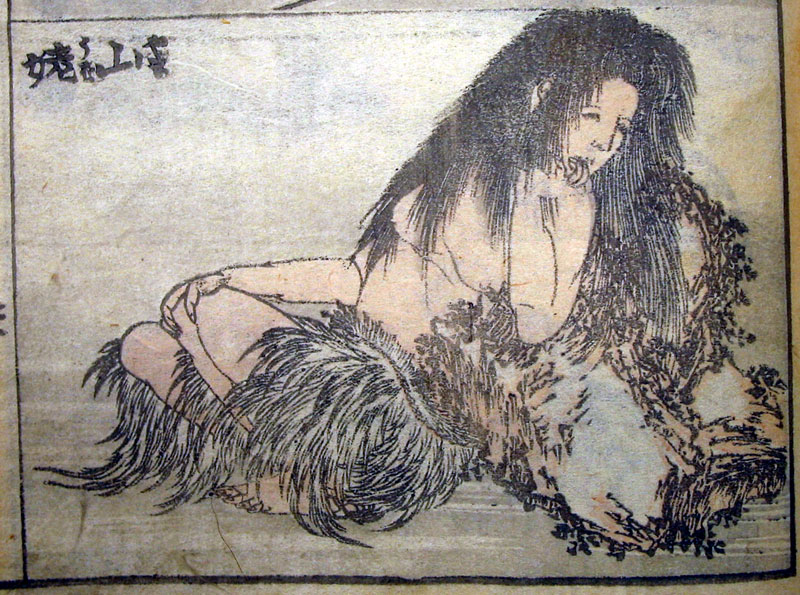 🇯🇵 JapanYama-uba山姥
A Japanese mountain spirit depicted as either a cannibalistic monster or a benevolent guardian.Being · Cursing and harm · Luck and prosperity Legendary
🇯🇵 JapanYama-uba山姥
A Japanese mountain spirit depicted as either a cannibalistic monster or a benevolent guardian.Being · Cursing and harm · Luck and prosperity Legendary
 🇸🇾 SyriaEchidnaΈχιδνα
A half-woman, half-snake monster in Greek myth who mothered many famous beastsBeing · Cursing and harm Legendary
🇸🇾 SyriaEchidnaΈχιδνα
A half-woman, half-snake monster in Greek myth who mothered many famous beastsBeing · Cursing and harm Legendary
 🇨🇱 Chile and 1 moreImbuncheifünche
A deformed child-monster of Chilote folklore that guards a warlock's cave and serves as an instrument of curse.Figure · Cursing and harm · Power and authority Legendary
🇨🇱 Chile and 1 moreImbuncheifünche
A deformed child-monster of Chilote folklore that guards a warlock's cave and serves as an instrument of curse.Figure · Cursing and harm · Power and authority Legendary
 🇬🇷 GreeceHarpyἅρπυια (hárpyia)
Half-human, half-bird creatures from Greek and Roman myth, often seen as storm winds or snatchers of food.Being · Cursing and harm · Wonder and entertainment Legendary
🇮🇳 IndiaBramrachokh
A demon in Kashmiri myth that mimics a light to lead travellers astrayBeing · Cursing and harm Legendary
🇬🇷 GreeceHarpyἅρπυια (hárpyia)
Half-human, half-bird creatures from Greek and Roman myth, often seen as storm winds or snatchers of food.Being · Cursing and harm · Wonder and entertainment Legendary
🇮🇳 IndiaBramrachokh
A demon in Kashmiri myth that mimics a light to lead travellers astrayBeing · Cursing and harm Legendary
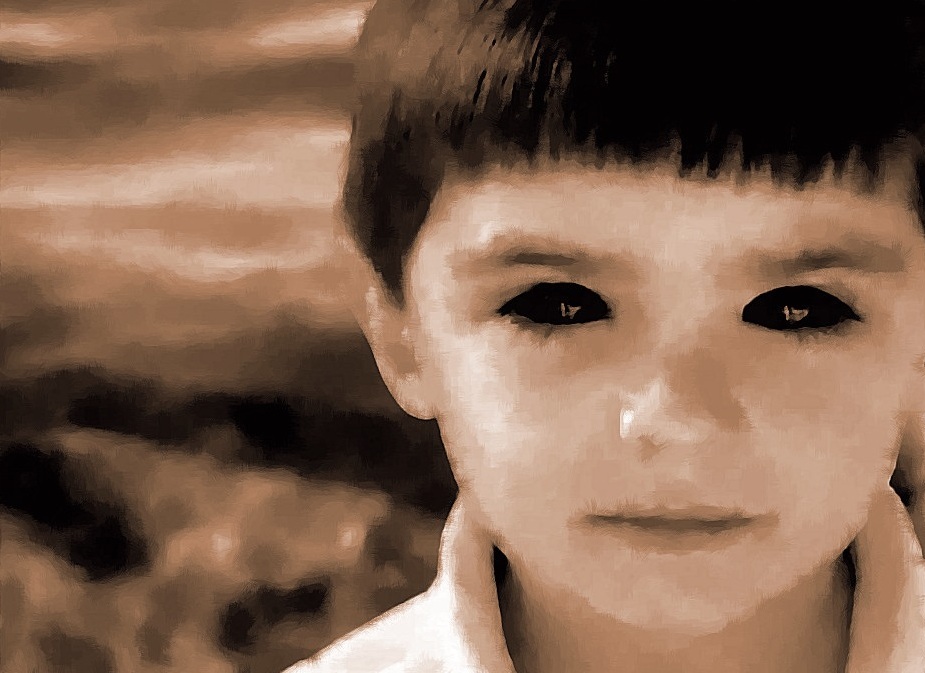 🇺🇸 United StatesBlack-eyed children
A modern American urban legend about pale children with dark eyes who seek entry into homes.Figure · Cursing and harm Legendary
🇨🇱 ChileWarlock of Chiloébrujo chilote
A legendary network of sorcerers from the Chilean archipelago and their mythical powers.Belief · Cursing and harm · Power and authority Legendary
🇺🇸 United StatesBlack-eyed children
A modern American urban legend about pale children with dark eyes who seek entry into homes.Figure · Cursing and harm Legendary
🇨🇱 ChileWarlock of Chiloébrujo chilote
A legendary network of sorcerers from the Chilean archipelago and their mythical powers.Belief · Cursing and harm · Power and authority Legendary
 🇺🇸 United StatesMoll Dyer
A Maryland folktale about a woman accused of witchcraft and her cursed stoneFigure · Cursing and harm · Protection Legendary
🇺🇸 United StatesMoll Dyer
A Maryland folktale about a woman accused of witchcraft and her cursed stoneFigure · Cursing and harm · Protection Legendary
 🇮🇩 IndonesiaBabi ngepet
A Javanese myth about a person who turns into a boar to steal wealthBeing · Luck and prosperity · Cursing and harm Legendary
🇰🇷 South KoreaGangcheori강철이
A fire-breathing dragon from Korean folklore that scorches the land in its wakeFigure · Cursing and harm Legendary
🇮🇩 IndonesiaBabi ngepet
A Javanese myth about a person who turns into a boar to steal wealthBeing · Luck and prosperity · Cursing and harm Legendary
🇰🇷 South KoreaGangcheori강철이
A fire-breathing dragon from Korean folklore that scorches the land in its wakeFigure · Cursing and harm Legendary
 🇪🇸 SpainGuajona
A blood-sucking hag from Cantabrian and Asturian legendBeing · Cursing and harm Legendary
🇪🇸 SpainGuajona
A blood-sucking hag from Cantabrian and Asturian legendBeing · Cursing and harm Legendary
 🇮🇱 Israel and 2 moreTanninתַּנִּין
A sea monster of chaos in Canaanite and Hebrew myth, later a symbol for Egypt and Babylon.Being · Cursing and harm Legendary
🇺🇸 United StatesTsul 'KaluᏧᏓᎦᎳ
A Cherokee hunting deity and legendary giant of the Appalachian mountainsFigure · Cursing and harm · Protection Legendary
🇷🇸 SerbiaBaukБаук
A bear-like creature from Serbian folklore that lurks in the dark.Being · Cursing and harm Legendary
🇮🇱 Israel and 2 moreTanninתַּנִּין
A sea monster of chaos in Canaanite and Hebrew myth, later a symbol for Egypt and Babylon.Being · Cursing and harm Legendary
🇺🇸 United StatesTsul 'KaluᏧᏓᎦᎳ
A Cherokee hunting deity and legendary giant of the Appalachian mountainsFigure · Cursing and harm · Protection Legendary
🇷🇸 SerbiaBaukБаук
A bear-like creature from Serbian folklore that lurks in the dark.Being · Cursing and harm Legendary
 🇸🇪 Sweden and 4 moreStarkadStarkaðr
A Norse warrior cursed to commit crimes across three lifetimesFigure · Cursing and harm Legendary
🇸🇪 Sweden and 4 moreStarkadStarkaðr
A Norse warrior cursed to commit crimes across three lifetimesFigure · Cursing and harm Legendary
 🇩🇪 Germany and 1 moreAufhocker
A German folklore spirit that leaps on travelers and weighs them down.Being · Cursing and harm Legendary
🇫🇷 France and 1 moreDames Blanches
Spectral women in French folklore who demand dances or warn of dangerBeing · Cursing and harm · Protection Legendary
🇸🇪 SwedenVittra
A forest spirit from northern Sweden linked to livestock and seductionBeing · Cursing and harm · Love and attraction Legendary
🇩🇪 Germany and 1 moreAufhocker
A German folklore spirit that leaps on travelers and weighs them down.Being · Cursing and harm Legendary
🇫🇷 France and 1 moreDames Blanches
Spectral women in French folklore who demand dances or warn of dangerBeing · Cursing and harm · Protection Legendary
🇸🇪 SwedenVittra
A forest spirit from northern Sweden linked to livestock and seductionBeing · Cursing and harm · Love and attraction Legendary
 🇯🇵 JapanKiyohime清姫
A Japanese folktale about a woman who becomes a serpent after being rejected by a monkFigure · Cursing and harm Legendary
🇯🇵 JapanSankai産怪
A yōkai born from a woman during childbirth if proper care is neglectedBeing · Cursing and harm Legendary
🇬🇧 United KingdomNanny Rutt
A cautionary figure from Lincolnshire folklore who lures girls into the woodsFigure · Cursing and harm Legendary
🇯🇵 JapanKiyohime清姫
A Japanese folktale about a woman who becomes a serpent after being rejected by a monkFigure · Cursing and harm Legendary
🇯🇵 JapanSankai産怪
A yōkai born from a woman during childbirth if proper care is neglectedBeing · Cursing and harm Legendary
🇬🇧 United KingdomNanny Rutt
A cautionary figure from Lincolnshire folklore who lures girls into the woodsFigure · Cursing and harm Legendary
 🇫🇷 France and 1 moreSebile
A medieval enchantress who evolved from a classical prophetess into an Arthurian fairy queenFigure · Love and attraction · Cursing and harm Legendary
🇦🇱 AlbaniaLjubi
A multi-headed water demon from Albanian folklore linked to storms and sacrificeBeing · Cursing and harm Legendary
🇵🇭 PhilippinesMandurugo
A shapeshifting spirit from Philippine folklore that feeds on human bloodBeing · Cursing and harm Legendary
🇨🇴 Colombia and 1 moreLa Bolefuego
A fiery apparition from the Llanos that hunts travelers and avoids prayer.Figure · Cursing and harm Legendary
🇮🇪 IrelandSleih beggey
Manx fairies and little people of the Isle of ManBeing · Cursing and harm Legendary
🇫🇷 France and 1 moreSebile
A medieval enchantress who evolved from a classical prophetess into an Arthurian fairy queenFigure · Love and attraction · Cursing and harm Legendary
🇦🇱 AlbaniaLjubi
A multi-headed water demon from Albanian folklore linked to storms and sacrificeBeing · Cursing and harm Legendary
🇵🇭 PhilippinesMandurugo
A shapeshifting spirit from Philippine folklore that feeds on human bloodBeing · Cursing and harm Legendary
🇨🇴 Colombia and 1 moreLa Bolefuego
A fiery apparition from the Llanos that hunts travelers and avoids prayer.Figure · Cursing and harm Legendary
🇮🇪 IrelandSleih beggey
Manx fairies and little people of the Isle of ManBeing · Cursing and harm Legendary
 🇬🇷 GreeceHorkosὍρκος
A Greek divine personification of the curse that follows a broken oathFigure · Cursing and harm Legendary
🇷🇺 RussiaMeduzaМедуза
A Russian mythic figure with a woman's head and a serpent body, linked to trickery.Being · Cursing and harm Legendary
🇮🇪 IrelandDeath coachcóiste bodhar
A spectral carriage that signals an unavoidable death in European folkloreBelief · Cursing and harm Legendary
🇬🇷 GreecePolemosΠόλεμος
A Greek spirit of war and the personification of conflictBeing · Cursing and harm Legendary
🇵🇭 PhilippinesMarukos
A crossroads demon in Ilocano folklore that drowns wayward travelers.Figure · Cursing and harm Legendary
🇳🇿 New ZealandMaero
A wild supernatural people of New Zealand forests and mountainsBeing · Cursing and harm Legendary
🇬🇷 GreeceHorkosὍρκος
A Greek divine personification of the curse that follows a broken oathFigure · Cursing and harm Legendary
🇷🇺 RussiaMeduzaМедуза
A Russian mythic figure with a woman's head and a serpent body, linked to trickery.Being · Cursing and harm Legendary
🇮🇪 IrelandDeath coachcóiste bodhar
A spectral carriage that signals an unavoidable death in European folkloreBelief · Cursing and harm Legendary
🇬🇷 GreecePolemosΠόλεμος
A Greek spirit of war and the personification of conflictBeing · Cursing and harm Legendary
🇵🇭 PhilippinesMarukos
A crossroads demon in Ilocano folklore that drowns wayward travelers.Figure · Cursing and harm Legendary
🇳🇿 New ZealandMaero
A wild supernatural people of New Zealand forests and mountainsBeing · Cursing and harm Legendary
 🇮🇱 Israel and 1 moreBalakבָּלָק
A biblical king who sought a sorcerer's curse against the IsraelitesFigure · Cursing and harm Legendary
🇬🇱 GreenlandIdlirvirissong
A sky spirit who tests the dead with a dance and punishes laughter by disembowelling them.Being · Cursing and harm Legendary
🇮🇱 Israel and 1 moreBalakבָּלָק
A biblical king who sought a sorcerer's curse against the IsraelitesFigure · Cursing and harm Legendary
🇬🇱 GreenlandIdlirvirissong
A sky spirit who tests the dead with a dance and punishes laughter by disembowelling them.Being · Cursing and harm Legendary
 🇺🇸 United StatesBell Witch
A Tennessee legend of a shapeshifting spirit that tormented the Bell family in the early nineteenth century.Being · Cursing and harm Legendary
🇺🇸 United StatesBell Witch
A Tennessee legend of a shapeshifting spirit that tormented the Bell family in the early nineteenth century.Being · Cursing and harm Legendary
 🇬🇧 United KingdomPiers Shonks
A legendary knight who slew a dragon and cheated the Devil in HertfordshireFigure · Cursing and harm · Wonder and entertainment Legendary
🇬🇧 United KingdomPiers Shonks
A legendary knight who slew a dragon and cheated the Devil in HertfordshireFigure · Cursing and harm · Wonder and entertainment Legendary
 🇷🇸 Serbia and 1 moreVampire pumpkins and watermelons
A Balkan folk tale about ground fruit that turns into vampires.Belief · Cursing and harm Legendary
🇷🇸 Serbia and 1 moreVampire pumpkins and watermelons
A Balkan folk tale about ground fruit that turns into vampires.Belief · Cursing and harm Legendary
 🇺🇸 United States and 2 moreFlying Africans
A legend of enslaved people returning to Africa by magic flightFigure · Cursing and harm · Speaking with spirits and the dead Legendary
🇯🇵 JapanŌnyūdō大僧正
A giant monk spirit in Japanese folklore, ranging from helpful helpers to menacing shadows.Being · Cursing and harm · Healing Legendary
🇨🇳 ChinaHuodou祸斗
A fire-spitting dog from southern Chinese folklore that signals disasterBeing · Cursing and harm Legendary
🇯🇵 JapanMakuragaeshi枕返し
A Japanese spirit that flips pillows and turns sleepers upside downBeing · Cursing and harm · Luck and prosperity Legendary
🇯🇵 JapanAzukibabaaあずきばばあ
A Japanese yōkai that mimics the sound of red beans to lure or frighten peopleBeing · Cursing and harm Legendary
🇺🇸 United States and 2 moreFlying Africans
A legend of enslaved people returning to Africa by magic flightFigure · Cursing and harm · Speaking with spirits and the dead Legendary
🇯🇵 JapanŌnyūdō大僧正
A giant monk spirit in Japanese folklore, ranging from helpful helpers to menacing shadows.Being · Cursing and harm · Healing Legendary
🇨🇳 ChinaHuodou祸斗
A fire-spitting dog from southern Chinese folklore that signals disasterBeing · Cursing and harm Legendary
🇯🇵 JapanMakuragaeshi枕返し
A Japanese spirit that flips pillows and turns sleepers upside downBeing · Cursing and harm · Luck and prosperity Legendary
🇯🇵 JapanAzukibabaaあずきばばあ
A Japanese yōkai that mimics the sound of red beans to lure or frighten peopleBeing · Cursing and harm Legendary
 🇯🇵 JapanHitotsume-nyūdō独眼僧
A one-eyed Japanese monk spirit from folklore and legendBeing · Cursing and harm Legendary
🇯🇵 JapanHitotsume-nyūdō独眼僧
A one-eyed Japanese monk spirit from folklore and legendBeing · Cursing and harm Legendary
 🇯🇵 Japan and 1 moreBake-danuki化け狸
A shape-shifting raccoon dog spirit from Japanese folklore known for pranks and illusions.Being · Cursing and harm · Luck and prosperity Legendary
🇵🇭 PhilippinesBatibat
A tree-dwelling demon that causes sleep paralysis and nightmares in Philippine folkloreBeing · Cursing and harm Legendary
🇯🇵 Japan and 1 moreBake-danuki化け狸
A shape-shifting raccoon dog spirit from Japanese folklore known for pranks and illusions.Being · Cursing and harm · Luck and prosperity Legendary
🇵🇭 PhilippinesBatibat
A tree-dwelling demon that causes sleep paralysis and nightmares in Philippine folkloreBeing · Cursing and harm Legendary
 🇯🇵 JapanLooking taboo
A mythic rule forbidding a gaze that would bring disasterBelief · Cursing and harm Legendary
🇯🇵 JapanLooking taboo
A mythic rule forbidding a gaze that would bring disasterBelief · Cursing and harm Legendary
 🇮🇳 IndiaHingchabiꯍꯤꯡꯆꯥꯕꯤ
A giantess figure from Meitei folklore who feeds on raw fleshBeing · Cursing and harm Legendary
🇯🇵 JapanNyūdō-bōzu入道坊主
A Japanese yokai that grows taller when stared at and can kill or vanish depending on the responseBeing · Cursing and harm Legendary
🇮🇳 IndiaHingchabiꯍꯤꯡꯆꯥꯕꯤ
A giantess figure from Meitei folklore who feeds on raw fleshBeing · Cursing and harm Legendary
🇯🇵 JapanNyūdō-bōzu入道坊主
A Japanese yokai that grows taller when stared at and can kill or vanish depending on the responseBeing · Cursing and harm Legendary
Photo credits on this page
The small pictures above come from Wikimedia Commons under free licences. Some are cropped to fit.
- Flying Africans: Matthew T Rader, CC BY-SA 4.0, source
- Sebile: tony_57, CC BY 3.0, source
- Kiyohime: Unknown author, Public domain, source
- Yama-uba: Unknown author, Public domain, source
- Echidna: Daderot, Public domain, source
- Imbunche: Lufke, CC BY-SA 3.0, source
- Harpy: Unknown, near the Tyrrhenian Group?, CC BY-SA 2.0, source
- Black-eyed children: Megamoto85, CC BY-SA 4.0, source
- Moll Dyer: Dougtone, CC BY-SA 2.0, source
- Babi ngepet: Tropenmuseum, CC BY-SA 3.0, source
- Guajona: Francisco Goya / Francisco Goya, Public domain, source
- Tannin: Zakariya al-Qazwini, Public domain, source
- Starkad: User:Skadinaujo, Public domain, source
- Aufhocker: Longbow4u, Public domain, source
- Horkos: Furienmeister, Public domain, source
- Balak: Philip De Vere, CC BY-SA 3.0, source
- Bell Witch: Unknown author, Public domain, source
- Piers Shonks: William Blyth Gerish, Public domain, source
- Vampire pumpkins and watermelons: The original uploader was Ke4roh at English Wikipedia ., Public domain, source
- Bake-danuki: Poposhka at English Wikipedia, Public domain, source
- Hitotsume-nyūdō: Kashiwa Seiho (柏正甫), Public domain, source
- Looking taboo: ArchaiOptix, CC BY-SA 4.0, source
- Hingchabi: Bemni, N, CC0, source