Marukos
Likely linked to the Ilocano word for meandering or going in circles
A crossroads demon in Ilocano folklore that drowns wayward travelers.
The Marukos is a legendary spirit from the Ilocos region of the Philippines. It is said to ambush groups near river crossings and cause them to become lost before flash floods drown everyone except one survivor.
- Named after the Ilocano word for wandering or circling.
- Only one traveler, usually a young girl, survives the flood.
- Associated with rivers like Padsan, Nagbaduan, and Amburayan.
- Punishes those who play loudly on Sundays or break curfews.
- First recorded by Juan Francisco Maura in 1575 as Morrucos.
What it is
The Marukos is a figure from the folklore of the Ilocano people in the Philippines. This entity is described as a demon that waits at river crossings and dried shrublands. It targets large groups of travelers who are traveling together. The spirit is believed to confuse the group so they lose their way. Once disoriented, the travelers are swept away by sudden flash floods. In almost every account, only a single person survives this attack, typically a young girl.
Where it comes from
The name appears in colonial records starting with Juan Francisco Maura in 1575, who spelled it Morrucos. Later Spanish texts used Manrucos. Scholars link the name to the Ilocano word agrikosrikos, meaning to wander or circle aimlessly. Other theories connect it to words for trouble or hardship. Some suggest a link to the Tagalog word for trickery or the Moro people, who were feared during the colonial era. The legend also explains the origin of the town name Rosario, where a girl survived an encounter by praying or because her name was Rosario.
How it is done
The creature does not always appear physically. Often, victims hear a stern voice of an old man scolding them. In some accounts, it manifests as an aged man in white clothing with corpse-like skin. It confronts groups engaging in leisure on holy days or violating curfews. The spirit causes the travelers to lose their sense of direction. This confusion leads them into the path of rising floodwaters. The water then drowns the entire group except for one individual.
Tools and materials
No physical tools are used by the Marukos itself. The environment serves as its weapon. Flash floods in rivers like the Padsan, Nagbaduan, Amburayan, Agoo, and Bued are central to the legend. A specific tree, the Balingkawanay, is mentioned in one story as the place where a survivor clung to safety. White clothing is associated with its physical manifestation in certain tales.
Marukos, drawn and placed
- Living
- Revived
- Fading
- Historical
- Legendary
- Performed
- Lineage
- Ilocano mythology
What it is for
The Marukos acts as a punisher of social transgressions. It targets those who play loudly on Sundays, which are considered holy days. Modern versions of the tale involve violations of curfews imposed during martial law or local restrictions. The spirit enforces discipline through fear and natural disaster. It serves as a warning against rowdy behavior and disrespect for community rules or religious observances.
Who does it
There are no practitioners of the Marukos. It is a figure of belief and storytelling within Ilocano culture. Historians and scholars study the accounts recorded by Spanish colonists and modern news reports. The stories are passed down as cautionary tales rather than rituals performed by specific individuals.
Peoples and places
The legend belongs to the Ilocano people of the western Philippines. It is tied to specific rivers in the Ilocos Region. The tale has evolved over time. Early accounts focused on general travel dangers. Later stories linked the demon to religious observance. Recent news items adapted the myth to reflect political tensions and curfew enforcement. The core element of a lone female survivor remains consistent across these variations.
At a glance: who, where and when
Peoples
What people believe
The Marukos represents a supernatural force enforcing moral order. It is viewed as a crossroads demon that exploits human error. The belief connects natural hazards like flash floods with spiritual retribution. Survivors are often seen as chosen or protected by divine intervention, such as prayer. The entity embodies the fear of getting lost and the danger of waterways in the region.
When it is done
Encounters are linked to specific times of transgression. Sunday leisure activities are a common trigger in older legends. Modern accounts mention nights when curfews are active. These periods represent times when normal social rules are broken, inviting the spirit's attention. The timing emphasizes the importance of observing holy days and local laws.
How scholars and sceptics see it
Researchers analyze the etymology to understand cultural shifts. They note the connection between the name and concepts of wandering or trouble. Scholars view the stories as reflections of historical anxieties about colonial rule and social control. The adaptation of the legend to curfew violations shows how folklore responds to contemporary political pressures. The tales are studied as examples of indigenous narrative structures.
Cautions and what is closed
The stories serve as warnings about the dangers of river crossings. They highlight the risk of flash floods in the region. The tales also warn against disrespecting religious holidays and local authorities. There is no evidence of the Marukos being a real entity causing harm; it is a cultural construct. However, the fear of the spirit reinforces compliance with social norms.
Compare and confuse
The Marukos shares traits with other crossroads spirits found globally. It resembles figures that test travelers or punish disobedience. The lone survivor trope is common in many folktales. Unlike some demons that demand sacrifices, the Marukos acts through environmental manipulation. Its focus on curfew and Sunday observance distinguishes it from purely predatory spirits.
Law and persecution
The legend emerged during Spanish colonial rule. Colonial officials recorded the fears of the native population. The stories were later used to justify social discipline. In modern times, the tale reflects tensions during martial law and local governance. There are no laws protecting or banning the belief itself. It remains a part of the cultural heritage of the Ilocano people.
Questions people ask about Marukos
What is the Marukos?
It is a legendary demon from Ilocano folklore in the Philippines. It is believed to ambush travelers at river crossings and cause them to be lost in flash floods.
Where does the name come from?
Scholars link it to the Ilocano word agrikosrikos, meaning to go around in circles. Other theories suggest links to words for trouble or trickery.
Who survives the Marukos attack?
Stories consistently say only one person survives. This survivor is typically a young girl who may have prayed or clung to a specific tree.
Why do people tell these stories?
They serve as cautionary tales. They warn against playing loudly on Sundays and breaking curfews, linking social obedience to survival.
Good reading and sources
The facts on this page come from the Wikipedia article "Marukos", written by its contributors and used under the CC BY-SA 4.0 licence, and from its Wikidata record (CC0). EveryJaadu rewrote the text in its own words, with AI assistance, and compares every page with the article to make sure no passage is copied. It may be reused under the same CC BY-SA 4.0 licence with a link back.
It may contain mistakes. Names and customs differ from one community to the next, and some knowledge is closed to outsiders and left out here. This page describes belief and practice. It does not say that any of it works, it is not a how-to, and it is not medical advice. If something is wrong, tell us. Last refreshed 2026-10-06.
More from the Philippines
All the entries from the Philippines 🇲🇾 Malaysia and 5 morePenanggalan
A floating head with trailing organs from Malay folklore, said to hunt pregnant women and newborns.Being · Cursing and harm Legendary
🇵🇭 PhilippinesAlbularyo
A Filipino folk healer who uses herbs, massage, and prayer to treat illnessTradition · Healing Living
🇲🇾 Malaysia and 5 morePenanggalan
A floating head with trailing organs from Malay folklore, said to hunt pregnant women and newborns.Being · Cursing and harm Legendary
🇵🇭 PhilippinesAlbularyo
A Filipino folk healer who uses herbs, massage, and prayer to treat illnessTradition · Healing Living
 🇵🇭 PhilippinesPhilippine mythology
The indigenous myths and spirits of the Philippines, shaped by centuries of trade and colonial contact.Tradition · Speaking with spirits and the dead · Power and authority Living
🇵🇭 PhilippinesPhilippine mythology
The indigenous myths and spirits of the Philippines, shaped by centuries of trade and colonial contact.Tradition · Speaking with spirits and the dead · Power and authority Living
 🇹🇭 Thailand and 7 moreSpirit house
A small roofed shrine that shelters a place's protective spiritCharm · Protection Living
🇹🇭 Thailand and 7 moreSpirit house
A small roofed shrine that shelters a place's protective spiritCharm · Protection Living
Related elsewhere
All figure 🇷🇸 Serbia and 5 moreVampire
An undead creature from folklore that feeds on the blood or life force of the livingBeing · Cursing and harm · Luck and prosperity Legendary
🇷🇸 Serbia and 5 moreVampire
An undead creature from folklore that feeds on the blood or life force of the livingBeing · Cursing and harm · Luck and prosperity Legendary
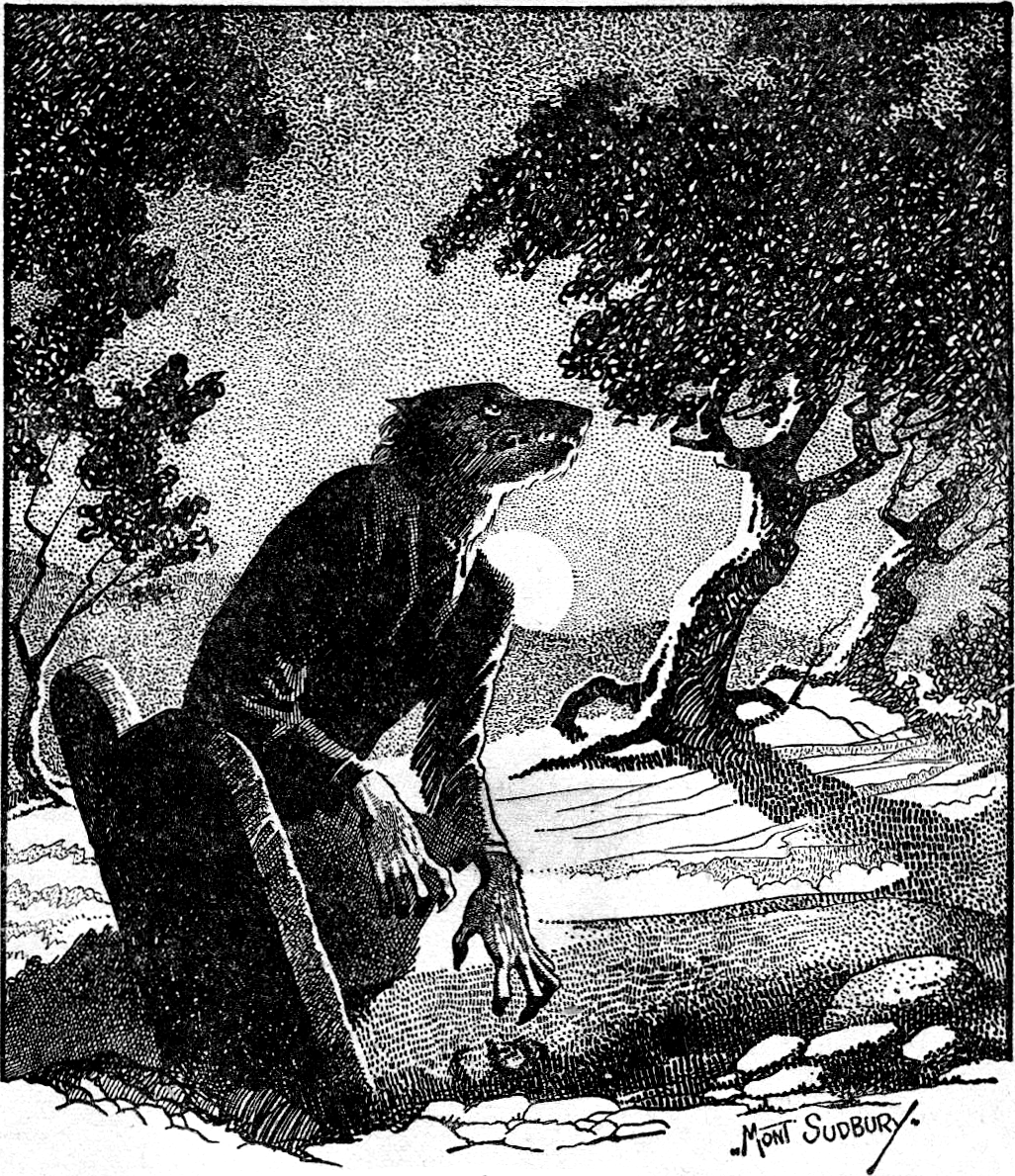 🇫🇷 France and 5 moreWerewolf
A mythical shapeshifter that turns into a wolf, central to European witch-hunts and Gothic horror.Being · Cursing and harm · Wonder and entertainment Legendary
🇫🇷 France and 5 moreWerewolf
A mythical shapeshifter that turns into a wolf, central to European witch-hunts and Gothic horror.Being · Cursing and harm · Wonder and entertainment Legendary
 🇪🇬 Egypt and 1 moreLilithלִילִית
A feminine figure from Mesopotamian and Jewish mythology, often depicted as a night demon or spirit.Being · Cursing and harm Legendary
🇪🇬 Egypt and 1 moreLilithלִילִית
A feminine figure from Mesopotamian and Jewish mythology, often depicted as a night demon or spirit.Being · Cursing and harm Legendary
 🇪🇬 EgyptCurse
A spoken wish for misfortune to befall a person or placeBelief · Cursing and harm · Luck and prosperity Historical
🇪🇬 EgyptCurse
A spoken wish for misfortune to befall a person or placeBelief · Cursing and harm · Luck and prosperity Historical