The Maero are a group of supernatural beings in Māori tradition. They live in the wild places of New Zealand, especially the South Island. People believe they are hostile to humans and guard their territory with violence.
- Maero are supernatural people in Māori tradition
- They live in New Zealand mountains and forests
- They carry stone clubs and have sharp nails
- They are said to be angry at Māori displacement
- One story tells of a maero reassembling itself
What it is
The Maero, also called Mohoao, are supernatural people in Māori stories. They are iwi-atua, which means spirit clans or tribes. These beings live in the wild parts of New Zealand. You can find them in the mountains and deep forests. The South Island and the Tararua Range are common homes for them. They are known as giants or wild men of the woods. Their nature is often violent and mean. They carry heavy stone clubs to fight. They have dark hair all over their bodies. Their fingers are long and bony. Their nails are sharp like knives. They hunt humans and animals for food.
Where it comes from
These beings hold anger toward the Māori people. The Māori arrived from Hawaiki. The Maero believe the newcomers displaced them. They think the Māori ruined the tapu of their lands. Tapu refers to sacredness or spiritual restriction. This loss forced the Maero into harsh alpine areas. They now dwell in inhospitable regions. The land is less welcoming than before. This history explains their hostility. It sets the stage for conflict between the two groups.
Tools and materials
The Maero use stone clubs as weapons. These tools help them attack others. They rely on physical strength and sharp nails. Their appearance includes dark body hair. Long bony fingers aid in grasping. Sharp fingernails serve as natural weapons. These features make them dangerous opponents. The stone clubs show their connection to the earth.
Maero, drawn and placed
- Living
- Revived
- Fading
- Historical
- Legendary
- Performed
- Lineage
- Māori tradition
What it is for
They act to protect their remaining territory. They view humans as invaders. Their goal is to kill and eat prey. Both humans and animals fall victim. This behavior keeps them separate from society. It reinforces their role as wild beings. Fear of them keeps people away from certain areas. This serves to maintain boundaries between worlds.
Peoples and places
The Maero belong to Māori tradition. They are part of the cultural heritage of New Zealand. Stories about them vary by region. In Whanganui, Tuao told tales of encounters. Tuao was chief of Upper Whanganui. His story involves Tukoio, a mortal man. Tukoio fought a maero and cut off its limbs. He brought the head back home. The head spoke and asked for help. Tukoio feared a clan attack. He left the head and returned later. The maero had reassembled itself. It walked back into the forest. This shows their resilience and power.
At a glance: who, where and when
Peoples
What people believe
They are seen as guardians of wild spaces. Their anger stems from displacement. They feel wronged by human arrival. The concept of tapu is central here. Sacredness was violated by outsiders. This violation caused their retreat. They exist outside normal human society. Their cannibalism marks them as dangerous. They represent the untamed force of nature. Humans must respect these boundaries.
Compare and confuse
They are similar to other wild man myths. The Moehau is another related figure. Patupaiarehe are also forest spirits. Human cannibalism links them to global legends. The wild man archetype appears worldwide. Each culture adapts the basic idea. New Zealand adds unique local details. The stone club is a specific trait.
Questions people ask about Maero
What are the Maero?
They are supernatural beings in Māori tradition. They are also called Mohoao. They live in New Zealand's wild places. People see them as wild men of the woods.
Where do they live?
They inhabit mountains and forests. The South Island is a main area. The Tararua Range is also significant. They prefer remote and rugged terrain.
Why are they hostile?
They blame Māori for their displacement. They believe humans ruined their sacred lands. This anger drives their violent behavior. They defend their remaining territory fiercely.
What do they look like?
They have dark body hair. Their fingers are long and bony. They possess sharp fingernails. They are often described as giants.
Good reading and sources
The facts on this page come from the Wikipedia article "Maero", written by its contributors and used under the CC BY-SA 4.0 licence, and from its Wikidata record (CC0). EveryJaadu rewrote the text in its own words, with AI assistance, and compares every page with the article to make sure no passage is copied. It may be reused under the same CC BY-SA 4.0 licence with a link back.
It may contain mistakes. Names and customs differ from one community to the next, and some knowledge is closed to outsiders and left out here. This page describes belief and practice. It does not say that any of it works, it is not a how-to, and it is not medical advice. If something is wrong, tell us. Last refreshed 2026-10-07.
More from New Zealand
All the entries from New Zealand 🇳🇿 New ZealandTaniwha
Supernatural beings of Māori lore, acting as guardians or dangerous predators in water and earthBeing · Protection · Cursing and harm Living
🇳🇿 New ZealandTaniwha
Supernatural beings of Māori lore, acting as guardians or dangerous predators in water and earthBeing · Protection · Cursing and harm Living
 🇳🇿 New ZealandPatupaiarehe
Pale-skinned forest spirits of Māori mythology who live in mist and mountainsBeing · Speaking with spirits and the dead Legendary
🇳🇿 New ZealandMoehau
A New Zealand woodland creature said to be a wild man or an escaped pet.Being Legendary
🇳🇿 New ZealandPatupaiarehe
Pale-skinned forest spirits of Māori mythology who live in mist and mountainsBeing · Speaking with spirits and the dead Legendary
🇳🇿 New ZealandMoehau
A New Zealand woodland creature said to be a wild man or an escaped pet.Being Legendary
 🇳🇿 New Zealand and 1 moreManaia
A composite guardian spirit in Māori art and beliefBeing · Protection · Speaking with spirits and the dead Living
🇳🇿 New Zealand and 1 moreManaia
A composite guardian spirit in Māori art and beliefBeing · Protection · Speaking with spirits and the dead Living
Related elsewhere
All being 🇷🇸 Serbia and 5 moreVampire
An undead creature from folklore that feeds on the blood or life force of the livingBeing · Cursing and harm · Luck and prosperity Legendary
🇷🇸 Serbia and 5 moreVampire
An undead creature from folklore that feeds on the blood or life force of the livingBeing · Cursing and harm · Luck and prosperity Legendary
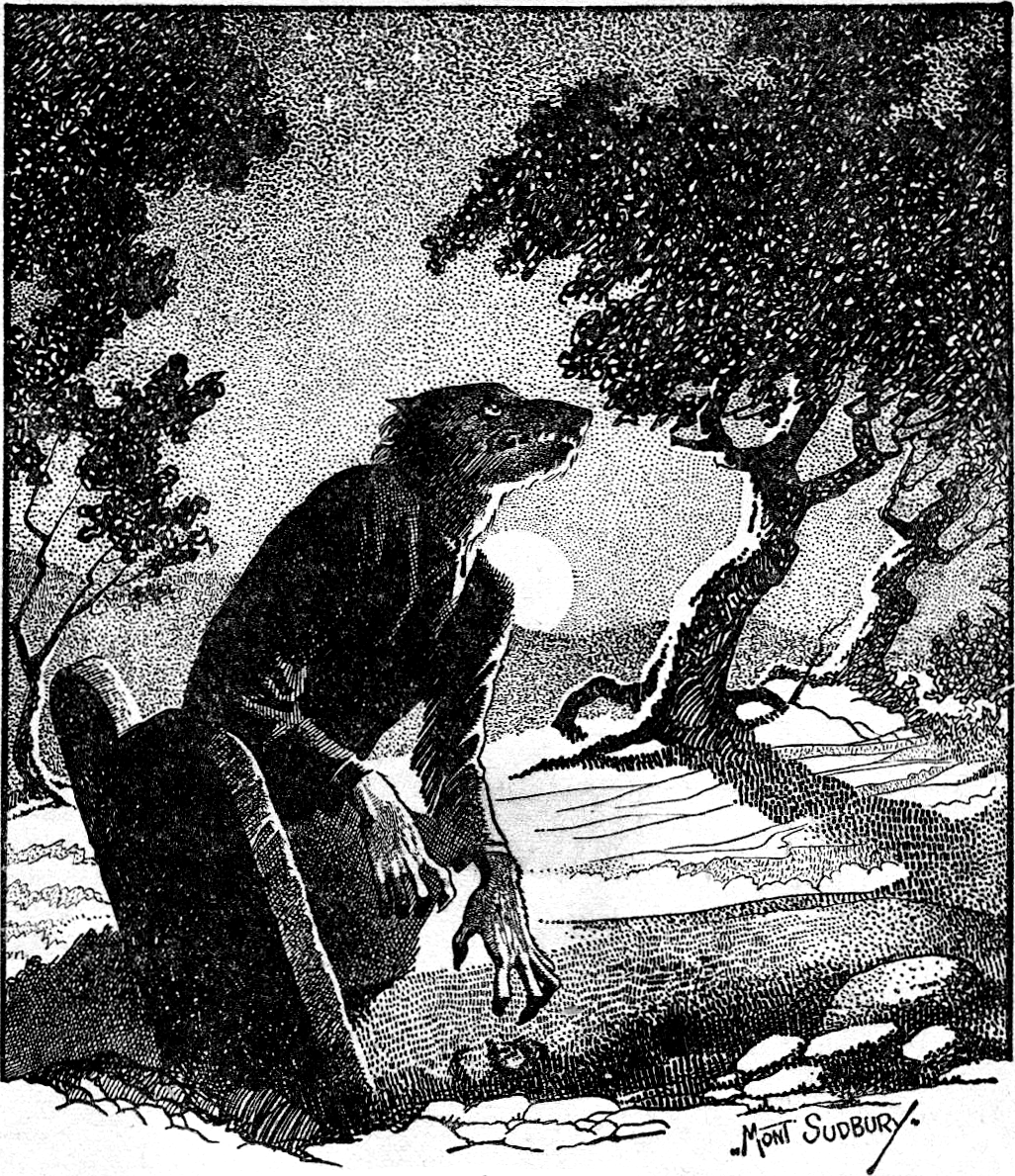 🇫🇷 France and 5 moreWerewolf
A mythical shapeshifter that turns into a wolf, central to European witch-hunts and Gothic horror.Being · Cursing and harm · Wonder and entertainment Legendary
🇫🇷 France and 5 moreWerewolf
A mythical shapeshifter that turns into a wolf, central to European witch-hunts and Gothic horror.Being · Cursing and harm · Wonder and entertainment Legendary
 🇪🇬 Egypt and 1 moreLilithלִילִית
A feminine figure from Mesopotamian and Jewish mythology, often depicted as a night demon or spirit.Being · Cursing and harm Legendary
🇪🇬 Egypt and 1 moreLilithלִילִית
A feminine figure from Mesopotamian and Jewish mythology, often depicted as a night demon or spirit.Being · Cursing and harm Legendary
 🇪🇬 EgyptCurse
A spoken wish for misfortune to befall a person or placeBelief · Cursing and harm · Luck and prosperity Historical
🇪🇬 EgyptCurse
A spoken wish for misfortune to befall a person or placeBelief · Cursing and harm · Luck and prosperity Historical