Cursing and harm
Curses, hexes and sorcery as people describe and fear them, with the counter-magic against them.
Cursing and harm are the part of magic that societies fear most. This page describes curses and sorcery as beliefs, and the social role of fear and accusation, and does not give instructions. The evil eye, the curse tablets of the Greek and Roman world, Hebrew and Arabic writings on harmful magic, sorcery in Melanesia and Africa, and the European witch are all part of this subject. Most of the harm recorded is that done to people accused.
What is believed
Many cultures hold that envy, anger or hostile ritual can bring illness, loss or death to a victim. The beliefs differ: in the Mediterranean, the evil eye needs no intent. In Azande society, studied by Evans-Pritchard, witchcraft was an inherited substance that explained why misfortune struck one person and not another. Greek and Roman lead curse tablets, often addressed to gods of the underworld, show the belief was written down in antiquity.
Accusation as social force
Where harm is feared, accusation follows. Anthropologists have shown that charges of witchcraft often follow tension inside a family or village, such as inheritance, jealousy or a sudden death. Accusers are usually in conflict with the accused, who is more likely to be old, poor, widowed or marginal. The belief can enforce norms and also destroy people. People also fear being accused, since an accusation can arrive without warning and can follow a family for generations.
Persecution and its present
European and colonial American witch trials, from the fifteenth to the eighteenth century, put tens of thousands to death, including the Salem trials of 1692. The practice has not ended. Mobs and families still attack accused people in parts of Africa, India, Papua New Guinea and elsewhere, and Saudi Arabia has executed people for sorcery. Albino people have been killed for body parts in East Africa. Several states are drafting or enforcing laws against accusation itself.
Counter-magic and scholarship
Where harm is feared, so is protection: amulets, cleansing, and a specialist who can say who sent it. Scholars see curses as a language of grievance, and psychologists have documented the nocebo effect, in which belief in harm can bring on real distress. A person who is afraid should seek medical and social help, and talk to someone they trust. People who believe they have been cursed should be helped to find practical support, including from health services, and not left alone with fear.
Cursing and harm on EveryJaadu
The entries written up so far, best known first.
 🇯🇵 JapanTide jewels潮干る珠 (Shiohiru-tama) and 潮満つ珠 (Shiomitsu-tama)
Two magical gems from Japanese mythology that control the tides to drown or save enemies.Charm · Cursing and harm · Power and authority Legendary
🇵🇱 Poland and 1 moreDydko
A Polish folk creature evolved from a Slavic house demon into a night-time scarecrow.Being · Cursing and harm Legendary
🇯🇵 JapanTide jewels潮干る珠 (Shiohiru-tama) and 潮満つ珠 (Shiomitsu-tama)
Two magical gems from Japanese mythology that control the tides to drown or save enemies.Charm · Cursing and harm · Power and authority Legendary
🇵🇱 Poland and 1 moreDydko
A Polish folk creature evolved from a Slavic house demon into a night-time scarecrow.Being · Cursing and harm Legendary
 🇨🇳 China and 4 moreDragon
A serpentine mythical creature found in global folklore and art, representing power, chaos, or imperial authority.Being · Power and authority · Cursing and harm Legendary
🇨🇳 China and 4 moreDragon
A serpentine mythical creature found in global folklore and art, representing power, chaos, or imperial authority.Being · Power and authority · Cursing and harm Legendary
 🇮🇹 Italy and 1 moreCupidCupīdō
A Roman deity of desire and erotic love, often depicted with a bow and arrow.Being · Love and attraction · Cursing and harm Legendary
🇮🇹 Italy and 1 moreCupidCupīdō
A Roman deity of desire and erotic love, often depicted with a bow and arrow.Being · Love and attraction · Cursing and harm Legendary
 🇮🇳 India and 1 moreRavanaरावण (Rāvaṇa)
A ten-headed demon king of Lanka and a devoted follower of Shiva in Hindu tradition.Figure · Cursing and harm · Power and authority Legendary
🇮🇳 India and 1 moreRavanaरावण (Rāvaṇa)
A ten-headed demon king of Lanka and a devoted follower of Shiva in Hindu tradition.Figure · Cursing and harm · Power and authority Legendary
 🇬🇷 GreeceErymanthian Boarὁ Ἐρυμάνθιος κάπρος
A wild boar from Greek myth captured by Heracles as his fourth labourBeing · Cursing and harm Legendary
🇬🇷 GreeceErymanthian Boarὁ Ἐρυμάνθιος κάπρος
A wild boar from Greek myth captured by Heracles as his fourth labourBeing · Cursing and harm Legendary
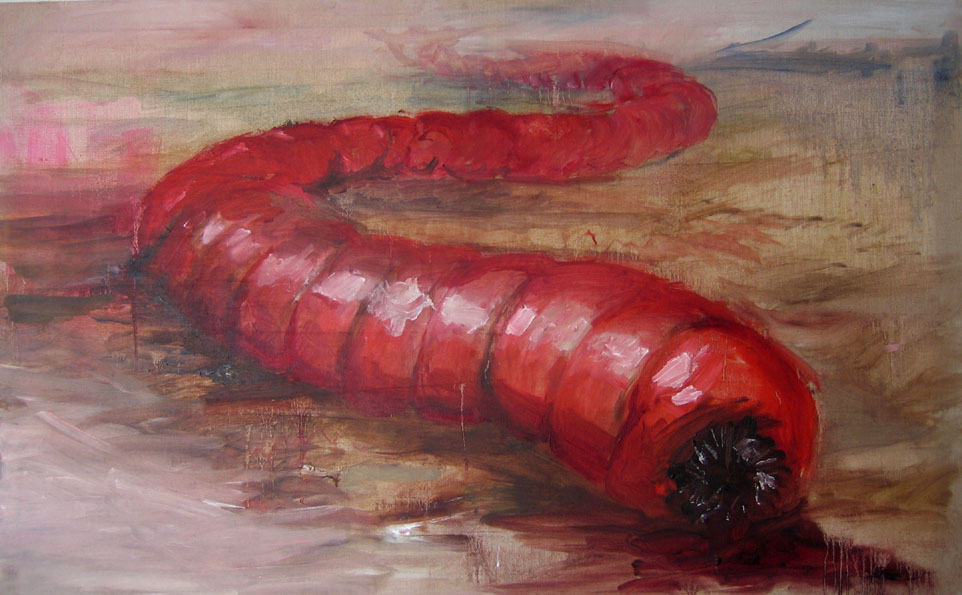 🇲🇳 MongoliaMongolian death wormолгой-хорхой (olgoi-khorkhoi)
A legendary desert creature said to kill with venom or electricityBeing · Cursing and harm Legendary
🇲🇳 MongoliaMongolian death wormолгой-хорхой (olgoi-khorkhoi)
A legendary desert creature said to kill with venom or electricityBeing · Cursing and harm Legendary
 🇮🇳 IndiaMahishasuraमहिषासुर
A bovine asura slain by the goddess Durga in Hindu myth and legendBeing · Cursing and harm Legendary
🇬🇷 GreeceEmpusaἜμπουσα
A shape-shifting phantom of Greek myth with a single brass leg, sent by Hecate to seduce and devour young men.Being · Cursing and harm · Speaking with spirits and the dead Legendary
🇮🇳 IndiaMahishasuraमहिषासुर
A bovine asura slain by the goddess Durga in Hindu myth and legendBeing · Cursing and harm Legendary
🇬🇷 GreeceEmpusaἜμπουσα
A shape-shifting phantom of Greek myth with a single brass leg, sent by Hecate to seduce and devour young men.Being · Cursing and harm · Speaking with spirits and the dead Legendary
 🇨🇭 Switzerland and 3 moreTatzelwurm
A cat-headed lizard of the Alps, said to guard mines and drink cow milk.Being · Cursing and harm · Luck and prosperity Legendary
🇦🇱 Albania and 4 moreDhampir
A half-vampire figure from Balkan folklore who hunts the undeadBeing · Cursing and harm Legendary
🇨🇭 Switzerland and 3 moreTatzelwurm
A cat-headed lizard of the Alps, said to guard mines and drink cow milk.Being · Cursing and harm · Luck and prosperity Legendary
🇦🇱 Albania and 4 moreDhampir
A half-vampire figure from Balkan folklore who hunts the undeadBeing · Cursing and harm Legendary
 🇲🇽 MexicoCamazotz
A bat spirit of the Maya underworld linked to night, death, and sacrificeBeing · Cursing and harm · Power and authority Legendary
🇲🇽 MexicoCamazotz
A bat spirit of the Maya underworld linked to night, death, and sacrificeBeing · Cursing and harm · Power and authority Legendary
 🇷🇺 RussiaGolden apple
A mythical fruit that sparks quests, wars, and linguistic confusion across culturesFigure · Cursing and harm · Luck and prosperity Legendary
🇷🇺 RussiaGolden apple
A mythical fruit that sparks quests, wars, and linguistic confusion across culturesFigure · Cursing and harm · Luck and prosperity Legendary
 🇸🇪 Sweden and 5 moreLindwormlindorm
A serpentine dragon of Northern and Central European folklore, often depicted as limbless or winged.Being · Luck and prosperity · Cursing and harm Legendary
🇸🇪 Sweden and 5 moreLindwormlindorm
A serpentine dragon of Northern and Central European folklore, often depicted as limbless or winged.Being · Luck and prosperity · Cursing and harm Legendary
 🇪🇹 EthiopiaCatoblepas
A legendary beast from ancient texts with a heavy head and a lethal gaze or breath.Being · Cursing and harm Legendary
🇪🇹 EthiopiaCatoblepas
A legendary beast from ancient texts with a heavy head and a lethal gaze or breath.Being · Cursing and harm Legendary
 🇯🇵 JapanGashadokuroがしゃどくろ
A giant skeleton spirit born from the bones of those who died in war or famine.Being · Cursing and harm Legendary
🇯🇵 JapanRaijū雷獣
A Japanese lightning creature that sleeps in navels and falls from stormsBeing · Cursing and harm Legendary
🇳🇬 Nigeria and 1 moreMadam Koi Koi
A Nigerian school ghost known for the sound of her heelsFigure · Cursing and harm Legendary
🇯🇵 JapanGashadokuroがしゃどくろ
A giant skeleton spirit born from the bones of those who died in war or famine.Being · Cursing and harm Legendary
🇯🇵 JapanRaijū雷獣
A Japanese lightning creature that sleeps in navels and falls from stormsBeing · Cursing and harm Legendary
🇳🇬 Nigeria and 1 moreMadam Koi Koi
A Nigerian school ghost known for the sound of her heelsFigure · Cursing and harm Legendary
 🇫🇮 FinlandIku-Turso
A primordial giant and sea monster from Finnish mythologyBeing · Power and authority · Cursing and harm Legendary
🇫🇮 FinlandIku-Turso
A primordial giant and sea monster from Finnish mythologyBeing · Power and authority · Cursing and harm Legendary
 🇺🇸 United StatesGoatman
A goat-human hybrid blamed for dog deaths in Maryland woodsBeing · Cursing and harm Legendary
🇷🇴 Romania and 5 moreBalaur
A many-headed dragon from Romanian folklore that guards treasures and controls the weather.Being · Cursing and harm · Power and authority Legendary
🇺🇸 United StatesGoatman
A goat-human hybrid blamed for dog deaths in Maryland woodsBeing · Cursing and harm Legendary
🇷🇴 Romania and 5 moreBalaur
A many-headed dragon from Romanian folklore that guards treasures and controls the weather.Being · Cursing and harm · Power and authority Legendary
 🇮🇩 Indonesia and 1 moreVengeful ghost
A restless spirit said to return from death to punish those who caused harmBeing · Cursing and harm Legendary
🇮🇩 Indonesia and 1 moreVengeful ghost
A restless spirit said to return from death to punish those who caused harmBeing · Cursing and harm Legendary
 🇲🇽 MexicoAhuizotlāhuitzotl
A legendary Aztec water creature said to lure people to their deathsBeing · Cursing and harm Legendary
🇨🇴 ColombiaPatasola
A Colombian jungle monster that lures men with beauty before revealing a one-legged formBeing · Cursing and harm Legendary
🇲🇽 MexicoAhuizotlāhuitzotl
A legendary Aztec water creature said to lure people to their deathsBeing · Cursing and harm Legendary
🇨🇴 ColombiaPatasola
A Colombian jungle monster that lures men with beauty before revealing a one-legged formBeing · Cursing and harm Legendary
 🇷🇺 Russia and 1 moreBabayБабай
A night spirit in Slavic folklore used to frighten children into sleepingFigure · Cursing and harm Legendary
🇷🇺 Russia and 1 moreBabayБабай
A night spirit in Slavic folklore used to frighten children into sleepingFigure · Cursing and harm Legendary
 🇦🇱 Albania and 3 moreKulshedra
A multi-headed serpent demon in Albanian folklore that controls storms and droughts.Being · Cursing and harm · Luck and prosperity Legendary
🇷🇴 Romania and 2 moreZmeu
A humanoid dragon from Romanian folklore that kidnaps maidens and steals treasures.Being · Cursing and harm · Love and attraction Legendary
🇮🇩 IndonesiaSundel bolong
A vengeful ghost of Java, a woman whose long black hair hides the hole in her back.Being · Cursing and harm Legendary
🇯🇵 JapanKijo鬼女
A demon woman from Japanese folklore, born of resentment and karma.Being · Cursing and harm Legendary
🇦🇱 Albania and 3 moreKulshedra
A multi-headed serpent demon in Albanian folklore that controls storms and droughts.Being · Cursing and harm · Luck and prosperity Legendary
🇷🇴 Romania and 2 moreZmeu
A humanoid dragon from Romanian folklore that kidnaps maidens and steals treasures.Being · Cursing and harm · Love and attraction Legendary
🇮🇩 IndonesiaSundel bolong
A vengeful ghost of Java, a woman whose long black hair hides the hole in her back.Being · Cursing and harm Legendary
🇯🇵 JapanKijo鬼女
A demon woman from Japanese folklore, born of resentment and karma.Being · Cursing and harm Legendary
 🇵🇾 Paraguay and 2 moreKurupiCurupí
A Guaraní forest spirit known for his elongated phallus and role as a protector or abductor.Being · Protection · Cursing and harm Legendary
🇰🇷 South KoreaGwisin귀신
A Korean ghost of a human who died, lingering to finish unfinished business.Being · Cursing and harm · Protection Legendary
🇵🇾 Paraguay and 2 moreKurupiCurupí
A Guaraní forest spirit known for his elongated phallus and role as a protector or abductor.Being · Protection · Cursing and harm Legendary
🇰🇷 South KoreaGwisin귀신
A Korean ghost of a human who died, lingering to finish unfinished business.Being · Cursing and harm · Protection Legendary
 🇮🇳 India and 1 moreCrocotta
A mythical dog-wolf of India and Ethiopia that mimics human voicesBeing · Cursing and harm Legendary
🇮🇳 India and 1 moreCrocotta
A mythical dog-wolf of India and Ethiopia that mimics human voicesBeing · Cursing and harm Legendary
 🇬🇷 Greece and 1 moreCacodemonκακοδαίμων (kakodaimōn)
An ancient Greek evil spirit, depicted as a horned youth and used in literature and games.Being · Cursing and harm Legendary
🇬🇷 Greece and 1 moreCacodemonκακοδαίμων (kakodaimōn)
An ancient Greek evil spirit, depicted as a horned youth and used in literature and games.Being · Cursing and harm Legendary
 🇬🇧 United Kingdom and 2 moreJenny Greenteeth
A river-hag from English folklore used to warn children away from dangerous watersFigure · Cursing and harm Legendary
🇬🇧 United Kingdom and 2 moreJenny Greenteeth
A river-hag from English folklore used to warn children away from dangerous watersFigure · Cursing and harm Legendary
 🇪🇪 EstoniaVanapaganVanatühi
A giant farmer and underworld figure from Estonian folklore who is often outwitted.Figure · Cursing and harm Legendary
🇪🇪 EstoniaVanapaganVanatühi
A giant farmer and underworld figure from Estonian folklore who is often outwitted.Figure · Cursing and harm Legendary
 🇯🇵 JapanShikome黄泉醜女 (Yomotsu-shikome)
A hag from the Japanese underworld who pursued Izanagi after he shamed Izanami.Figure · Cursing and harm Legendary
🇮🇱 Israel and 2 moreRahabרַהַב
A Hebrew mythic sea monster and symbol of chaos, later used as a poetic name for Egypt.Being · Cursing and harm · Power and authority Legendary
🇬🇲 Gambia and 1 moreNinki Nanka
A legendary swamp dragon of West Africa said to kill with a stareBeing · Cursing and harm Legendary
🇨🇳 ChinaQiongqi窮奇
A winged beast from Chinese myth that rewards wickedness and punishes virtueBeing · Cursing and harm Legendary
🇯🇵 JapanShikome黄泉醜女 (Yomotsu-shikome)
A hag from the Japanese underworld who pursued Izanagi after he shamed Izanami.Figure · Cursing and harm Legendary
🇮🇱 Israel and 2 moreRahabרַהַב
A Hebrew mythic sea monster and symbol of chaos, later used as a poetic name for Egypt.Being · Cursing and harm · Power and authority Legendary
🇬🇲 Gambia and 1 moreNinki Nanka
A legendary swamp dragon of West Africa said to kill with a stareBeing · Cursing and harm Legendary
🇨🇳 ChinaQiongqi窮奇
A winged beast from Chinese myth that rewards wickedness and punishes virtueBeing · Cursing and harm Legendary
 🇬🇧 United KingdomBoobrie
A shapeshifting loch monster from Scottish folklore that preys on livestock and horses.Being · Cursing and harm Legendary
🇬🇧 United KingdomBoobrie
A shapeshifting loch monster from Scottish folklore that preys on livestock and horses.Being · Cursing and harm Legendary
 🇬🇷 GreeceCancer (mythology)Καρκίνος
A giant crab from Greek myth that became a zodiac constellationBeing · Cursing and harm Legendary
🇬🇷 GreeceCancer (mythology)Καρκίνος
A giant crab from Greek myth that became a zodiac constellationBeing · Cursing and harm Legendary
 🇪🇸 SpainHerensuge
A mythical seven-headed dragon or serpent from Basque legendBeing · Cursing and harm Legendary
🇯🇵 JapanMazoku魔族
Supernatural beings in Japanese myth and fantasy, often evil.Being · Cursing and harm Legendary
🇪🇸 SpainHerensuge
A mythical seven-headed dragon or serpent from Basque legendBeing · Cursing and harm Legendary
🇯🇵 JapanMazoku魔族
Supernatural beings in Japanese myth and fantasy, often evil.Being · Cursing and harm Legendary
Photo credits on this page
The small pictures above come from Wikimedia Commons under free licences. Some are cropped to fit.
- Boobrie: Ole Worm - Olaus Wormius, Public domain, source
- Maya mythology: Unknown author, Public domain, source
- Crocotta: Unknown author, Public domain, source
- Kurupi: FrankOWeaver, CC BY-SA 3.0, source
- Tide jewels: Shizhao, CC BY-SA 3.0, source
- Cupid: Bertel Thorvaldsen, CC BY-SA 3.0, source
- Dragon: Katsushika Hokusai, Public domain, source
- Erymanthian Boar: Antimenes Painter, Public domain, source
- Mongolian death worm: The original uploader was Pieter0024 at English Wikipedia ., CC BY-SA 1.0, source
- Mahishasura: Prakashsubbarao at English Wikipedia, Public domain, source
- Ravana: Gita Press Gorakhpur, CC0, source
- Tatzelwurm: Abrasax, CC BY-SA 3.0 de, source
- Lindworm: Unknown author, Public domain, source
- Catoblepas: Jan Jonston, Public domain, source
- Gashadokuro: Unknown author, Public domain, source
- Iku-Turso: Hugo Simberg, Public domain, source
- Goatman: Jack Boucher, Public domain, source
- Vengeful ghost: Tsukioka Yoshitoshi; Tsukioka Yoshitoshi died 1892; Negishi Chokuzan;, Public domain, source
- Ahuizotl: Infrogmation, New Orleans, Public domain, source
- Kulshedra: Bidgee, CC BY 3.0, source
- Babay: Kyoukaa, CC BY-SA 4.0, source
- Cacodemon: Louis Le Breton, Public domain, source
- Jenny Greenteeth: Jayan.thanal, CC BY-SA 4.0, source
- Shikome: Raita Futo, CC BY 2.0, source
- Vanapagan: Kristjan Raud, Public domain, source
- Cancer (mythology): Diosphos Painter, Public domain, source
- Herensuge: Francisco Tomas Burgui, Public domain, source
- Golden apple: Guido Reni, Public domain, source